
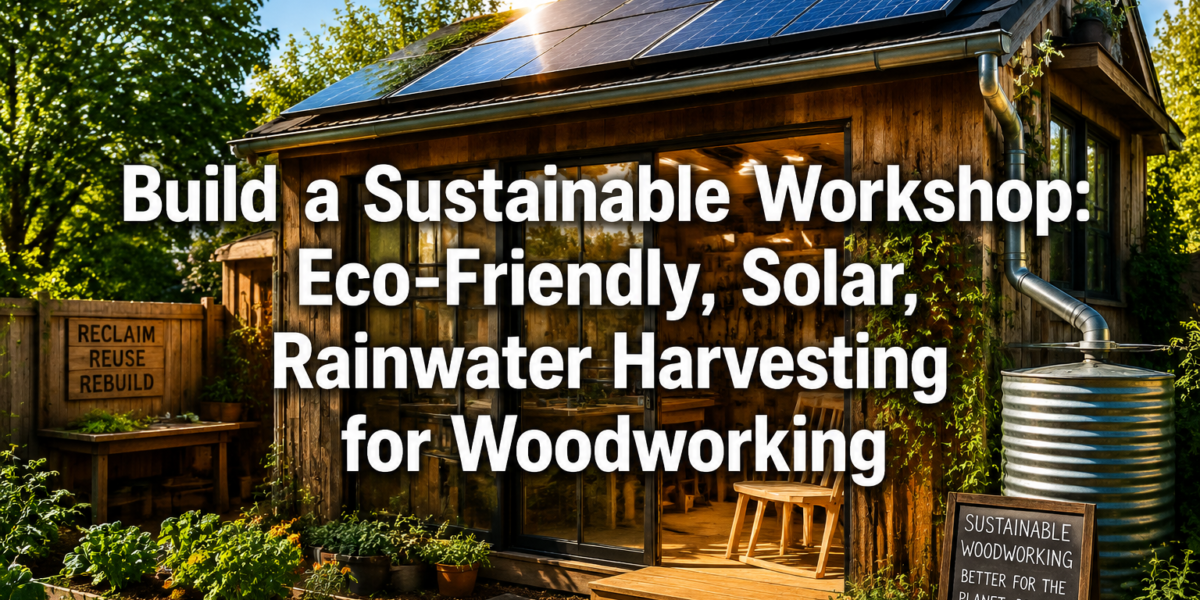
The environmental footprint of a typical woodworking shop can be surprisingly significant, from energy consumption to material sourcing. However, modern woodworkers are discovering that passion for craft doesn’t have to come at the planet’s expense. The key lies in deliberately Building a Sustainable Backyard Workshop: Eco-Friendly Materials, Solar Power, and Rainwater Harvesting for the Modern Woodworker. This guide explores how to construct a workshop that minimizes environmental impact, using reclaimed materials, integrating renewable energy, and managing waste effectively for a truly green woodworking space.
Key Takeaways
- Eco-Friendly Materials are Accessible: Utilize reclaimed lumber, recycled insulation, and low-VOC finishes to reduce embodied energy and chemical exposure.
- Solar Power for Energy Independence: Integrate photovoltaic (PV) systems to offset or eliminate electricity costs and power your tools with clean energy.
- Rainwater Harvesting Saves Resources: Collect rainwater for tool cleaning, dust suppression, or even garden irrigation, reducing reliance on municipal water.
- Waste Reduction is Paramount: Implement strategies for wood scrap utilization, efficient dust collection, and responsible disposal of finishes.
- Design for Efficiency: Thoughtful workshop layout, natural lighting, and proper insulation are fundamental to long-term sustainability.
Designing with Conscience: Eco-Friendly Materials for Your Backyard Workshop
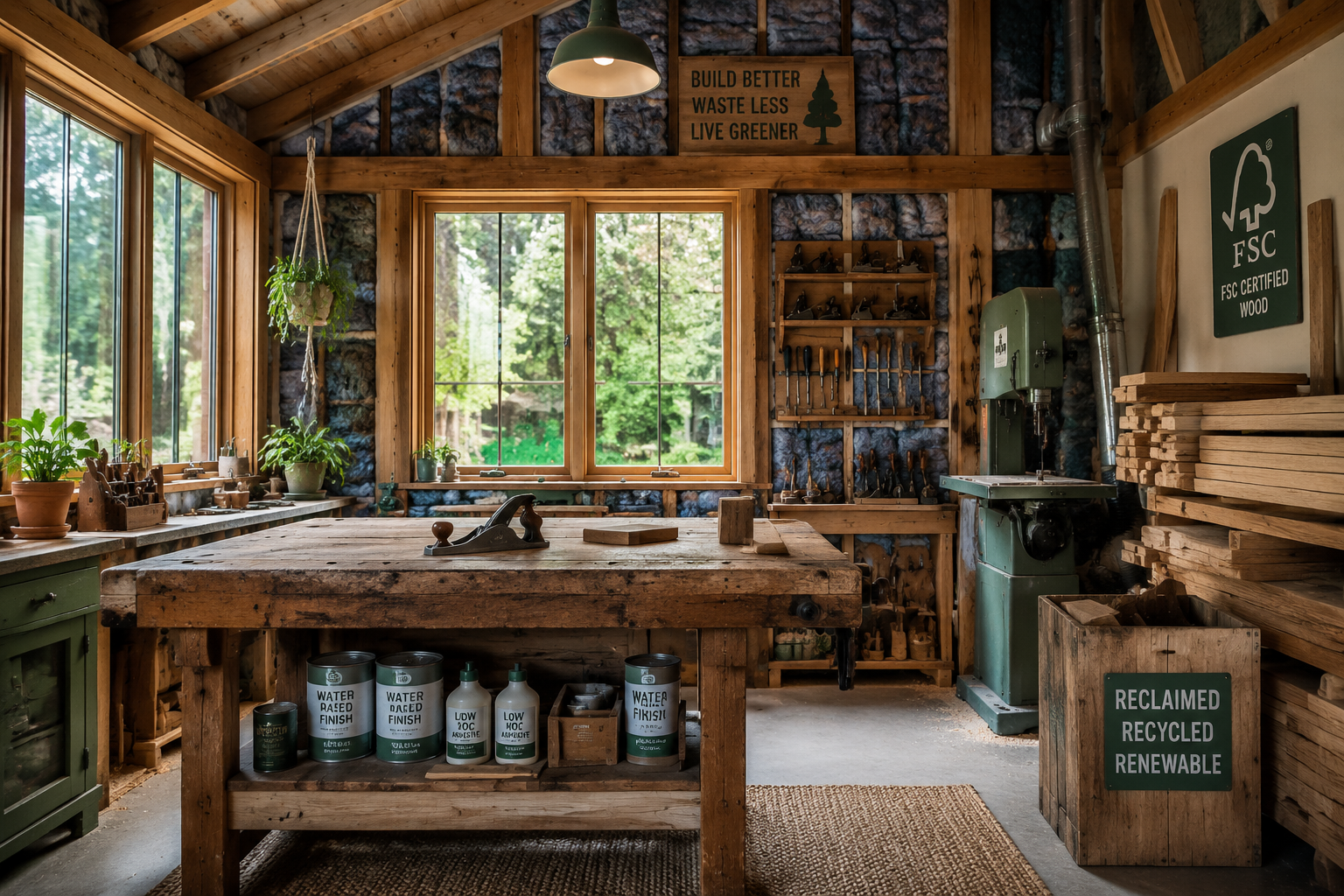
When embarking on Building a Sustainable Backyard Workshop: Eco-Friendly Materials, Solar Power, and Rainwater Harvesting for the Modern Woodworker, the choice of construction materials forms the very foundation of your ecological commitment. Traditional building often involves resource-intensive processes and materials with high embodied energy. Opting for sustainable alternatives not only lessens your environmental impact but can also create a healthier working environment.
Reclaimed and Locally Sourced Wood
The most impactful material choice for a woodworking shop is, perhaps fittingly, wood itself. However, not all wood is created equal in terms of sustainability. Prioritize reclaimed lumber from old barns, deconstructed buildings, or even shipping pallets. This reduces demand for new timber and prevents perfectly good wood from ending up in landfills. Local sawmills offering sustainably harvested or storm-fallen timber are another excellent option.
Benefits of Reclaimed Wood:
- Reduced Deforestation: No new trees are cut down.
- Lower Embodied Energy: Less energy is consumed in processing compared to new lumber.
- Unique Character: Often possesses a rich patina and history.
- Cost-Effective: Can sometimes be significantly cheaper than new lumber.
For resources on finding and working with reclaimed materials, consider exploring guides on sourcing and restoring urban harvested and reclaimed wood.
Sustainable Insulation and Sheathing
Insulation is crucial for energy efficiency. Eco-friendly options include:
- Recycled Denim Insulation: Made from post-consumer denim, it offers excellent thermal performance and sound dampening.
- Straw Bale Construction: For larger workshops, straw bales provide exceptional insulation and are a rapidly renewable resource.
- Mineral Wool: Made from basalt rock and recycled slag, it’s fire-resistant and offers good R-value.
- Cellulose Insulation: Composed of recycled paper products, treated for fire and pest resistance.
For interior sheathing, consider options like formaldehyde-free plywood or OSB, or even salvaged wood paneling. Look for certifications like Forest Stewardship Council (FSC) to ensure responsible forestry practices.
Low-VOC Finishes and Adhesives
The air quality inside your workshop is paramount for health and safety. Traditional paints, stains, and adhesives often contain volatile organic compounds (VOCs) that off-gas harmful chemicals. In 2026, there are numerous low-VOC or zero-VOC alternatives available:
- Water-Based Finishes: Offer durability with significantly fewer VOCs.
- Natural Oils and Waxes: Finishes like linseed oil, tung oil, and beeswax provide beautiful, non-toxic protection. For deeper insights, see our ultimate wood finishing guide.
- Casein or Soy-Based Adhesives: Plant-derived glues that are environmentally friendly.
By prioritizing these materials, your workshop becomes a testament to mindful construction, promoting both personal well-being and planetary health.

Powering Your Craft: Solar Energy Integration
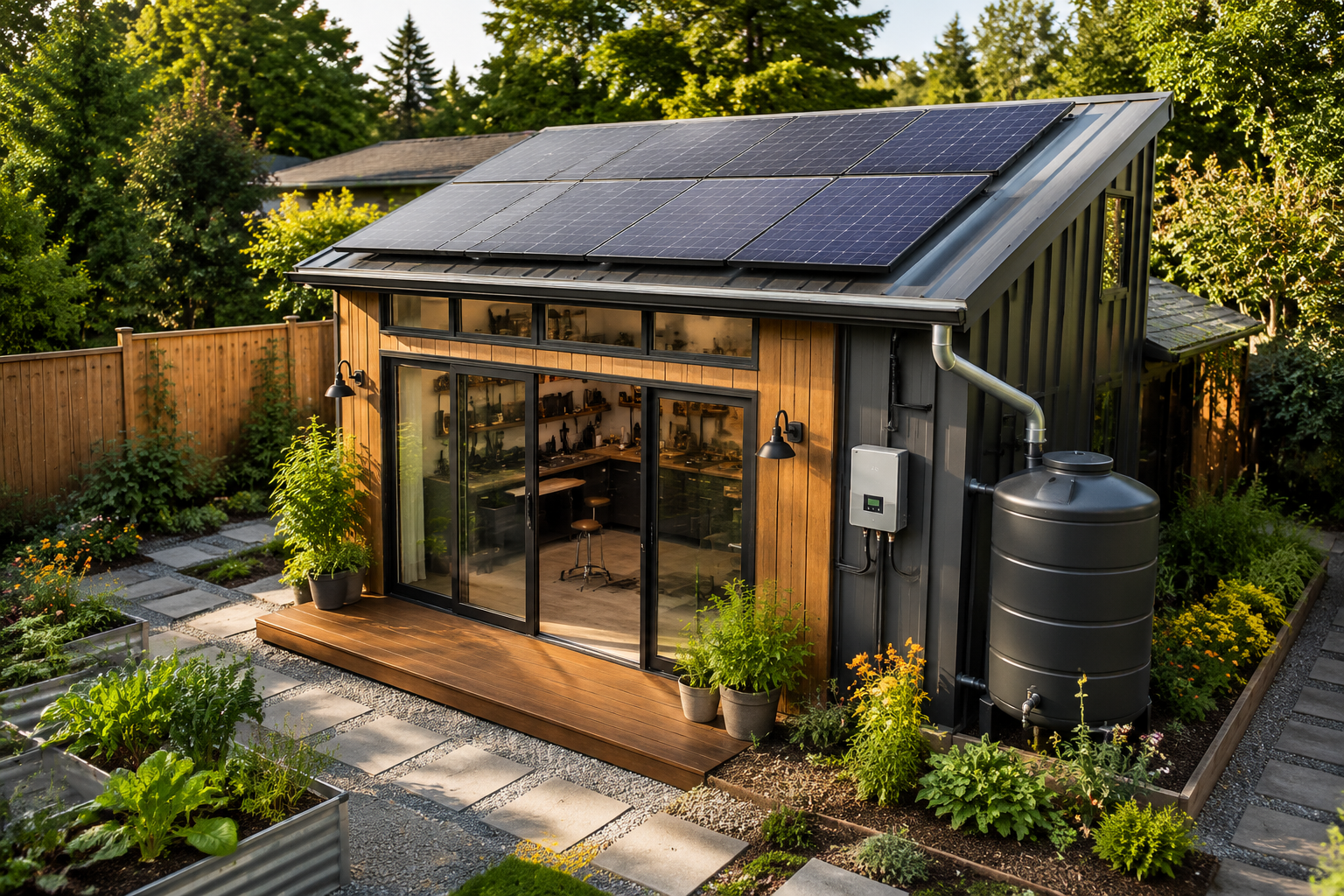
One of the most exciting aspects of Building a Sustainable Backyard Workshop: Eco-Friendly Materials, Solar Power, and Rainwater Harvesting for the Modern Woodworker is the potential for energy independence through solar power. Harnessing the sun’s energy can dramatically reduce your electricity bills and carbon footprint, making your woodworking truly green.
Sizing Your Solar System
The first step is to assess your workshop’s energy needs. List all your power tools, lighting, and any other appliances, noting their wattage and estimated daily usage.
Example Workshop Load Calculation:
| Appliance | Wattage (W) | Est. Daily Use (hours) | Daily kWh |
|---|---|---|---|
| Table Saw | 1500 | 0.5 | 0.75 |
| Dust Collector | 1200 | 0.5 | 0.6 |
| Router | 800 | 0.25 | 0.2 |
| LED Lighting | 100 | 4 | 0.4 |
| Total Estimated Daily Usage | 1.95 kWh |
Based on this, you would then calculate the solar panel array size needed, accounting for local sun hours and system efficiency losses. A professional solar installer can provide a precise calculation, but many online calculators offer good estimates for DIY planning.
Grid-Tied vs. Off-Grid Systems
- Grid-Tied: Connects to the main electrical grid. Excess electricity generated can be sold back to the utility (net metering), and you draw from the grid when solar production is low. This is often the most cost-effective option for workshops with intermittent high power demands.
- Off-Grid: Completely independent of the utility grid. Requires a battery bank to store excess energy for use when the sun isn’t shining. Ideal for remote locations or those seeking full energy autonomy. This setup might be more expensive upfront but offers complete freedom from utility bills.
Remember to consider local regulations and permits required for solar installation in 2026. Investing in energy-efficient tools and LED lighting can also significantly reduce your overall power consumption.

Water-Wise Woodworking: Rainwater Harvesting & Efficient Resource Management
Beyond materials and energy, a truly sustainable workshop embraces efficient resource management, with rainwater harvesting being a standout feature. For the modern woodworker focused on Building a Sustainable Backyard Workshop: Eco-Friendly Materials, Solar Power, and Rainwater Harvesting for the Modern Woodworker, every drop counts.
Implementing a Rainwater Harvesting System
A basic rainwater harvesting system for a workshop typically involves:
- Catchment Surface: Your workshop roof.
- Gutters and Downspouts: Direct water from the roof.
- Leaf Screen/Filter: Prevents debris from entering the system.
- First Flush Diverter: Reroutes the initial dirty runoff before it reaches your storage. This is crucial for maintaining water quality.
- Storage Tank/Cistern: A barrel or larger tank to store the collected water.
- Overflow Mechanism: Prevents the tank from overfilling.
- Spigot/Pump: To access the collected water.
Uses for Collected Rainwater in a Workshop:
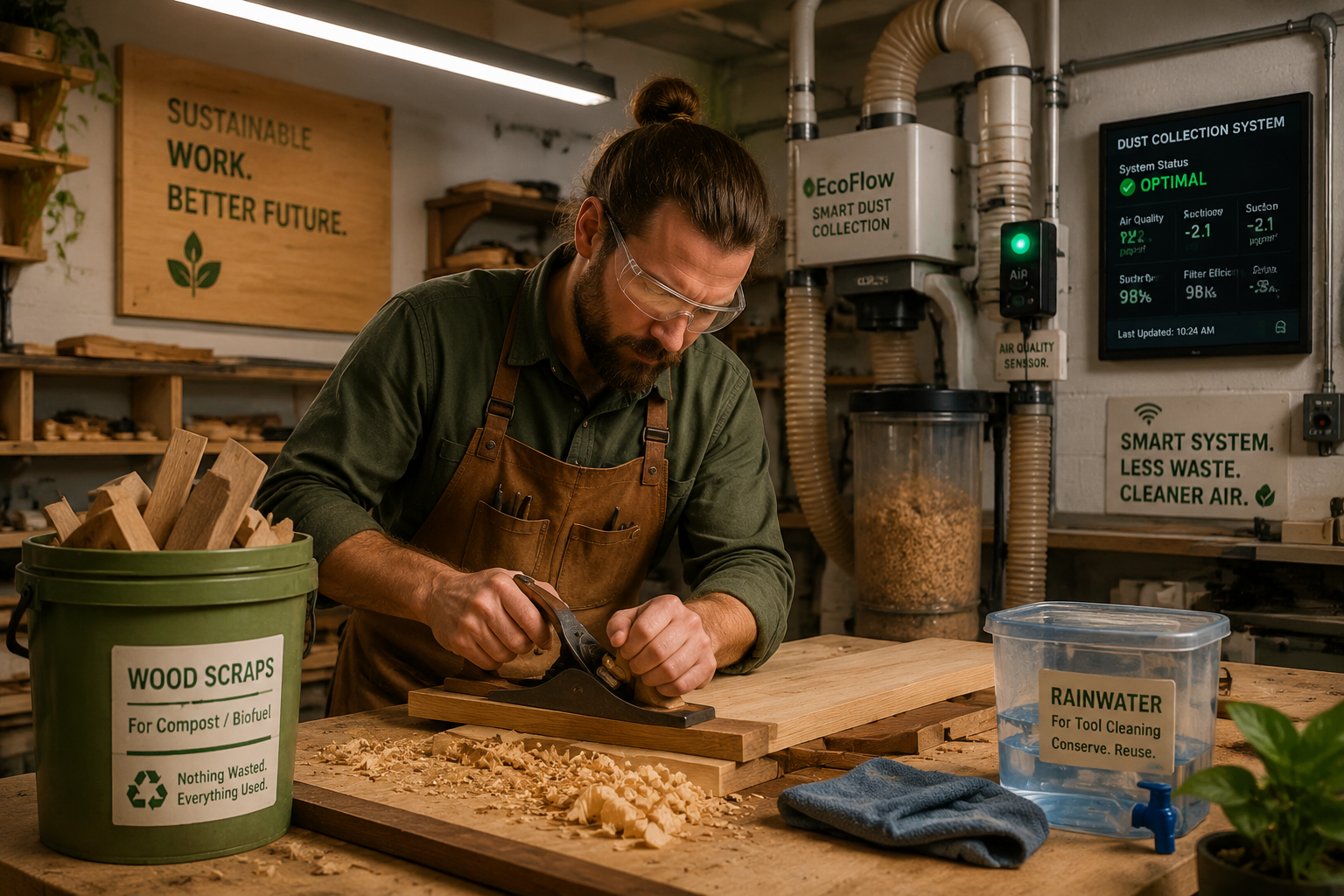
- Tool Cleaning: Ideal for rinsing brushes, cleaning saw blades, or wiping down surfaces.
- Dust Suppression: Lightly misting the air or shop floor to help settle dust (though a smart dust collection system is always recommended).
- Garden Irrigation: If your workshop is near a garden, excess rainwater can be invaluable.
- Mixing Finishes/Glues: For some water-based products, though always check manufacturer recommendations.
Waste Reduction and Recycling
A sustainable workshop also means minimizing waste.
- Scrap Wood Utilization: Instead of discarding offcuts, turn them into smaller projects, kindling, or even use them for crafting acoustic diffusers. Our guide on turning shop scraps into design features offers creative ideas.
- Dust Collection: Invest in an efficient dust collection system. Not only does it improve air quality, but collected sawdust can be composted, used as animal bedding, or compressed into fuel bricks. Consider a mobile dust collection cart for versatility.
- Recycling: Have dedicated bins for metal scraps, plastic containers from finishes, and paper waste.
- Responsible Disposal: Hazardous materials like certain finishes or solvents must be disposed of according to local regulations.
By integrating these practices, your sustainable backyard workshop becomes a model of ecological responsibility, demonstrating how a love for woodworking can coexist with environmental stewardship.

Designing for Longevity and Efficiency
A truly sustainable workshop isn’t just about the initial build; it’s also about long-term efficiency and durability. When you are Building a Sustainable Backyard Workshop: Eco-Friendly Materials, Solar Power, and Rainwater Harvesting for the Modern Woodworker, thoughtful design choices make a significant difference.
Natural Lighting and Ventilation
Maximizing natural light reduces the need for artificial lighting during daylight hours. Large windows, skylights, and even translucent roofing panels can flood your workspace with free, high-quality light. Position your workbench to take advantage of this. For artificial lighting, always opt for energy-efficient LED fixtures.
Proper ventilation is critical for health, especially when working with wood dust and finishes. Design your workshop with cross-ventilation in mind, using strategically placed windows and vents. A passive ventilation system can work wonders, drawing in cool air and expelling warm, dust-laden air without needing electricity. Supplemental mechanical ventilation, integrated with your dust collection, provides even greater control.
Durable Construction and Maintenance
Building with longevity in mind inherently reduces waste and resource consumption.
- Foundation: A solid, well-drained foundation (e.g., concrete slab with vapor barrier, pier and beam) prevents moisture issues and structural damage.
- Roofing: Choose durable, long-lasting roofing materials like metal, recycled shingles, or even a living “green” roof, which offers insulation and reduces runoff.
- Smart Design: Consider incorporating features that minimize maintenance. For instance, designing eaves that protect walls from rain can extend the life of your exterior siding.
Regular maintenance, such as cleaning gutters (essential for rainwater harvesting), inspecting seals, and caring for your tools (see our guide to sharpening woodworking chisels and planes), ensures your sustainable workshop remains functional and efficient for decades.

Economic Benefits and Future-Proofing
The initial investment in Building a Sustainable Backyard Workshop: Eco-Friendly Materials, Solar Power, and Rainwater Harvesting for the Modern Woodworker might seem higher than a conventional build, but the long-term economic benefits are substantial.
Reduced Operating Costs
- Lower Utility Bills: Solar power drastically cuts electricity costs, potentially eliminating them entirely. Rainwater harvesting reduces water bills, especially if you’re on a metered system.
- Energy Efficiency Savings: Superior insulation and efficient design mean less heating and cooling demand, saving money year-round.
- Reduced Material Costs Over Time: Utilizing reclaimed materials can sometimes be cheaper upfront, and durable construction minimizes repair and replacement costs.
Increased Property Value
A well-built, sustainably designed workshop is an attractive feature for any property. As environmental consciousness grows, a workshop with integrated solar, rainwater harvesting, and eco-friendly materials can significantly boost your home’s appeal and resale value. It demonstrates forward-thinking and a commitment to sustainable living, which is increasingly valued in the 2026 real estate market.
Resilience and Independence
Having your own power and water sources provides a degree of resilience against utility outages or price fluctuations. This independence can be a significant psychological and practical benefit, allowing you to continue your craft even when conventional services are interrupted. It’s a tangible step towards a more self-sufficient lifestyle.
By taking a holistic approach to design and construction, your sustainable workshop becomes not just a place to build, but a reflection of a commitment to a better future.

Conclusion
Building a sustainable backyard workshop is more than just a trend; it’s a responsible and rewarding approach to modern woodworking. By prioritizing eco-friendly materials, integrating solar power, and implementing rainwater harvesting, woodworkers can create a space that is not only highly functional but also environmentally conscious and economically advantageous. This comprehensive guide to Building a Sustainable Backyard Workshop: Eco-Friendly Materials, Solar Power, and Rainwater Harvesting for the Modern Woodworker has highlighted the critical steps and considerations for achieving such a space.
The journey begins with mindful material selection, continues with leveraging renewable energy, and is solidified through efficient resource management. As you plan your project, remember that every sustainable choice contributes to a healthier planet and a more resilient, cost-effective workspace. Embrace the challenge, enjoy the process, and take pride in creating a workshop that truly embodies the values of responsible craftsmanship.
Actionable Next Steps:
- Assess Your Needs: Calculate your workshop’s energy and water requirements.
- Research Local Resources: Investigate local suppliers for reclaimed materials and inquire about solar incentives or rebates.
- Develop a Budget: Create a detailed financial plan, accounting for both upfront costs and long-term savings.
- Consult Experts: Seek advice from solar installers, sustainable builders, or local woodworking communities for guidance.
- Start Small (if needed): Even integrating one or two sustainable elements can make a significant difference.
References
- Forest Stewardship Council. (n.d.). About us. Retrieved from https://us.fsc.org/
- U.S. Department of Energy. (n.d.). Solar Energy Technologies Office. Retrieved from https://www.energy.gov/eere/solar/solar-energy-technologies-office
- Environmental Protection Agency. (n.d.). Volatile Organic Compounds (VOCs). Retrieved from https://www.epa.gov/indoor-air-quality-iaq/volatile-organic-compounds-vocs-impact-indoor-air-quality