
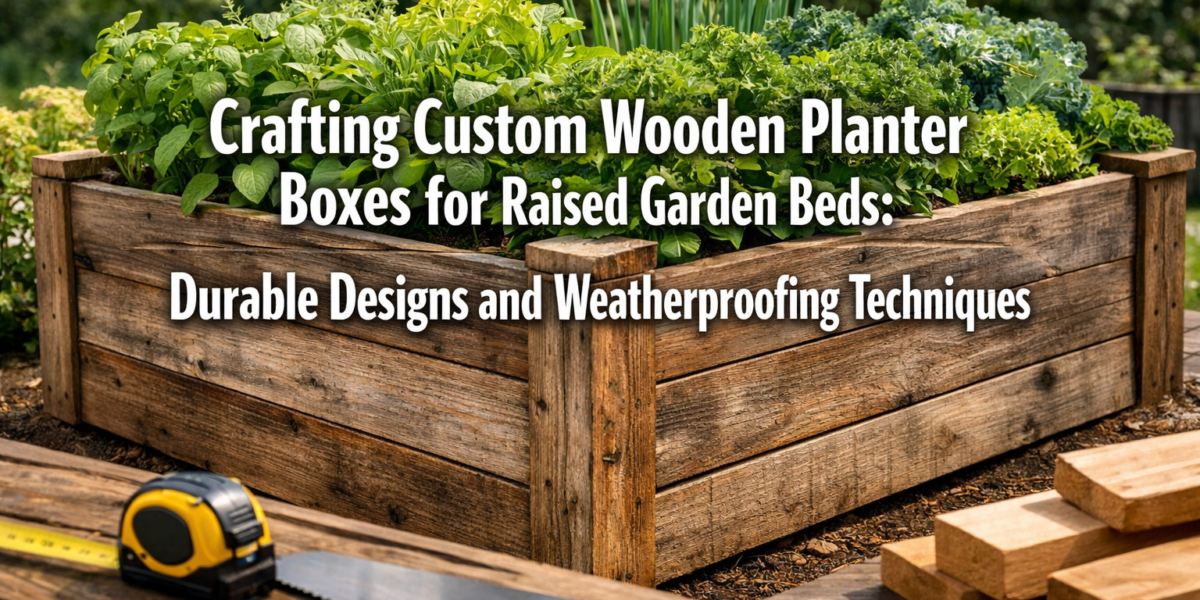
The average lifespan of untreated wood in an outdoor, soil-contact environment can be as little as 3-5 years, often succumbing to rot and pests long before gardeners fully realize their vision. This stark reality underscores the critical importance of thoughtful material selection, superior construction, and advanced weatherproofing when [Crafting Custom Wooden Planter Boxes for Raised Garden Beds: Durable Designs and Weatherproofing Techniques]. For those committed to creating long-lasting, thriving garden spaces, understanding how to engineer resilience into every joint and surface is paramount in 2026. This article delves into the essential methods for building planter boxes that not only look fantastic but also stand the test of time and elements.
Key Takeaways
- Wood Selection is Crucial: Choose naturally rot-resistant woods like cedar, redwood, or black locust for maximum durability in outdoor conditions. Avoid pressure-treated wood directly touching edibles.
- Durable Joinery Enhances Longevity: Employ robust joinery techniques such as mortise and tenon, dadoes, or half-lap joints, reinforced with stainless steel or galvanized fasteners, to prevent structural failure.
- Comprehensive Weatherproofing is Essential: Apply multiple layers of non-toxic, food-safe sealants, oils, or waxes to all wood surfaces, especially those in contact with soil, to repel water and deter pests.
- Lining and Drainage are Key: Install a non-toxic, heavy-duty liner and ensure adequate drainage to manage moisture levels and protect the wood from constant dampness.
- Proper Maintenance Extends Life: Regular inspection and reapplication of protective finishes are vital for maintaining the integrity and appearance of your wooden planter boxes over many seasons.
Wood Selection: The Foundation of Durable Planter Boxes
Choosing the right wood is the single most important decision when [Crafting Custom Wooden Planter Boxes for Raised Garden Beds: Durable Designs and Weatherproofing Techniques]. The wood’s inherent resistance to rot, insects, and moisture will dictate the longevity of your planter box. While aesthetic appeal is a consideration, durability must take precedence for a structure exposed to continuous moisture and soil contact.
Naturally Rot-Resistant Woods
Several wood species possess natural compounds that make them highly resistant to decay and insect infestation. These are generally the best choices for raised garden beds:
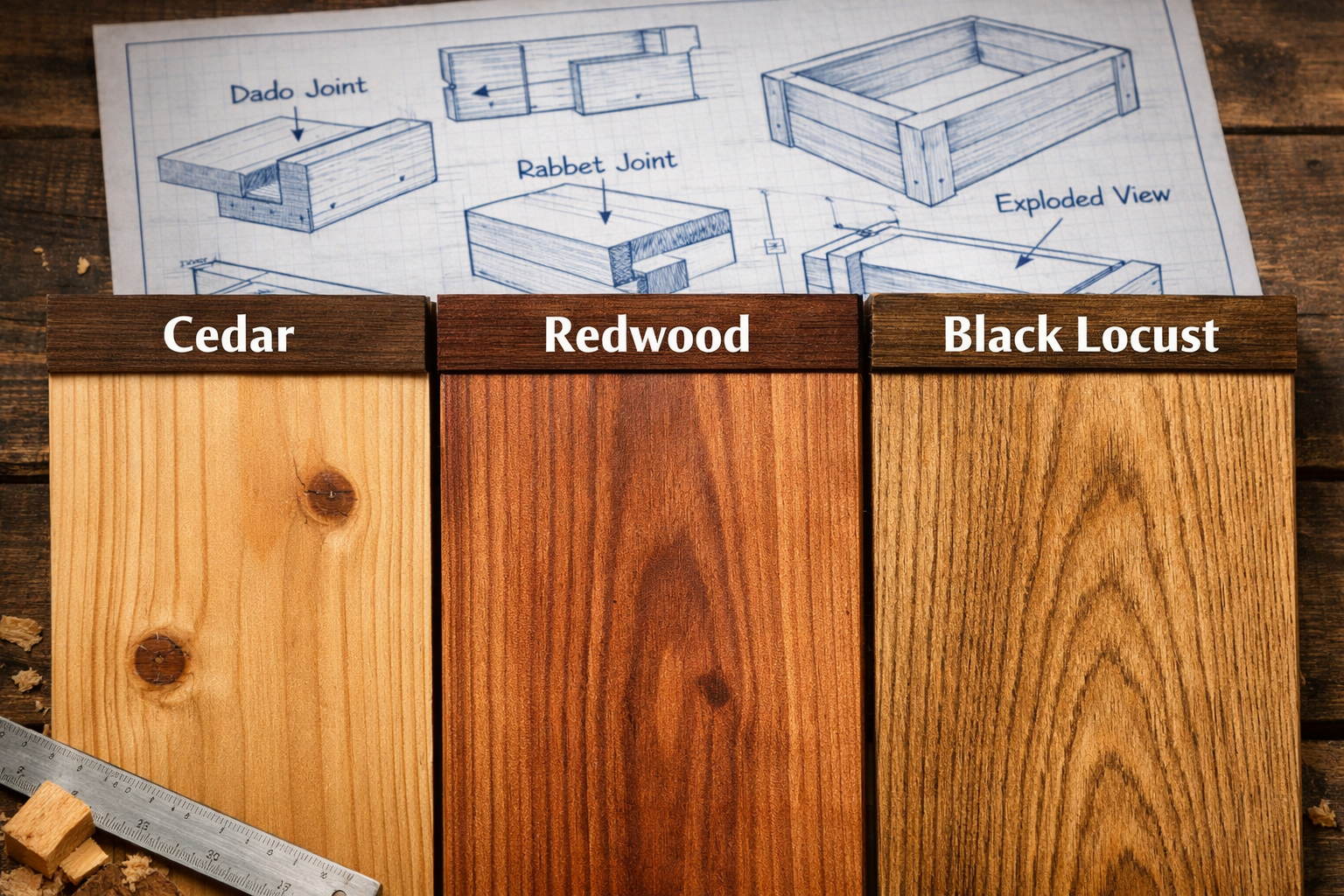
- Cedar (Western Red Cedar, Eastern Red Cedar): Widely popular for its excellent rot resistance, beautiful appearance, and pleasant aroma. Western Red Cedar is particularly favored due to its stability and availability. It’s naturally resistant to decay and insects without chemical treatment.
- Redwood: Another premium choice known for its exceptional durability and attractive reddish hue. Redwood contains natural tannins that deter insects and fungi. It’s often more expensive and less widely available than cedar.
- Cypress: A durable softwood that grows in wet environments, making it naturally resistant to moisture and decay. Bald Cypress is a common variety.
- Black Locust: An incredibly dense and durable hardwood, often considered superior to cedar or redwood in terms of rot resistance. It’s an excellent, sustainable choice, though it can be harder to work with due to its density.
- White Oak: A dense hardwood with closed cellular structures that resist water penetration, making it naturally rot-resistant. However, it can be expensive and challenging to work.
Woods to Use with Caution or Avoid
- Pressure-Treated Wood (ACQ, MCA): While highly rot-resistant, traditional pressure-treated lumber used chemicals like Chromated Copper Arsenate (CCA). Modern alternatives (ACQ – Alkaline Copper Quat, MCA – Micronized Copper Azole) are considered safer for general outdoor use. However, there are still ongoing debates regarding the leaching of copper and other compounds into the soil, especially for growing edible plants. If using pressure-treated wood, consider lining the interior extensively and ensure it’s not in direct contact with the growing medium. Always check local regulations and safety guidelines.
- Pallet Wood: While appealing for its reclaimed nature, pallet wood’s origin is often unknown. Some pallets are treated with harsh chemicals (look for “MB” for Methyl Bromide treatment, which should be avoided), while others may have carried hazardous materials. Only use pallets marked “HT” (Heat Treated) and ensure they are clean and free of spills before considering them, even then, consider the source carefully. For sustainable wood sourcing, explore options beyond simple reclaimed pallets. Sustainable Wood Sourcing for the Modern Woodworker: Beyond Reclaimed provides more insight.
- Untreated Softwoods (Pine, Fir, Spruce): These woods are inexpensive and easy to work with but have very poor natural rot resistance. They will quickly decay when exposed to soil and moisture unless extensively treated and sealed, making them generally unsuitable for long-term planter box construction.
Durable Joinery and Construction Techniques
Once you’ve selected your wood, the next step in [Crafting Custom Wooden Planter Boxes for Raised Garden Beds: Durable Designs and Weatherproofing Techniques] is ensuring the structural integrity through proper joinery and construction. Weak joints are often the first point of failure in outdoor wooden structures.
Essential Joinery for Longevity
For planter boxes, joinery needs to withstand the outward pressure of soil, the expansion and contraction of wood due to moisture and temperature changes, and the general wear and tear of outdoor life.
- Half-Lap Joints: Excellent for corners, these joints provide a large gluing surface and mechanical strength. Two pieces of wood are notched to half their thickness, allowing them to overlap and create a flush joint. This minimizes exposed end grain.
- Dadoes and Rabbets: Ideal for connecting the bottom panel to the sides. A dado is a groove cut across the grain, while a rabbet is a groove cut along the edge. These joints increase surface area for glue and fasteners, preventing the bottom from falling out under the weight of soil.
- Mortise and Tenon Joints: While more advanced, mortise and tenon joints offer superior strength and durability, especially for larger, freestanding raised beds. This method involves cutting a “tenon” (projection) on one piece of wood that fits precisely into a “mortise” (hole) on another. For more on advanced joinery, refer to Hand Tool Joinery for Visible Wood Joints: Dovetails, Mortis.
- Butt Joints with Reinforcement: While simple butt joints (two pieces of wood joined end-to-end or edge-to-edge) are common, they require significant reinforcement for durability. Use corner braces, mending plates, or internal blocking for added strength.
Fasteners and Adhesives
- Stainless Steel Fasteners: Crucial for outdoor projects. Galvanized screws or nails are an acceptable, more economical alternative, but stainless steel offers superior corrosion resistance, preventing unsightly rust streaks and ensuring the fasteners don’t degrade over time.
- Exterior-Grade Wood Glue: Use waterproof wood glue (e.g., Titebond III) in addition to fasteners for maximum joint strength. Apply generously to mating surfaces.
- Corner Brackets/Hardware: For added reinforcement, especially in larger boxes, consider using galvanized or stainless steel corner brackets.
Drainage Considerations
Proper drainage is non-negotiable for both plant health and wood longevity.
- Drainage Holes: Drill several 1/2-inch to 1-inch drainage holes in the bottom panel, spaced every 6-8 inches.
- Drainage Layer: Place a 1-2 inch layer of coarse gravel or broken pottery at the bottom of the planter before adding soil. This prevents soil from clogging the drainage holes and allows excess water to escape.
- Elevated Design: Consider adding feet or a base to lift the planter box off the ground. This prevents direct contact with constantly wet surfaces, improves air circulation, and further extends the life of the bottom planks.
Weatherproofing Techniques for Long-Lasting Protection
Even naturally rot-resistant woods benefit immensely from effective weatherproofing. This section on [Crafting Custom Wooden Planter Boxes for Raised Garden Beds: Durable Designs and Weatherproofing Techniques] focuses on methods to seal and protect your wood from moisture, UV radiation, and biological degradation.
Non-Toxic Sealants and Finishes
For edible gardens, using non-toxic and food-safe finishes is paramount.
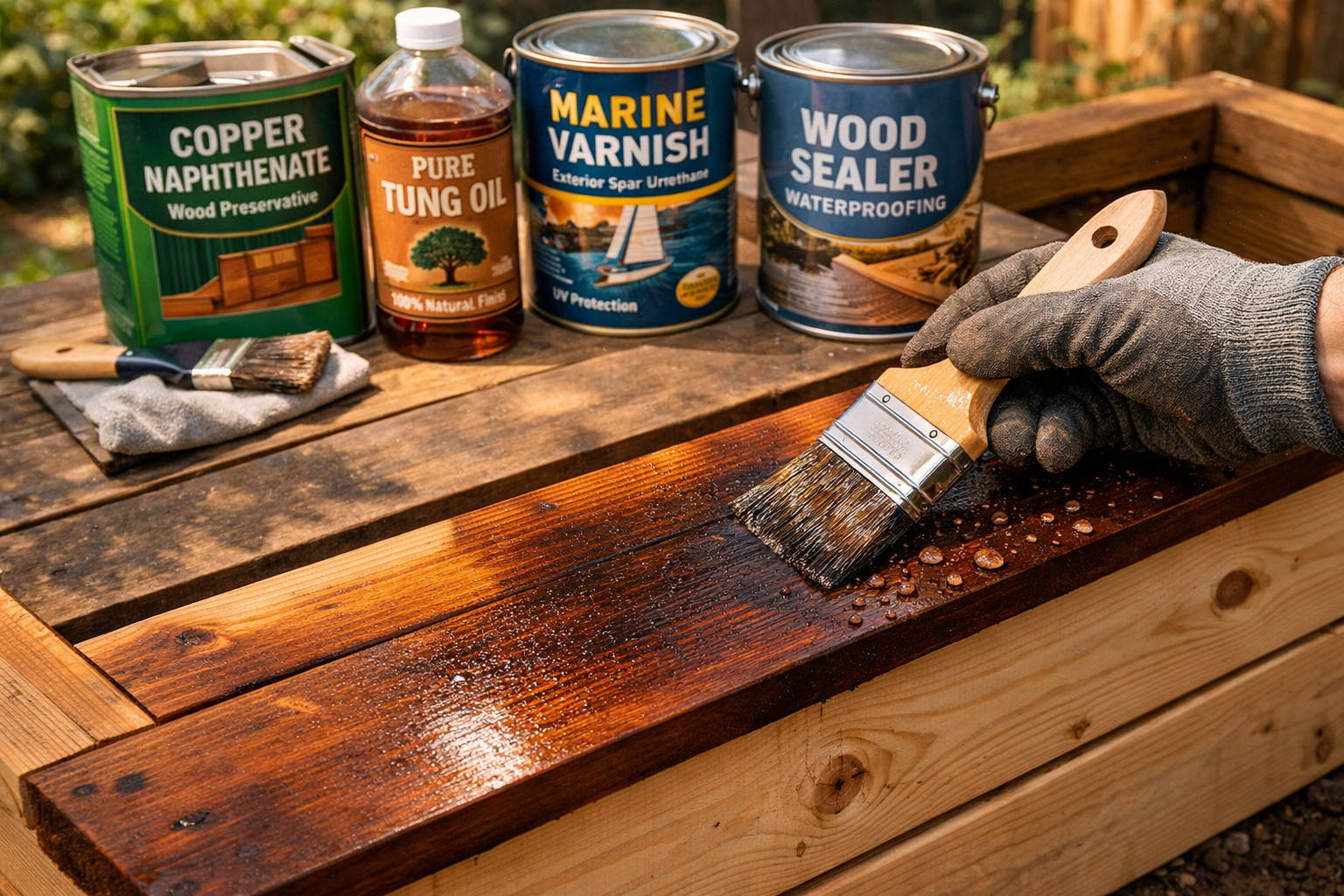
- Linseed Oil (Boiled or Raw) / Tung Oil: These natural oils penetrate the wood fibers, hardening and creating a water-resistant barrier. Raw linseed oil takes longer to cure but is very natural. Boiled linseed oil (BLO) contains metallic dryers to speed up curing. Pure tung oil is often preferred for its food-safe nature once cured. Reapply annually. You can find more details on oil finishes here: Danish Oil vs Linseed: The Ultimate Wood Finishing Guide.
- Marine Varnish (Spar Urethane): While highly durable and UV resistant, standard marine varnishes might not be considered food-safe for direct contact with soil. If used, ensure interior surfaces are thoroughly lined to prevent contact.
- Non-Toxic Wood Sealers: Look for sealers specifically labeled as “food-safe” or “eco-friendly” for garden applications. These often use plant-based resins or mineral pigments.
- Exterior Wood Stains with Sealer: A high-quality exterior stain designed for decks or fences can offer both color and protection. Ensure it’s explicitly stated as safe for gardening contexts if used on the interior.
Application Best Practices
- Clean and Dry Wood: Ensure the wood is clean, dry, and free of dust or debris before applying any finish. Sanding to 150-220 grit will help the finish penetrate evenly.
- Multiple Coats: Apply at least 2-3 coats of your chosen finish, allowing adequate drying time between each. For oils, multiple thin coats are better than one thick coat.
- End Grain Protection: End grain absorbs moisture far more readily than face grain. Apply extra coats of sealant to all end grain surfaces.
- Interior vs. Exterior: Treat both the interior and exterior of the planter box. The interior, especially surfaces in contact with soil, requires robust protection.
Planter Box Liners
Even with excellent weatherproofing, adding a liner provides an extra layer of protection and isolates the wood from constant dampness.
- Heavy-Duty Pond Liner (EPDM): This non-toxic, durable rubber material is excellent for lining planter boxes. It’s flexible, waterproof, and safe for edible plants. Cut it to size, leaving enough excess to fold over the top edges of the planter for a neat finish. Staple it in place.
- Landscape Fabric: While it allows water to drain, it won’t fully protect the wood from moisture. It’s more suitable for preventing soil erosion through drainage holes than for comprehensive wood protection.
- Avoid Plastic Sheeting (Thin): Thin plastic sheets can tear easily, trapping water between the plastic and the wood, which can accelerate rot.
Maintenance and Long-Term Care in 2026
Even with the best initial construction, ongoing maintenance is crucial for ensuring your custom wooden planter boxes last for many growing seasons. This section emphasizes the long-term commitment required after [Crafting Custom Wooden Planter Boxes for Raised Garden Beds: Durable Designs and Weatherproofing Techniques].
Annual Inspection and Re-application
- Spring Check-up: Each spring, before planting, thoroughly inspect your planter boxes. Look for signs of wear, cracking, peeling finish, or any soft spots in the wood.
- Cleaning: Clean the exterior surfaces with a mild soap and water solution, scrubbing away any algae or dirt buildup. Rinse thoroughly and allow to dry completely.
- Re-finish: Depending on the type of finish used, reapply a fresh coat every 1-3 years. Oils might need annual reapplication, while some sealers might last longer. Follow the manufacturer’s recommendations.
Addressing Damage
- Minor Cracks/Splits: Fill small cracks with an exterior-grade wood filler. Once cured, sand smooth and reapply your chosen finish.
- Rotting Sections: For localized rot, carefully cut out the affected wood and replace it with new, treated wood. Ensure the new piece is properly sealed and joined.
- Loose Fasteners: Tighten any loose screws or nails. If a fastener is corroded or stripped, replace it with a new stainless steel fastener.
Winterization Tips
- Empty and Clean (Optional): If your boxes are small enough or if you’re not growing overwintering plants, consider emptying the soil, cleaning the interior, and storing the boxes in a shed or garage.
- Covering: For larger, permanent raised beds, consider covering them with a tarp or plastic sheeting during the harshest winter months. This protects the wood from excessive moisture and freeze-thaw cycles. Ensure there’s still some air circulation to prevent mold.
- Reduce Moisture: Avoid letting water pool in the boxes during winter. Good drainage is critical year-round.
Conclusion
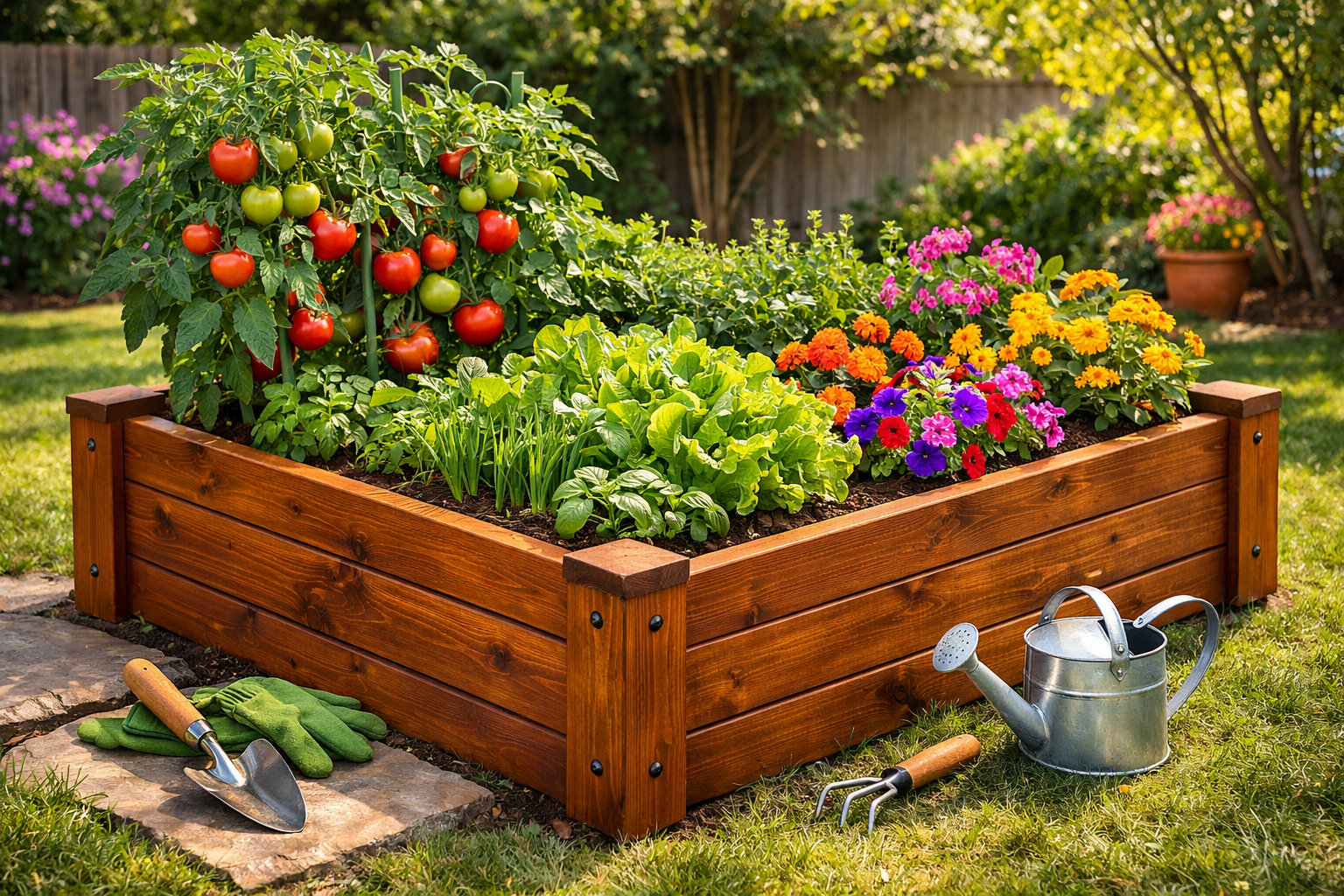
[Crafting Custom Wooden Planter Boxes for Raised Garden Beds: Durable Designs and Weatherproofing Techniques] is a rewarding endeavor that significantly enhances any garden space. By making informed choices about wood selection, employing robust joinery, and diligently applying weatherproofing, you can create raised garden beds that are not only beautiful but also incredibly durable. Remember, the investment in quality materials and proper construction pays dividends in years of productive gardening and a minimized need for repairs or replacements. With a little ongoing care, your wooden planter boxes will provide a flourishing home for your plants for many seasons to come in 2026 and beyond.
Start planning your next durable raised bed today, focusing on these principles of longevity and resilience.