
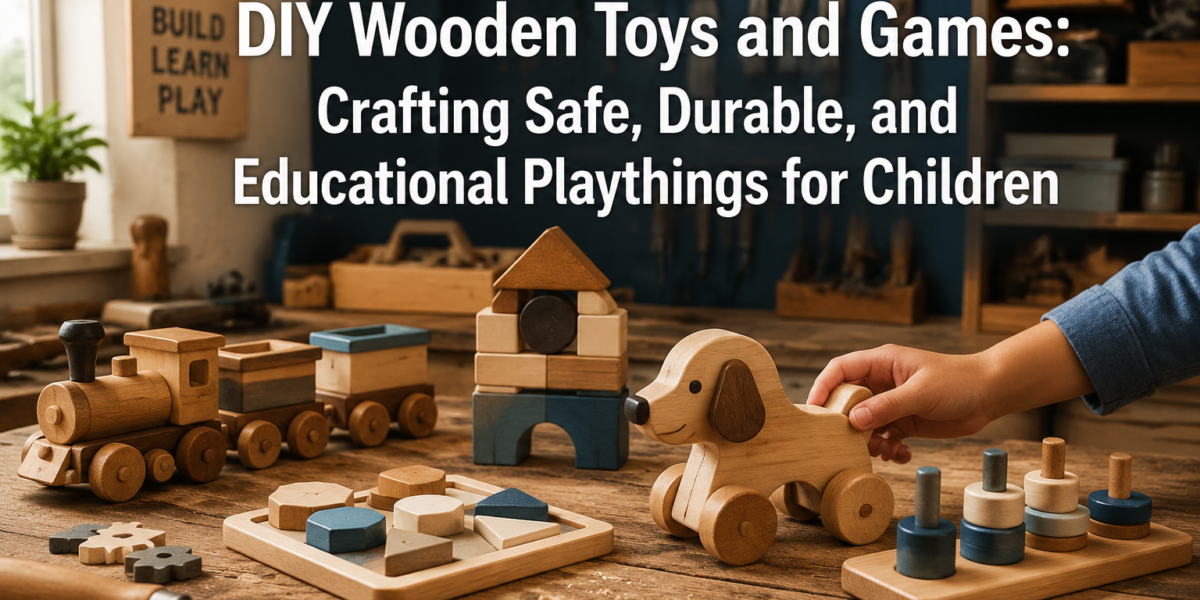
The average child in 2026 possesses a toy collection dominated by plastic, often fleeting in its appeal and environmental footprint. Yet, a growing number of parents and crafters are rediscovering the enduring charm and tangible benefits of handcrafted playthings, leading to a resurgence in DIY Wooden Toys and Games: Crafting Safe, Durable, and Educational Playthings for Children. This movement isn’t just about nostalgia; it’s a conscious choice to provide children with safer, more engaging, and environmentally responsible alternatives that foster creativity and last for generations.
Key Takeaways
- Safety First: Prioritize non-toxic materials, smooth finishes, and robust joinery to ensure toys are safe for children of all ages.
- Durability & Longevity: Wooden toys, when crafted correctly, are inherently durable and can withstand years of play, becoming cherished heirlooms.
- Educational Value: Simple wooden toys and games encourage open-ended, imaginative play, helping children develop cognitive and motor skills.
- Eco-Friendly Choice: Crafting wooden toys reduces reliance on plastic, offering a sustainable option that teaches children about natural materials.
- Rewarding Craft: DIY wooden toy making is a fulfilling hobby that combines practical woodworking skills with the joy of creating for loved ones.
The Enduring Appeal of DIY Wooden Toys and Games
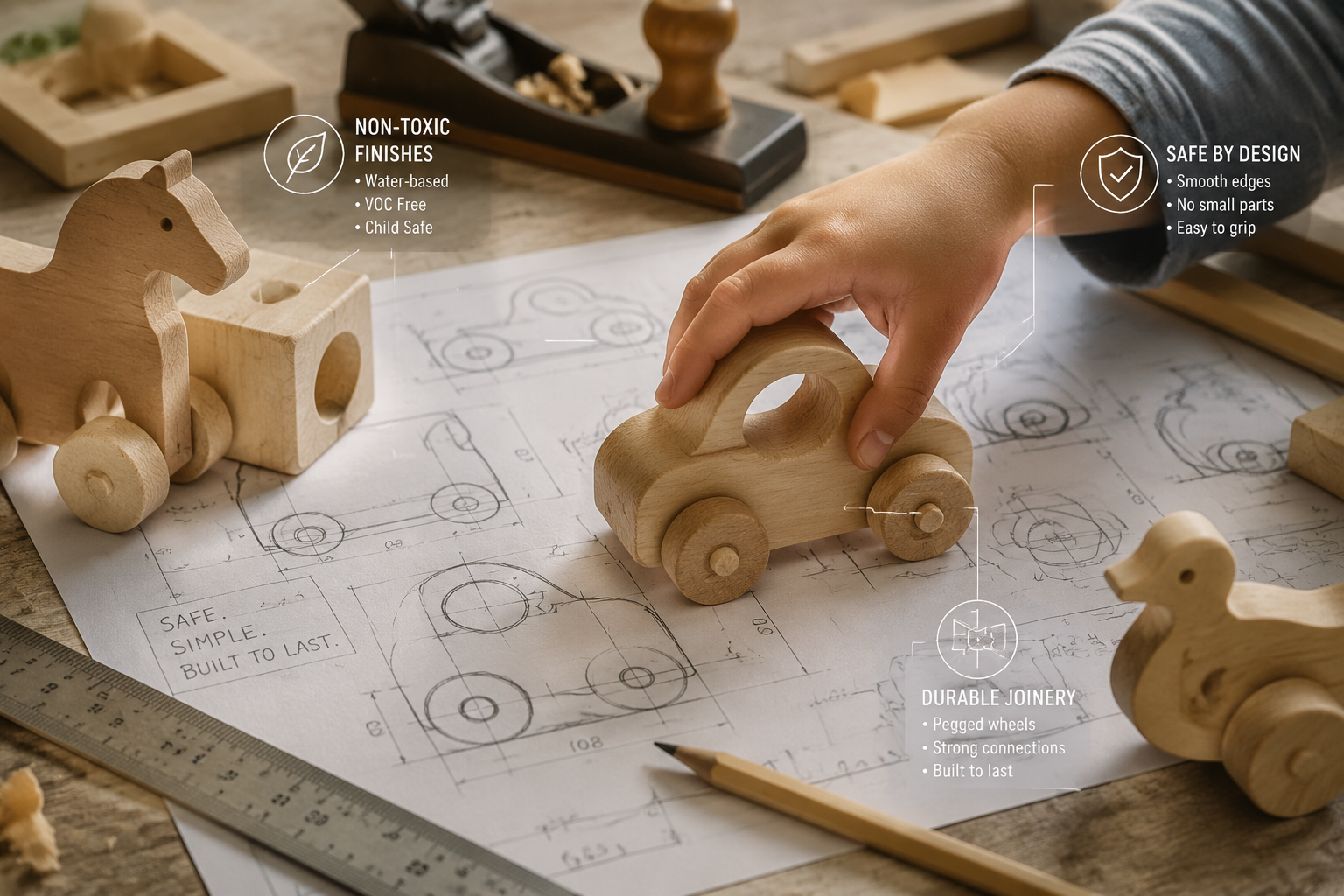 There’s a compelling reason why wooden toys have never truly gone out of style, despite the proliferation of high-tech gadgets and plastic alternatives. Their tactile nature, natural aesthetic, and inherent durability offer a unique play experience. When you embark on DIY Wooden Toys and Games: Crafting Safe, Durable, and Educational Playthings for Children, you’re not just making an object; you’re creating an heirloom, a piece of art that invites interaction and withstands the rigors of childhood.
Why Choose Wood for Children’s Playthings?
- Natural and Non-Toxic: Unlike many plastic toys, wood is a natural material. With the right finishes, wooden toys can be completely free from harmful chemicals. Selecting hardwoods like maple, cherry, or birch is often recommended due to their strength and tight grain, which makes them less likely to splinter.
- Durability and Longevity: Wooden toys are incredibly robust. They can endure drops, tumbles, and countless hours of play without breaking, making them a sustainable choice that can be passed down through generations. This durability also means less waste.
- Sensory Engagement: The weight, texture, and even the subtle scent of wood engage a child’s senses in a way plastic cannot. This sensory input is crucial for early development.
- Encourages Imaginative Play: Often simpler in design, wooden toys encourage children to use their imagination, creating their own stories and scenarios rather than being dictated by a toy’s pre-programmed functions. A simple block can be a car, a house, or a character in an unfolding drama.
- Environmental Responsibility: Choosing to craft wooden toys from sustainably sourced timber or even reclaimed wood is an environmentally conscious decision. This reduces reliance on fossil fuel-derived plastics and supports responsible forestry. For insights into working with reclaimed materials, explore topics like Reclaimed Wood Restoration: Adding Narrative and Soul to Modern Spaces.
Essential Design Principles for Safe Wooden Toys
Safety is paramount when crafting playthings for children. Every design choice, from the wood selection to the final finish, must prioritize the child’s well-being.
- No Small Parts: For children under three, avoid any parts that could pose a choking hazard. This means no loose pegs, beads, or small components that can detach. A good rule of thumb is that if a part fits into a toilet paper roll, it’s too small for infants and toddlers.
- Smooth Edges and Surfaces: Sanding is critical. All edges and surfaces must be meticulously sanded until perfectly smooth to prevent splinters or cuts. Progress through various sandpaper grits, from coarse to very fine (e.g., 80, 120, 220, 320, 400 grit).
- Durable Joinery: Joints must be incredibly strong and secure. Avoid using small nails or staples that can come loose. Opt for robust joinery techniques like dowels, mortise and tenon, or strong, non-toxic wood glue with clamping. For more advanced techniques, consider articles on Mastering Dovetail Joints with Hand Tools: A Step-by-Step Guide for Flawless Wood Joinery.
- Non-Toxic Finishes: This is non-negotiable. Only use food-safe, non-toxic finishes such as beeswax, mineral oil, tung oil, or specific child-safe paints and sealants. Always check product labels for certification.
- Appropriate Weight and Size: Toys should be easy for a child to handle. Too heavy, and they become difficult to play with; too light, and they might lack sensory satisfaction. Size should also be proportional to the child’s age group.
Materials, Tools, and Techniques for DIY Wooden Toys and Games
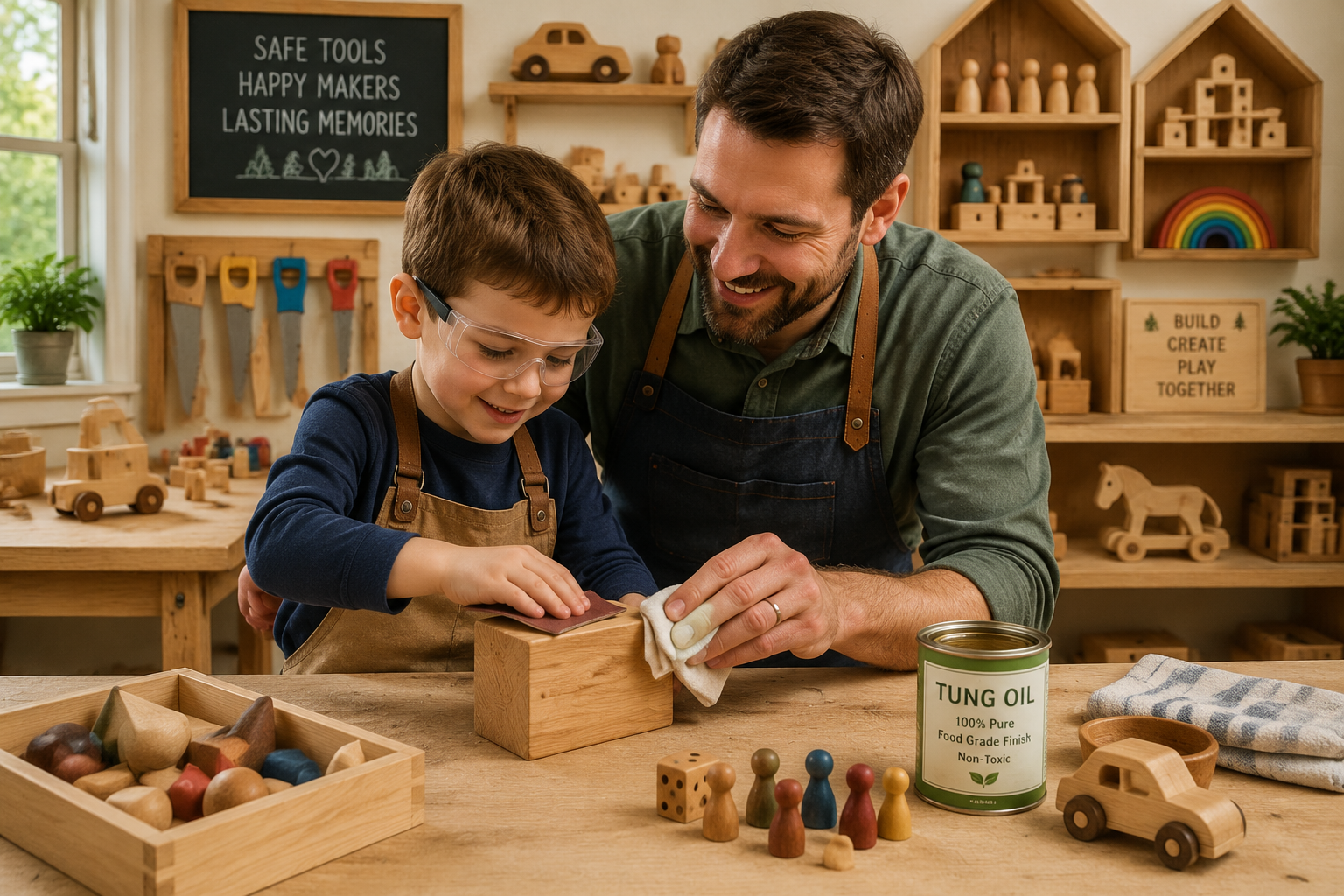 Embarking on the journey of DIY Wooden Toys and Games: Crafting Safe, Durable, and Educational Playthings for Children requires careful consideration of materials, appropriate tools, and fundamental woodworking techniques. Even beginners can achieve beautiful results with a basic setup and a commitment to safety.
Selecting the Right Wood
The type of wood you choose significantly impacts the toy’s safety, durability, and aesthetic.
| Wood Type | Characteristics | Best For | Considerations |
|---|---|---|---|
| Maple | Hard, dense, fine grain, light color, very durable | Blocks, trains, teethers, stacking toys | Excellent for durability, takes finishes well |
| Birch | Fine, uniform grain, light color, good strength | Puzzles, small figures, simple vehicles | Easy to work with, less prone to splintering |
| Cherry | Medium hard, beautiful reddish-brown, ages well | Decorative toys, small furniture | Adds a touch of elegance, slightly more expensive |
| Poplar | Soft, light color, affordable | Larger, less intricate pieces, practice wood | Can dent easily, but good for learning |
Avoid using pressure-treated wood, MDF, or particleboard due to their chemical content and potential for harmful dust. Always source wood from reputable suppliers and consider sustainable options. Understanding Understanding Wood Movement: How to Design and Build Furniture That Lasts Through Seasonal Changes can also be beneficial, even for small projects, to prevent future warping.
Essential Tools for Toy Making
You don’t need a professional workshop to start. Many beautiful toys can be made with hand tools, though power tools can speed up the process.
Hand Tools:
- Hand Saw: For basic cuts. A Beginner’s Guide to Japanese Hand Saws: Precision Cuts and Essential Techniques for Fine Woodworking can be very helpful.
- Chisels: For shaping and detail work.
- Files and Rasps: For initial shaping and smoothing curves.
- Sandpaper: A variety of grits (80-400) for smooth finishes.
- Clamps: Essential for securing pieces during gluing.
- Wood Mallet: For tapping joints or chisels.
- Measuring Tape, Ruler, Pencil: For accurate marking.
Power Tools (Optional, but recommended for efficiency):
- Jigsaw or Bandsaw: For cutting curves and intricate shapes.
- Drill Press or Hand Drill: For precise holes for dowels or axles.
- Orbital Sander: Speeds up sanding significantly.
- Router: For decorative edges or grooves. Learn more about Mastering the Router Table: Essential Jigs, Safety, and Advanced Techniques for Precision Joinery and Edges.
- Wood Lathe: For turning rounded shapes like wheels, dowels, or toy figures. An Introduction to Wood Turning for Beginners: Mastering Basic Lathe Operations and Simple Bowl Projects is an excellent starting point.
Woodworking Techniques for Toy Safety and Durability
- Accurate Cutting: Precision is key. Use straight edges and careful measurements to ensure components fit snugly.
- Robust Joinery:
- Dowels: Excellent for securing pieces. Ensure dowels are fully seated and glued.
- Mortise and Tenon: A strong, traditional joint perfect for toy construction.
- Wood Glue: Use high-quality, non-toxic wood glue. Apply evenly and clamp securely until fully dry.
- Thorough Sanding: This cannot be overstressed. Start with coarser grits to remove saw marks and shape, then progressively move to finer grits (220, 320, 400) for a silky-smooth finish. “Break” all sharp edges with sandpaper to create a slight round-over, which is safer and feels better to the touch.
- Non-Toxic Finishing: After sanding, apply a child-safe finish.
- Mineral Oil: Food-grade mineral oil is excellent for teething toys and items that might go in a child’s mouth. It’s safe, penetrates the wood, and enhances its natural beauty. Reapply periodically.
- Beeswax/Carnauba Wax: Can be applied over mineral oil or directly to wood for a durable, protective, and non-toxic finish.
- Shellac: A natural resin, food-safe when de-waxed and alcohol-based. Provides a clear, durable coating.
- Water-Based, Non-Toxic Paints/Sealants: If coloring is desired, ensure paints and sealants are specifically labeled as child-safe or food-safe.
Popular DIY Wooden Toy and Game Projects
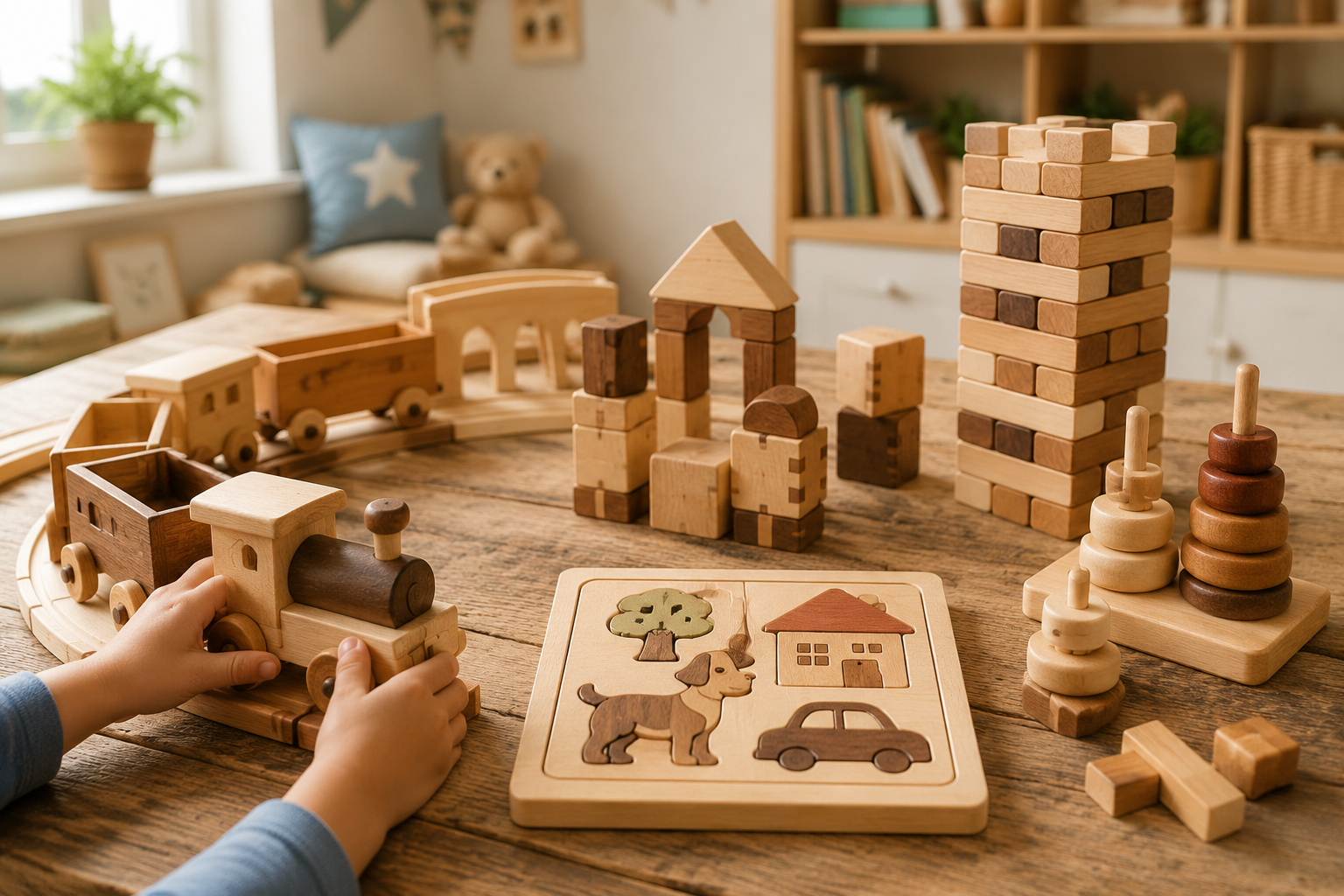 The beauty of DIY Wooden Toys and Games: Crafting Safe, Durable, and Educational Playthings for Children lies in the endless possibilities. From simple blocks to intricate puzzles, there’s a project for every skill level that promises to spark joy and learning.
Projects for Beginners
Even with minimal tools, you can create delightful and safe toys.
- Wooden Blocks: The quintessential toy. Cut various shapes and sizes (cubes, rectangles, triangles, cylinders) from hardwood scraps. Sand meticulously and apply a food-safe finish. Blocks are fantastic for developing motor skills, creativity, and spatial reasoning.
- Push-Along Animals/Vehicles: Simple designs cut from a single piece of wood, often with dowel axles and wooden wheels. Think of a simple car, a snail, or a bear on wheels.
- Wooden Teethers: For infants, small, smooth, solid wood rings or shapes are perfect. Ensure no small parts and use only food-safe wood (maple is excellent) and mineral oil finish.
- Stacking Rings/Pegs: Turn a dowel or use a small block as a base with a central peg. Craft several rings that fit over the peg. This helps with hand-eye coordination and size differentiation.
Intermediate Projects
As your skills grow, you can tackle slightly more complex designs.
- Wooden Train Sets: This involves cutting multiple train cars, wheels, and track pieces. You can use magnets or hook-and-eye closures to connect cars. This project often requires more precise cutting and drilling for axles.
- Simple Puzzles: Cut an image or shape into 2-5 larger pieces from a single board. A classic might be a wooden animal cut into jigsaw-like pieces. For a deeper dive into intricate wooden creations, consider Crafting Custom Wooden Gifts for the Holiday Season: Profitable Projects with Minimal Tools, which can inspire complex puzzle designs.
- Board Games: Craft simple game boards like tic-tac-toe, checkers, or even a labyrinth game where a marble is guided through a maze. Create wooden playing pieces or tokens.
- Dollhouses/Garages: These can range from simple open-ended structures to multi-room designs. Focus on sturdy construction and smooth interiors.
Advanced Projects
For experienced woodworkers, the sky’s the limit.
- Intricate Model Vehicles: Detailed cars, trucks, airplanes, or even boats with moving parts, carved details, and precise joinery.
- Marble Runs: Designing and building a complex system of ramps, channels, and drops for marbles to travel through. This demands careful planning and precision cutting.
- Puppet Theaters or Kitchenettes: Larger, multi-component projects that create immersive play environments. These can involve cabinets, hinged doors, and more complex assemblies.
- Wooden Musical Instruments: Crafting simple xylophones, shakers, or whistles from different types of wood to explore sound.
No matter the project, remember to always prioritize safety in your design and construction. Regularly inspect finished toys for any signs of wear, loose parts, or splinters, and repair as needed. The joy of giving a handcrafted wooden toy, knowing it’s safe, durable, and fosters imagination, is immeasurable. For broader woodworking inspiration and tool mastery, check out Wood Craft Wiz.
Conclusion
The act of crafting DIY Wooden Toys and Games: Crafting Safe, Durable, and Educational Playthings for Children is more than just a hobby; it’s an investment in a child’s development, a sustainable practice, and a deeply rewarding creative endeavor. In an age of disposable plastic and fleeting digital entertainment, handcrafted wooden toys offer a timeless antidote. They invite children to engage with the natural world, stimulate their imaginations, and foster a deeper, more meaningful connection to their playthings.
By prioritizing safety through careful wood selection, robust joinery, and non-toxic finishes, you ensure that your creations are not only beautiful but also harmless. The durability inherent in wood means these toys aren’t just for today; they are future heirlooms, ready to be passed down and cherished for generations. Whether you are a beginner crafting simple blocks or an experienced woodworker tackling an elaborate train set, the journey of making wooden toys for children is rich with learning and satisfaction.
Actionable Next Steps:
- Start Small: Begin with a simple project like wooden blocks or a push-along animal to build confidence and refine your techniques.
- Gather Materials: Invest in good quality, child-safe hardwoods and non-toxic finishes. Consider visiting local lumberyards or seeking out sustainably sourced wood.
- Prioritize Safety Gear: Always use appropriate safety equipment (eye protection, dust mask) when woodworking.
- Research and Learn: Explore additional resources on woodworking techniques, child-safe finishes, and toy design principles. The more you learn, the better and safer your creations will be.
- Enjoy the Process: Relish the satisfaction of turning raw wood into something truly special for the children in your life.