
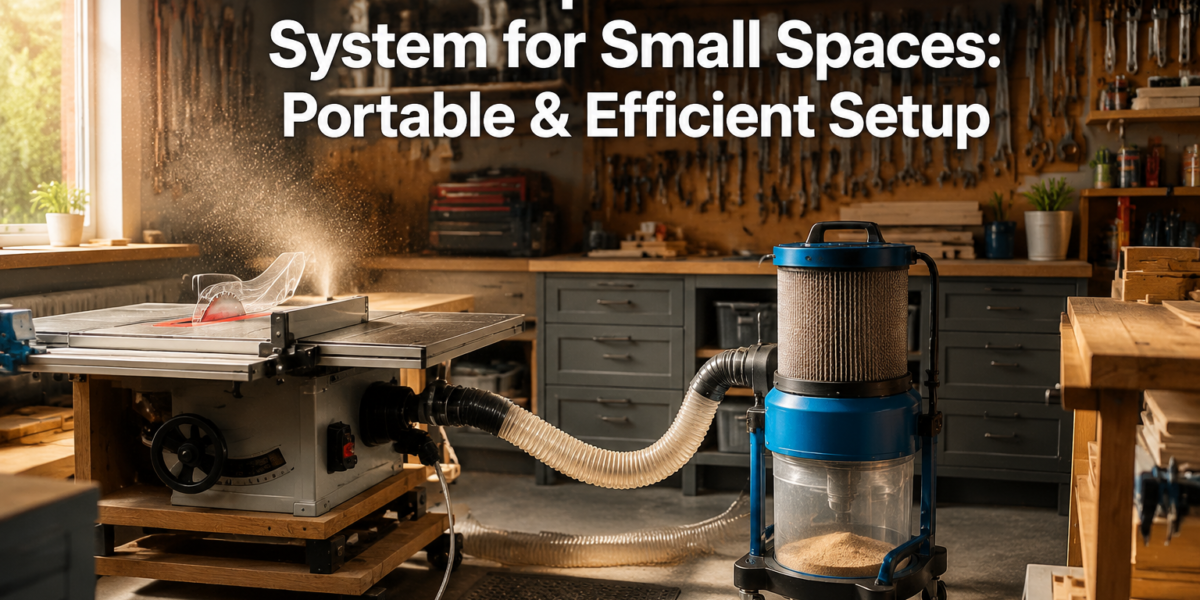
Wood dust, often overlooked, presents a significant health hazard, with particles as small as 5 microns capable of penetrating deep into the lungs. In small workshops, where ventilation can be limited and tools are often used in close quarters, the risk is amplified. Crafting a dedicated DIY Workshop Dust Collection System for Small Spaces: Building a Portable and Efficient Setup is not merely a convenience; it is a critical investment in long-term health and the cleanliness of your workspace. This article will guide you through designing and constructing a compact, portable, and highly effective dust collection solution tailored specifically for the unique demands of limited workshop areas, ensuring efficient chip and fine dust extraction.
Key Takeaways
- Small workshops require specialized, portable dust collection systems for effective hazard mitigation.
- A two-stage system (cyclone separator + fine filter) is crucial for separating large chips from fine dust, protecting the main filter.
- Portability features like heavy-duty casters and compact design are essential for multi-tool use in limited spaces.
- Proper ducting, hose management, and tool-specific connections significantly enhance collection efficiency.
- Regular maintenance, including filter cleaning and dust bin emptying, is vital for sustained performance and air quality.
Designing Your Portable Two-Stage Dust Collection System
A truly efficient DIY Workshop Dust Collection System for Small Spaces: Building a Portable and Efficient Setup begins with a thoughtful design, particularly focusing on a two-stage approach. This design separates coarse wood chips from fine dust before the air reaches the main filter, vastly extending filter life and maintaining suction power.
Components of a Two-Stage System
The core of a two-stage system typically involves:
- First Stage: Cyclone Separator: This unit uses centrifugal force to separate larger chips and heavier dust particles from the air stream, dropping them into a collection drum below. This keeps the vast majority of debris away from the main filter.
- Second Stage: Main Dust Collector/Vacuum Unit: This is the heart of the system, providing the suction. It houses a motor, impeller, and a fine particulate filter (e.g., HEPA, canister filter, or high-efficiency bag filter) to capture the remaining fine dust.
- Collection Drum: A sealed drum (often a 30-55 gallon metal or plastic barrel) sits beneath the cyclone to collect the bulk of the chips.
- Ducting and Hoses: Flexible and rigid pipes connect the system to various tools.
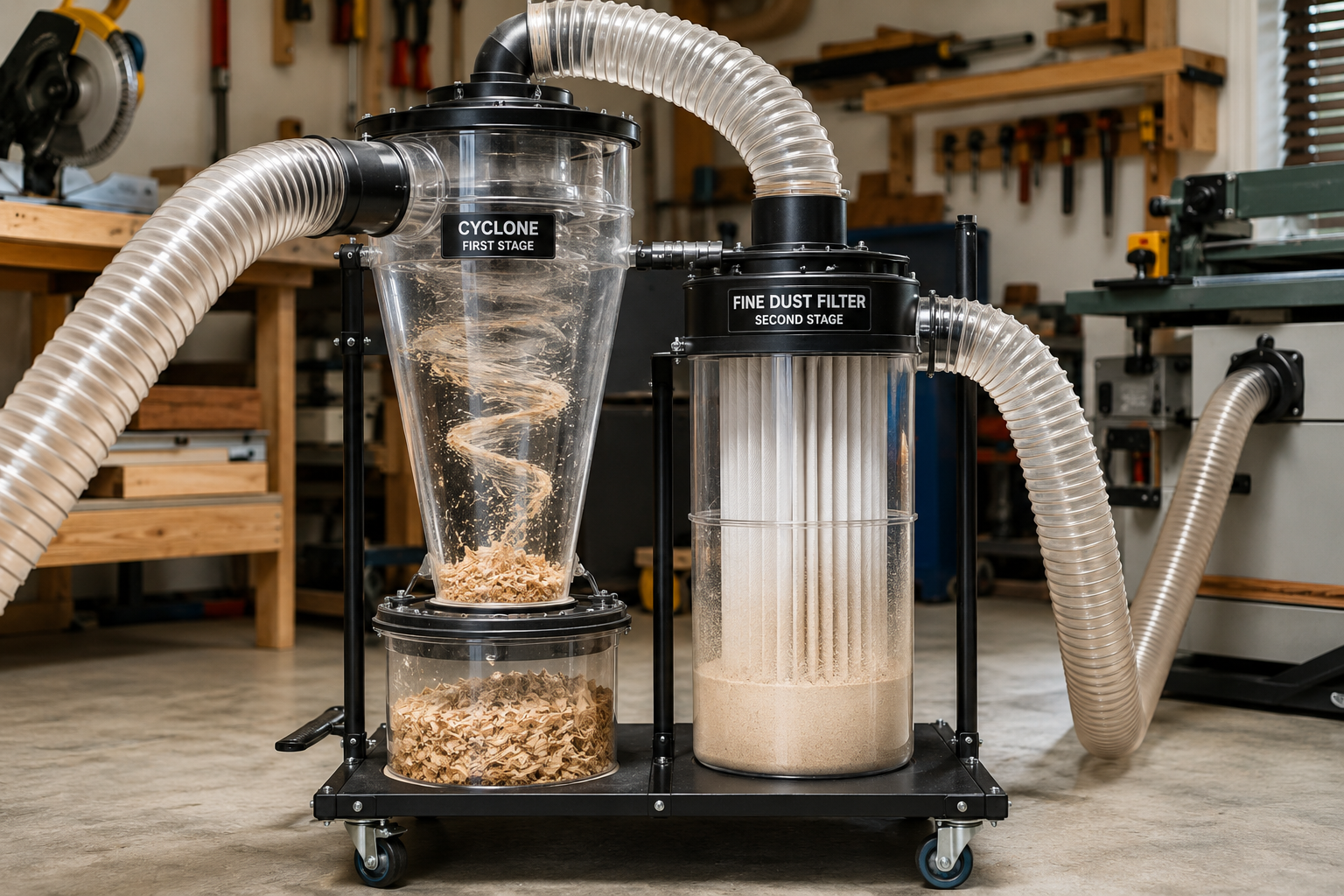
For small spaces, the challenge is integrating these components into a compact, movable unit. This means selecting appropriately sized components and designing a trolley or cart that can house everything efficiently.
Choosing the Right Dust Collector Unit
The suction power of your main dust collector is paramount. For a small workshop, a unit providing 650-1000 CFM (Cubic Feet per Minute) is often sufficient for individual tools like table saws, planers, and jointers. Consider units with a 1.5 HP motor for adequate performance.
Factors for Selection:
- CFM Rating: Match to the demands of your largest tools. A table saw might require 800+ CFM, while a random orbital sander needs less.
- Filter Quality: Look for filters rated for 1 micron or less for fine dust capture. HEPA filters are ideal but can be more expensive.
- Noise Level: Smaller shops mean closer proximity to the unit, so a quieter model (under 80 dB) is a significant advantage.
- Portability: Choose a unit that is relatively lightweight or easily disassembled if you plan to integrate it onto a custom portable base.
Advantages of a Portable Setup
A portable setup is invaluable in a small workshop. It allows you to:
- Connect to multiple tools: Easily move the collector from a table saw to a planer or jointer without complex fixed ducting.
- Save space: The system can be tucked away when not in use or configured to fit snugly beside active tools.
- Maintain flexibility: As your shop layout changes or you acquire new tools, a portable system adapts seamlessly.
Consider building a dedicated cart for your system. This not only enhances portability but can also provide integrated storage for hoses, adapters, and even act as a mobile tool stand or extension for your compact and ergonomic workbench for small workshops.
Building the Portable Cart and Assembling Components
Once the design is solid and components are chosen, the next step is construction. The focus here is on creating a robust, stable, and truly portable base for your DIY Workshop Dust Collection System for Small Spaces: Building a Portable and Efficient Setup.
Constructing the Mobile Cart
The cart is the backbone of your portable system. It needs to be strong enough to support the weight of the dust collector, cyclone, and collection drum, while also being maneuverable.
Materials:
- Plywood or MDF: 3/4-inch thickness for the frame and shelves.
- Heavy-Duty Casters: At least four swiveling casters, preferably two with locking brakes, to ensure stability when in use. Choose casters with a high weight rating.
- Wood Screws and Wood Glue: For strong joinery.
- Optional: Metal angle brackets for added reinforcement.
Design Considerations for the Cart:
- Footprint: Keep it as small as possible while ensuring stability. Measure your components and plan the layout.
- Height: Ensure the cyclone is positioned correctly above the collection drum, and that the overall height allows for easy connection to tools and movement under workbenches if needed.
- Accessibility: Design for easy access to the collection drum for emptying, and to the filter for cleaning.
- Storage: Integrate hooks or shelves for hose management and adapters. This keeps your workspace tidy and essential accessories at hand. For inspiration on optimizing space, you might look at strategies for DIY modular desk organizers.
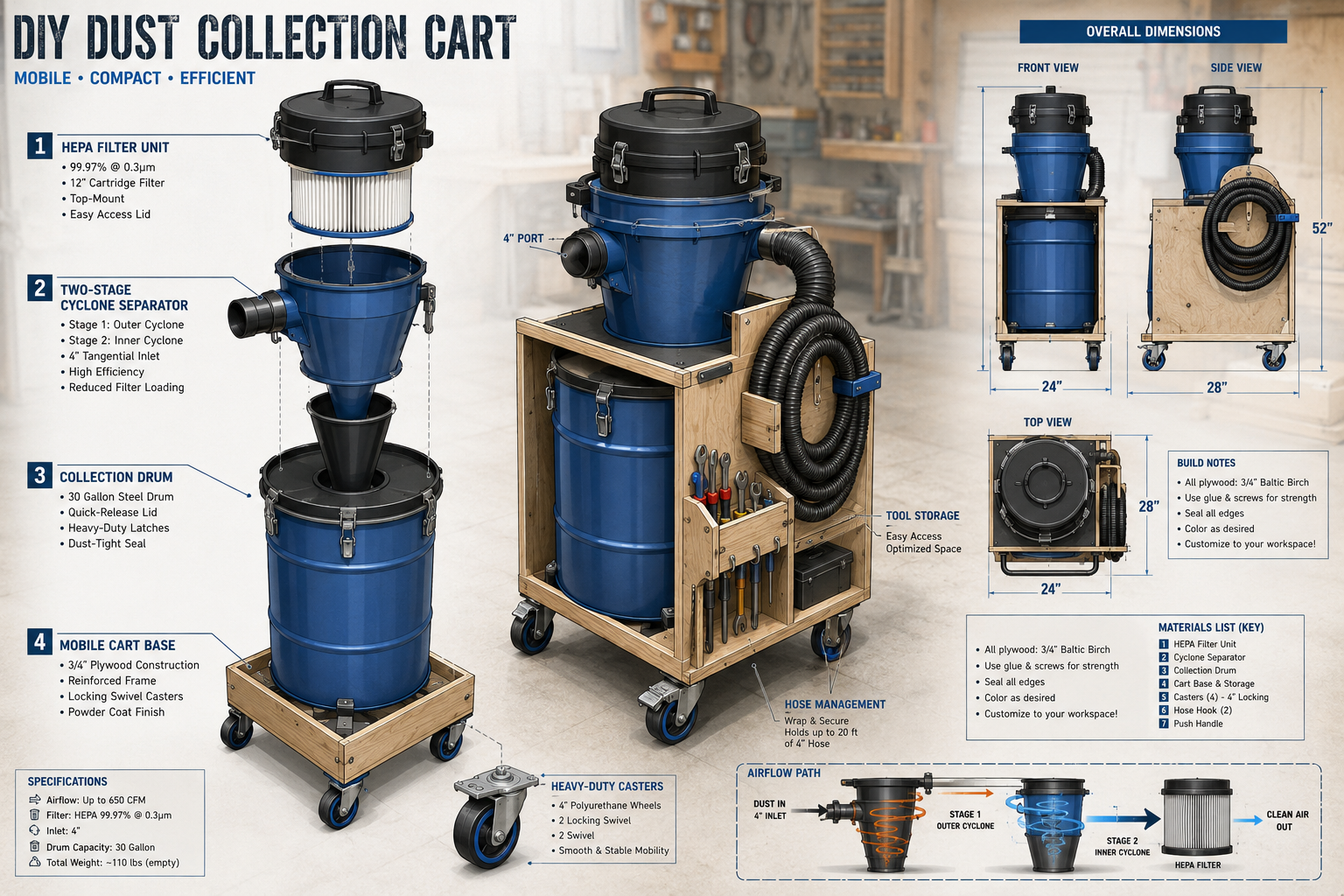
Construction Steps (Simplified):
- Cut Plywood Panels: Cut the base, side, and top panels according to your design.
- Assemble the Frame: Use screws and glue to create a sturdy box frame. Consider dado joints for maximum strength if you have the tools.
- Attach Shelves: Install internal shelves or platforms for mounting the dust collector and cyclone.
- Install Casters: Secure the heavy-duty casters to the bottom of the base. Ensure they are evenly spaced for balanced support.
Assembling the Dust Collection System
Connecting the components correctly is crucial for maximizing efficiency.
- Mount the Dust Collector: Securely mount the main dust collector unit to its designated platform on the cart.
- Install the Cyclone: Position the cyclone separator directly above the collection drum. Ensure a tight, airtight seal between the cyclone and the drum lid. Many DIY cyclone designs incorporate a sealed lid that fastens directly to the drum.
- Ducting and Hoses:
- Inlet from Tools to Cyclone: Use flexible hose (typically 4-inch diameter for most woodworking tools) to connect your tools to the cyclone’s inlet. Smooth-bore hose is preferable internally to reduce airflow resistance.
- Cyclone to Dust Collector: Connect the outlet of the cyclone to the inlet of your main dust collector using appropriate ducting or hose.
- Seal all connections: Use hose clamps, tape, or gaskets to ensure airtight seals at all joints. Leaks drastically reduce suction power.
Key Considerations for Ducting:
- Minimize bends: Each bend, especially sharp 90-degree ones, reduces airflow. Use gradual curves where possible.
- Diameter consistency: Maintain the largest possible consistent diameter from the tool all the way to the dust collector for optimal airflow. Stepping down in diameter too early creates bottlenecks.
- Grounding: Wood dust is combustible. While less critical for small, intermittent DIY systems, consider grounding components to prevent static electricity buildup, especially if using plastic ducting.
Optimizing Performance and Maintenance for a Clean Workshop
Building a DIY Workshop Dust Collection System for Small Spaces: Building a Portable and Efficient Setup is only half the battle; optimizing its performance and maintaining it regularly ensures a clean and healthy environment for years to come.
Maximizing Efficiency at the Source
Effective dust collection begins at the tool.
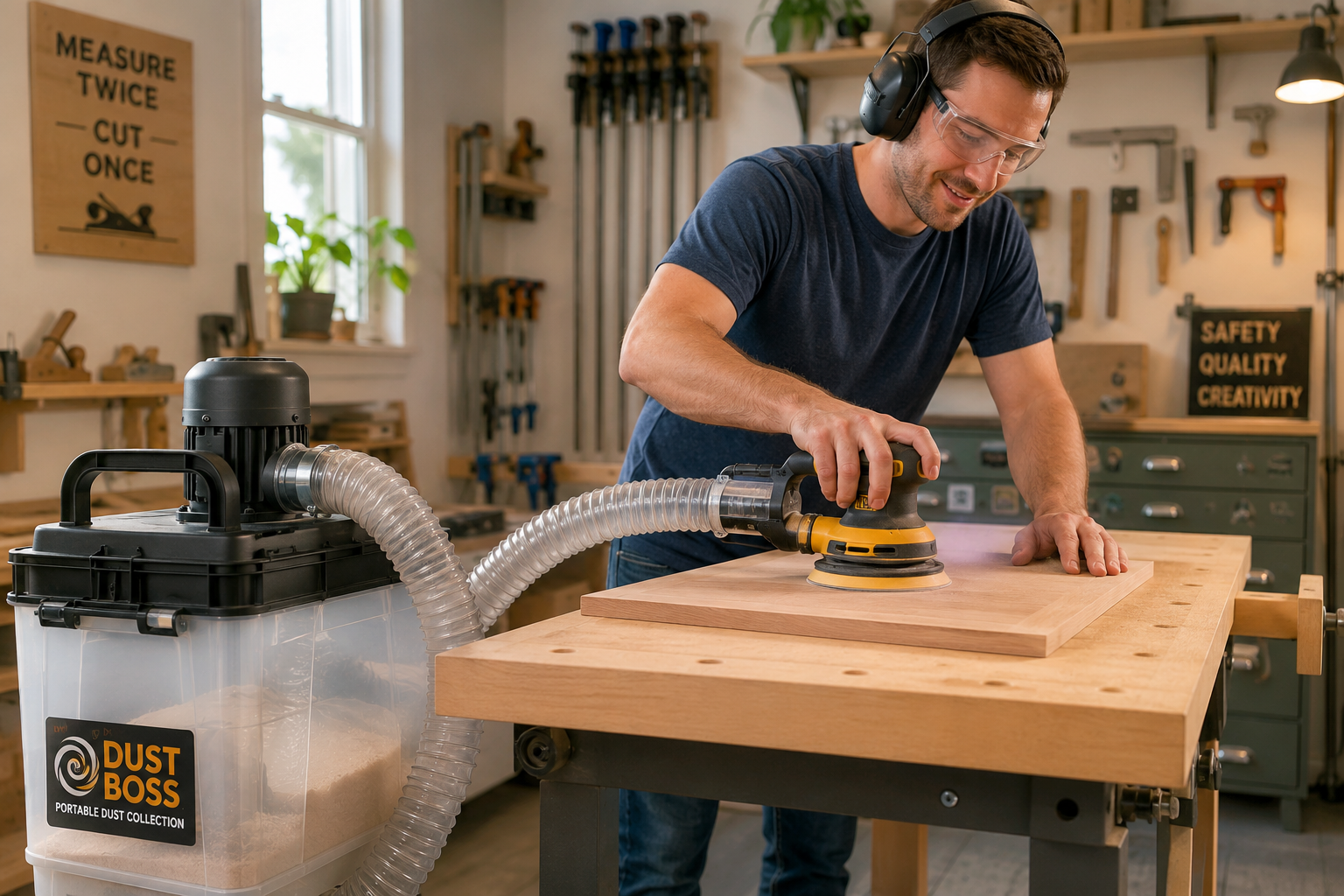
- Tool-Specific Hoods and Ports: Many tools come with dust ports. Ensure these are clean and unobstructed. For tools without good ports (e.g., some sanders, routers), consider building custom dust hoods or shrouds that capture dust directly at the source.
- Adequate Hose Diameter: Match the hose diameter to the tool’s dust port as closely as possible. Often, 2.5-inch hoses are used for smaller handheld tools, while 4-inch is standard for larger stationary machines.
- Minimize Hose Length: Use the shortest possible length of flexible hose between the tool and the dust collector. Longer hoses increase friction and reduce airflow.
- Blast Gates: If you have multiple tools you connect to, use blast gates to direct airflow only to the active tool. This concentrates the suction where it’s needed most, significantly improving efficiency. Consider integrating smart technology for automated blast gates if you’re exploring building a DIY smart workshop dust collection system.
Regular Maintenance Schedule
Neglecting maintenance will quickly degrade your system’s performance and negate its benefits.
- Empty the Collection Drum: The primary collection drum beneath the cyclone should be emptied regularly, especially when working on projects that generate a lot of chips, like planing or jointing. A full drum reduces the cyclone’s efficiency.
- Clean the Fine Dust Filter: The main filter on your dust collector will eventually clog with fine dust, reducing airflow.
- Canister Filters: Many canister filters have internal paddles or external cranks to dislodge dust into a plastic bag below. Do this regularly.
- Bag Filters: If using bag filters, shake them out frequently. Consider tapping them gently (while the system is off) to dislodge dust.
- HEPA Filters: HEPA filters are designed for long life but may still require occasional cleaning or replacement according to manufacturer guidelines.
- Inspection: Periodically inspect the filter for tears or damage. A compromised filter allows fine dust to recirculate.
- Check for Leaks: Regularly inspect all hose connections, blast gates, and the collection drum seal for any leaks. Even small leaks can significantly reduce suction. Use a bright light and listen for hissing sounds.
- Motor Inspection: Listen for any unusual noises from the motor or impeller. Keep the motor housing clear of dust buildup to prevent overheating.
- Hose and Ducting Inspection: Check flexible hoses for kinks, holes, or blockages. Clear any obstructions promptly.
Air Quality Monitoring (Optional but Recommended)
For ultimate peace of mind in a small workshop, consider investing in an affordable air quality monitor. These devices can measure PM2.5 (particulate matter 2.5 microns and smaller) and PM10 levels, giving you real-time feedback on your system’s effectiveness and when ventilation might be needed. Even with a good dust collection system, it’s wise to combine it with general workshop ventilation, especially after heavy dust-producing operations.
By diligently following these steps, your portable and efficient dust collection system will keep your small workshop cleaner, safer, and a more enjoyable place to create.
Conclusion
Building a DIY Workshop Dust Collection System for Small Spaces: Building a Portable and Efficient Setup is a profoundly rewarding project that significantly improves your working environment. From understanding the necessity of a two-stage system to meticulously assembling a mobile cart and establishing a rigorous maintenance schedule, each step contributes to a cleaner, healthier, and more enjoyable woodworking experience. The portability of such a system ensures that even the most compact workshops can benefit from high-performance dust extraction without being constrained by fixed infrastructure. Prioritizing efficient chip and fine dust extraction is not just about keeping surfaces clean; it’s about protecting your respiratory health and prolonging the life of your tools. Take the initiative to implement these strategies in your own workshop in 2026, and experience the transformative benefits firsthand.
SEO Meta Title: DIY Portable Dust Collection System for Small Workshops SEO Meta Description: Build a portable and efficient DIY workshop dust collection system for small spaces in 2026. Learn design, assembly, and maintenance tips for a cleaner shop.