
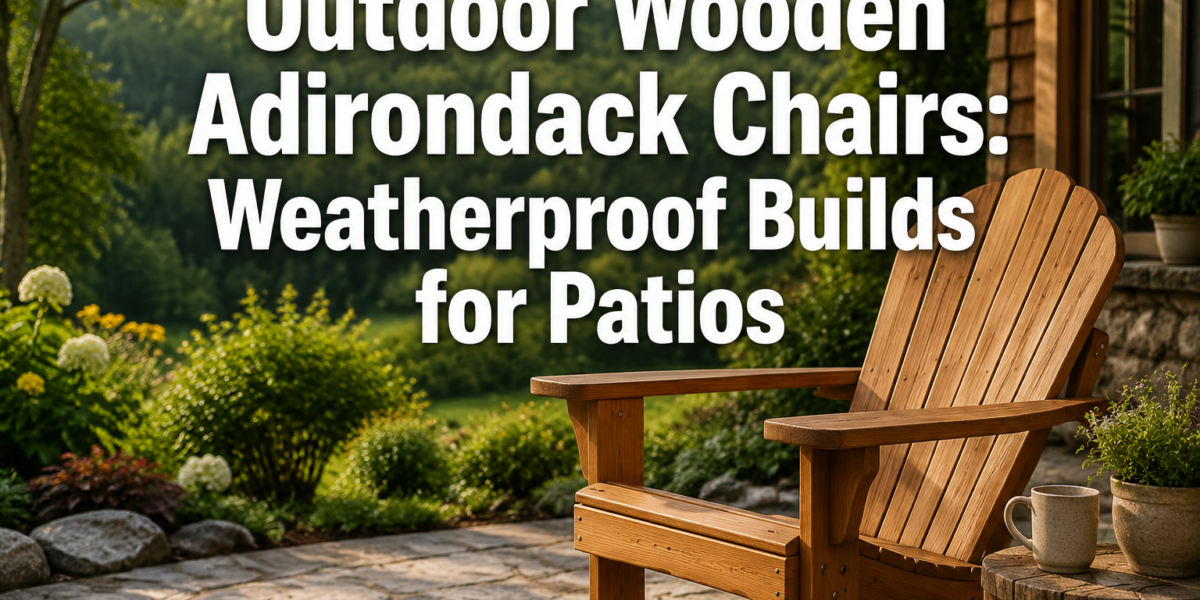
The average outdoor wooden furniture lasts only 3-5 years before showing significant signs of weather-related degradation if not properly constructed and maintained. This alarming statistic underscores the critical importance of selecting and building Outdoor Wooden Adirondack Chairs with genuinely weatherproof attributes for your patios. This article delves into how full plans for ergonomic chairs, featuring curved slats achieved through steam bending alternatives, specific cedar selection, and advanced UV-resistant finishes, are essential for creating lasting outdoor comfort and style in 2026.
Key Takeaways
- Ergonomic Design: Modern Adirondack chairs prioritize ergonomic comfort, often achieved through precisely curved back and seat slats.
- Steam Bending Alternatives: Traditional steam bending can be complex; alternative techniques like lamination or kerfing offer accessible ways to create durable curves.
- Cedar Selection: Western Red Cedar is a prime choice for Outdoor Wooden Adirondack Chairs due to its natural resistance to rot, insects, and moisture.
- UV-Resistant Finishes: Selecting and properly applying UV-resistant finishes is crucial for protecting wood from sun damage, preventing fading and cracking.
- Longevity and Maintenance: A weatherproof build significantly extends the lifespan of your Adirondack chairs, reducing the need for frequent replacement and intensive maintenance.
Crafting Ergonomic Curves for Superior Comfort
The signature comfort of an Adirondack chair largely stems from its reclined back and contoured seat. However, achieving truly ergonomic support for the human spine requires more than just a simple angle; it demands subtle curves in the back and sometimes the seat slats. These curves distribute weight evenly, reducing pressure points and enhancing relaxation. For a truly superior design, consider integrating plans that incorporate specific ergonomic measurements and techniques for curved components, making your Outdoor Wooden Adirondack Chairs: Weatherproof Builds for Patios unparalleled.
The Challenge of Curved Slats and Steam Bending Alternatives
Traditional woodworking often relies on steam bending to create these graceful curves. Steam bending involves exposing wood to high heat and moisture, making it pliable enough to be bent around a form. While effective, it requires specialized equipment like a steam box and forms, making it a barrier for many home woodworkers. However, several accessible alternatives allow you to achieve durable, aesthetically pleasing curves without the complexities of a full steam bending setup.
One popular alternative is lamination. This technique involves gluing together multiple thin strips of wood over a curved form. Once the glue cures, the laminated piece retains the desired curve and possesses exceptional strength. For Adirondack chair slats, this means cutting thin strips (e.g., 1/8″ or 3/16″ thick) of your chosen wood, applying waterproof glue, and clamping them tightly to a custom-made form. The resulting slat is not only strong but also visually appealing, often revealing attractive glue lines that highlight the curved design.
Another effective method is kerfing, also known as relief cutting. This involves making a series of shallow, parallel cuts (kerfs) across the back of a thicker piece of wood. These cuts remove material, allowing the wood to flex and bend to a certain radius. Once bent, the kerfs can be filled with epoxy or thin strips of wood for added stability and a smooth finish. This method is particularly useful for achieving gentle curves and requires fewer specialized tools than lamination or traditional steam bending.
When implementing these techniques for Outdoor Wooden Adirondack Chairs, the precision of your joinery and choice of adhesive are paramount. Using waterproof wood glue, specifically designed for outdoor applications, is critical to ensure the longevity of your curved components. For a comprehensive understanding of adhesive options, refer to our guide on The Ultimate Guide to Wood Glue: Choosing the Right Adhesive for Every Project, Joint, and Environmental Condition.
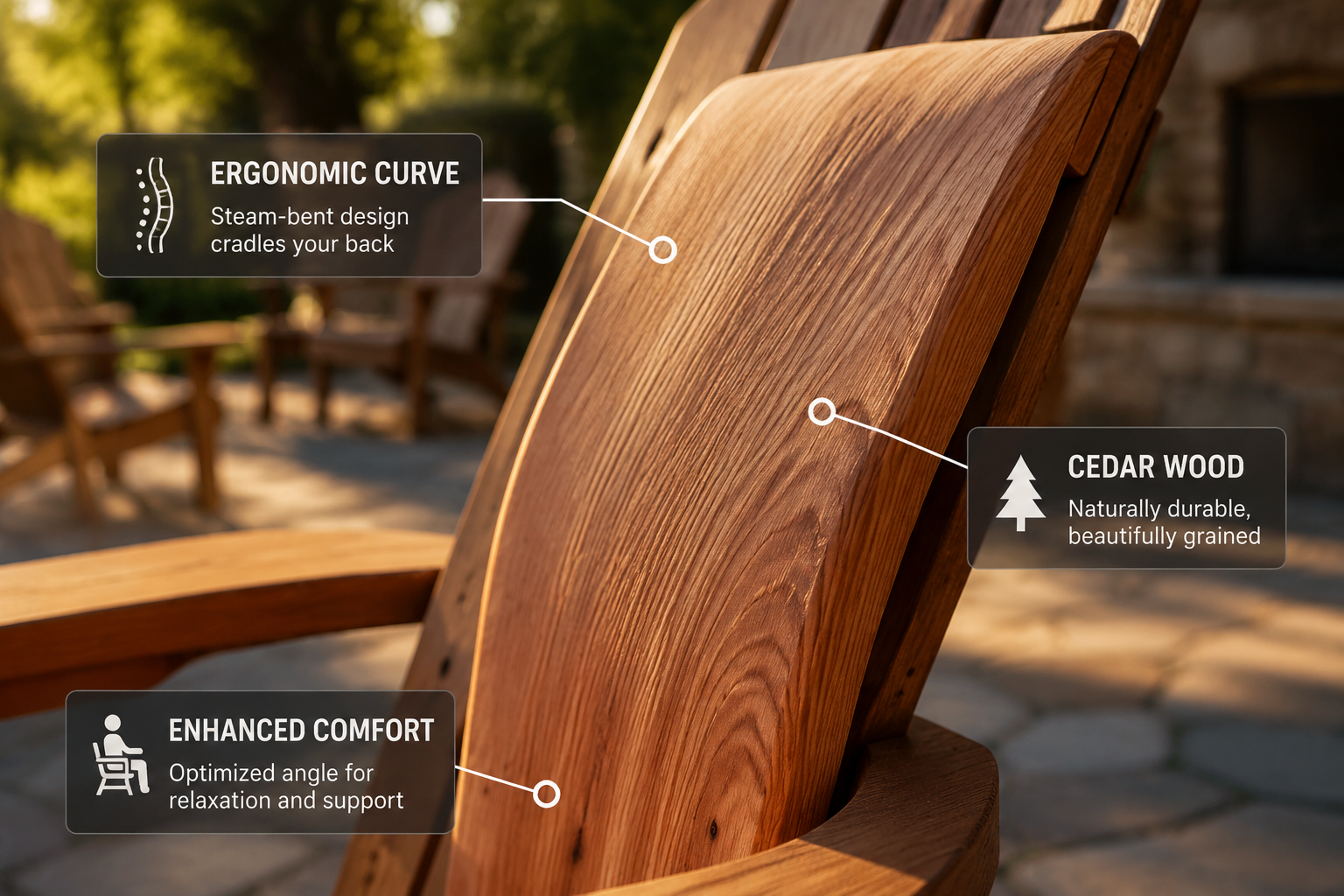
Table: Comparison of Curved Slat Techniques
| Technique | Complexity | Equipment Required | Strength | Aesthetic | Best For |
|---|---|---|---|---|---|
| Traditional Steaming | High | Steam box, forms, clamps | High | Seamless | Production, complex curves |
| Lamination | Medium | Forms, clamps, glue, thin strips | Very High | Layered | Strong, durable curves for any scale |
| Kerfing (Relief Cuts) | Low | Saw, clamps, epoxy/fillers | Medium | Hidden cuts | Gentle curves, thicker stock |
Selecting Weather-Resistant Wood for Outdoor Wooden Adirondack Chairs: Weatherproof Builds for Patios
The foundation of any truly weatherproof outdoor furniture lies in the wood itself. Not all wood species are created equal when it comes to enduring the harsh realities of sun, rain, snow, and humidity. For Outdoor Wooden Adirondack Chairs: Weatherproof Builds for Patios, selecting a naturally resistant timber is the first, most critical step.
Why Western Red Cedar is an Optimal Choice
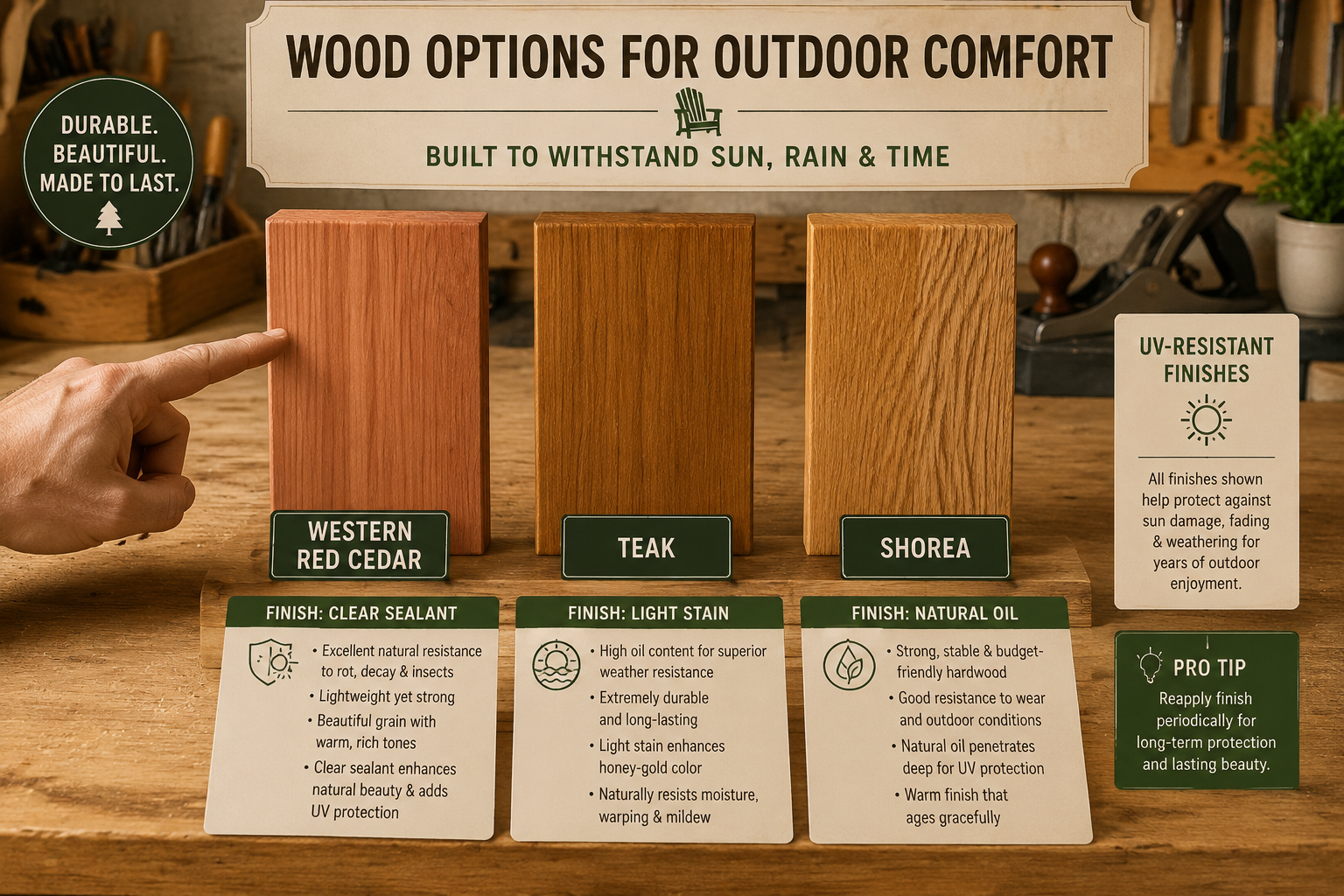
Among the best options for outdoor use, Western Red Cedar stands out as a superior material. It possesses inherent properties that make it exceptionally durable and low-maintenance in outdoor environments.
- Natural Rot and Decay Resistance: Western Red Cedar contains natural oils (thujaplicins) and phenols that act as natural preservatives. These compounds make the wood highly resistant to rot, decay, and fungal growth, even when exposed to prolonged moisture.
- Insect Resistance: The same natural compounds that deter rot also make cedar unattractive to most insects, including termites and carpenter ants.
- Dimensional Stability: Cedar is relatively stable, meaning it resists warping, twisting, and checking (cracking) when exposed to changes in humidity and temperature. This stability is crucial for maintaining the structural integrity and aesthetic appeal of your Adirondack chairs over time.
- Lightweight and Workable: Despite its durability, cedar is a relatively lightweight wood, making the finished chairs easier to move. It’s also easy to cut, shape, and sand, which is a significant advantage for DIY woodworkers.
- Aesthetic Appeal: Western Red Cedar has a beautiful natural reddish-brown color that mellows to a silvery grey if left untreated, offering a classic outdoor aesthetic.
While cedar is an excellent choice, other woods like teak, shorea (a type of genuine mahogany), and cypress also offer good natural weather resistance. However, these often come at a higher price point or may be less readily available than cedar. For those interested in sustainable sourcing, exploring options like urban logging or certified forests can provide quality materials while adhering to environmentally responsible practices. Find out more about responsible material sourcing in our article on Sustainable Wood Sourcing for the Modern Woodworker: Beyond Reclaimed to Urban Logging Certified Forests.
When selecting cedar, look for clear, knot-free lumber, particularly for structural components and visible slats. While knots can add character, they can also be points of weakness or lead to sap leakage over time, especially in outdoor conditions.
Advanced UV-Resistant Finishes for Lasting Protection
Even the most naturally durable woods like cedar require protection, especially from the relentless assault of ultraviolet (UV) radiation from the sun. UV rays break down wood fibers, leading to fading, greying, cracking, and ultimately, structural degradation. Applying a high-quality UV-resistant finish is indispensable for truly weatherproof builds for your Outdoor Wooden Adirondack Chairs.
Types of UV-Resistant Finishes
There are several categories of finishes that offer excellent UV protection, each with its own advantages:
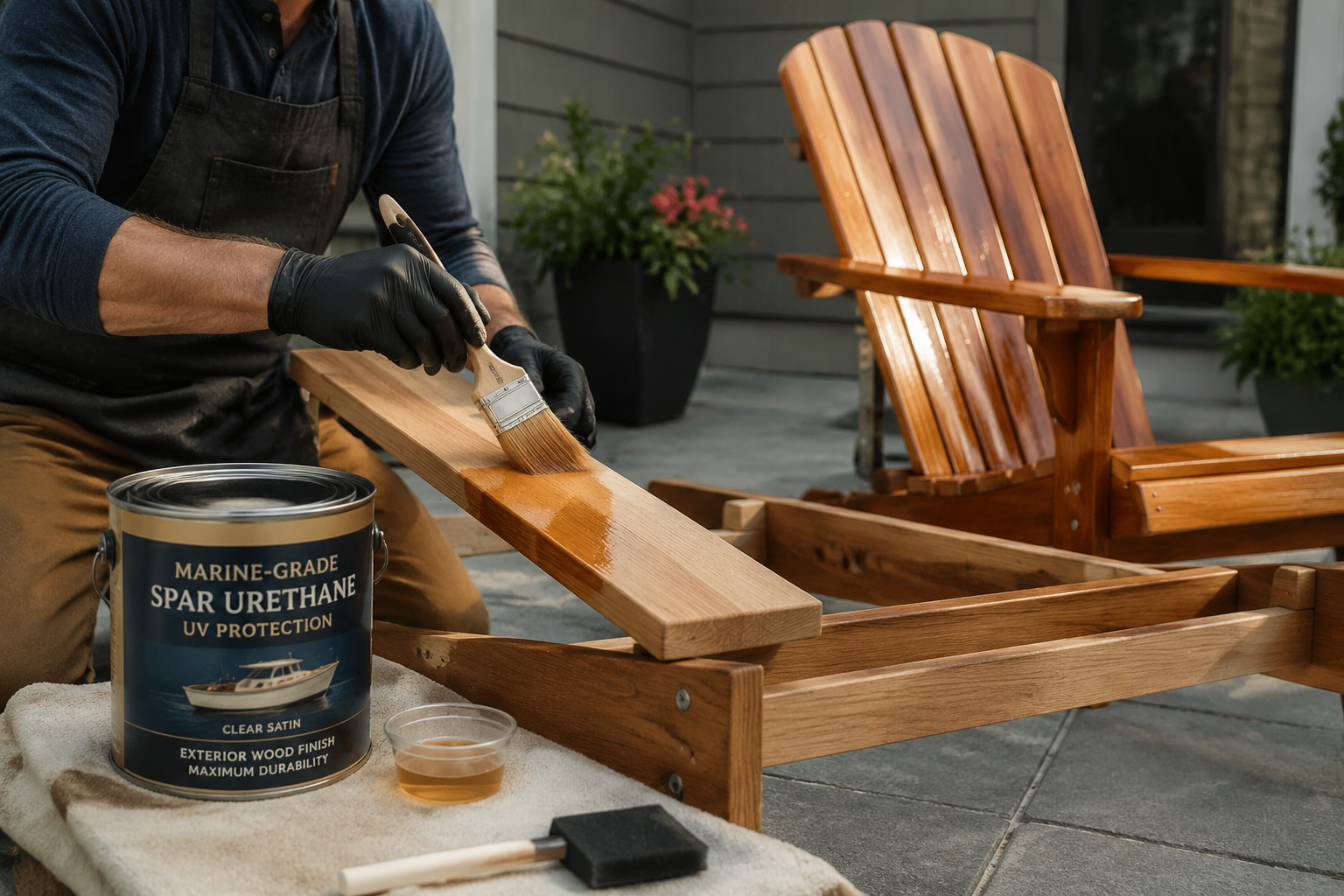
- Marine-Grade Varnishes and Spar Urethanes: These are arguably the gold standard for outdoor wood protection. Designed for boats, they are exceptionally durable, flexible, and contain high levels of UV inhibitors. They create a thick, clear film that seals the wood from moisture and sun. Brands like Epifanes, Interlux, and System Three are well-regarded. Multiple coats are typically required, with light sanding between coats.
- Exterior Oils and Stains: Penetrating oils (like tung oil, linseed oil, or specific deck/siding oils) soak into the wood rather than forming a surface film. They nourish the wood, enhance its natural beauty, and prevent drying and cracking. Many exterior oils and stains include UV blockers and mildewcides. While they offer good protection, they typically require more frequent reapplication than varnishes, often annually or bi-annually. Stains also add color, which can help mask sun damage and provide additional UV protection.
- Water-Based Exterior Finishes: Modern water-based acrylic or alkyd-hybrid finishes have significantly improved in durability and UV resistance. They are easy to clean up, low in VOCs, and often dry quickly. Look for products specifically labeled for decks, siding, or outdoor furniture, ensuring they contain strong UV inhibitors. They can provide a clear or stained finish.
Application Best Practices for Maximized Protection
Proper application is as important as the finish choice itself. Here’s a general guideline for applying finishes to your Outdoor Wooden Adirondack Chairs: Weatherproof Builds for Patios:
- Surface Preparation: The wood must be clean, dry, and free of dust, grease, or old finishes. Sanding to at least 120-150 grit is essential for good adhesion and a smooth finish.
- Application Environment: Apply finishes in a well-ventilated area, avoiding direct sunlight or extremely humid conditions. Follow the manufacturer’s recommended temperature range.
- Multiple Thin Coats: Regardless of the finish type, multiple thin coats are always better than one thick coat. Thin coats cure more thoroughly and are less prone to peeling or cracking. For varnishes, 3-5 coats are common, while oils might require 2-3 saturating applications.
- Edge and End Grain Sealing: Pay particular attention to end grain and edges, as these areas absorb moisture most readily. Apply extra coats or a dedicated end-grain sealer to these vulnerable spots.
- Maintenance: Even with the best finishes, periodic maintenance is required. This might involve cleaning and reapplying a fresh coat every few years for varnishes, or annually for oils, to ensure continuous protection.
By carefully selecting a naturally weather-resistant wood like Western Red Cedar and applying a robust UV-resistant finish, you can ensure your Outdoor Wooden Adirondack Chairs will not only be beautiful and comfortable but also enduring fixtures on your patio for many years to come. Such attention to detail also applies to other outdoor woodworking projects, such as building a DIY Outdoor Wood Pizza Oven Stand and Storage or even crafting profitable wooden benches for indoor and outdoor designs.
Conclusion
Creating Outdoor Wooden Adirondack Chairs that truly stand the test of time and weather requires a thoughtful approach, from initial design to final finishing. By embracing ergonomic principles, exploring steam bending alternatives like lamination or kerfing for comfortable curved slats, and selecting naturally resilient woods such as Western Red Cedar, woodworkers can craft pieces that are both beautiful and supremely functional. Crucially, safeguarding these chairs with advanced UV-resistant finishes will ensure they remain vibrant and robust against the elements, providing years of relaxation on your patio.
Investing in quality materials and meticulous construction techniques for your Outdoor Wooden Adirondack Chairs: Weatherproof Builds for Patios not only extends their lifespan but also enhances the overall enjoyment of your outdoor living spaces. Take the time to research plans that integrate these sophisticated methods and prioritize finishes designed for maximum outdoor durability. Your efforts will be rewarded with heirloom-quality furniture that defines comfort and resilience for your outdoor oasis in 2026 and beyond.
Actionable Next Steps:
- Source Cedar: Begin by sourcing high-quality Western Red Cedar lumber from a reputable supplier.
- Choose a Curve Technique: Decide whether lamination or kerfing best suits your skill level and available tools for creating ergonomic curves.
- Select a Finish: Research and purchase a marine-grade varnish or high-quality exterior oil/stain with strong UV inhibitors.
- Practice: Before committing to your main project, practice your chosen curving technique and finish application on scrap pieces of cedar to perfect your process.