

Every year, countless tons of usable wood find their way into landfills, contributing to environmental strain and representing a significant waste of valuable resources. This often-overlooked material, rich with history and character, holds immense potential for creative expression. Instead of contributing to this waste, woodworkers have an incredible opportunity to embrace sustainability by transforming forgotten lumber into cherished items. This article will explore creative and eco-friendly woodworking projects that utilize reclaimed wood, offcuts, and scrap pieces to craft unique gifts, home decor, and functional items, promoting sustainability and minimizing waste in your workshop in 2026.
Key Takeaways
- Reclaimed and scrap wood offers a sustainable, cost-effective, and unique material source for woodworking projects.
- Careful sourcing, inspection, and preparation of reclaimed wood are essential for safety and project success.
- Numerous small projects, from decorative items to practical gifts, can be created with minimal tools and materials.
- Embracing eco-friendly finishes further enhances the sustainability of your woodcraft.
- Turning waste into beautiful, functional objects not only benefits the environment but also provides personal satisfaction and potential for profit.
Embracing Reclaimed and Scrap Wood: A Sustainable Treasure Trove
The allure of reclaimed wood extends beyond its ecological benefits; it possesses an inherent charm and story that new lumber simply cannot replicate. Each nail hole, paint chip, and weathered grain tells a tale, making every piece crafted from it truly unique. For those interested in Sustainable Small Wood Projects: Crafting Gifts and Home Decor from Reclaimed and Scrap Wood, this approach is a cornerstone of environmentally conscious craftsmanship.
Consider the journey of a piece of barnwood or an old pallet. It has withstood the elements, bore witness to years of use, and developed a distinct character that lends itself beautifully to rustic, modern, and eclectic designs. Utilizing these materials significantly reduces demand for newly harvested timber, thereby lessening deforestation and conserving natural resources. It also diverts waste from landfills, effectively closing the loop on a valuable material.
Where to Find Your Sustainable Wood Source
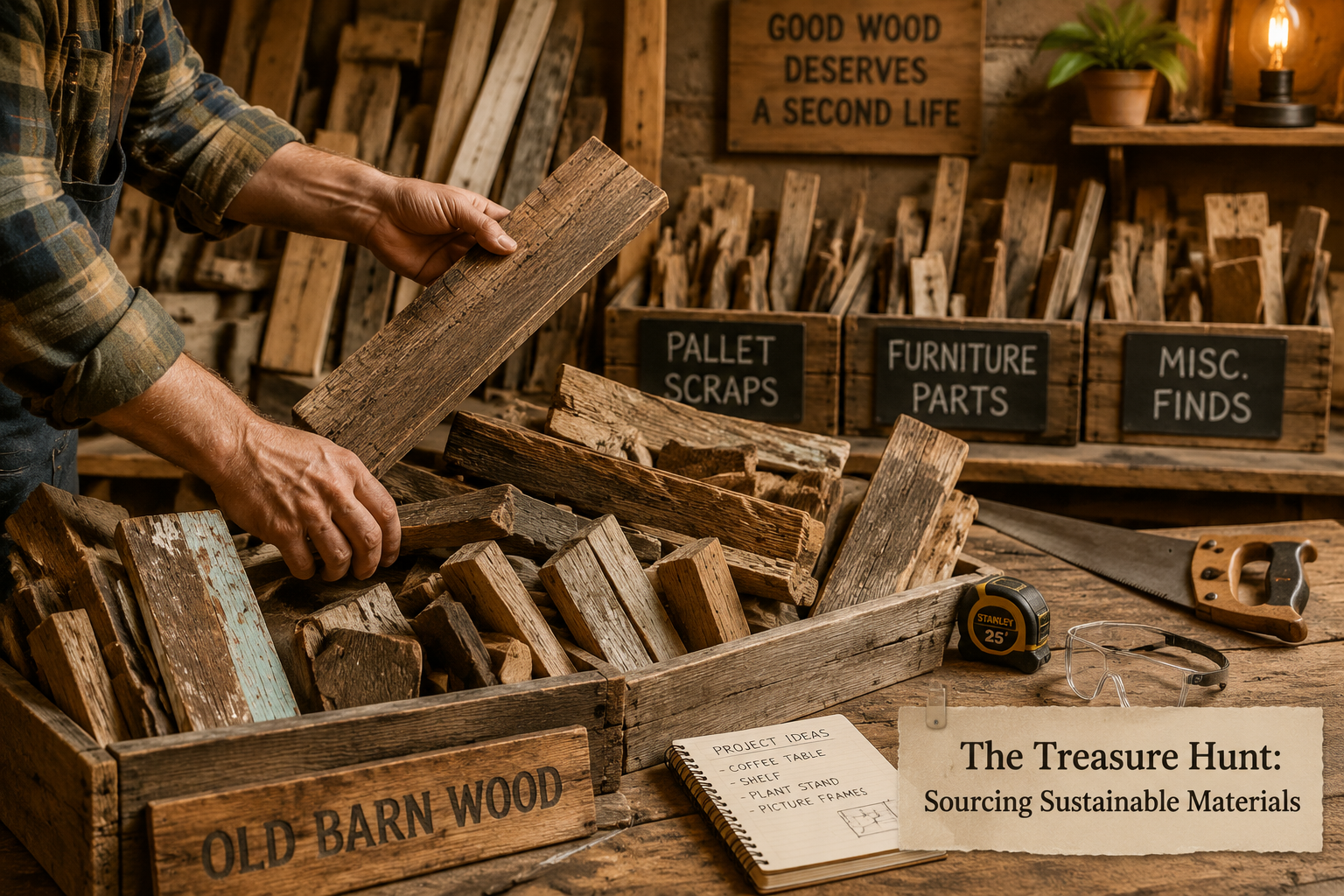
Sourcing reclaimed wood is a treasure hunt in itself. The key is to be observant and resourceful. Here are some prime locations to start your search:
- Construction and Demolition Sites: Always ask for permission before taking anything. Often, contractors are happy to have materials hauled away for free. Look for old framing lumber, siding, or flooring.
- Salvage Yards and Architectural Resale Stores: These businesses specialize in selling reclaimed building materials. While there might be a cost, the wood is often already processed and ready for use. For comprehensive guidance, refer to our article on “Sourcing Reclaimed and Salvaged Wood: Quality Assessment, Restoration, and Safe Handling”.
- Pallet Recycling Centers: Pallets are an abundant source of free wood, though they require careful inspection and processing due to potential chemical treatments.
- Craigslist and Local Online Marketplaces: People often give away old furniture, fencing, or construction scraps they no longer need.
- Your Own Workshop: Don’t overlook the offcuts and scraps generated from larger projects. These smaller pieces are perfect for Sustainable Small Wood Projects: Crafting Gifts and Home Decor from Reclaimed and Scrap Wood.
- Fallen Trees/Branches: With proper drying and processing, even natural wood from your yard or local parks can be repurposed. Learn more about sustainable wood sourcing beyond reclaimed.
Essential Tools for Working with Reclaimed Wood
While elaborate tools are not always necessary for small projects, a basic set can make the process much smoother and safer.
Hand Tools:
- Hand Saw: For cutting larger pieces to size.
- Chisels and Mallet: For carving, shaping, and cleaning up joints. For sharpening techniques, see “The Ultimate Guide to Sharpening Woodworking Chisels and Planes”.
- Block Plane: For smoothing surfaces and chamfering edges.
- Clamps: Essential for holding pieces securely during glue-up and assembly.
- Measuring Tape, Ruler, Pencil: For accurate marking.
- Sandpaper (various grits): For smoothing and preparing surfaces for finishing.
Power Tools (Optional, but Recommended):
- Random Orbital Sander: Speeds up sanding significantly.
- Jigsaw or Bandsaw: For cutting curves and intricate shapes.
- Drill/Driver: For pilot holes and fastening.
- Table Saw or Miter Saw: For precise straight cuts (use with extreme caution when cutting reclaimed wood due to potential metal inclusions).
Safety First! Always wear appropriate personal protective equipment (PPE) including safety glasses, hearing protection, and a dust mask. Reclaimed wood can hide nails, staples, and dirt, so a thorough inspection and de-nailing are crucial before cutting with power tools.
Inspiring Sustainable Small Wood Projects for Gifts and Home Decor
The beauty of working with reclaimed and scrap wood for Sustainable Small Wood Projects: Crafting Gifts and Home Decor from Reclaimed and Scrap Wood lies in its versatility. Small pieces can be transformed into thoughtful gifts or charming decorative accents with minimal effort.
Practical and Decorative Home Decor Ideas
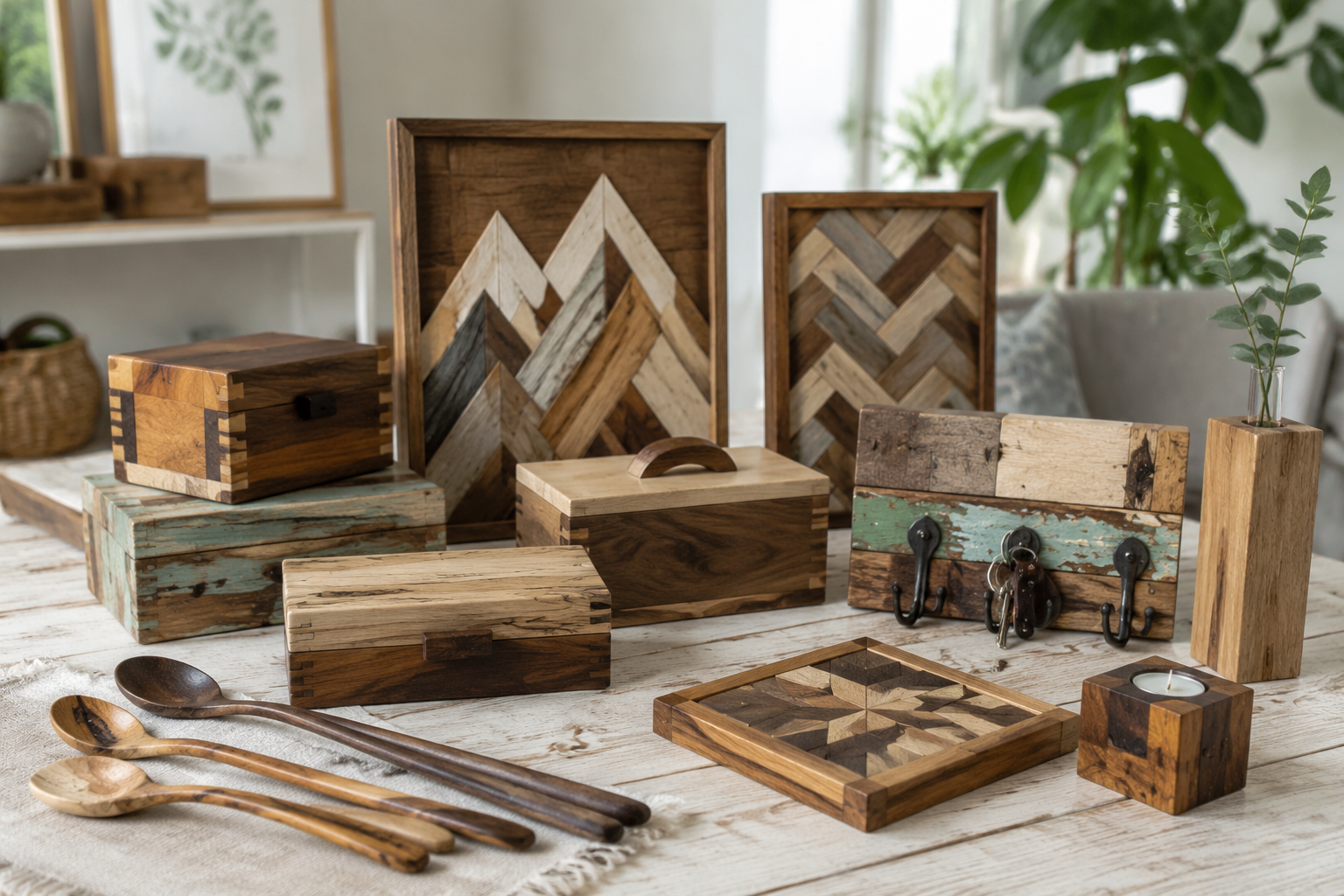
Small pieces of reclaimed wood are perfect for adding rustic charm or modern minimalist touches to any home.
- Coasters: Simple squares or rounds of reclaimed wood, sanded smooth and finished, make excellent coasters. You can even engrave them for a personalized touch. Check out “Engraved Wooden Coasters with Custom Designs”.
- Picture Frames: Even small offcuts can be mitered or butt-jointed to create unique frames. The natural character of the wood adds warmth to any photograph. This is also a profitable beginner woodworking project.
- Candle Holders: Blocks of wood can be drilled to hold tealights or larger candles, creating ambient lighting. Safety is paramount here; ensure proper depth and secure placement. For inspiration, see “Wooden Candle Holders for Ambient Decor”.
- Wall Art & Signs: Small strips or blocks can be combined into geometric patterns, mosaic-style art, or engraved with quotes or house numbers.
- Small Shelves: A single piece of live-edge wood or a carefully planed board can become a charming floating shelf for displaying small items. Learn about robust floating shelves.
- Key Holders: Mount a small piece of wood to the wall and add hooks for a functional and stylish entryway accessory. Consider designs with hidden compartments.
Thoughtful Handcrafted Gifts
Homemade gifts carry a special sentiment. Sustainable small wood projects offer endless possibilities for personalized presents.
- Cutting Boards/Serving Trays: Larger scraps can be glued up to form beautiful, unique cutting boards. Ensure they are finished with food-safe oils. This is another excellent project for beginner woodworkers.
- Wooden Toys and Games: Crafting simple wooden cars, blocks, or puzzle pieces from scrap wood makes for durable and safe gifts for children. Explore “DIY Wooden Toys and Games: Crafting Heirloom Pieces”.
- Phone Stands: Design a simple, ergonomic stand for smartphones or tablets using small blocks.
- Desk Organizers: Combine various small pieces to create compartments for pens, paper clips, and other desk clutter.
- Plant Stands/Coasters: Elevate small potted plants or provide a protective base for pots.
- Jewelry Holders: Small branches or drilled blocks can create elegant ways to display necklaces and earrings.
- Birdhouses: Constructing a functional and attractive birdhouse from reclaimed wood provides a gift for both the recipient and local wildlife. Consider designs with advanced joinery.
| Project Type | Material Suggestions | Skill Level | Time Investment (Approx.) |
|---|---|---|---|
| Coasters | Pallet slats, furniture offcuts | Beginner | 1-2 hours |
| Picture Frames | Old trim, fencing | Beginner | 2-4 hours |
| Candle Holders | 4×4 posts, barn wood | Beginner | 1-3 hours |
| Small Shelves | Live-edge scraps, floorboards | Intermediate | 3-6 hours |
| Cutting Boards | Larger furniture panels | Intermediate | 4-8 hours |
| Wooden Toys | Maple/Oak scraps | Beginner | 2-5 hours (per toy) |
| Key Holders | Any sturdy wood | Beginner | 1-2 hours |
Finishing Touches: Enhancing Sustainability and Durability
The finishing process is where your Sustainable Small Wood Projects: Crafting Gifts and Home Decor from Reclaimed and Scrap Wood truly come to life, and it’s another opportunity to prioritize sustainability. Opting for eco-friendly finishes protects the wood, enhances its natural beauty, and ensures your creation remains chemical-free.
Sustainable Finish Options
Avoid synthetic varnishes and polyurethanes where possible, especially for items that might come into contact with food or be handled frequently.
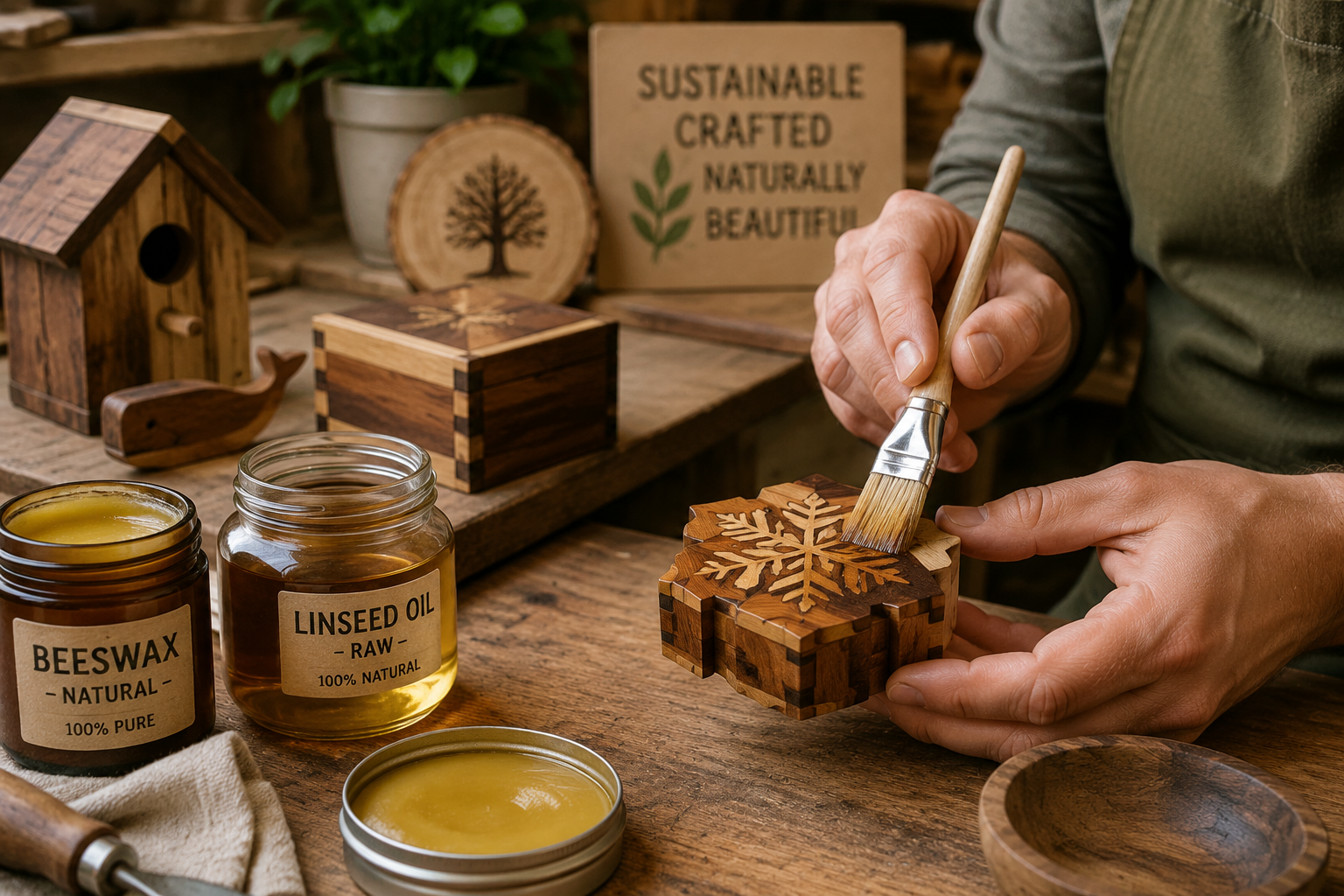
- Natural Oils: Linseed oil (flaxseed oil) and tung oil are excellent choices. They penetrate the wood, providing protection from within, and create a beautiful, natural matte or satin finish. They are non-toxic and biodegradable.
- Beeswax/Carnauba Wax: Waxes offer a durable, water-resistant finish and a soft sheen. They can be applied alone or over an oil finish for added protection. Many commercial wood waxes are blends of natural oils and waxes.
- Shellac: A natural resin secreted by the lac bug, shellac is food-safe, non-toxic, and dries quickly. It creates a beautiful, clear finish that can be polished to a high sheen.
- Milk Paint: For colored finishes, milk paint is an ancient, non-toxic, biodegradable option that creates a distinctive, often distressed, look. It’s made from milk protein, lime, clay, and natural pigments.
For detailed recipes and application tutorials, explore sustainable finishes for reclaimed wood.
Tips for Applying Finishes
- Preparation is Key: Ensure the wood is thoroughly sanded, clean, and free of dust before applying any finish. The smoother the surface, the better the finish will absorb and look.
- Thin Coats: Apply multiple thin coats rather than one thick one. This allows the finish to penetrate better and dry more evenly, reducing drips and imperfections.
- Allow Proper Drying Time: Patience is crucial. Rushing the drying process can lead to sticky, uneven finishes.
- Buffing: For oil and wax finishes, buffing with a clean, soft cloth after each coat (and the final coat) will bring out a deeper luster and smooth feel.
- Food-Safe Considerations: For cutting boards and other food-contact items, exclusively use food-safe mineral oil, beeswax, or tung oil specifically labeled as food-grade.
By choosing sustainable materials and eco-friendly finishes, your Sustainable Small Wood Projects: Crafting Gifts and Home Decor from Reclaimed and Scrap Wood will not only be beautiful and functional but also embody a commitment to environmental stewardship. This approach allows you to create truly meaningful pieces that tell a story, support a greener future, and inspire others to rethink waste.
Conclusion
Embracing Sustainable Small Wood Projects: Crafting Gifts and Home Decor from Reclaimed and Scrap Wood is more than just a hobby; it’s a mindful practice that honors resources, reduces waste, and allows for incredible creative expression. From the thrill of finding a discarded piece of wood with potential to the satisfaction of seeing a finished, unique item, the journey is rewarding. In 2026, the demand for handcrafted, eco-conscious goods continues to grow, making this an opportune time to dive into the world of sustainable woodworking.
By choosing reclaimed materials, even small offcuts and scraps, you contribute to a circular economy, lessen environmental impact, and infuse your creations with unparalleled character. Whether you’re crafting a simple set of coasters, a personalized picture frame, or a thoughtful wooden toy, each project becomes a testament to creativity, resourcefulness, and a commitment to a more sustainable lifestyle.
Actionable Next Steps:
- Start Small: Pick one of the beginner projects listed, like coasters or a key holder, and gather the necessary materials and tools.
- Scout for Wood: Begin looking for reclaimed wood sources in your local area – demolition sites (with permission!), salvage yards, or online marketplaces. Remember to prioritize safety.
- Invest in Basic Tools: If you don’t have them already, acquire essential hand tools like a hand saw, sandpaper, and clamps.
- Experiment with Finishes: Try a natural oil or wax on a scrap piece of wood to understand its application and appearance.
- Share Your Creations: Show off your work! Inspire others to embrace sustainable crafting by sharing your gifts and decor.