

In a world increasingly saturated with visual noise and fleeting trends, a design philosophy has emerged that champions tranquility, intentionality, and a profound connection to natural elements. This is Warm Minimalism in Woodworking: Balancing Clean Lines with Tactile Wood Materials, a compelling approach that transcends mere aesthetics, offering a deeply satisfying experience for both the craftsman and the end-user. Far from the stark, cold minimalism of past decades, warm minimalism invites coziness and an inviting atmosphere, proving that less can indeed be more, especially when “less” means high-quality, thoughtfully selected wood. This article delves into how woodworkers can master this art, designing and building furniture that embraces minimalist principles while actively avoiding sterile aesthetics through judicious material selection, texture enhancement, and refined wood finishing techniques in 2026.
Key Takeaways
- Warm Minimalism Defined: This style marries the simplicity and uncluttered aesthetic of minimalism with the inviting comfort and natural texture of wood, creating serene yet engaging spaces.
- Materiality is Paramount: Selecting the right wood (e.g., white oak, walnut, maple) for its grain, color, and inherent tactile qualities is fundamental to achieving warm minimalism.
- Clean Lines, Soft Edges: While geometric precision is key, incorporating subtle curves or eased edges can prevent pieces from feeling too harsh, inviting interaction.
- Finishing with Intention: Matte or satin finishes that enhance, rather than obscure, the wood’s natural texture are crucial for the tactile aspect.
- Sustainability and Craftsmanship: Emphasizing durable joinery and sustainable wood sourcing aligns perfectly with the philosophy of intentional, long-lasting design.
Understanding Warm Minimalism in Woodworking: Balancing Clean Lines with Tactile Wood Materials
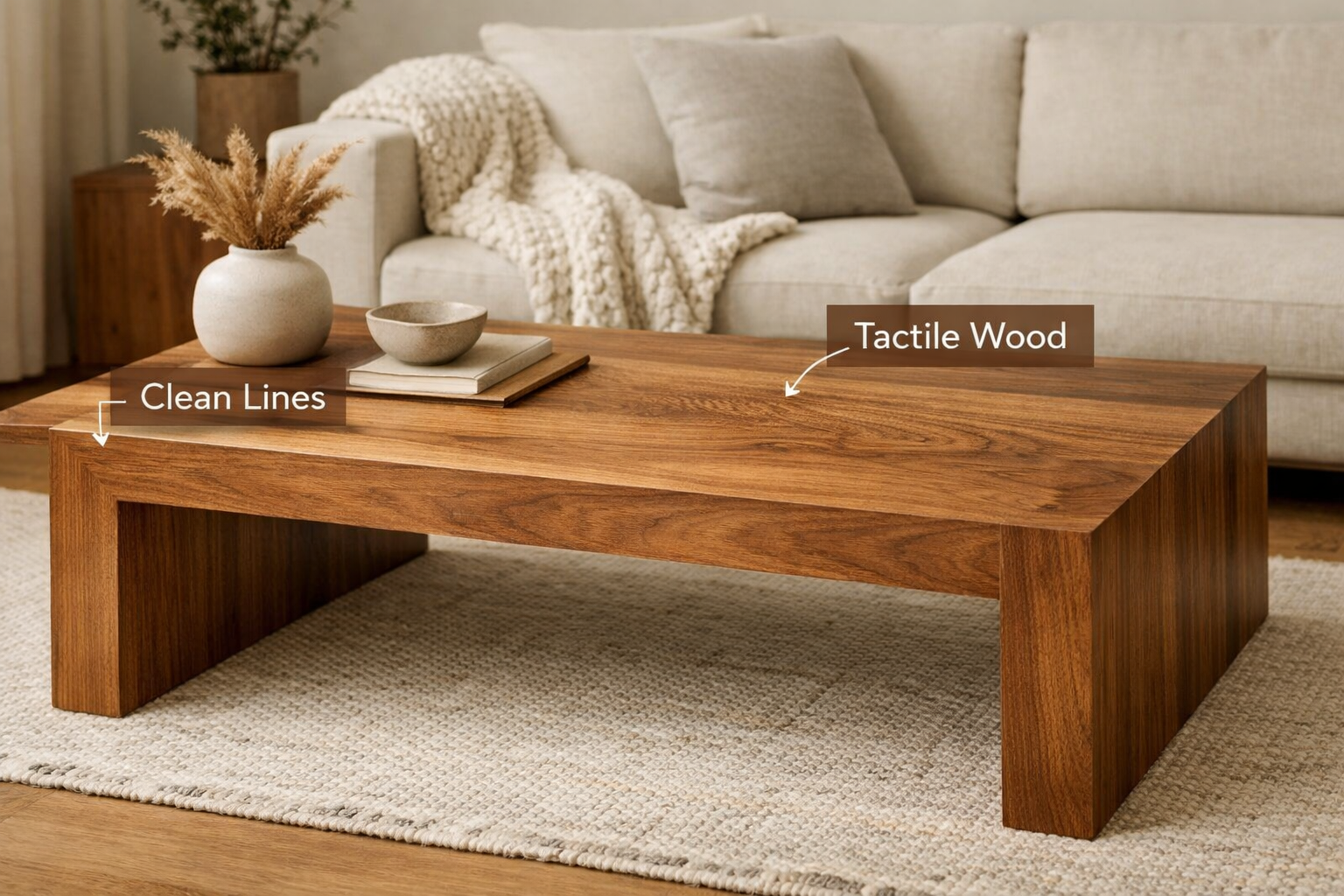
Warm minimalism represents a harmonious blend of two powerful design philosophies. On one hand, minimalism, with its emphasis on simplicity, functionality, and the elimination of superfluous elements, creates a sense of calm and order. On the other hand, the “warm” aspect introduces elements that evoke comfort, coziness, and a connection to nature, actively combating the coldness often associated with extreme minimalism. In woodworking, this translates to furniture and objects that possess a quiet elegance, free from unnecessary embellishments, yet rich in character and inviting to the touch.
The essence of Warm Minimalism in Woodworking: Balancing Clean Lines with Tactile Wood Materials lies in its paradox: achieving visual simplicity through complex consideration of natural elements. It’s about letting the inherent beauty of the wood speak for itself, supported by design choices that highlight its texture, grain, and color. This approach isn’t about stark white walls and chrome; it’s about creamy neutrals, soft lighting, and the grounded presence of natural wood.
Core Principles of Warm Minimalist Woodworking
To truly embody warm minimalism in your woodworking projects, several core principles should guide your design and construction process:
- Intentional Design: Every line, every joint, every surface serves a purpose. There’s no room for decorative elements that don’t contribute to the overall function or aesthetic harmony.
- Focus on Materiality: Wood is not just a structural element; it’s the star. Its species, grain pattern, and even small, natural imperfections (when handled thoughtfully, as seen in Live Edge Wood Slabs: Forest to Finished Furniture | 2026 Gu) are celebrated.
- Tactile Experience: Pieces should invite interaction. The feel of a smoothly sanded surface, the subtle undulations of a grain, or the warmth of wood underhand are paramount.
- Clean Lines, Thoughtful Form: Geometric precision is often present, but sharp angles might be softened with a slight radius or chamfer, making the piece feel more approachable and user-friendly. Consider the graceful lines in a woodworking dining chair.
- Subdued Color Palettes: While wood provides its own rich hues, complementary elements (if any) lean towards natural, earthy tones that allow the wood to be the focal point.
“Warm minimalism isn’t just a style; it’s a feeling. It’s about crafting pieces that bring a sense of calm and connection to the natural world into our homes.”
Distinguishing Warm Minimalism from Traditional Minimalism
Traditional minimalism, particularly popular in the mid-20th century, often emphasized industrial materials, stark contrasts, and a somewhat sterile aesthetic. Think polished concrete, steel, and a monochrome palette. Warm minimalism, conversely, seeks to imbue these clean lines with a human touch and organic warmth.
Table 1: Warm Minimalism vs. Traditional Minimalism in Woodworking
| Feature | Traditional Minimalism | Warm Minimalism |
|---|---|---|
| Primary Focus | Absence of clutter, stark efficiency | Comfort, inviting atmosphere, connection to nature |
| Materiality | Metal, glass, concrete, high-gloss finishes | Natural wood (emphasizing grain/texture), matte finishes, natural fibers |
| Aesthetic | Cold, austere, industrial-inspired | Cozy, serene, organic, sophisticated |
| Tactile Quality | Smooth, reflective, often hard | Soft, textured, inviting to touch |
| Color Palette | Black, white, gray, chrome | Earthy tones, creams, muted greens/blues, natural wood hues |
| Emotional Impact | Order, discipline, detachment | Calm, comfort, grounding, ease |
This distinction is crucial for woodworkers aiming to design pieces that resonate with the current demand for comfortable, stylish, and sustainable living spaces in 2026.
Material Selection and Finishing for Tactile Appeal
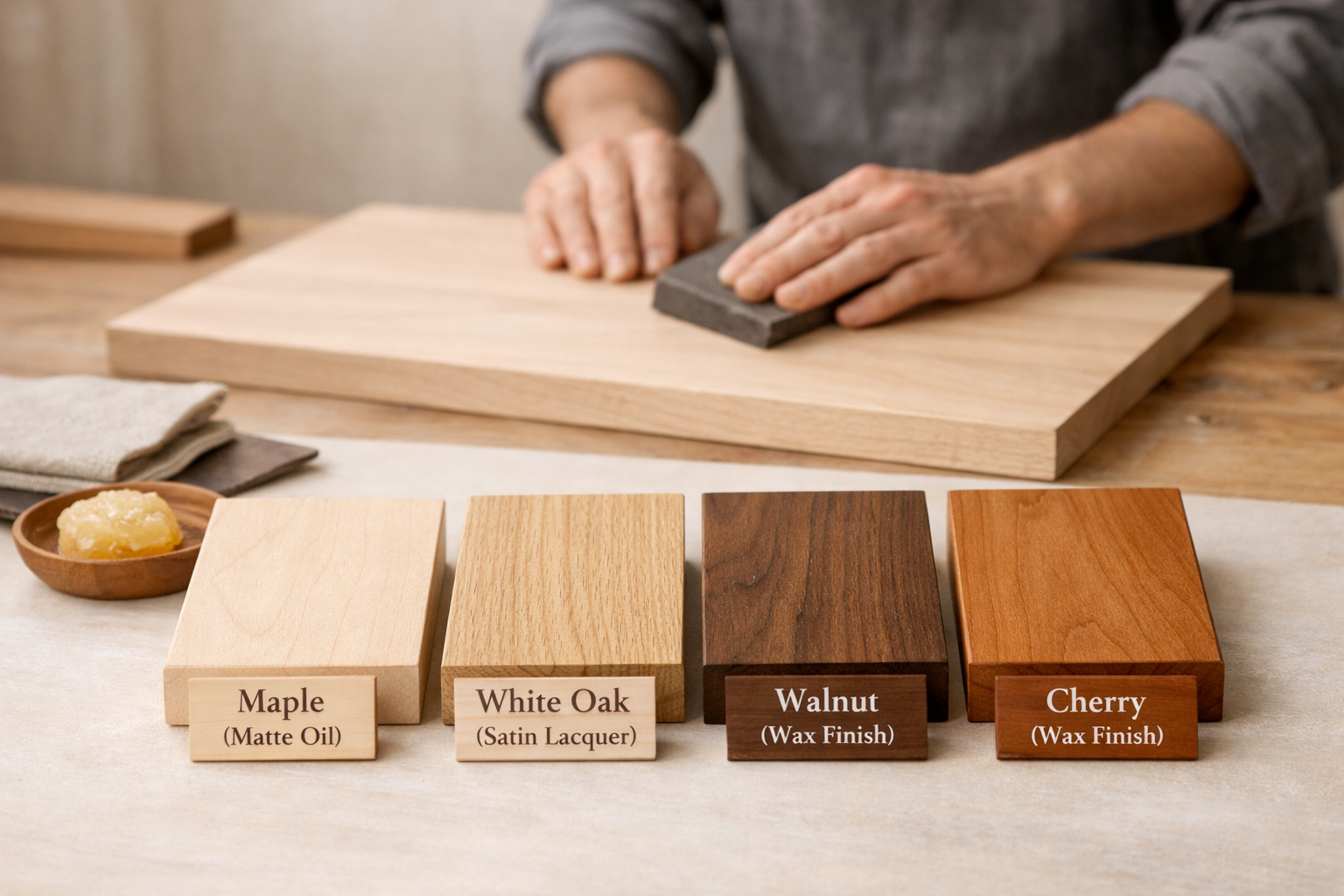
The journey to crafting pieces that embody Warm Minimalism in Woodworking: Balancing Clean Lines with Tactile Wood Materials begins long before the first cut: it starts with the careful selection of wood and the thoughtful application of finishes. These choices directly influence the aesthetic and, crucially, the tactile experience of the final product.
Choosing the Right Wood Species
Not all woods are created equal when it comes to warm minimalism. The ideal wood possesses:
- Distinct, yet not overpowering, grain patterns: You want the wood’s natural character to shine without creating visual clutter.
- Warm or neutral color tones: Woods that lean towards creams, light browns, or subtle reds typically work best.
- Good workability: To achieve the clean lines and precise joinery required.
Here are some excellent choices for warm minimalist woodworking:
- White Oak: A perennial favorite for its light to medium brown hues, prominent yet elegant grain, and excellent durability. It takes finishes beautifully, enhancing its natural texture.
- Maple: Known for its pale, creamy color and fine, subtle grain. Maple provides a very clean canvas, allowing texture to come primarily from the finish.
- Walnut: Offers a rich, dark brown color with beautiful, flowing grain patterns. It adds a sophisticated warmth and luxurious feel without being overly busy.
- Ash: Similar in appearance to white oak, but often lighter, with a strong, attractive grain.
- Cherry: A beautiful wood that ages gracefully, developing a rich, reddish-brown patina over time. Its fine, uniform grain lends itself well to clean designs.
Consider using sustainably sourced lumber or reclaimed wood to further enhance the intentionality and eco-consciousness of your projects.
The Art of the Minimalist Finish
The finish is where the tactile aspect of warm minimalism truly comes alive. The goal is not to create a plastic-like sheen but to protect the wood while allowing its natural texture and warmth to be felt.
Key characteristics of warm minimalist finishes:
- Matte or Satin Sheen: High-gloss finishes tend to look more formal and can feel less inviting. Matte or satin finishes absorb light, making the surface appear softer and more natural.
- Enhancing, Not Hiding: The finish should enhance the wood’s grain and color, not obscure it with heavy pigments or thick layers.
- Smooth to the Touch: Even with a matte finish, the surface must be meticulously sanded to a high grit, ensuring it feels incredibly smooth and pleasant to touch.
Recommended Finishing Techniques and Products:
- Oil Finishes (e.g., Danish Oil, Tung Oil, Linseed Oil): These penetrate the wood, hardening within the fibers and providing excellent protection while leaving a natural, low-sheen finish that truly highlights the wood’s tactile qualities. For a deeper dive, explore Danish Oil vs. Linseed: The Ultimate Wood Finishing Guide.
- Waxes: Often used over oil or as a standalone finish for very light-use items, waxes provide a beautiful, soft luster and a wonderful hand-feel.
- Water-Based Polyurethanes (Matte/Satin): Modern water-based polyurethanes offer durable protection without the yellowing or strong fumes of traditional oil-based versions. Crucially, they are available in matte or satin formulations that can provide a subtle sheen while maintaining a natural look. When applying, consider techniques like those for mahogany wood finishing for optimal results.
- Soap Finishes: Traditional in Scandinavian design, soap finishes create a very pale, raw wood look with excellent tactile properties, though they require more frequent reapplication.
Always test your chosen finish on a scrap piece of the actual project wood to ensure it achieves the desired look and feel. The subtle interaction between wood and finish is paramount for Warm Minimalism in Woodworking: Balancing Clean Lines with Tactile Wood Materials.
Design and Construction Techniques for Clean Lines
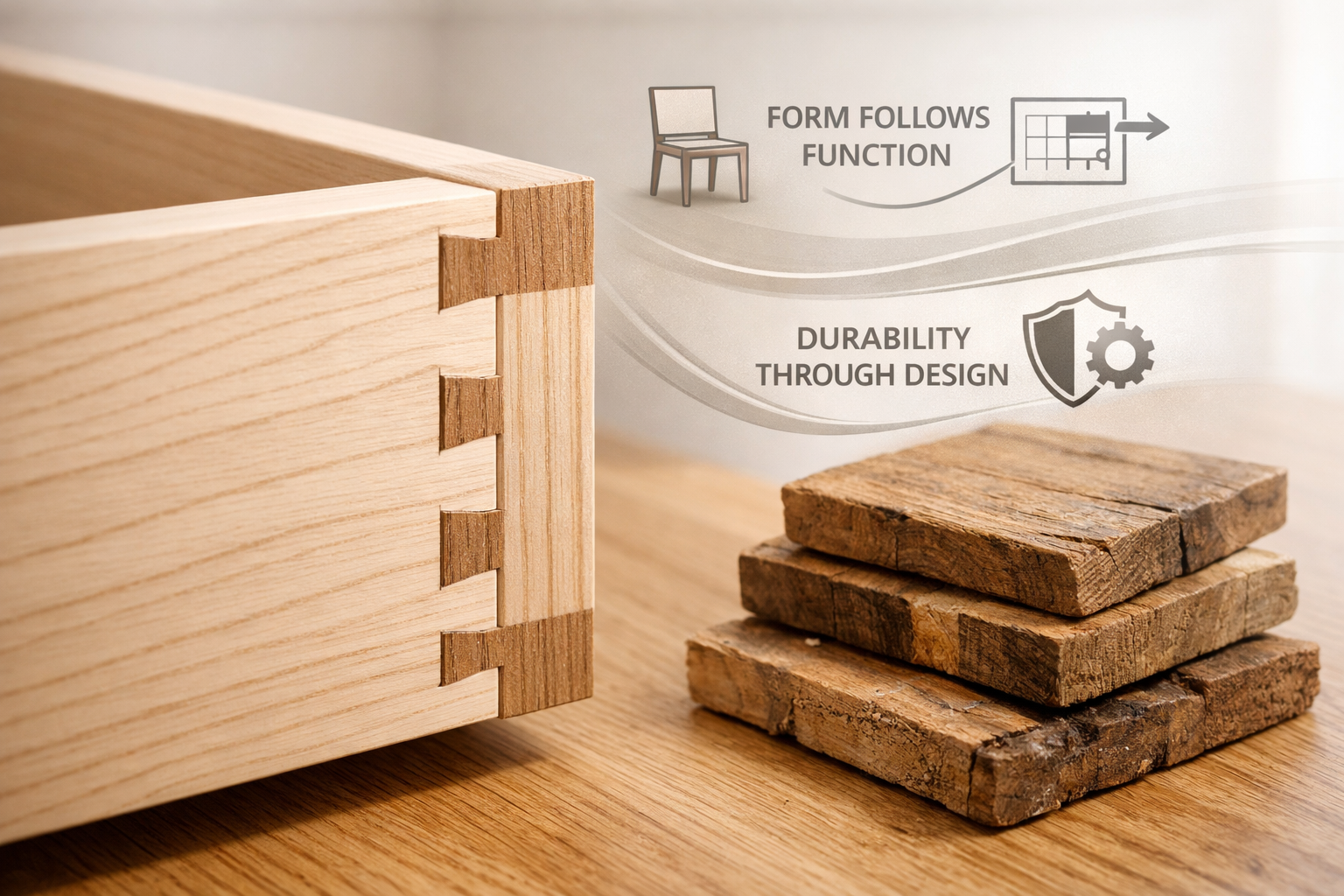
Achieving the “clean lines” aspect of warm minimalism requires precision, thoughtful design, and expert craftsmanship. This section focuses on how woodworkers can translate minimalist aesthetics into tangible forms, ensuring structural integrity and visual harmony.
Embracing Simplicity in Form
The fundamental principle here is “form follows function,” but with an added layer of aesthetic refinement. Every curve, every plane, every angle should be intentional and contribute to the overall balance without creating visual noise.
- Geometric Shapes: Squares, rectangles, and circles are common building blocks. However, avoid overly complex geometries. Simple, well-proportioned forms are key.
- Proportion and Scale: Pay close attention to the relationship between different parts of a piece. A tabletop should feel balanced with its legs; a shelf should not appear too heavy or too flimsy for its intended use. Tools like those found in Precision Woodworking Tools: Top 5 Picks for Your Shop are essential for this precision.
- Negative Space: The empty space around and within a piece of furniture is just as important as the solid elements. It contributes to the sense of openness and airiness characteristic of minimalism. For example, consider the design principles for Mastering Shelf Woodworking: Your Definitive Guide for 2026 where the space around and between shelves is crucial.
- Minimalist Detailing: Instead of ornate carvings, focus on subtle details like a perfectly flush joint, a precisely routed edge, or the contrast of grain directions.
Joinery for a Seamless Aesthetic
The choice of joinery in warm minimalist pieces is critical. Visible fasteners or poorly executed joints can detract from the clean aesthetic. The best joinery techniques are those that are strong, durable, and either completely hidden or subtly showcased as a mark of craftsmanship.
Preferred Joinery Methods:
- Mortise and Tenon: A classic, incredibly strong joint that is perfect for frames and legs. It can be hidden or exposed, where the exposed version becomes a deliberate design feature.
- Dovetails: Often used for drawers and boxes, dovetails are a hallmark of fine woodworking. When precisely cut, they can be a beautiful, structural element that fits the “celebrate craftsmanship” aspect of warm minimalism.
- Domino and Dowel Joints: These offer efficient and strong hidden joints, ideal for panel glue-ups or attaching components without visible hardware.
- Mitre Joints: When perfectly executed, mitre joints create a seamless corner, allowing the grain to wrap around the piece, which is a highly desirable effect in warm minimalist design. Reinforced mitres (with splines or biscuits) are key for strength.
- Pocket Hole Joinery (Used Selectively): While functional, pocket holes are typically avoided in prominent areas unless they can be completely hidden, as they can break the clean aesthetic.
When building structures like a woodworking storage bench, prioritizing hidden joinery or exquisitely crafted exposed joints enhances the warm minimalist feel.
Achieving Smooth, Clean Lines
Precision is paramount. Even a slight misalignment or an uneven edge can disrupt the calm aesthetic of warm minimalism.
- Accurate Cuts: Use high-quality saws with sharp blades, ensuring square and true cuts. A well-tuned table saw or track saw is indispensable.
- Flawless Edge Treatment: Edges should be crisp and clean, but not necessarily sharp. A very slight chamfer or a small round-over (1/8″ or less) can soften the feel, making the piece more inviting to touch without sacrificing the clean line. This subtle detail is crucial for the tactile experience.
- Expert Sanding: Meticulous sanding through progressively finer grits is essential for preparing the wood for a finish that emphasizes its natural beauty and tactile quality. Any sanding marks will be amplified by clear, minimalist finishes. For guidance on avoiding common pitfalls, consider how to remove sanding marks after staining.
- Jigs and Templates: Utilizing jigs and templates can ensure repeatability and accuracy, especially for curved elements or repeated components, leading to consistent, clean lines across multiple pieces. More information can be found in Templates for Woodworking: A Comprehensive Guide.
The Role of Hardware
In warm minimalist woodworking, hardware is typically kept to a minimum and, when necessary, chosen for its simplicity and functionality.
- Concealed Hardware: Soft-close drawer slides, European-style hinges, or magnetic catches that are hidden from view maintain the uncluttered look.
- Subtle Pulls: If visible pulls are necessary, opt for minimalist designs like finger pulls, small recessed pulls, or simple bar pulls that blend seamlessly with the wood rather than standing out. Matte black, brushed brass, or steel can complement wood tones beautifully without being flashy.
By meticulously focusing on these design and construction techniques, woodworkers can create pieces that perfectly embody Warm Minimalism in Woodworking: Balancing Clean Lines with Tactile Wood Materials, offering both visual serenity and a deeply satisfying tactile experience.
Conclusion
Warm Minimalism in Woodworking: Balancing Clean Lines with Tactile Wood Materials offers a powerful and enduring design philosophy for 2026 and beyond. It challenges woodworkers to move beyond mere functionality, inviting them to infuse their creations with a sense of calm, comfort, and a profound connection to the natural world. By meticulously selecting wood for its inherent beauty and tactile properties, embracing clean lines softened by thoughtful forms, and employing finishes that enhance rather than obscure, craftsmen can produce pieces that are not only visually stunning but also deeply engaging to the touch.
This approach celebrates the enduring appeal of natural wood, valuing craftsmanship, intentionality, and sustainability. It’s about creating furniture that serves a purpose, inspires tranquility, and invites interaction, enriching the spaces we inhabit without overwhelming them. As the demand for mindful living and authentic materials grows, mastering warm minimalism will position woodworkers at the forefront of contemporary design.
Actionable Next Steps for Woodworkers:
- Refine Your Material Knowledge: Spend time researching and experimenting with different wood species (e.g., white oak, walnut, maple) to understand their unique grain patterns, color variations, and how they respond to various finishes.
- Practice Precision: Invest in tools and techniques that enhance accuracy in cutting, joinery, and sanding. Explore advanced joinery methods that allow for clean, seamless aesthetics. Consider reviewing resources like Precision Woodworking Tools: Top 5 Picks for Your Shop – Wood Craft Wiz to upgrade your workshop.
- Experiment with Finishes: Test a range of matte and satin oil, wax, and water-based polyurethane finishes on scrap wood to see how they impact the look and feel of different species. Prioritize finishes that enhance tactile quality.
- Embrace Subtlety in Design: Challenge yourself to simplify designs, removing any non-essential elements. Focus on perfect proportions and subtle details like eased edges or carefully considered negative space.
- Seek Inspiration: Study Scandinavian, Japanese, and mid-century modern design for examples of how simplicity and natural materials are used to create inviting spaces.
- Consider Sustainable Practices: Where possible, source local, ethically harvested, or reclaimed wood to align with the intentionality of warm minimalism.
By adopting these principles and practices, you can create woodworking pieces that are not only beautiful and functional but also resonate with the quiet sophistication and inviting warmth of this timeless design aesthetic.
References
- Danish Oil vs. Linseed: The Ultimate Wood Finishing Guide. (n.d.). Wood Craft Wiz. Retrieved from https://woodcraftwiz.com/danish-oil-vs-linseed-the-ultimate-wood-finishing-guide/ (Accessed 2026)
- Live Edge Wood Slabs: Forest to Finished Furniture. (n.d.). Wood Craft Wiz. Retrieved from https://woodcraftwiz.com/live-edge-wood-slabs-from-forest-to-finished-furniture/ (Accessed 2026)
- Mahogany Wood Finishing Techniques. (n.d.). Wood Craft Wiz. Retrieved from https://woodcraftwiz.com/mahogany-wood-finishing-techniques-2/ (Accessed 2026)
- Mastering Shelf Woodworking: Your Definitive Guide for 2026. (n.d.). Wood Craft Wiz. Retrieved from https://woodcraftwiz.com/mastering-shelf-woodworking-your-definitive-guide-for-2026/ (Accessed 2026)
- Precision Woodworking Tools: Top 5 Picks for Your Shop. (n.d.). Wood Craft Wiz. Retrieved from https://woodcraftwiz.com/precision-woodworking-tools-top-5-picks-for-your-shop/ (Accessed 2026)
- Reclaimed Wood Finishing Techniques. (n.d.). Wood Craft Wiz. Retrieved from https://woodcraftwiz.com/reclaimed-wood-finishing-techniques/ (Accessed 2026)
- Sanding Marks After Staining: How to Remove and Achieve Smooth Finishes. (n.d.). Wood Craft Wiz. Retrieved from https://woodcraftwizwiz.com/sanding-marks-after-staining-how-to-remove-and-achieve-smooth-finishes/ (Accessed 2026)
- Templates for Woodworking: A Comprehensive Guide. (n.d.). Wood Craft Wiz. Retrieved from https://woodcraftwiz.com/templates-for-woodworking-a-comprehensive-guide/ (Accessed 2026)
- Woodworking Dining Chair. (n.d.). Wood Craft Wiz. Retrieved from https://woodcraftwiz.com/woodworking-dining-chair/ (Accessed 2026)
- Woodworking Storage Bench in 2026. (n.d.). Wood Craft Wiz. Retrieved from https://woodcraftwiz.com/master-your-craft-building-the-ultimate-woodworking-storage-bench-in-2026/ (Accessed 2026)