
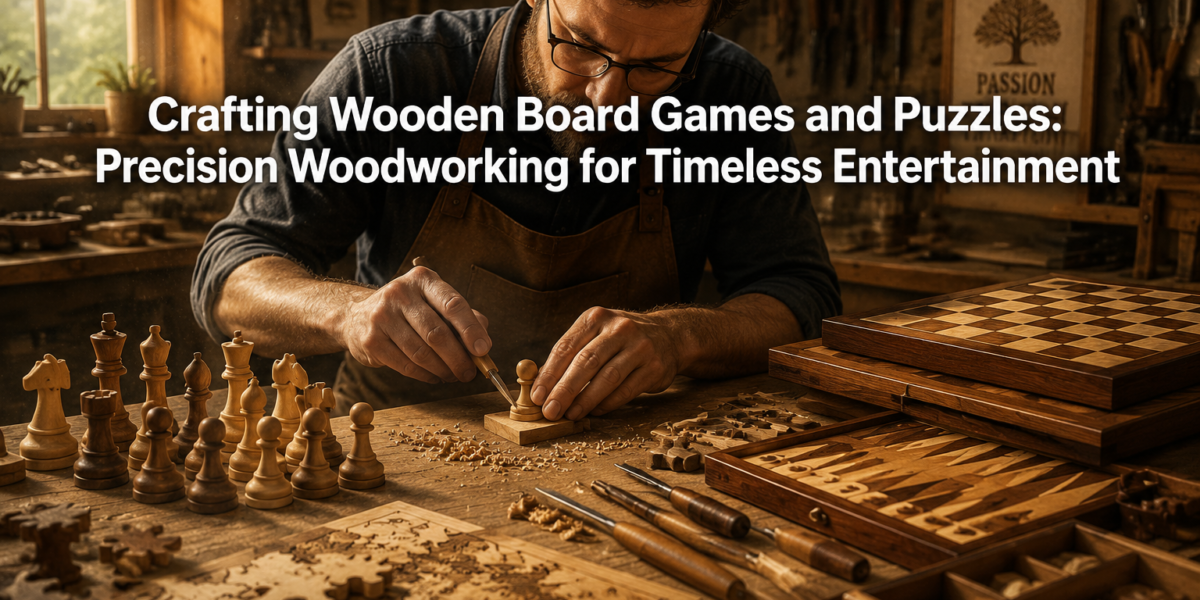
The global market for board games and puzzles, valued at over $15 billion in 2023, continues its robust expansion, with wooden variants holding a cherished niche for their tactile quality, durability, and aesthetic appeal. Amidst this growth, the art of Crafting Wooden Board Games and Puzzles: Precision Woodworking for Timeless Entertainment stands out as a rewarding pursuit, blending age-old craftsmanship with modern woodworking techniques to create heirloom-quality pieces. These aren’t merely playthings; they are intricate works of art, demanding meticulous attention to detail, careful material selection, and sophisticated joinery. This article delves into the essential processes, tools, and considerations for anyone looking to master the creation of beautiful, enduring wooden games and puzzles in 2026.
Key Takeaways
- Precision is Paramount: Success in crafting wooden games relies heavily on accurate measurements, cuts, and joinery techniques to ensure functional and aesthetically pleasing results.
- Material Selection Matters: Choosing the right wood species for its stability, grain, and workability is crucial for the longevity and beauty of your finished pieces.
- Design for Durability and Playability: Beyond aesthetics, consider the game’s mechanics and player interaction, ensuring components are robust and the game functions flawlessly.
- Mastering Finishing Techniques: Proper sanding, staining, and protective finishes not only enhance the wood’s natural beauty but also protect the game for generations of use.
- Heirloom Quality: The goal is to create items that can be passed down, reflecting timeless craftsmanship and offering enduring entertainment.
Mastering the Craft: Essential Techniques for Wooden Game Construction
Crafting Wooden Board Games and Puzzles: Precision Woodworking for Timeless Entertainment demands a foundational understanding of several key woodworking techniques. The quality of your final product hinges on precision at every stage, from initial cuts to intricate inlays.
Wood Selection and Preparation
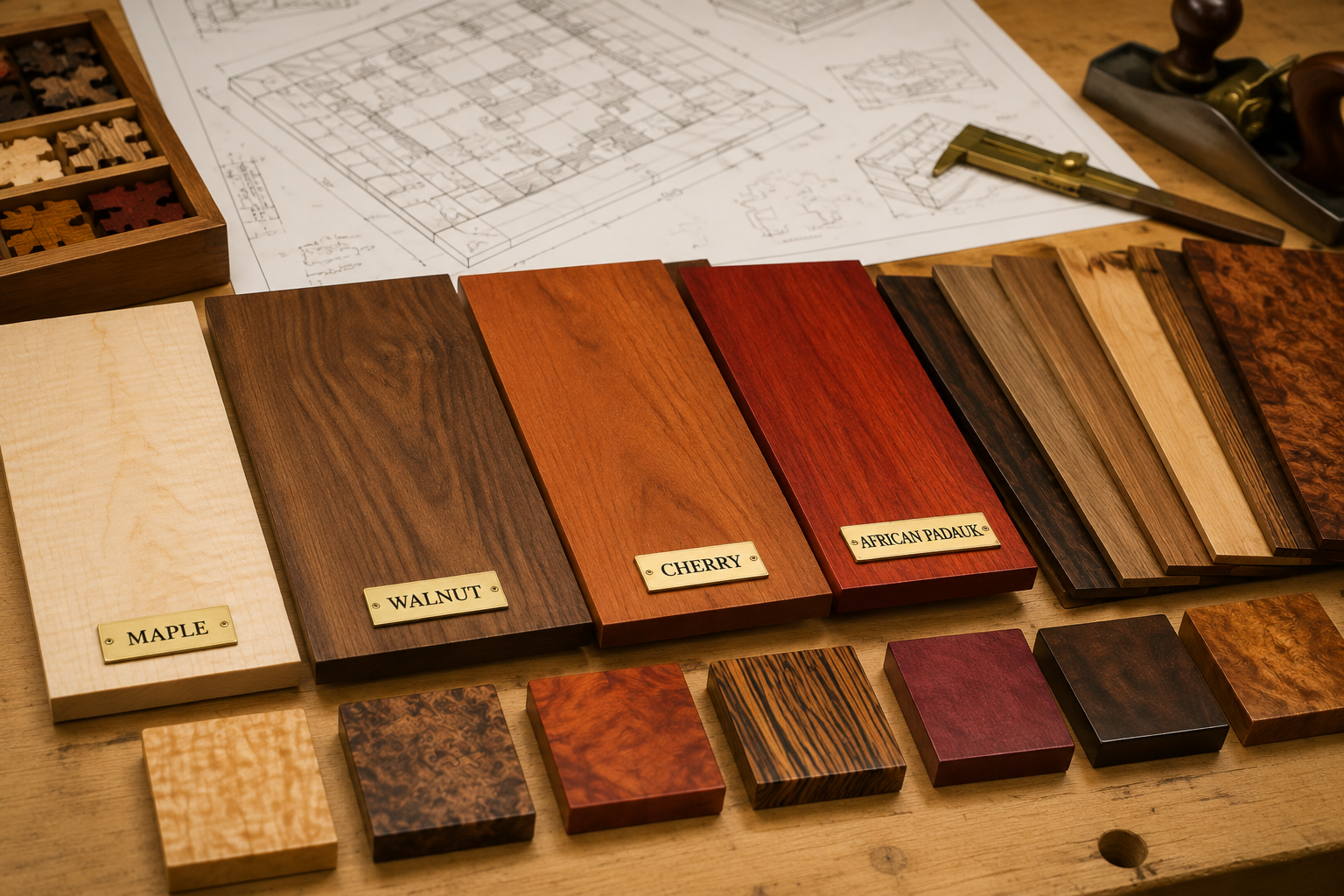
The journey begins with selecting the appropriate wood. Hardwoods like maple, walnut, cherry, and oak are popular choices due to their durability, stability, and beautiful grain patterns. Exotic woods such as wenge or padauk can offer stunning color contrasts for checkerboards or inlay work. For beginners, a stable, medium-density wood like maple is often recommended as it’s forgiving to work with.
Considerations for Wood Selection:
- Hardness: Affects durability and resistance to dents.
- Grain Pattern: Influences aesthetic appeal and how easily the wood can be carved or planed.
- Stability: Crucial for preventing warping or cracking, especially for large game boards.
- Color Contrast: Important for defining game squares or puzzle pieces.
Once selected, proper wood preparation is vital. This includes milling the lumber to precise dimensions, ensuring all faces are flat, square, and parallel. Using a jointer and planer is essential for achieving these tolerances. For advanced projects or if sourcing reclaimed wood, understanding techniques like live edge slab selection and milling can broaden your material options.
Precision Cutting and Joinery
Accuracy in cutting is non-negotiable for board games and puzzles. Even a fraction of a millimeter off can lead to gaps or misaligned pieces.
- Table Saw: Essential for making straight, accurate rips and crosscuts for board elements and puzzle bases.
- Router Table: Excellent for creating dados, rabbets, and decorative edges. For more on maximizing precision with this tool, explore choosing and using router tables.
- Band Saw: Ideal for cutting intricate curves and puzzle piece shapes. Mastering this tool for resawing and curve cutting is an asset for complex puzzles. Learn more about mastering the band saw.
- Jigsaw/Scroll Saw: For very fine, detailed cuts, especially for traditional jigsaw puzzles or unique game piece shapes.
Joinery methods should be chosen for both strength and aesthetics.
- Dovetail Joints: Offer superior strength and a beautiful, traditional look for boxes or game board frames.
- Miter Joints: Common for frames and decorative borders, often reinforced with splines or biscuits.
- Dado and Rabbet Joints: Used for creating recesses for sliding lids, game piece storage, or connecting board sections.
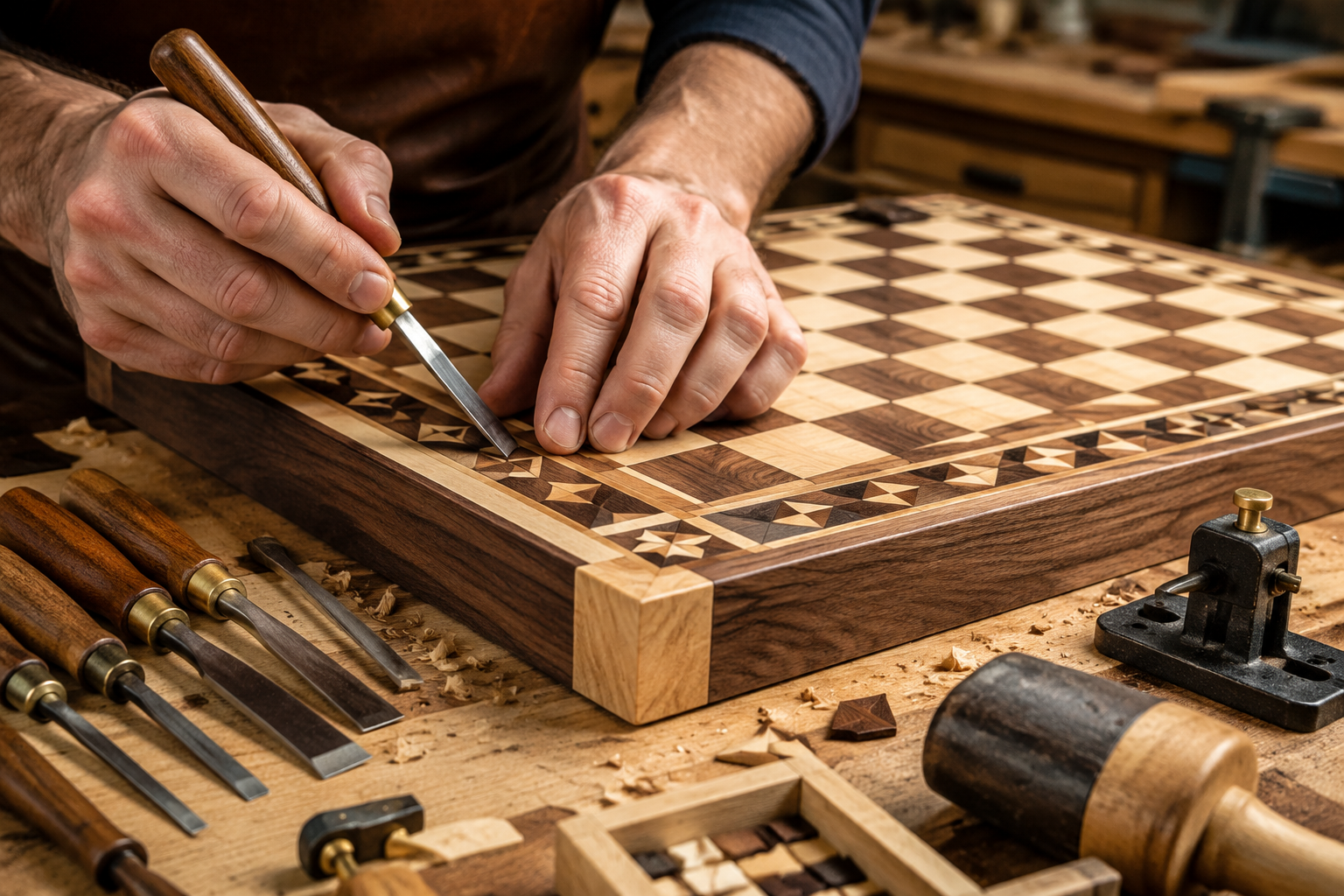
For projects like a chessboard, inlay techniques are central. This involves precisely cutting recesses into a base wood and fitting contrasting wood pieces into those spaces. Laser cutters can achieve unparalleled precision for this, but skilled hand tools can also yield exquisite results, tying back to the artistry of advanced wood carving techniques.
Game Design and Component Creation
The design phase is where functionality meets artistry. When Crafting Wooden Board Games and Puzzles: Precision Woodworking for Timeless Entertainment, consider both the visual appeal and the playability of the game.
Design Principles for Board Games:
- Clarity: Game board markings should be clear and easily distinguishable.
- Durability: Components should withstand repeated handling.
- Ergonomics: Pieces should be comfortable to pick up and move.
- Storage: Plan for integrated storage solutions for game pieces, especially for sets like chess or backgammon. This might involve crafting a box with a hinged lid, a topic further explored in mastering the woodworking box lid.
Puzzle Design Considerations:
- Interlocking Mechanisms: For jigsaw puzzles, ensure snug fits without binding.
- Challenge Level: Adjust the complexity through the number of pieces, uniformity of cuts, and abstractness of the image.
- Material Thickness: Thicker wood creates a more substantial, satisfying puzzle.
Creating Unique Components:
- Turning: For spherical or cylindrical game pieces (e.g., checkers, pawns), a lathe is indispensable. Explore introduction to wood turning for beginners to get started.
- Carving: Intricate chess pieces or decorative elements can be hand-carved, adding a bespoke touch.
- Engraving: Laser engraving can add details like numbers, symbols, or even custom artwork to game boards or pieces. For small personalized items, crafting engraved wooden coasters offers similar skill development.
Regardless of the project, a detailed plan or template is invaluable. Digital design software can aid in creating precise layouts, especially for complex puzzles or game boards with multiple interlocking parts.
Finishing Touches: Bringing Wooden Games to Life
The finishing process transforms raw wood into a beautiful, playable, and durable masterpiece. It’s a critical step in Crafting Wooden Board Games and Puzzles: Precision Woodworking for Timeless Entertainment, enhancing aesthetics and providing protection.
Sanding and Surface Preparation
Proper sanding is the foundation of a good finish. Begin with coarser grits (e.g., 80 or 100) to remove tool marks, gradually moving to finer grits (220, 320, or even 400 for a glass-smooth surface). Sanding between coats of finish is also crucial for achieving a deep, even sheen. Ensure all dust is meticulously removed after each sanding stage to prevent blemishes in the finish.
Staining and Coloring
Stains can enhance the natural grain of the wood or add vibrant colors. Water-based stains are often preferred for games and puzzles as they are non-toxic and can offer a wide array of hues. For contrasting game board squares, use different wood species or apply contrasting stains.
Key Staining Tips:
- Test on Scraps: Always test stains on scrap pieces of the same wood to predict the final color.
- Even Application: Apply stains evenly to avoid blotchiness.
- Wipe Off Excess: Remove excess stain to prevent a muddy appearance.
- Consider Natural Beauty: Sometimes, the wood’s natural color, enhanced by a clear finish, is the most appealing choice.
Protective Finishes
The choice of finish is vital for durability and feel. For items that will be handled frequently, a hard-wearing, non-toxic finish is essential.
| Finish Type | Characteristics | Best For | Notes |
|---|---|---|---|
| Polyurethane | Highly durable, scratch-resistant, available in various sheens (matte to gloss). Can be oil- or water-based. | Game boards, high-wear components | Oil-based poly provides a warmer amber tone; water-based stays clearer. |
| Lacquer | Dries quickly, builds up a thick film, creates a very smooth, hard surface. Can be sprayed for best results. | High-end game pieces, display boards | Requires good ventilation; specialized spraying equipment often needed. |
| Shellac | Natural, non-toxic (once cured), provides a warm, amber tone. Easy to repair. | Traditional game boards, pieces requiring a natural feel, antique replicas | Not as water or heat resistant as poly; often used as a base coat/sealer. |
| Tung Oil/Linseed Oil | Penetrating oils that harden within the wood, providing a natural, matte finish that is highly durable and repairable. Enhances wood grain. | Game pieces, puzzles, boards needing a natural, tactile feel | Requires multiple coats and longer curing times; offers good water resistance. |
| Wax (Carnuba, Beeswax) | Provides a soft, natural luster and some protection. Often used over an oil finish or as a final polish. | Decorative elements, light-use puzzles | Not highly durable on its own; requires reapplication. |
For objects like children’s puzzles or toys, ensuring the finish is food-safe and non-toxic is paramount. Detailed guides on wood finishing techniques can provide deeper insights into specific applications. In 2026, there is an increasing emphasis on sustainable and low-VOC finishes, aligning with eco-conscious crafting practices.
The Enduring Appeal of Crafted Wooden Games
The demand for handcrafted items, especially those offering a respite from digital screens, continues to grow. Crafting Wooden Board Games and Puzzles: Precision Woodworking for Timeless Entertainment meets this demand by producing items that offer tactile satisfaction and aesthetic beauty. These pieces are not just games; they are conversation starters, artistic displays, and potential family heirlooms.
Customization and Personalization
One of the greatest advantages of crafting your own games is the ability to customize.
- Unique Themes: Design a board game around a personal interest or a family history.
- Personalized Engravings: Add names, dates, or special messages to make a gift truly unique.
- Bespoke Pieces: Create custom game pieces that reflect individual tastes or inside jokes.
These personalized touches significantly elevate the value and sentiment of the finished product, making them ideal for special occasions or as gifts that truly last.
The Value of Heirloom Quality
In a world of mass-produced goods, a handmade wooden game stands apart. When meticulously crafted using precision woodworking techniques and durable finishes, these items are designed to last for generations. Imagine a chess set or a puzzle passed down through a family, each scratch and fade telling a story. This enduring quality fosters a connection between generations and provides lasting memories, embodying the true spirit of timeless entertainment.
Consider integrating game boards into larger furniture pieces, like a coffee table with a removable top revealing a backgammon board. This approach combines functionality with artistry, echoing concepts found in crafting custom wooden record player consoles. Such projects truly highlight the versatility and potential of advanced woodworking skills.
Conclusion
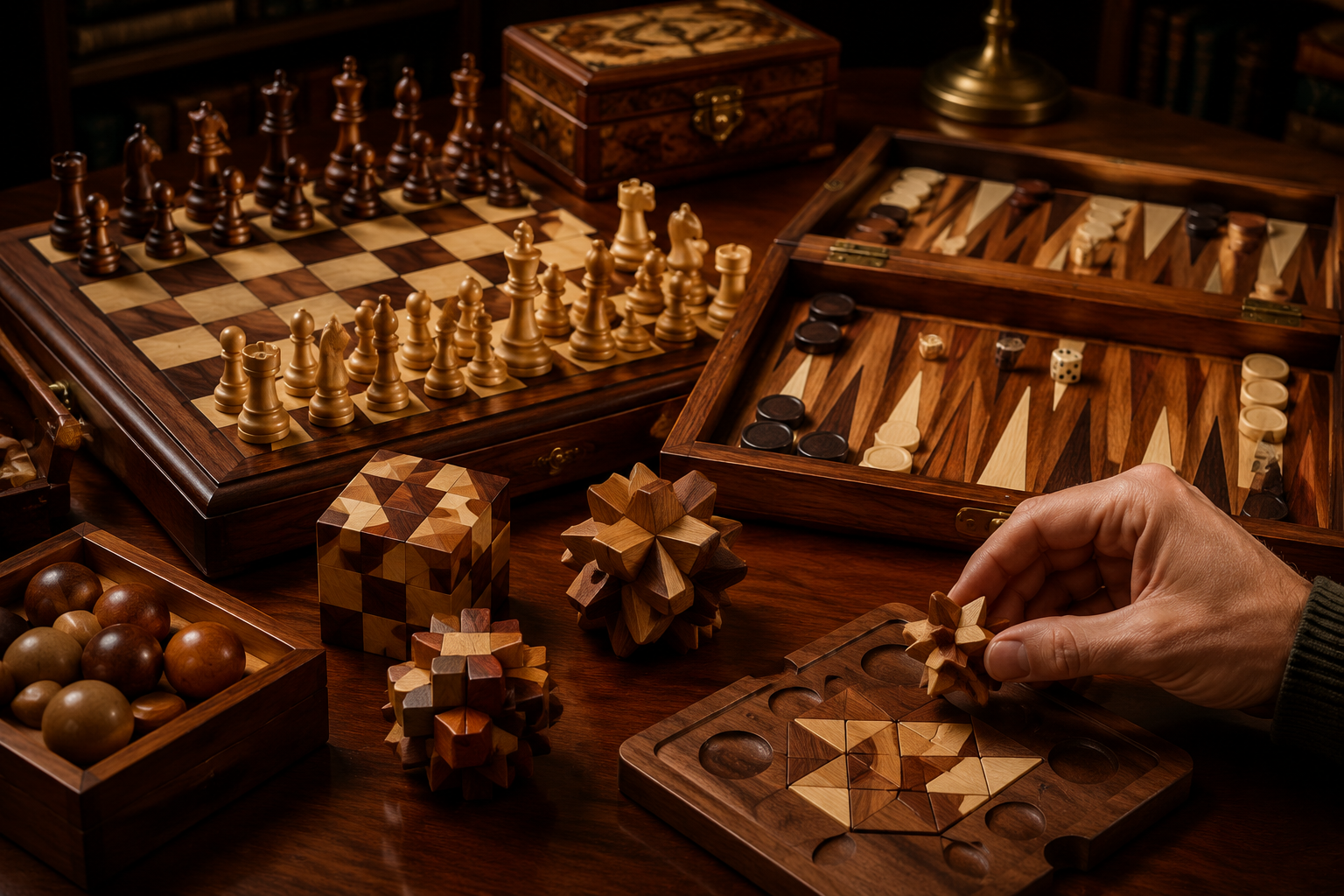
The journey of Crafting Wooden Board Games and Puzzles: Precision Woodworking for Timeless Entertainment is one of dedication, skill, and immense satisfaction. From the careful selection of timber to the meticulous application of finishes, each step contributes to creating a functional work of art. In 2026, as appreciation for authentic craftsmanship and durable goods grows, mastering this niche offers a rewarding avenue for woodworkers. The precision required pushes your skills, the creative freedom allows for unique expression, and the final product provides joy and lasting entertainment.
To embark on this path, start with simpler projects to hone your precision cutting and joinery skills. Gradually incorporate more complex techniques like inlay or intricate carving. Invest in quality tools and learn proper safety procedures. Most importantly, embrace the process of creation, knowing that each game or puzzle you craft has the potential to become a cherished heirloom, bringing smiles and intellectual challenge for years to come. Your hands can truly shape timeless entertainment.