
The decision to build with wood is often the first step in a woodworking journey. However, the true craftsmanship begins with a pivotal choice: selecting the right wood species. Overlooking this critical phase can lead to frustrating project failures, wasted materials, and finishes that simply don’t perform as expected. This comprehensive Wood Species Selection Guide: Hardwoods vs. Softwoods, Cost, Workability, and Finishing for Every Project Type, aims to equip you with the knowledge needed to make informed decisions that align with your project goals, budget, available tools, and desired aesthetic outcome in 2026.
Key Takeaways
- Hardwoods vs. Softwoods: Hardwoods are denser and more durable, ideal for furniture and flooring, while softwoods are generally easier to work with, more affordable, and suited for construction or rustic projects.
- Cost Considerations: Wood prices vary significantly based on species, grade, and availability. Factor in both the initial material cost and potential finishing expenses.
- Workability is Key: Your chosen wood must be compatible with your tools and skill level. Some woods are notoriously difficult to cut or shape.
- Finishing Potential: Different woods react uniquely to stains, oils, and sealants. Test finishes on scrap pieces to ensure the desired look is achievable.
- Project-Specific Selection: Match the wood’s inherent properties (strength, appearance, decay resistance) to the demands of your specific project, whether it’s fine furniture or an outdoor structure.
Understanding Wood Species: Hardwoods vs. Softwoods
The fundamental distinction in wood selection lies between hardwoods and softwoods. This isn’t strictly about literal hardness, but rather the botanical classification of the tree itself. Hardwoods come from deciduous trees (those that lose their leaves annually), while softwoods come from coniferous trees (evergreens with needles and cones). This botanical difference translates directly into their physical properties and, consequently, their suitability for various woodworking applications.
Hardwoods: Density, Durability, and Aesthetics
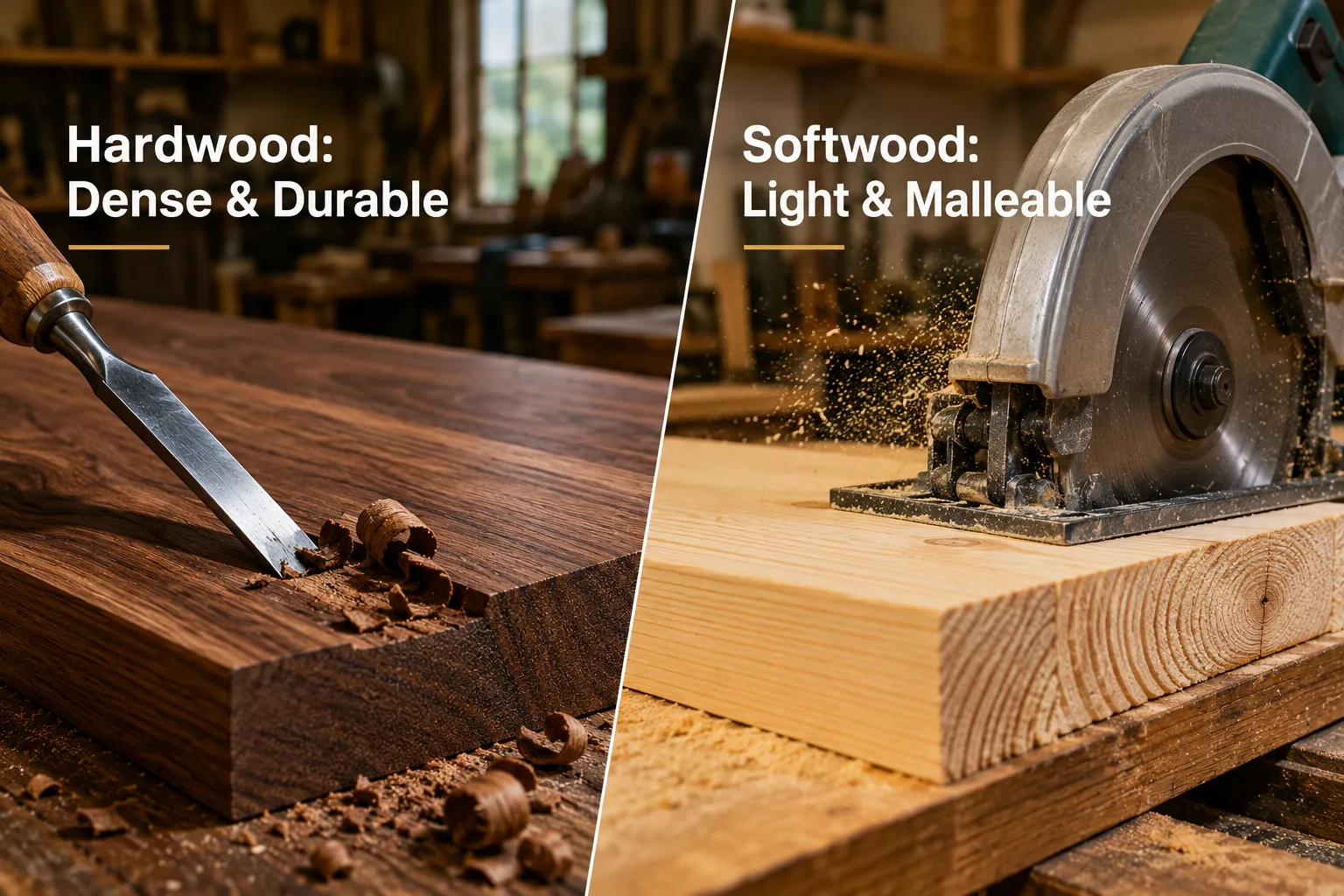
Hardwoods are generally denser, stronger, and more durable than softwoods. This makes them ideal for projects requiring longevity, resistance to wear and tear, and a premium aesthetic. They often feature complex, beautiful grain patterns that take finishes exceptionally well.
Common Hardwoods and Their Uses:
- Oak (Red & White): Extremely strong and durable, with a prominent open grain. White oak is more water-resistant. Excellent for furniture, flooring, cabinetry, and outdoor applications.
- Maple: Very dense and hard, with a fine, even grain. Resistant to dents. Popular for butcher blocks, flooring, furniture, and turning projects.
- Cherry: Known for its rich reddish-brown color that darkens with age and exposure to light. Fine, straight grain, easy to work with. Highly prized for fine furniture, cabinetry, and decorative items.
- Walnut: A premium hardwood with a beautiful dark brown color and striking grain. Strong, stable, and works well with tools. Perfect for high-end furniture, gunstocks, and decorative accents.
- Mahogany: Renowned for its reddish-brown color, fine grain, and excellent stability. Easy to work and finishes beautifully. Used for luxury furniture, boat building, and musical instruments.
- Poplar: While technically a hardwood, it’s relatively soft and often used as a utility wood for painted furniture, interior trim, or as a secondary wood in cabinetry. It’s affordable and takes paint well.
Pros of Hardwoods:
- Superior durability and strength
- Excellent aesthetic appeal with diverse grain patterns
- Good resistance to dents and scratches
- Holds finishes beautifully
- Long lifespan
Cons of Hardwoods:
- Generally more expensive
- Can be challenging to work with due to density (harder on tools)
- Heavier weight
Softwoods: Accessibility, Affordability, and Versatility
Softwoods typically grow faster than hardwoods, making them more readily available and often more affordable. They are generally lighter in weight and easier to cut, sand, and fasten. While less dense than hardwoods, many softwoods offer good strength-to-weight ratios and are excellent for structural applications, rustic furniture, and outdoor projects when properly treated.
Common Softwoods and Their Uses:
- Pine (White, Yellow, Ponderosa): Widely available and affordable. Soft, light, and easy to work. Used for construction lumber, framing, rustic furniture, shelving, and interior trim.
- Cedar (Western Red, Eastern Red): Known for its aromatic scent and natural resistance to decay and insects. Lightweight and dimensionally stable. Ideal for outdoor furniture, decking, fencing, and cedar chests.
- Fir (Douglas Fir): Strong and stiff, commonly used as construction lumber, framing, and plywood. Has a distinct straight grain.
- Spruce: Similar to pine in workability and cost. Used for general construction, framing, and sometimes for hidden internal components of furniture.
- Redwood: Highly resistant to rot and insects, making it excellent for outdoor applications like decks, fences, and garden structures. Has a beautiful reddish hue.
Pros of Softwoods:
- More affordable and widely available
- Easier to cut, nail, and sand
- Lighter weight
- Some varieties offer natural insect and rot resistance
Cons of Softwoods:
- Less durable and prone to dents and scratches
- Can be sappy, potentially affecting finishes
- Grain can be less visually interesting for fine furniture
Project Type, Cost, and Workability: Crafting Your Wood Species Selection Guide
Matching the right wood to your specific project is the cornerstone of successful woodworking. This section expands on the “Wood Species Selection Guide: Hardwoods vs. Softwoods, Cost, Workability, and Finishing for Every Project Type” by diving into how project requirements, budget, and workability influence your choice.
Matching Wood to Project Type
Consider the function and environment of your project:
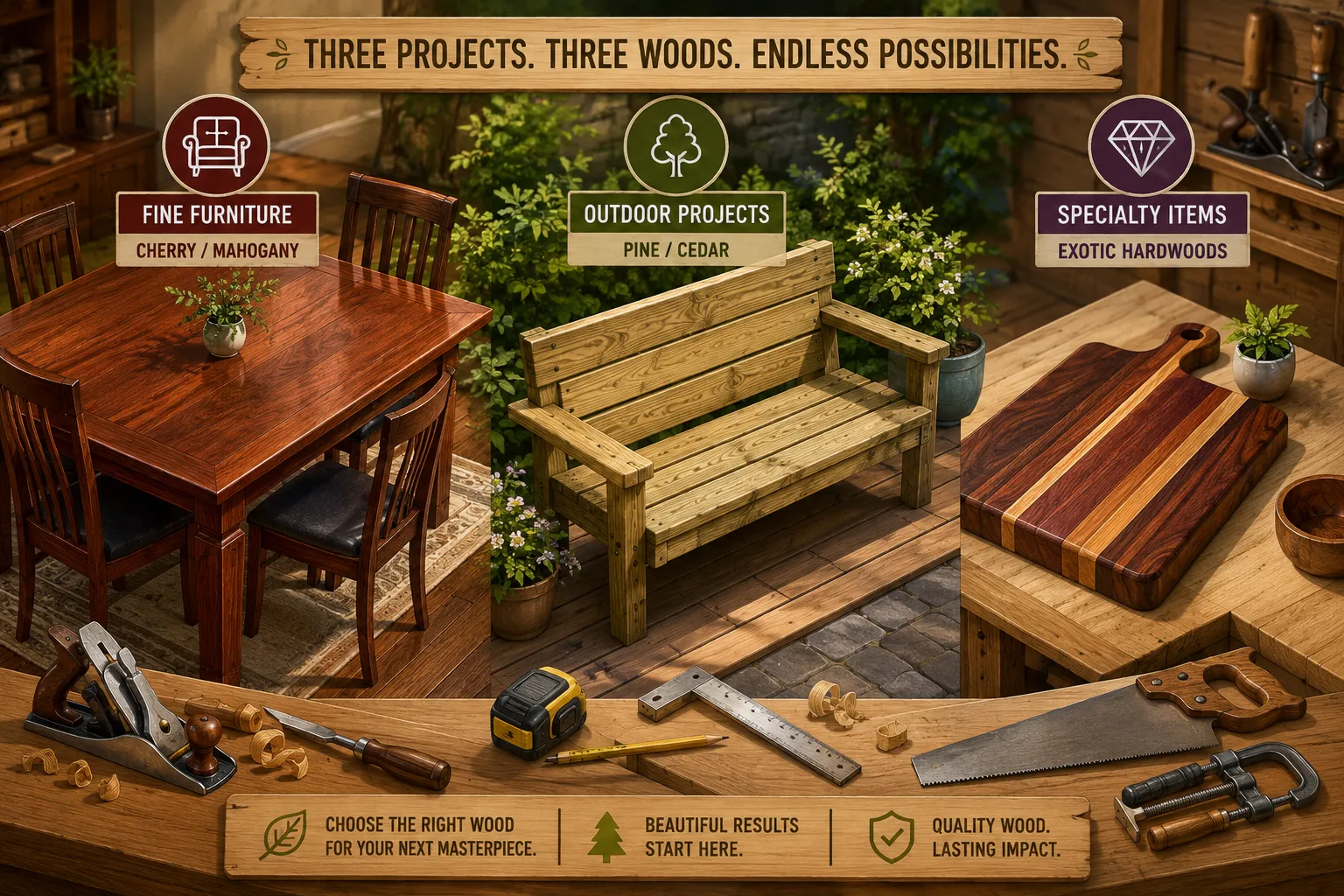
- Fine Furniture (e.g., Dining Tables, Cabinets): For pieces that need to withstand daily use, look elegant, and last for generations, hardwoods are typically preferred. Oak, Maple, Cherry, and Walnut offer durability, stability, and beautiful grain. For more on crafting fine furniture, consider exploring resources on mastering wood joinery techniques.
- Structural & Construction (e.g., Framing, Decking): Strength-to-weight ratio, stability, and often rot resistance are key. Douglas Fir and Pine are staples for framing, while treated Pine, Cedar, or Redwood are excellent for outdoor decking and pergolas.
- Outdoor Projects (e.g., Benches, Planters): Natural decay and insect resistance are crucial. Cedar, Redwood, and pressure-treated pine are excellent choices. Learn more about budget-friendly pergola and outdoor sofa sets.
- Decorative & Craft Items (e.g., Bowls, Boxes): Workability, grain beauty, and how well it takes intricate details are important. Maple, Cherry, Walnut, and even some exotic woods are popular. Poplar is good for painted crafts. Small, profitable projects like jewelry boxes and picture frames often benefit from beautiful woods.
- Utility & Shop Furniture: Cost and strength are primary. Pine, Poplar, or even plywood are suitable for workbenches, shelves, and jigs, where appearance is secondary. For building a workbench, check out our guide on building a DIY woodworking bench for beginners.
Cost Considerations
Wood prices fluctuate based on species, grade (e.g., FAS – First and Seconds, Select, #1 Common), thickness, and geographic availability.
- Softwoods: Generally the most budget-friendly. Pine, spruce, and fir are usually the cheapest options per board foot.
- Domestic Hardwoods: Oak, Maple, and Poplar are mid-range. Cherry and Walnut are typically more expensive, reflecting their demand and aesthetic value.
- Exotic Hardwoods: These can be significantly more expensive due to rarity, import costs, and unique properties. Always consider sourcing eco-friendly lumber when exploring exotic options.
“A common beginner mistake is falling in love with an expensive wood before considering the project’s scale and their budget. Start with affordable options to hone your skills, then graduate to premium species.”
Workability and Tool Access
The ease with which a wood can be cut, planed, sanded, and joined is crucial.
- Easy to Work: Pine, Poplar, Cedar, and Basswood are soft and forgiving. They cut easily, sand quickly, and are less likely to dull tools rapidly. Ideal for beginners or projects requiring intricate carving.
- Moderately Easy to Work: Cherry, Mahogany, and some maples fall here. They offer a good balance of hardness and workability, allowing for fine details without excessive effort.
- Challenging to Work: Dense hardwoods like Oak, Hard Maple, and some exotic species (e.g., Wenge, Jatoba) can be very hard on tools, require sharp blades, and demand more effort. They may also be prone to tear-out if not handled carefully. Consider investing in quality essential hand tools and power tools with sufficient power for these woods.
Finishing Potential and Considerations
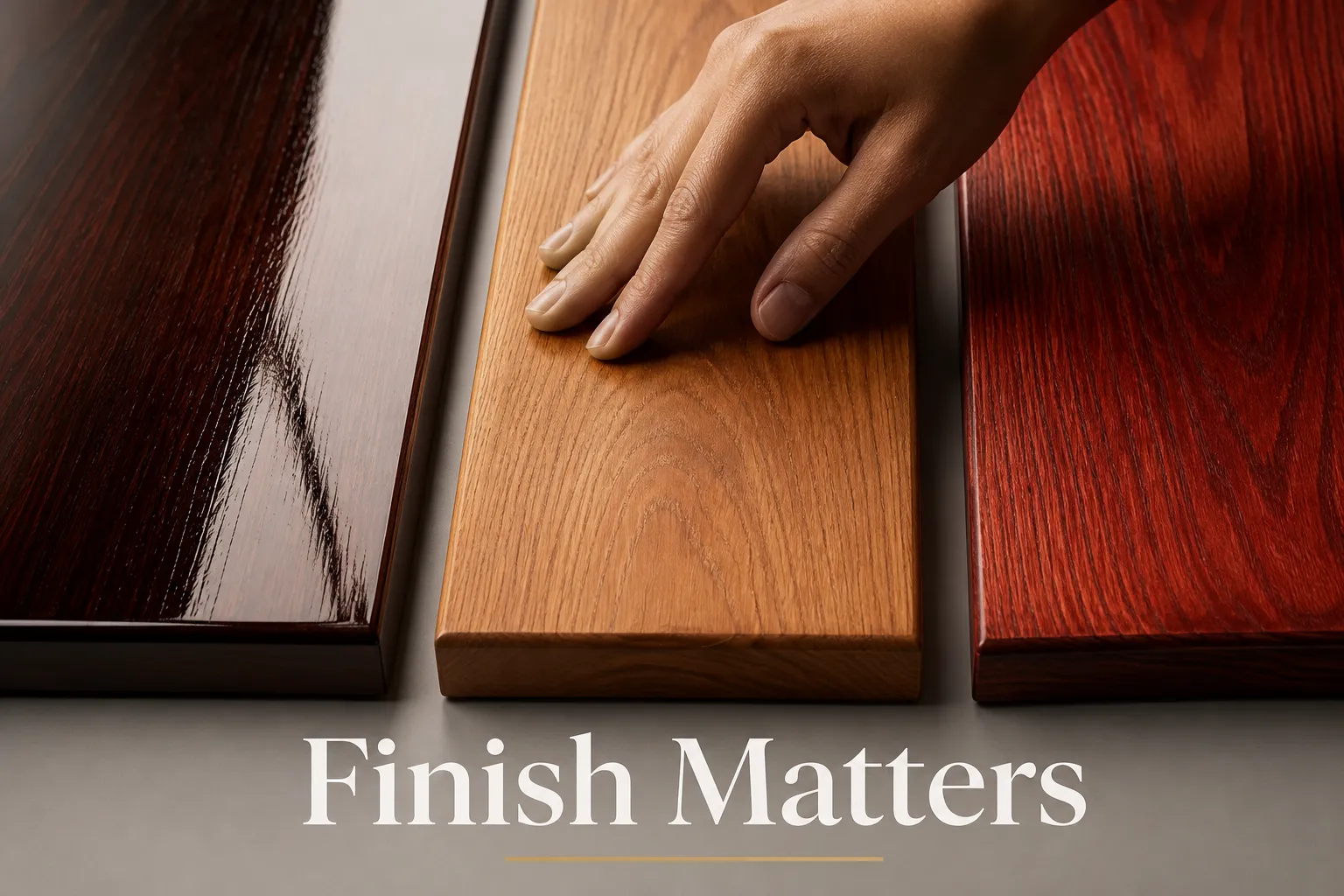
The finish you apply can dramatically alter the appearance, durability, and even the perceived value of your woodworking project. Different wood species react uniquely to various finishing products, making this a critical factor in your Wood Species Selection Guide: Hardwoods vs. Softwoods, Cost, Workability, and Finishing for Every Project Type.
How Wood Grain and Porosity Affect Finishing
- Open-Grain Woods (e.g., Oak, Ash): These woods have larger pores that can absorb more stain, leading to darker results and sometimes requiring grain fillers for a perfectly smooth surface. They often benefit from oil-based finishes that penetrate deeply.
- Closed-Grain Woods (e.g., Maple, Cherry, Pine): With smaller, tighter pores, these woods tend to absorb less stain, potentially leading to blotchiness, especially with dark stains. They are often best suited for clear coats, light stains, or dyes.
- Resinous Woods (e.g., Pine, Fir): These softwoods contain natural resins and sap that can interfere with finish adhesion and absorption, leading to uneven staining. Pre-conditioners or shellac wash coats are often recommended.
Popular Finishing Options and Their Compatibility
- Stains:
- Oil-based Stains: Penetrate well into open-grain woods, creating rich, deep colors. Can be challenging on closed-grain woods due to blotchiness.
- Water-based Stains: Less prone to blotchiness than oil-based on closed-grain woods, but can raise the grain, requiring extra sanding.
- Gel Stains: Sit more on the surface, making them excellent for preventing blotchiness on difficult woods like pine or maple.
- Clear Coats (Sealants and Topcoats):
- Polyurethane: Highly durable, moisture-resistant, and available in various sheens. Great for high-traffic items like tabletops and flooring. Adheres well to most woods.
- Lacquer: Dries quickly and builds a hard, durable finish. Favored in professional shops.
- Shellac: A natural, non-toxic finish that offers good protection and a warm amber tone. Often used as a sealer coat under other finishes.
- Varnish: A very durable and weather-resistant finish, excellent for outdoor furniture.
- For a dark, moody aesthetic, consider a matte hardwax oil finish.
- Oils (e.g., Tung Oil, Linseed Oil, Danish Oil):
- Penetrate into the wood, enhancing its natural color and grain while providing a protective, matte finish.
- Excellent for woods where you want to feel the natural texture, like cutting boards or furniture with a tactile appeal.
- Require reapplication over time.
Testing Finishes
Always, always test your chosen finish on a scrap piece of the exact wood you’re using for your project. This is the only way to accurately predict how the wood will absorb the stain or react to the topcoat and ensure you achieve the desired aesthetic. Pay attention to how the finish changes the wood’s color, how it highlights the grain, and how durable it feels.
Choosing the right finish is as important as selecting the right wood. The interplay between species and finish defines the final look and longevity of your creation. For more general guidance on finishing techniques, visit our finishing category.
Conclusion
Navigating the vast world of wood species can seem daunting, but with this Wood Species Selection Guide: Hardwoods vs. Softwoods, Cost, Workability, and Finishing for Every Project Type, you’re now equipped to make confident choices. By understanding the fundamental differences between hardwoods and softwoods, carefully considering your project’s specific demands, factoring in budget and workability, and anticipating the final finish, you can ensure your woodworking endeavors in 2026 are not only successful but truly shine.
Remember, there’s no single “best” wood; only the best wood for your project. Don’t be afraid to experiment with different species on smaller projects, and always prioritize safety and sustainability in your sourcing. Your journey in woodworking is one of continuous learning and creativity, and selecting the perfect wood is a rewarding step in that process.