
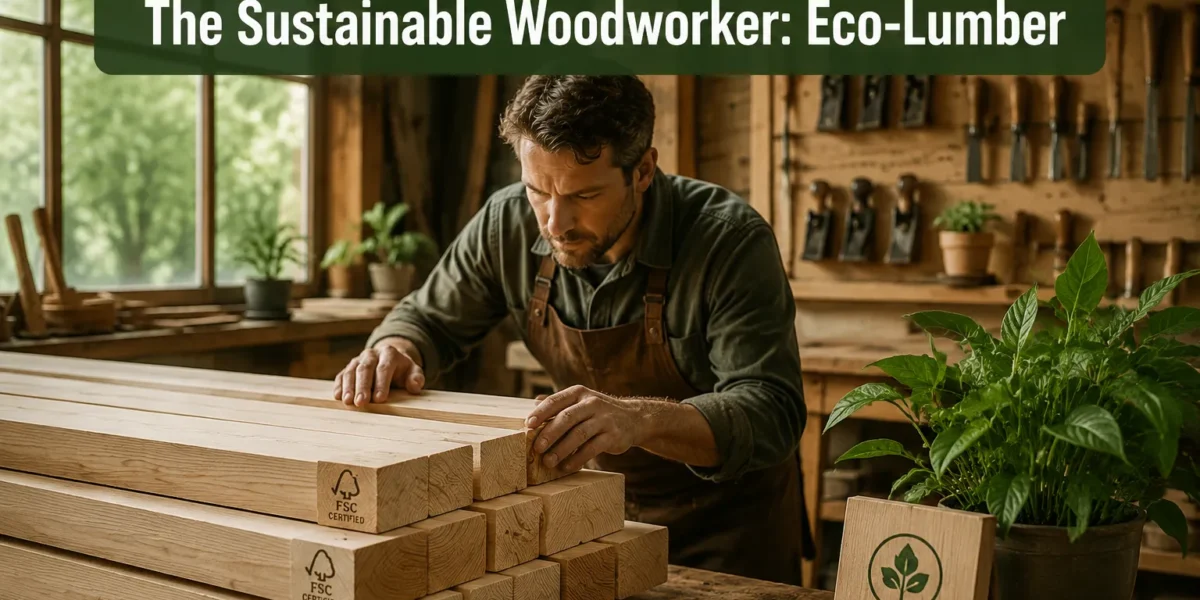
Global deforestation accounts for approximately 10% of global greenhouse gas emissions, making sustainable forestry a critical component of environmental stewardship (World Resources Institute, 2024). For woodworkers, this statistic underscores the profound impact material choices have beyond the workshop. Embracing sustainable practices is no longer an optional ethical nicety but a fundamental responsibility for anyone shaping wood. “The Sustainable Woodworker: Choosing Eco-Friendly Lumber and Low-VOC Finishing for Your Projects” provides a comprehensive guide to navigating these crucial decisions, ensuring your craft contributes positively to both your health and the planet’s well-being. By thoughtfully selecting lumber and finishes, woodworkers can create beautiful, lasting pieces that tell a story of environmental care.
Key Takeaways
- Prioritize certified lumber (FSC, SFI) to ensure wood comes from responsibly managed forests.
- Explore alternative eco-friendly wood sources like reclaimed, salvaged, and locally sourced lumber.
- Understand the health and environmental risks associated with high-VOC finishes and seek out low-VOC or natural alternatives.
- Learn about various eco-friendly finishing options, including water-based, oil-based, and natural wax finishes, and their proper application.
- Integrate sustainable practices throughout your entire woodworking process, from material selection to waste reduction.
The Foundation of Green Craft: Choosing Eco-Friendly Lumber
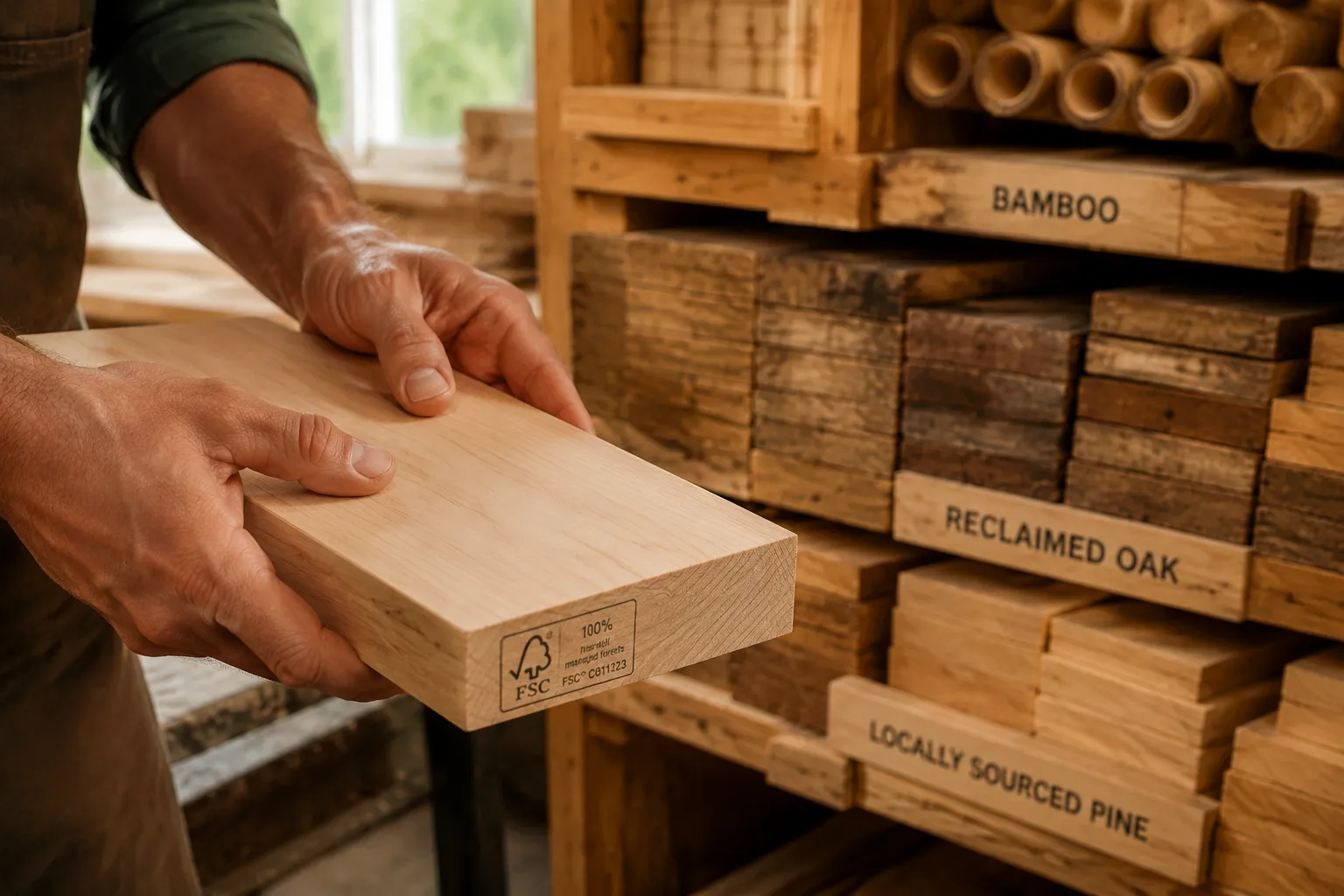 The journey of “The Sustainable Woodworker: Choosing Eco-Friendly Lumber and Low-VOC Finishing for Your Projects” begins with the most fundamental material: wood itself. Not all lumber is created equal when it comes to environmental impact. Understanding the origins and processing of your wood stock is paramount to sustainable woodworking.
Certified Sustainable Wood
Certification programs offer a reliable way to verify that your lumber comes from forests managed in an environmentally, socially, and economically responsible manner.
- Forest Stewardship Council (FSC): Widely recognized as the gold standard, FSC certification ensures that wood products originate from responsibly managed forests that provide environmental, social, and economic benefits. This includes protecting biodiversity, ensuring fair wages for workers, and respecting indigenous rights. When you see the FSC label, you can be confident in the wood’s provenance.
- Sustainable Forestry Initiative (SFI): SFI is another robust certification program, particularly prevalent in North America. While its standards differ slightly from FSC, SFI also promotes sustainable forest management, responsible sourcing, and community involvement. Choosing SFI-certified lumber is a strong step towards sustainability.
When purchasing lumber, always ask your supplier about their certifications. Reputable lumberyards will readily provide this information. For those building larger projects like dining tables, sourcing certified wood for Beginner’s Guide to Dining Tables: Standard Sizes, Joinery Options, and Wood Choices for Your First Build becomes even more impactful.
Reclaimed and Salvaged Wood
Perhaps the ultimate form of recycling in woodworking, using reclaimed or salvaged wood prevents perfectly good material from ending up in landfills. This category includes:
- Barn wood and industrial salvage: Old barns, factories, and warehouses often contain incredibly durable and character-rich timbers that can be repurposed. This wood typically comes from old-growth trees, meaning denser grain and unique patinas.
- Urban salvage: Trees removed due to storm damage, disease, or urban development can be milled into usable lumber. Many municipalities and private companies now offer urban salvage programs. This often yields local species that might otherwise be difficult to source.
- Recycled pallets and crates: While often smaller and requiring more preparation, pallet wood can be an excellent free or low-cost source for smaller projects like Crafting Custom Wooden Planters for Indoor Herbs and Succulents: Aesthetic Designs for Urban Gardeners. Always check for chemical treatments, particularly if the wood is intended for indoor use or food contact. Look for the “HT” (heat treated) stamp, avoiding “MB” (methyl bromide treated).
Working with reclaimed wood often requires more effort in terms of cleaning, de-nailing, and milling, but the unique character and environmental benefits are significant rewards.
Locally Sourced and Native Species
Reducing the carbon footprint associated with transportation is another pillar of sustainable woodworking.
- Local sourcing: Buying lumber from local sawmills or suppliers drastically cuts down on the energy required to transport materials. It also supports local economies.
- Native species: Opting for wood species that are indigenous to your region often means they are better adapted to the local climate, potentially requiring less energy-intensive drying and processing. It also helps support local ecosystems.
- Avoid exotic hardwoods: While often beautiful, many exotic hardwoods from tropical regions are associated with unsustainable harvesting practices and illegal logging. If you must use them, ensure they are FSC-certified. For understanding various wood types, consult resources like Understanding Wood Species: A Guide to Characteristics, Uses, and Sourcing for DIY Woodworkers.
Fast-Growing and Renewable Resources
Some wood and wood-like products offer faster regeneration cycles, making them more sustainable choices.
- Bamboo: Technically a grass, bamboo grows incredibly fast and can be harvested without killing the plant. It’s strong, stable, and available in various forms for woodworking.
- Cork: Harvested from the bark of cork oak trees without felling the tree, cork is a renewable and versatile material.
- Wood alternatives: Consider using composite materials made from recycled wood fibers or plastics for specific applications where durability and water resistance are key.
Breathing Easy: Low-VOC Finishing for Your Projects
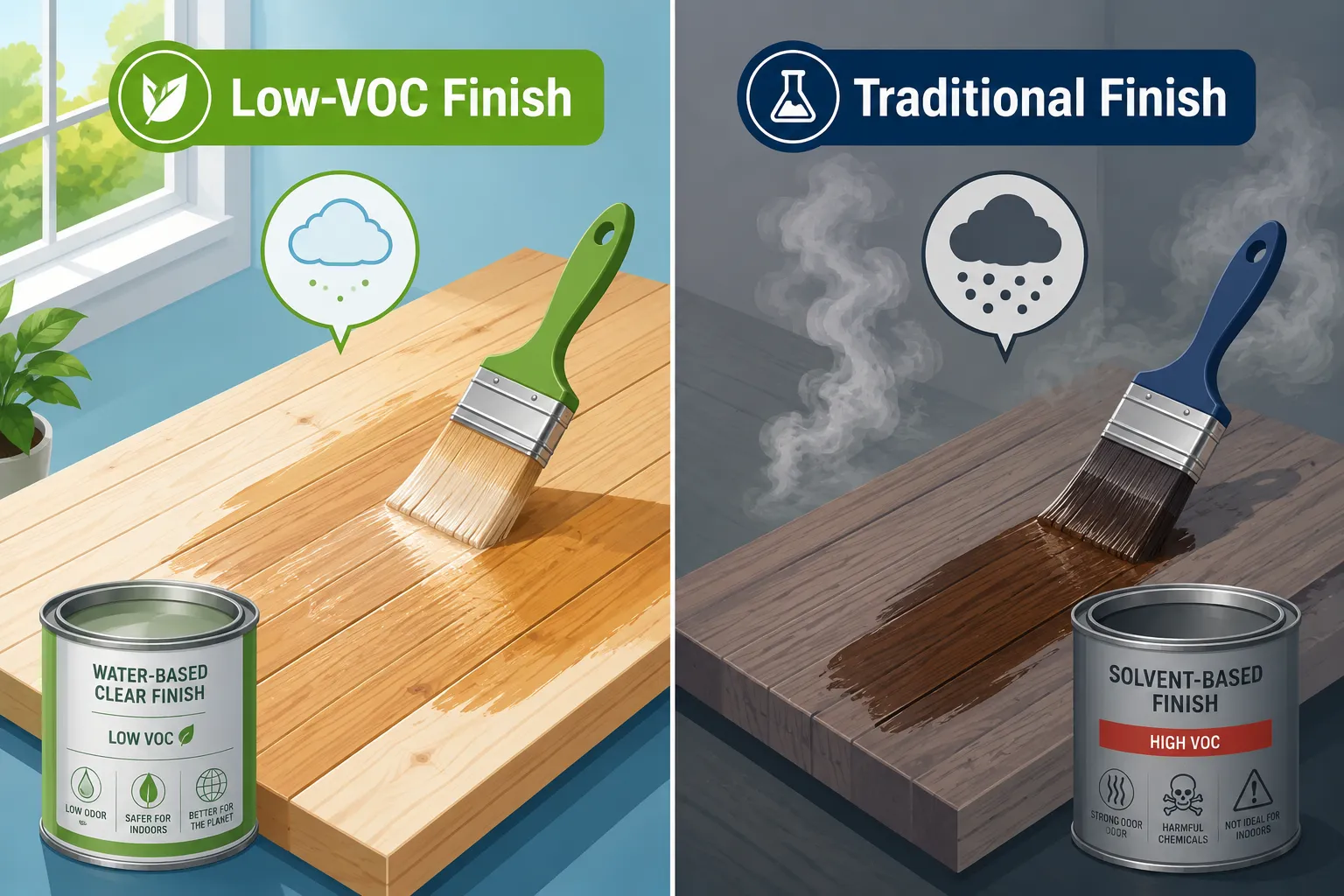 After carefully selecting your eco-friendly lumber, the next critical step in “The Sustainable Woodworker: Choosing Eco-Friendly Lumber and Low-VOC Finishing for Your Projects” is choosing appropriate finishes. Traditional wood finishes often contain high levels of Volatile Organic Compounds (VOCs), which can be harmful to both the woodworker and the environment.
Understanding VOCs and Their Impact
VOCs are carbon-containing chemicals that vaporize at room temperature. They are commonly found in paints, stains, lacquers, and varnishes.
- Health impacts: Exposure to high levels of VOCs can cause headaches, dizziness, nausea, and respiratory irritation. Long-term exposure has been linked to more serious health issues, including kidney damage, liver damage, and central nervous system damage (EPA, 2021).
- Environmental impacts: VOCs contribute to air pollution and ground-level ozone, a major component of smog. They can also persist in the environment, contributing to indoor air quality problems long after application.
Opting for low-VOC or zero-VOC finishes significantly reduces these risks, creating a healthier workshop and a cleaner environment. It’s also worth considering proper workshop ventilation and personal protective equipment, especially if you are Building a Sustainable Backyard Workshop: Eco-Friendly Materials, Solar Power, and Rainwater Harvesting for the Modern Woodworker.
Categories of Eco-Friendly Finishes
| Finish Type | Description | Pros | Cons |
|---|---|---|---|
| Water-Based | Uses water as a solvent; low-VOC acrylics or polyurethanes. | Low odor, fast drying, easy cleanup, durable. | Can raise wood grain, less penetration than oils, may appear “plasticky.” |
| Natural Oil | Tung oil, linseed oil (flaxseed oil), hemp oil. Penetrates and hardens wood. | Enhances natural wood grain, repairable, low to zero VOCs (pure oils). | Longer drying times, less protection against abrasion than polyurethane. |
| Natural Wax | Beeswax, carnauba wax, often mixed with natural oils. Creates a soft, satin sheen. | Non-toxic, easy to apply and re-apply, beautiful feel. | Less durable, requires more frequent reapplication, prone to water spots. |
| Shellac | Natural resin dissolved in denatured alcohol. Historically used for centuries. | Non-toxic when dry, fast drying, provides a beautiful amber tone, great sealer. | Not highly water or heat resistant, alcohol-soluble. |
| Milk Paint | An ancient paint made from milk protein, lime, clay, and pigments. | Zero-VOC, biodegradable, creates a unique matte, antique finish. | Limited color palette, requires a topcoat for durability. |
Specific Low-VOC Finishing Options
- Water-Based Polyurethanes and Lacquers: These modern finishes have come a long way in terms of durability and ease of use. They dry quickly, clean up with water, and emit significantly fewer VOCs than their solvent-based counterparts. They are excellent for projects requiring high durability, such as furniture or flooring.
- Pure Tung Oil and Linseed Oil: Be cautious when selecting these, as many “tung oil finish” or “linseed oil finish” products are actually oil/varnish blends that may still contain high VOCs. Look for 100% pure tung oil or boiled linseed oil (some brands may add metallic dryers, which can be a concern; raw linseed oil is slowest drying). These finishes penetrate the wood, offering protection from within while enhancing the natural beauty. They are often used for food-safe applications once fully cured. For more on oil finishes, check out Tung Oil vs. Polyurethane: Choosing and Applying Finishes for Indoor Furniture.
- Natural Waxes: Beeswax and carnauba wax, often mixed with a natural solvent like citrus-based thinner, provide a beautiful, soft luster. They are non-toxic and easy to apply but offer less protection against moisture and abrasion than harder finishes. They are ideal for decorative items or pieces that won’t see heavy use, such as Handcrafted Jewelry Boxes and Serving Trays: Building Heirloom Quality Small Projects That Command Premium Prices.
- Zero-VOC Stains and Dyes: If coloring is desired, look for water-based stains or natural dyes (e.g., made from plant extracts). These allow you to alter the wood’s color without introducing harmful chemicals. Always test on scrap wood first.
Safe Application Practices
Even with low-VOC finishes, proper ventilation is crucial. Work in a well-ventilated area, wear appropriate personal protective equipment (gloves, respirators if recommended), and allow ample time for curing. Proper disposal of rags and unused finish is also important; oil-soaked rags can spontaneously combust, so always lay them flat to dry or store them in a metal can filled with water.
Holistic Sustainability: Beyond Lumber and Finishes
 “The Sustainable Woodworker: Choosing Eco-Friendly Lumber and Low-VOC Finishing for Your Projects” extends beyond just materials. A truly sustainable approach encompasses the entire lifecycle of your craft.
Efficient Material Use and Waste Reduction
- Smart Layout and Cutting: Plan your cuts carefully to minimize waste. Utilize software or even graph paper to optimize board layouts. This not only saves material but also money.
- Scrap Wood Management: Don’t discard small scraps. Organize them for future small projects like plugs, inlays, or even kindling. For inspiration, consider Crafting Bespoke Wooden Gifts: Personalized Projects for Every Occasion and Skill Level, which often utilizes smaller pieces.
- Sawdust and Shavings: Collect sawdust for compost, animal bedding, or as a filler in wood putty. Ensure it’s from untreated, natural wood.
Energy Efficiency in the Workshop
- Tool Maintenance: Well-maintained tools run more efficiently, consuming less energy and producing better results. Sharp blades and bits require less effort from your machines.
- Natural Lighting: Maximize natural light in your workshop to reduce the need for artificial lighting during the day.
- Renewable Energy: Consider installing solar panels or other renewable energy sources for your workshop, especially if you are venturing into Building a Sustainable Backyard Workshop: Eco-Friendly Materials, Solar Power, and Rainwater Harvesting for the Modern Woodworker.
Longevity and Repairability
A truly sustainable product is one that lasts. Design and build projects with durability and repairability in mind.
- Durable Joinery: Invest time in learning strong joinery techniques that will stand the test of time, reducing the likelihood of early failure. For example, Understanding Wood Movement: Essential Joinery and Design Principles to Prevent Cracking and Warping is vital.
- Classic Designs: Opt for timeless designs over fleeting trends. Pieces that remain aesthetically pleasing for decades are more likely to be cherished and kept.
- Modular and Adaptable: Consider designing furniture that can be disassembled, repaired, or even reconfigured for different uses, extending its lifespan.
Conscious Consumption
- Buy Quality Over Quantity: Invest in high-quality tools and materials that will last, rather than constantly replacing cheaper alternatives.
- Support Ethical Businesses: Patronize lumberyards, hardware stores, and finish suppliers that prioritize sustainable and ethical practices.
By adopting a holistic approach, woodworkers can make a significant positive impact. Each conscious choice, from the initial selection of lumber to the final coat of finish, contributes to a more sustainable future for both the craft and the planet.
Conclusion
The path of “The Sustainable Woodworker: Choosing Eco-Friendly Lumber and Low-VOC Finishing for Your Projects” is a rewarding one, integrating craftsmanship with environmental stewardship. In 2026, the imperative to act responsibly is stronger than ever. By prioritizing certified and reclaimed lumber, opting for low-VOC and natural finishes, and embracing holistic sustainable practices in your workshop, you contribute to a healthier planet while creating beautiful, enduring pieces. Your choices demonstrate a commitment not just to quality craftsmanship, but to a legacy of environmental care. Begin today by seeking out FSC-certified suppliers, exploring the rich character of salvaged wood, and experimenting with natural oil and wax finishes. Every sustainable decision you make adds value, to your projects, your health, and the world around you.
References
Environmental Protection Agency (EPA). (2021). Volatile Organic Compounds’ Impact on Indoor Air Quality. Retrieved from https://www.epa.gov/indoor-air-quality-iaq/volatile-organic-compounds-impact-indoor-air-quality
World Resources Institute. (2024). Forests and Climate Change. Retrieved from https://www.wri.org/our-work/topics/forests
SEO Meta Title: Sustainable Woodworking: Eco-Lumber & Low-VOC Finishes SEO Meta Description: Become a sustainable woodworker in 2026! Learn to choose eco-friendly lumber, reclaimed wood, and low-VOC finishes for healthier, planet-friendly projects.