
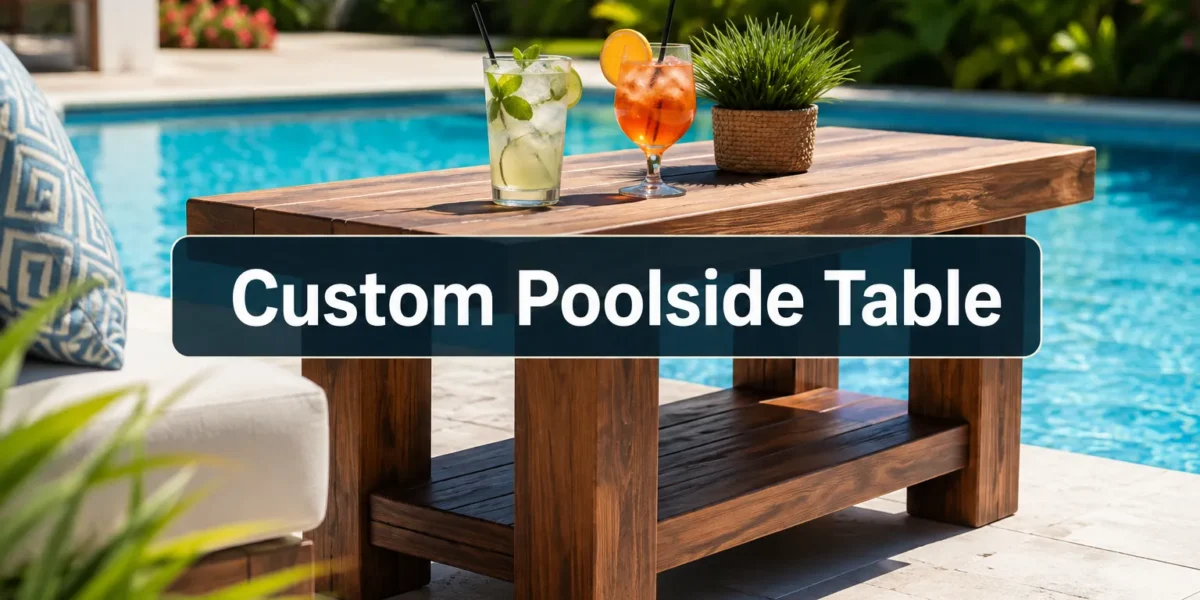
The average homeowner spends hundreds, if not thousands, on professional outdoor furniture, only to find it warped, faded, or rotting within a few seasons due to harsh weather. Instead of succumbing to the cycle of replacement, consider a more enduring solution: Building a Custom Poolside Table: Weather-Resistant Wood Designs for Outdoor Entertaining and Durability. A thoughtfully designed and well-constructed wooden poolside table not only elevates your outdoor entertaining experience but also offers unparalleled longevity when the right materials and techniques are employed. This guide will walk you through the essential steps, from selecting the best weather-resistant woods to applying finishes that withstand the elements of 2026 and beyond.
Key Takeaways
- Wood Selection is Crucial: Opt for naturally rot- and insect-resistant hardwoods like Teak, Ipe, Cedar, or Redwood for maximum durability outdoors.
- Design for Durability: Incorporate features like slatted tops for water drainage and robust joinery to prevent instability.
- Superior Joinery: Employ strong, interlocking joints (mortise and tenon, dado, half-lap) instead of relying solely on screws and glue, especially for structural components.
- Effective Finishing: Apply marine-grade sealants, oils, or varnishes specifically designed to protect against UV, moisture, and chlorine exposure.
- Regular Maintenance: Implement a routine cleaning and re-finishing schedule to preserve the table’s appearance and structural integrity for years.
Selecting the Right Weather-Resistant Wood for Your Poolside Table
The foundation of a durable poolside table lies in the wood itself. Not all wood species are created equal when it comes to battling the elements, particularly the constant exposure to sun, rain, and chlorinated water that a poolside environment entails. Choosing the correct type of wood is paramount for Building a Custom Poolside Table: Weather-Resistant Wood Designs for Outdoor Entertaining and Durability.
Top Choices for Outdoor Wood Furniture
When selecting wood for outdoor furniture, prioritize species known for their natural resistance to moisture, rot, insects, and UV degradation.
Here are the top contenders:
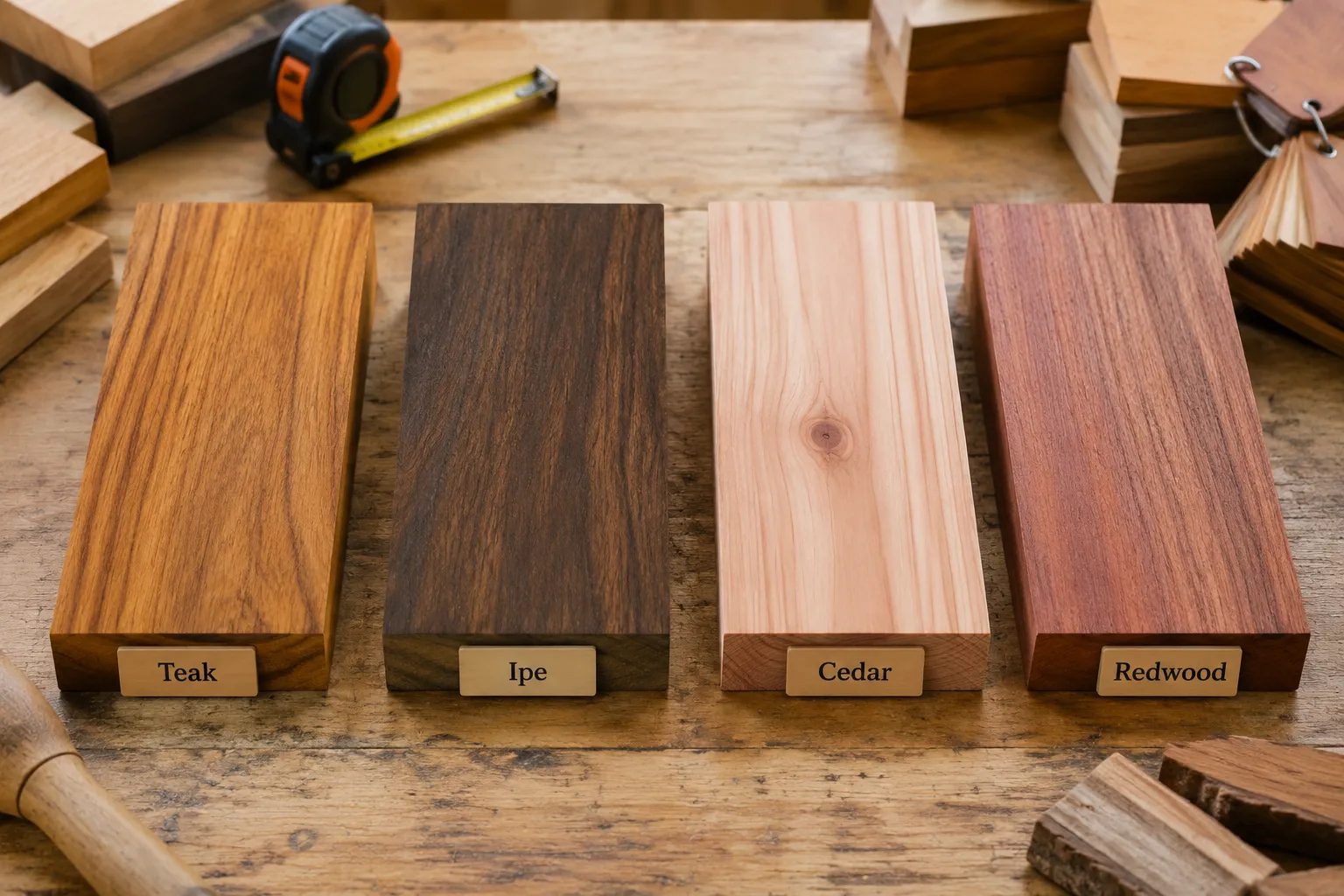
- Teak: Widely considered the gold standard for outdoor furniture. Teak contains natural oils and rubber that make it highly resistant to water, rot, and insects. It’s exceptionally durable and, if left untreated, will weather to an attractive silvery-gray patina. While expensive, its longevity often makes it a worthwhile investment.
- Ipe (Brazilian Walnut): An incredibly dense and hard South American hardwood. Ipe is even more durable than teak, boasts excellent rot and insect resistance, and is naturally fire-resistant. It’s a heavy wood with a fine grain, making it challenging to work with but resulting in an exceptionally robust piece of furniture. Like teak, it will also gray over time if not regularly oiled.
- Cedar (Western Red Cedar): A lightweight and aromatic wood known for its natural resistance to decay and insect infestation. Cedar is more affordable than teak or ipe, easier to work with, and stable in varying humidity. It has a beautiful reddish-brown color that eventually weathers to gray.
- Redwood: Similar to cedar in its properties, redwood is another excellent choice for outdoor use. It contains natural tannins that repel insects and resist decay. It’s also relatively lightweight and easy to work with, offering a pleasing reddish-brown hue.
- Cypress: Often called the “wood eternal,” cypress shares many characteristics with cedar and redwood, including natural decay and insect resistance due to its cypressene content. It’s moderately priced and readily available in some regions.
Factors to Consider When Choosing Wood
Beyond species, several other factors influence your wood choice:
- Cost: Teak and Ipe are premium options. Cedar, Redwood, and Cypress offer more budget-friendly alternatives without significantly compromising durability.
- Workability: Some woods, like Ipe, are extremely hard and require specialized tools and techniques. Softer woods like cedar and redwood are easier for DIY enthusiasts to cut, drill, and shape.
- Appearance: Consider the natural color and grain pattern of the wood, and how it will age. Do you prefer a natural weathered look or a maintained, rich tone?
- Sustainability: Look for responsibly sourced wood, ideally certified by organizations like the Forest Stewardship Council (FSC). This ensures your materials are harvested ethically.
| Wood Type | Durability (Outdoor) | Cost | Workability | Natural Color/Aging |
|---|---|---|---|---|
| Teak | Excellent | High | Moderate | Golden-brown, grays to silver |
| Ipe | Superior | High | Challenging | Dark brown, grays to silver |
| Western Red Cedar | Good | Moderate | Easy | Reddish-brown, grays to silver |
| Redwood | Good | Moderate | Easy | Reddish-brown, grays to silver |
| Cypress | Good | Moderate | Easy | Light brown, grays to silver |
Designing for Durability and Aesthetics: Weather-Resistant Wood Designs
Once your wood is selected, the design phase is critical for ensuring your poolside table not only looks great but also stands the test of time and the elements. A custom design allows you to tailor the table to your specific space and needs for outdoor entertaining and durability.
Key Design Principles for Outdoor Tables
- Water Drainage: This is perhaps the most critical design consideration for a poolside table. Standing water leads to rot, mildew, and accelerated deterioration.
- Slatted Tops: Design the tabletop with gaps between boards (typically 1/8″ to 1/4″) to allow water to drain immediately.
- Angled Surfaces: Slightly angle tabletops or incorporate a subtle crown to encourage runoff.
- Stability and Weight: Outdoor tables, especially those near pools, need to be heavy enough to resist strong winds but not so heavy they can’t be moved if necessary.
- Robust Leg Design: Use sturdy, wide legs or a pedestal base that provides ample support. Cross-bracing between legs can significantly enhance stability.
- Joinery Selection: For outdoor furniture, traditional woodworking joints that rely on mechanical strength are superior to simple butt joints fastened with screws.
- Mortise and Tenon: Excellent for attaching legs to aprons or rails. This interlocking joint offers significant strength and resistance to racking.
- Dado and Rabbet Joints: Useful for shelves, stretchers, or attaching a tabletop frame.
- Half-Lap Joints: Good for connecting pieces where less thickness is available but strength is still needed, such as in frame construction.
- Stainless Steel Fasteners: If screws are necessary, always use marine-grade stainless steel (Type 304 or 316) to prevent rust and staining, which can permanently damage wood.
- Ergonomics and Functionality:
- Height: Standard dining height is typically 28-30 inches, while bar height is 40-42 inches. Choose a height that complements your existing poolside seating.
- Size and Shape: Consider the number of people you typically host and the available space. Round tables are great for conversation, while rectangular tables offer more surface area.
- Integrated Features: Consider adding features like an umbrella hole, built-in coolers, or storage shelves. For ideas on other outdoor furniture, see our guide on building benches for indoor and outdoor use.
Example Poolside Table Designs
- Classic Rectangular Dining Table: A timeless design with a slatted top, sturdy square legs, and an apron for stability. This design is highly functional for family meals or larger gatherings.
- Pedestal Cocktail Table: A smaller, often round table with a central pedestal base. Ideal for holding drinks and snacks by a lounge chair. The pedestal design minimizes leg interference.
- Built-in L-Shape Table: If your pool deck has a corner or a retaining wall, a custom L-shaped table can maximize space and provide a cohesive entertaining area. This could integrate with a DIY outdoor furniture building project.
- Folding/Collapsible Side Table: For smaller spaces or temporary setups, a collapsible design can be incredibly practical. While more complex to build, it offers flexibility.
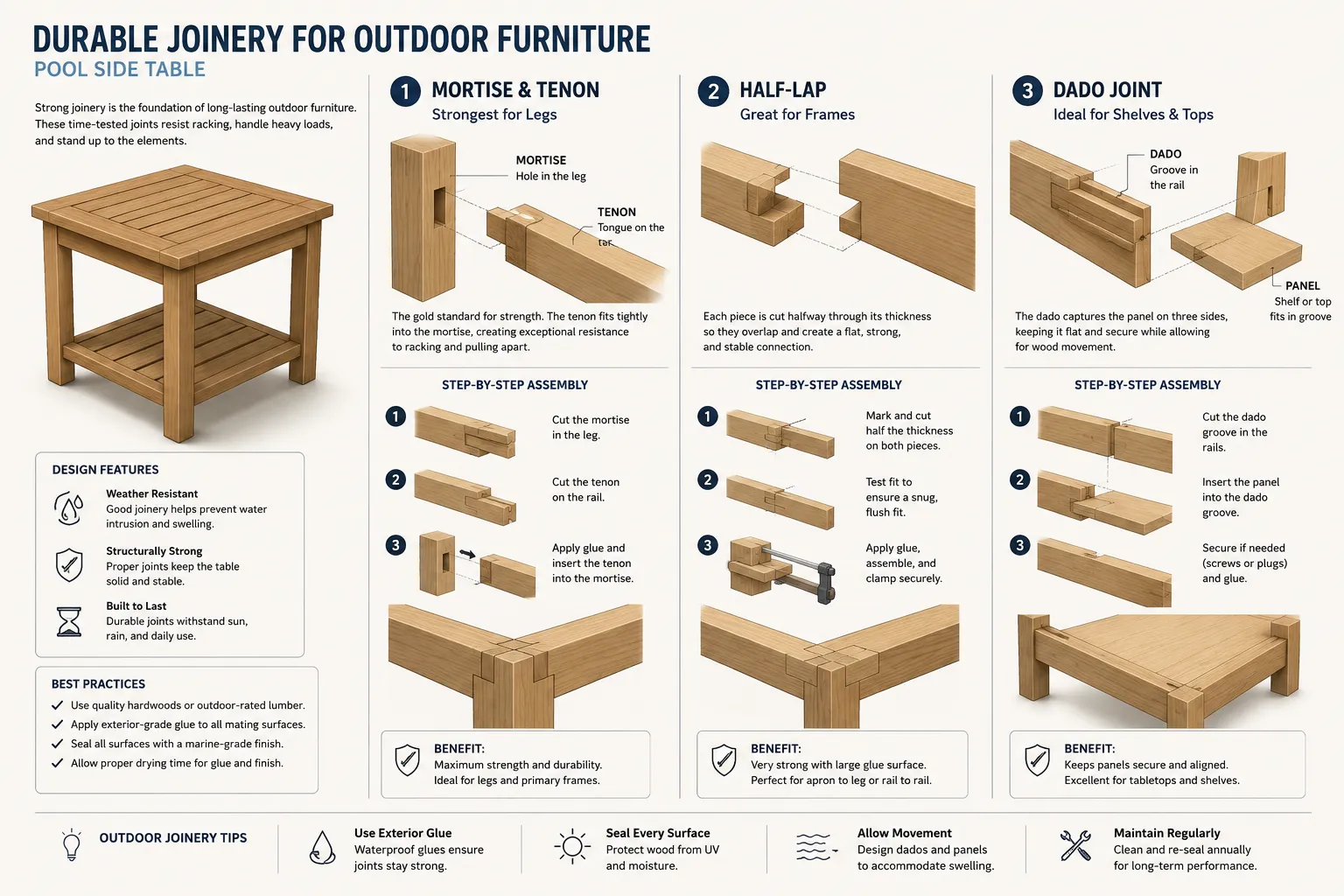
When planning your design, sketch out your ideas, consider templates, or use woodworking software. A precise plan will save time and material. Remember to account for wood movement by allowing slight tolerances in your joinery, especially with hardwoods, to accommodate seasonal expansion and contraction.
Finishing and Maintenance for Long-Term Durability
The final stage of Building a Custom Poolside Table: Weather-Resistant Wood Designs for Outdoor Entertaining and Durability involves applying a protective finish and establishing a maintenance routine. Even the most weather-resistant woods benefit significantly from proper finishing, which acts as a barrier against UV radiation, moisture, and pool chemicals.
Choosing the Right Finish
The best finish for your poolside table depends on the wood type and your desired aesthetic. For outdoor applications, you’ll primarily choose between oils, sealants, or varnishes. You can explore more about advanced wood finishing for outdoor poolside tables.
- Penetrating Oils (e.g., Teak Oil, Tung Oil, Linseed Oil):
- Pros: Penetrate the wood fibers, nourishing and protecting them from within. Enhance the natural grain and color, offering a natural look and feel. Easy to reapply and maintain without stripping.
- Cons: Require more frequent reapplication (typically annually or bi-annually) compared to film-forming finishes. Offer less protection against scratches and impacts.
- Best for: Teak, Ipe, Cedar, and Redwood where a natural, low-sheen look is desired.
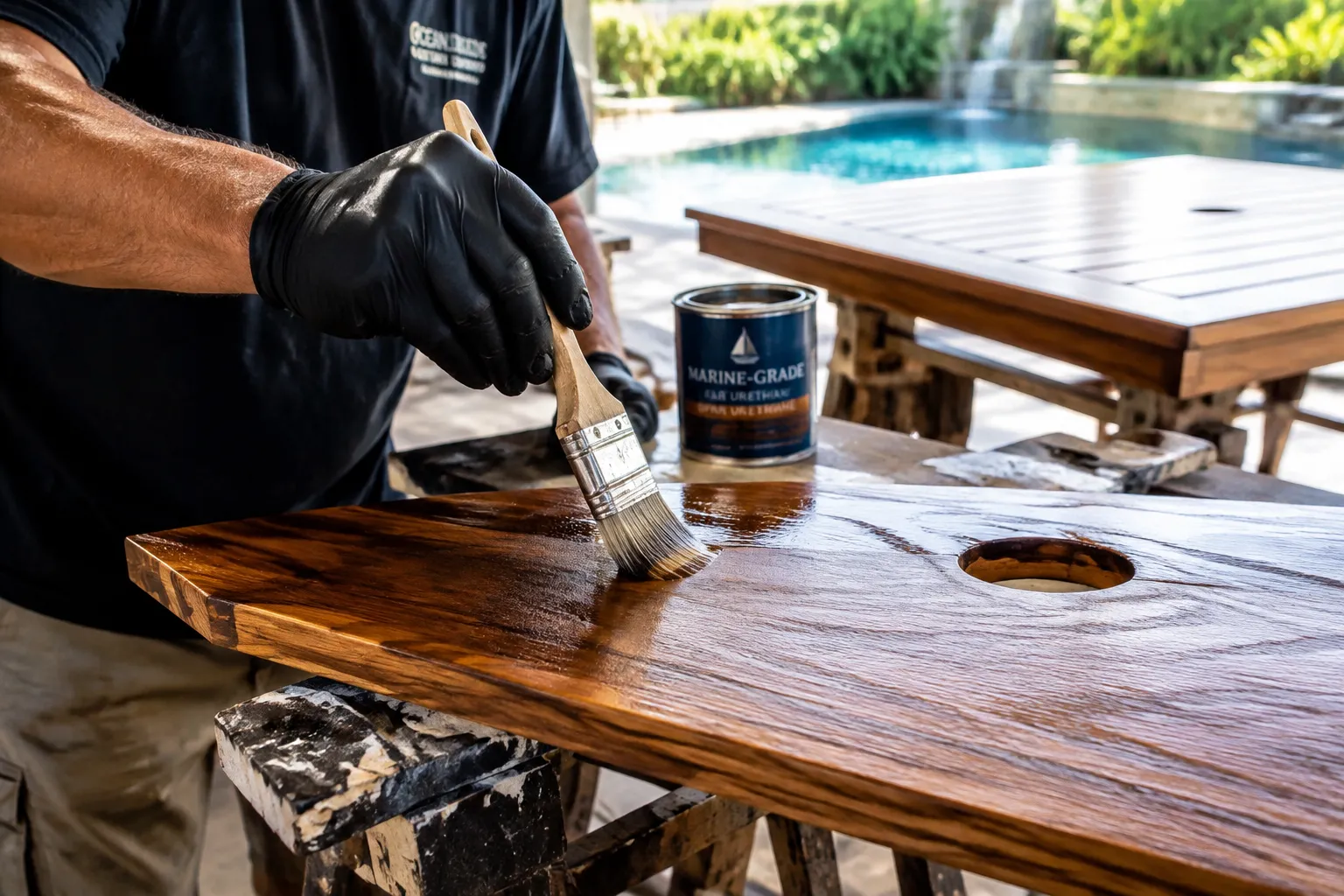
- Film-Forming Finishes (e.g., Spar Varnish, Marine-Grade Polyurethane):
- Pros: Create a durable, protective layer on the wood’s surface that is highly resistant to moisture, UV, and abrasion. Provide a higher sheen.
- Cons: Can crack, peel, or chip over time, especially with direct sun exposure. Requires sanding and stripping before reapplication if the finish is compromised.
- Best for: Woods where maximum surface protection and a glossy finish are desired, or for less naturally resistant woods.
- Water-Based Sealants:
- Pros: Environmentally friendly, easy cleanup, and quick drying. Offer good UV and moisture protection without significant yellowing.
- Cons: May not penetrate as deeply as oil-based products, and durability can vary.
- Best for: A natural look with easier application, often suitable for woods like cedar or redwood.
Application Tips:
- Preparation is Key: Ensure the wood is clean, dry, and sanded smooth (typically 120-180 grit). Remove all dust before applying any finish.
- Multiple Coats: Always apply multiple thin coats as per the manufacturer’s instructions, sanding lightly between coats for optimal adhesion and a smooth finish.
- End Grain Protection: Pay extra attention to end grain, which absorbs more moisture. Apply extra coats of finish to these areas.
Routine Maintenance for Longevity
Consistent care is vital to prolong the life and beauty of your custom poolside table.
- Regular Cleaning:
- Wipe down the table regularly with a soft cloth and mild soap (dish soap is fine) and water to remove dirt, pollen, and chlorine residue.
- For stubborn stains or mildew, a solution of diluted bleach (1 part bleach to 10 parts water) or a specialized outdoor wood cleaner can be used, followed by a thorough rinse.
- Re-finishing Schedule:
- Oiled Finishes: Reapply oil annually or bi-annually, or when the wood appears dry and faded. Clean the table thoroughly before reapplication.
- Film-Forming Finishes: Inspect annually for cracks or peeling. Touch up small areas or sand and reapply a full coat every 2-5 years, depending on exposure.
- Winter Storage (Optional but Recommended):
- If possible, store your poolside table indoors or under a protective cover during harsh winter months or prolonged periods of non-use. This significantly reduces exposure to extreme temperatures and moisture.
- Inspect Fasteners: Periodically check all screws and bolts for tightness. Tighten any loose connections to maintain structural integrity.
By diligently following these finishing and maintenance guidelines, your custom-built poolside table will provide years of enjoyment, enhancing your outdoor oasis for all your entertaining needs.
Conclusion
Building a custom poolside table using weather-resistant wood designs for outdoor entertaining and durability is a rewarding project that combines craftsmanship with practicality. By carefully selecting the right wood species such as teak or ipe, employing robust joinery techniques, and committing to proper finishing and maintenance, you can create a piece of outdoor furniture that not only stands out aesthetically but also withstands the test of time and the elements. This approach not only provides a bespoke solution tailored to your space but also represents a wise investment in the longevity and enjoyment of your outdoor living area. Start planning your custom design today to transform your poolside into an enduring oasis for relaxation and entertaining.