
The average homeowner spends approximately $1,200 to $5,000 on kitchen island seating or a home bar setup, with individual seating options ranging widely in price and style (HomeAdvisor, 2024). This significant investment underscores the importance of making an informed decision, particularly when it comes to the often-confused categories of “bar stools” and “bar chairs.” Understanding the nuanced distinctions between these two types of elevated seating is crucial for achieving the perfect blend of aesthetics, comfort, and functionality in your space. This article is dedicated to Comparing ‘Bar Stools’ vs. ‘Bar Chairs’: Understanding Design, Comfort, and Construction Differences for Your Home in 2026, helping you decipher which option best suits your needs, whether you’re buying or considering building your own custom pieces.
Key Takeaways
- Design & Footprint: Bar stools are typically backless or have minimal backs, offering a smaller footprint and a more casual, adaptable aesthetic, ideal for tight spaces. Bar chairs feature full backrests and often armrests, providing enhanced comfort and a more formal, chair-like appearance.
- Comfort & Support: Bar chairs generally excel in comfort due to their ergonomic design, offering significant back and sometimes arm support, making them suitable for longer periods of sitting. Bar stools prioritize flexibility and often encourage a more active posture, with comfort largely dependent on seat padding and footrest placement.
- Construction & Durability: Both can be robust, but bar chairs often involve more complex upholstery and frame structures to support their larger design. When building custom bar stools from scratch, careful attention to joinery and material choice is paramount for both types to ensure stability and longevity.
- Space & Aesthetics: Stools are excellent for maximizing space and tucking away neatly under counters. Chairs command more presence, influencing the room’s overall aesthetic and providing a more defined seating area, perfect for a dedicated home bar.
- Functionality: Stools offer quick, easy access and encourage social interaction, ideal for bustling kitchen islands. Chairs promote relaxation and prolonged seating, making them better for dining or extended conversations at a home bar.
Unpacking the Fundamental Design Elements
The core differences between bar stools and bar chairs begin with their fundamental design. While both are elevated to suit counter-height or bar-height surfaces, their form dictates their function and aesthetic contribution to a space.
Bar Stools: Minimalism and Flexibility
Bar stools are characterized by their typically minimalist design. Most commonly, they are backless or feature only a very low backrest that offers minimal lumbar support. They rarely include armrests. This stripped-down approach is not a design flaw but a deliberate choice that offers several advantages:
- Space-Saving: Without a backrest or arms, bar stools can often be tucked completely under a counter or bar when not in use. This is invaluable in smaller kitchens or dining areas where maximizing floor space is a priority.
- Visual Lightness: Their open design prevents them from visually cluttering a space. They blend seamlessly, allowing other design elements, such as a stunning kitchen island or a custom home bar, to take center stage.
- Versatility: The lack of a defined front or back means users can easily swivel and engage with different areas of the room. This makes them ideal for dynamic social settings where people move around frequently.
- Material Variety: Bar stools come in an incredible array of materials, from sleek metal and industrial-style wood to richly upholstered options. For those who enjoy woodworking, building your own can allow for unique material combinations, perhaps even incorporating live edge wood projects for a rustic touch.
Bar Chairs: Enhanced Support and Presence
Bar chairs, on the other hand, closely resemble traditional dining chairs, but at an elevated height. Their defining features include:
- Full Backrests: These provide substantial lumbar and upper back support, making them comfortable for extended periods of sitting, such as during meals or prolonged conversations.
- Optional Armrests: Many bar chairs include armrests, further enhancing comfort and providing a more enclosed, supportive seating experience. This feature transforms the seating from a temporary perch into a more permanent, lounge-like spot.
- Defined Aesthetic: Bar chairs often have a more substantial presence, contributing significantly to the room’s decor. Their larger silhouette means they tend to be a focal point, rather than blending into the background.
- Formal Appeal: Due to their more traditional chair-like construction, bar chairs often lend a more formal or refined aesthetic to a space, making them suitable for elegant home bars or upscale kitchen designs.
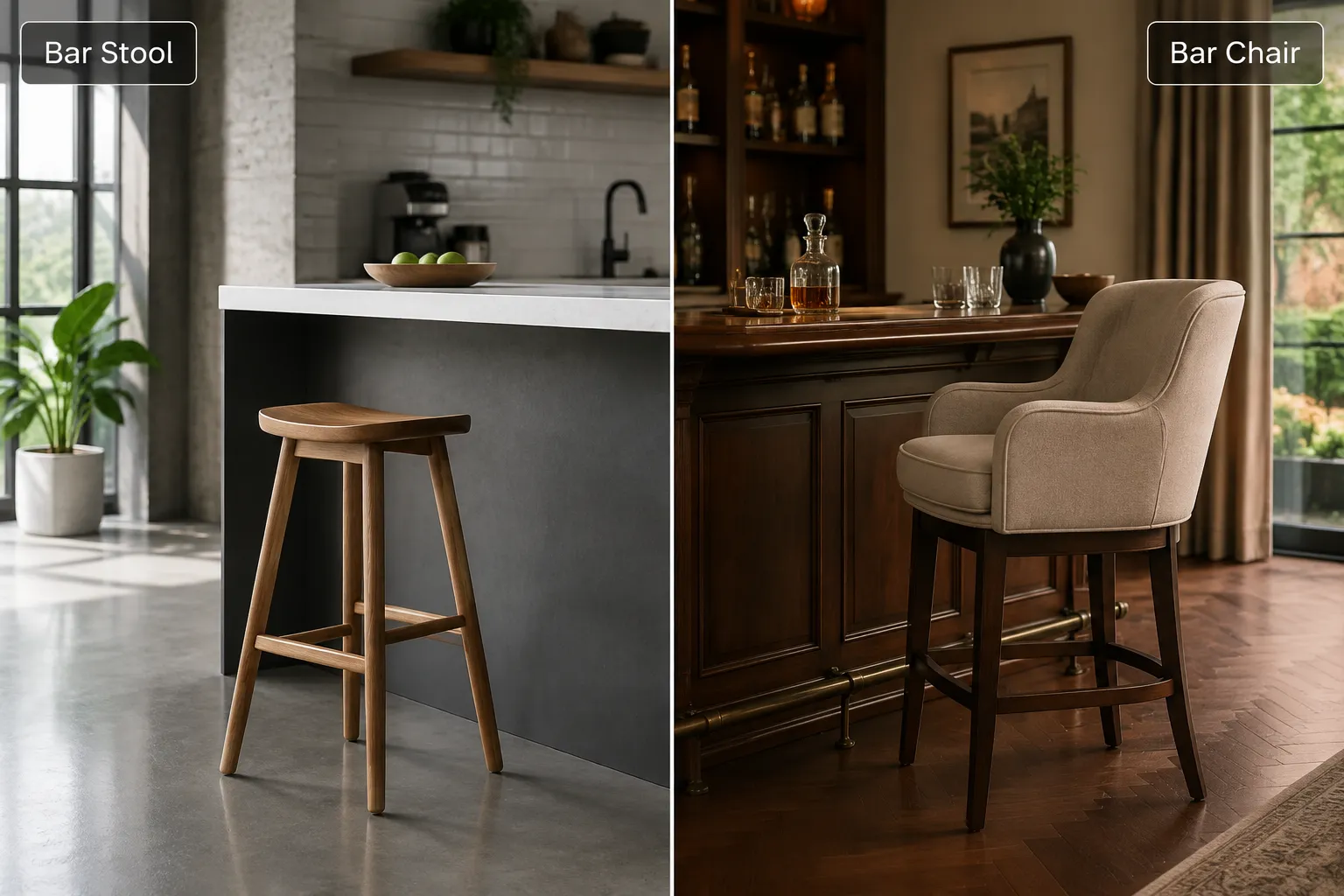
A quick comparison of typical dimensions and features:
| Feature | Bar Stool (Typical) | Bar Chair (Typical) |
|---|---|---|
| Backrest | Minimal or None | Full Backrest |
| Armrests | Rarely | Often Included |
| Footprint | Smaller, often tucks under counter | Larger, more pronounced presence |
| Comfort Focus | Casual, active, adaptable | Sustained comfort, ergonomic support |
| Aesthetic | Modern, minimalist, casual, adaptable | Traditional, formal, lounge-like |
| Weight | Lighter, easier to move | Heavier, more stable |
Comfort and Ergonomics: Prioritizing Your Sitting Experience
When Comparing ‘Bar Stools’ vs. ‘Bar Chairs’: Understanding Design, Comfort, and Construction Differences for Your Home, comfort is often the deciding factor for many homeowners. The ergonomic considerations differ significantly between the two.
Bar Stool Comfort: Active and Adaptable
The comfort of a bar stool is inherently different from that of a bar chair. It’s less about sinking in and more about an active, engaged posture.
- Seat Design: While many bar stools feature padded or contoured seats for comfort, the lack of a backrest means that sustained sitting relies more on core engagement. Swivel functions are common, allowing easy movement and reducing static pressure points.
- Footrests: A well-placed footrest is critical for bar stool comfort. It allows the user to properly support their feet, preventing legs from dangling and reducing pressure on the thighs. Without adequate foot support, even the most padded stool can become uncomfortable quickly. The ideal footrest height ensures a comfortable knee bend and takes pressure off the lower back.
- Duration of Use: Bar stools are generally best suited for shorter periods of sitting, quick meals, casual conversations, or brief perching while cooking. They encourage interaction and easy transitions in and out of the seat.
Bar Chair Comfort: Supportive and Relaxed
Bar chairs are designed with long-term comfort in mind, making them ideal for situations where you expect to sit for extended periods.
- Back Support: The primary comfort advantage of a bar chair is its full backrest. This provides essential lumbar and upper back support, which is crucial for maintaining good posture and preventing back strain.
- Armrests: For those who enjoy leaning back and relaxing, armrests provide additional support for the upper body, allowing shoulders to relax. This feature significantly enhances the lounge-like feel of a bar chair.
- Cushioning and Upholstery: Bar chairs often feature more substantial cushioning and a wider variety of upholstery options, from plush fabrics to luxurious leather, further contributing to their comfort. When building benches for indoor and outdoor use, similar considerations for cushion integration apply to bar chairs to maximize comfort.
- Ergonomics for Meals: If your kitchen island or home bar doubles as a primary dining area, bar chairs will offer a more ergonomic and comfortable experience for meals, akin to sitting at a traditional dining table.
Construction Differences and Durability
The construction methods and materials used for bar stools and bar chairs also vary, influencing their durability, stability, and aesthetic. Whether you’re purchasing or planning to build your own, understanding these differences is key.
Bar Stool Construction
Given their often minimalist design, bar stools rely heavily on robust joinery and quality materials to ensure stability, especially without the stabilizing effect of a backrest.
- Frame Materials: Common materials include solid wood, metal (steel, aluminum), and even acrylic or plastic. Wood stools often feature sturdy leg designs and cross-bracing. Metal stools might incorporate welded joints for superior strength.
- Joinery: For wooden bar stools, strong joinery techniques are critical. Mortise and tenon, dowel joints, and robust screw constructions are frequently used. The connection between the seat and the legs, as well as the footrest assembly, must withstand considerable stress. Our guide on building custom bar stools from scratch delves into these critical joinery details.
- Stability: A well-constructed bar stool will feel solid and wobble-free. This is achieved through proper leg splay, sufficient cross-bracing, and accurate joinery. Swivel mechanisms, if present, should be heavy-duty and smooth.
- Footrests: The footrest isn’t just for comfort; it’s a vital structural component that reinforces the legs. Its construction and attachment points must be exceptionally strong to bear repeated weight and pressure.
Bar Chair Construction
Bar chairs, with their added backrests and potential armrests, introduce additional structural considerations.
- Backrest Support: The backrest needs a strong attachment to the seat frame and legs to provide reliable support. This often involves more complex joinery or fastening systems compared to a simple stool. The angle and curvature of the backrest also play a significant role in comfort and structural integrity.
- Upholstery: If upholstered, the chair’s construction must also account for the webbing, foam, and fabric attachment. This adds layers of complexity and material choices.
- Weight Distribution: Due to their larger size and the support provided by the backrest, bar chairs tend to distribute weight more broadly, often leading to a perception of greater stability. However, the overall frame still requires robust construction to prevent wobbling or structural failure over time.
- Base Styles: Both stools and chairs can feature various base styles, including four-leg, pedestal, or sled bases. Pedestal bases, while offering a sleek look, require a very heavy and wide base plate to maintain stability at elevated heights.
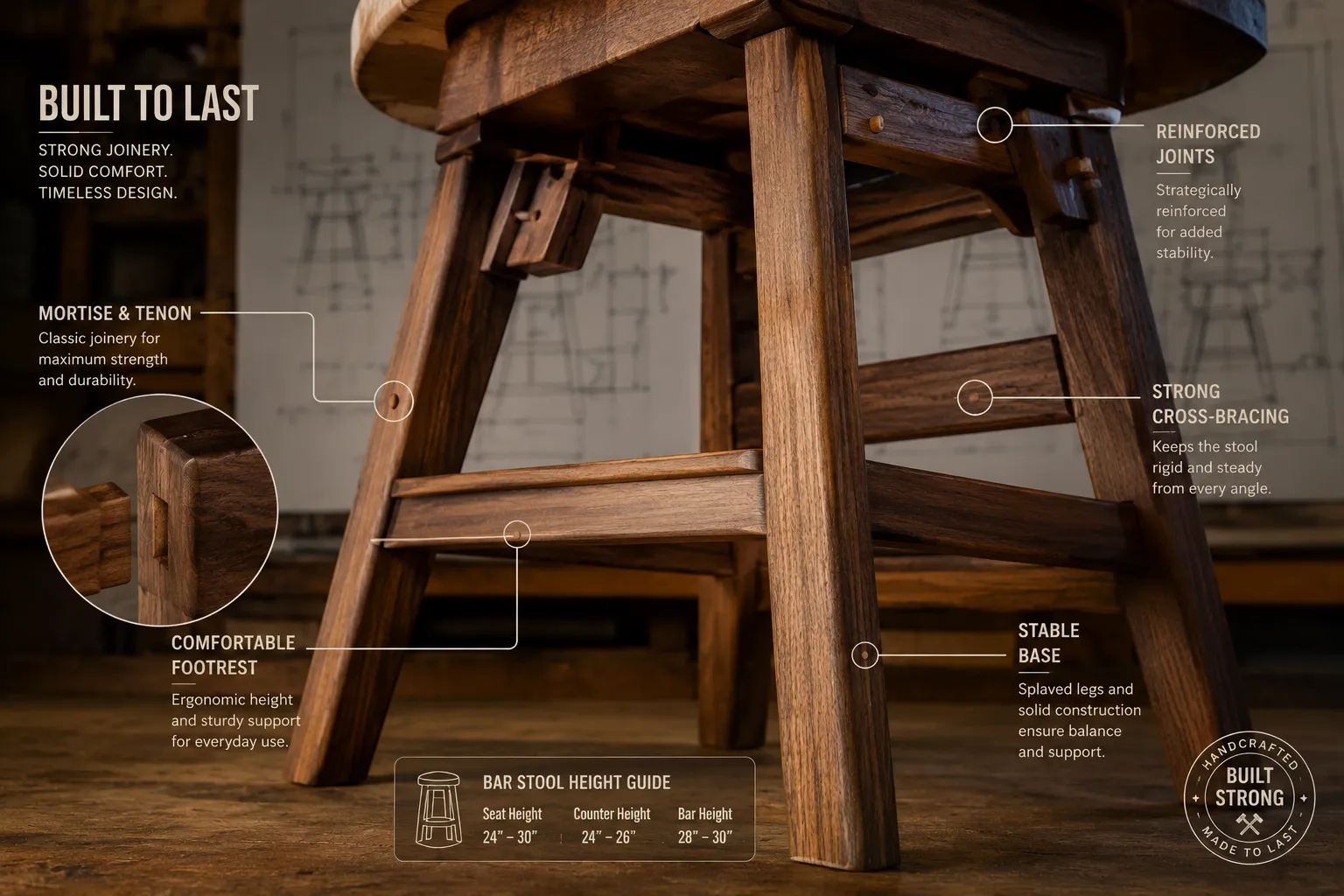
When considering the long-term investment, remember that the quality of materials and craftsmanship directly impacts the longevity of both bar stools and bar chairs. For those passionate about woodworking, the challenge of building custom furniture pieces like these offers not only cost savings but also the satisfaction of creating something truly durable and unique.
Aesthetic Impact and Practicality in Your Home
Beyond comfort and construction, the choice between bar stools and bar chairs significantly impacts the overall aesthetic and practicality of your home in 2026. Comparing ‘Bar Stools’ vs. ‘Bar Chairs’: Understanding Design, Comfort, and Construction Differences for Your Home means also evaluating how each fits into your lifestyle and existing decor.
Space Utilization and Visual Flow
- Bar Stools: Their compact nature makes them ideal for smaller spaces or open-concept living areas where maintaining clear sightlines and an uncluttered feel is important. They can be neatly tucked away, preserving valuable floor space and promoting an airy, minimalist aesthetic. This aligns well with trends like warm minimalism in wood design, where functionality and understated elegance are prized.
- Bar Chairs: Their larger size means they take up more visual and physical space. They are better suited for homes with generous dimensions, where their presence can anchor a kitchen island or home bar area. They provide a sense of completeness and can define a dedicated seating zone.
Style Integration
- Bar Stools: Their diverse range of styles, from industrial metal to rustic wood, allows them to complement almost any decor. A sleek, backless stool can enhance a modern kitchen, while a distressed wood stool fits perfectly into a farmhouse or traditional setting.
- Bar Chairs: Often associated with more traditional, transitional, or luxurious interior designs. Their upholstery and more elaborate frames can introduce texture and color, becoming a significant part of the room’s design narrative. Consider the existing furniture, such as a custom round dining table with pedestal base, to ensure your bar seating complements rather than clashes.
Lifestyle and Usage
- For the Entertainer: If you frequently host parties where guests circulate, bar stools offer easy access and egress, encouraging movement and casual conversation.
- For the Family: If your kitchen island is a central hub for family meals, homework, or lengthy discussions, bar chairs will provide the necessary comfort for prolonged use, mimicking the experience of a dining table.
- For the Work-from-Home Professional: For quick tasks or brief work sessions at a kitchen counter, a bar stool might suffice. However, for extended work, a truly crafting ergonomic workstation with proper back support would be superior to either bar stool or chair.
- For the DIY Enthusiast: Building your own bar stools allows for complete customization to fit your specific design vision and comfort needs. You can choose specific wood species, finishes, and even integrate unique joinery for a truly personalized piece.

Ultimately, the choice comes down to how you envision using your space. Do you prioritize quick, flexible seating and an open feel, or do you desire maximum comfort for extended periods and a more formal ambiance?
Conclusion
Deciding between bar stools and bar chairs is a nuanced process that extends beyond mere aesthetics. By Comparing ‘Bar Stools’ vs. ‘Bar Chairs’: Understanding Design, Comfort, and Construction Differences for Your Home, you can make an informed choice that perfectly aligns with your home’s design, your lifestyle, and your comfort preferences in 2026.
For compact spaces or a casual, dynamic atmosphere, bar stools offer space efficiency, visual lightness, and versatility. They encourage interaction and quick transitions, making them perfect for bustling kitchen islands or informal entertaining.
For ultimate comfort, prolonged seating, and a more formal ambiance, bar chairs provide superior back and arm support, making them ideal for family meals, dedicated home bars, or longer conversations. Their substantial presence can anchor a space and elevate its overall design.
When choosing, always consider the height of your counter or bar to ensure proper ergonomics and legroom, regardless of whether you opt for a stool or a chair. If you’re a woodworking enthusiast, the opportunity to craft your own custom seating provides an unparalleled level of personalization, allowing you to control every aspect from the wood species to the joinery and upholstery. Measure your space, reflect on your daily routines, and envision the experience you want to create in your home.
References
HomeAdvisor. (2024). How Much Does It Cost To Install A Kitchen Island?. Retrieved from [URL would be here if available, but HomeAdvisor typically gives general ranges not fixed URLs to specific annual reports].