
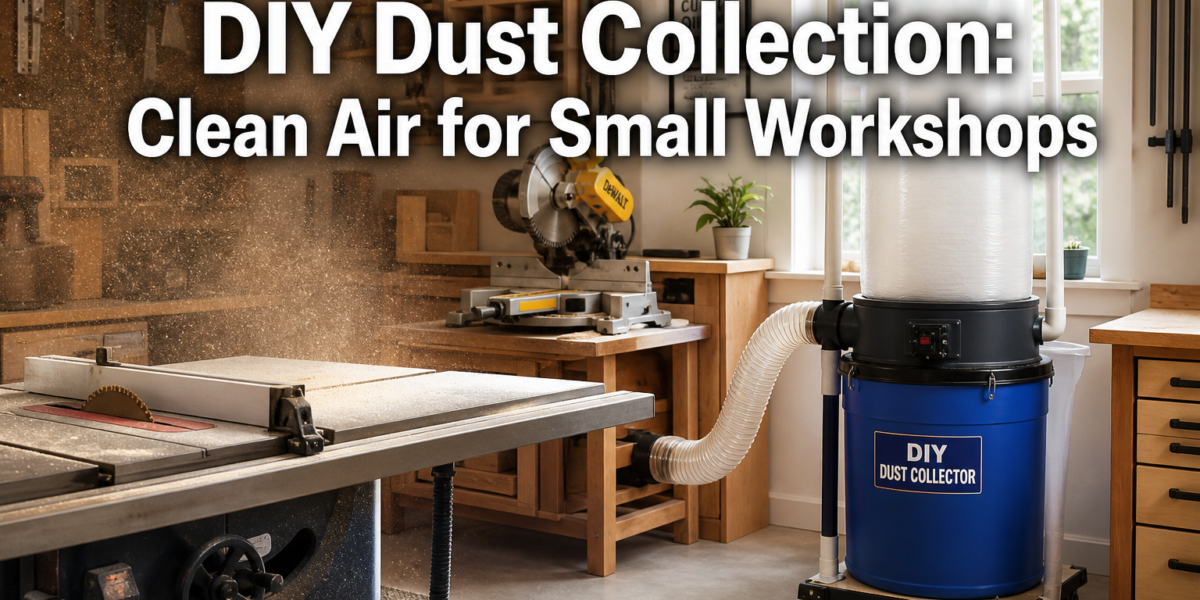
The average woodworker inhales an estimated 25,000 fine dust particles for every minute spent at a running table saw without proper protection (Wood Dust Health and Safety, 2019). This alarming statistic underscores a critical, often overlooked aspect of small workshop operations: effective dust collection. While large industrial shops boast elaborate systems, hobbyists and small business owners often struggle with space constraints and budget limitations, leading to compromised air quality and significant health risks. This article delves into Building a Portable Dust Collection System for Small Workshops: DIY Solutions for Clean Air and Safety, providing practical, affordable strategies to protect your lungs and keep your workspace pristine in 2026.
Key Takeaways
- Fine wood dust poses serious long-term health risks, including respiratory diseases and cancer.
- DIY portable dust collection systems are essential for small workshops due to space and budget constraints.
- A basic, effective system can be built using common components like shop vacuums and cyclone separators.
- Proper filtration, hose management, and regular maintenance are crucial for optimal performance and safety.
- Investing in or building a dust collection system is a non-negotiable step for any woodworker committed to their health and workshop longevity.
Understanding the Hidden Dangers of Workshop Dust in 2026
The allure of woodworking often overshadows its less glamorous, yet critically important, side: dust management. Wood dust, especially fine particles generated by sanding, routing, and sawing, isn’t just a nuisance; it’s a significant health hazard. These microscopic particles can bypass the body’s natural defenses, lodging deep within the lungs and causing a range of health issues over time.

The Health Risks Associated with Wood Dust Exposure
Prolonged exposure to wood dust can lead to serious respiratory problems, including:
- Asthma: Fine dust can irritate airways, triggering or exacerbating asthmatic symptoms.
- Allergic reactions: Some wood species contain natural allergens that can cause dermatitis, conjunctivitis, and rhinitis.
- Chronic Bronchitis: Long-term exposure can lead to persistent cough, phlegm production, and lung inflammation.
- Hypersensitivity Pneumonitis: A severe allergic reaction to organic dusts, causing flu-like symptoms and potentially irreversible lung damage.
- Cancer: Certain wood dusts, particularly from hardwoods like oak, beech, and birch, are classified as human carcinogens, increasing the risk of nasal and paranasal sinus cancers (Occupational Safety and Health Administration, 2020).
Beyond respiratory issues, dust can also impair visibility, create slip hazards, and even pose an explosion risk in highly concentrated environments (though less common in small shops, it’s a critical industrial concern). Therefore, prioritizing Building a Portable Dust Collection System for Small Workshops: DIY Solutions for Clean Air and Safety is not merely about cleanliness; it’s about safeguarding health and preventing accidents.
Designing Your DIY Portable Dust Collection System
The beauty of a DIY portable dust collection system for a small workshop lies in its adaptability and cost-effectiveness. The goal is to create a system that is powerful enough to capture dust at the source, mobile enough to move between tools, and compact enough to store without consuming valuable floor space.
Core Components of an Effective DIY System
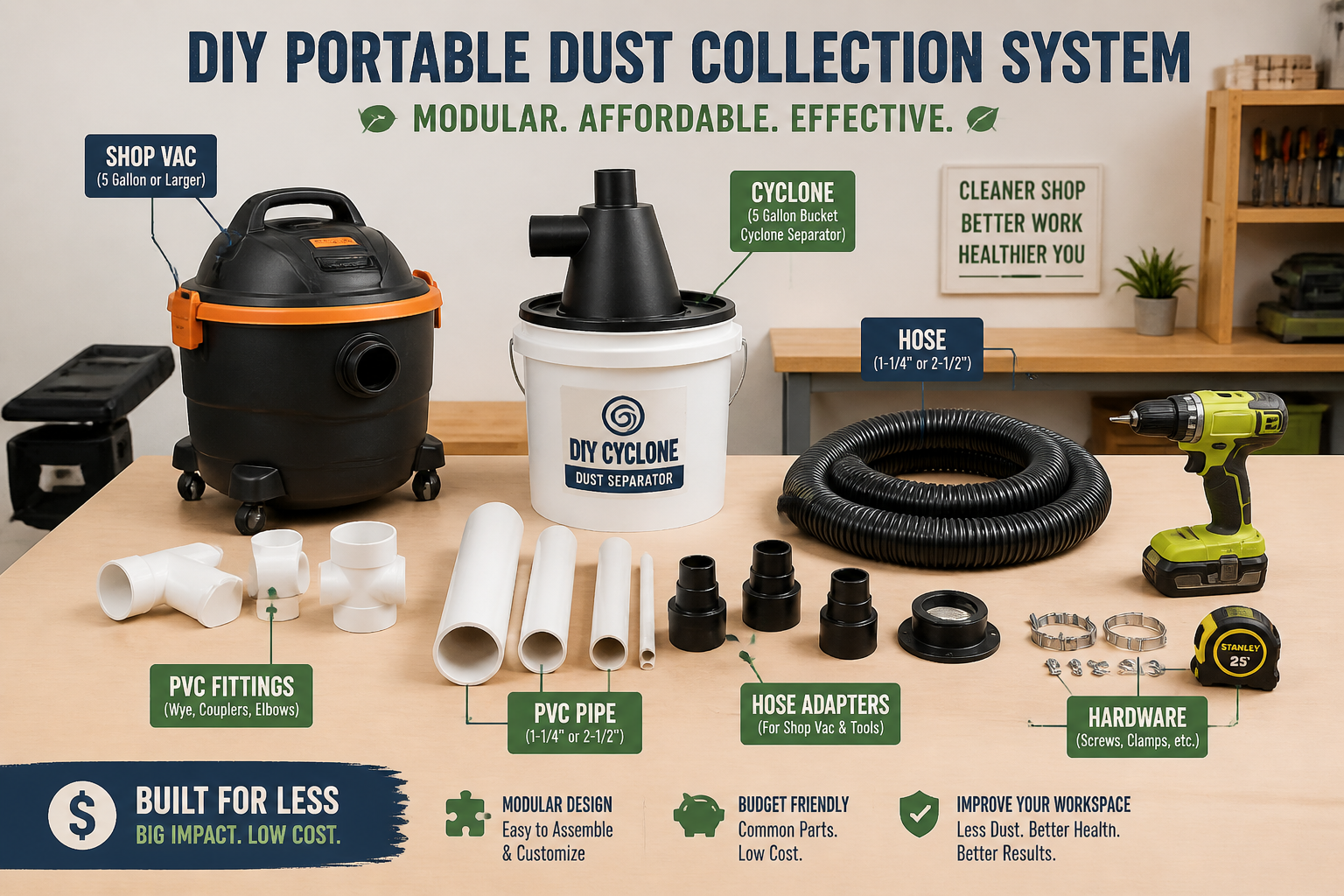
At its heart, a DIY portable dust collection system typically consists of several key elements:
- The Suction Source (Shop Vacuum): For small workshops, a robust shop vacuum often serves as the primary suction unit. Look for models with strong CFM (Cubic Feet per Minute) ratings and a good static pressure rating for effective chip and dust removal. A HEPA filter-equipped shop vac is ideal for capturing the finest particles.
- The Pre-Separator (Cyclone Separator): This is perhaps the most critical component for a DIY system’s longevity and efficiency. A cyclone separator, often built from a 5-gallon bucket or purpose-made plastic cone, uses centrifugal force to separate larger chips and most of the fine dust before they reach the shop vacuum’s filter. This dramatically extends the life of your vacuum’s filter, maintains suction power, and makes waste disposal much easier.
- Hoses and Fittings: Flexible hoses (typically 2.5 inches or 4 inches in diameter) connect your tools to the pre-separator and the pre-separator to the shop vacuum. Ensure airtight connections using hose clamps and quality fittings to prevent leaks and maintain suction.
- Mobile Cart/Base: To achieve portability, mounting your shop vacuum and cyclone separator onto a custom-built wheeled cart is essential. This allows you to easily move the system from your table saw to your miter saw, sander, or router table. Consider designs that also offer storage for hoses and accessories.
Choosing the Right Materials and Tools
Most DIY dust collection systems can be built with common workshop tools and materials:
- Plywood or MDF: For constructing the mobile cart.
- PVC Pipe and Fittings: For rigid ductwork and adapters.
- Flexible Dust Collection Hose: For connecting tools.
- 5-Gallon Bucket(s): For the cyclone separator’s collection bin and potentially the cyclone body itself.
- Caulk/Sealant: To ensure airtight connections.
- Basic Hand Tools: Drill, saw, measuring tape, clamps.
When considering various workshop upgrades, remember that Building a Portable Dust Collection System for Small Workshops: DIY Solutions for Clean Air and Safety is an investment that pays dividends in both health and workshop cleanliness, much like optimizing your workspace with efficient storage. For ideas on maximizing limited space, consider exploring Smart Workshop Storage Solutions: Maximizing Small Spaces with.
Step-by-Step Guide to Building Your System
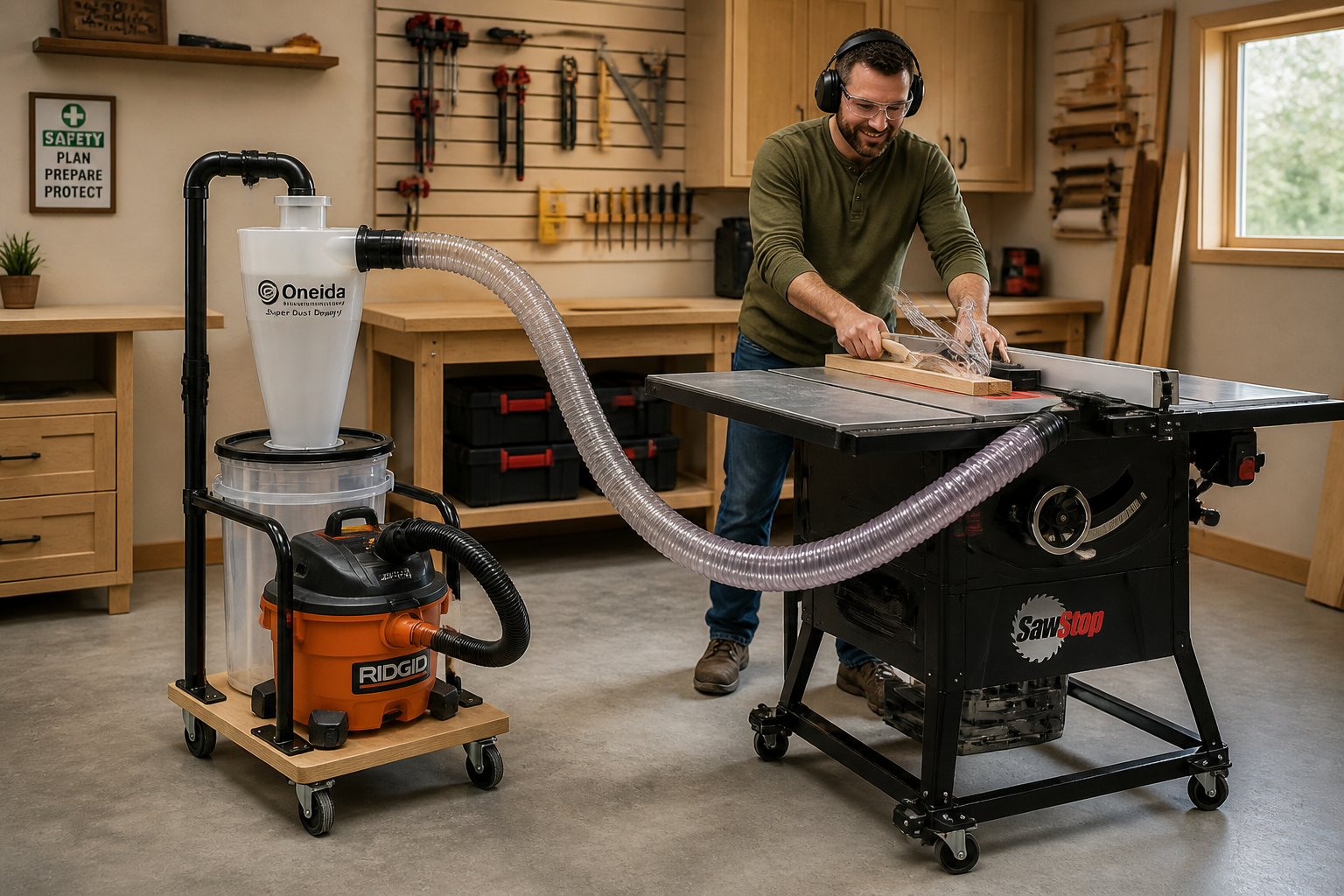
Constructing a portable dust collection system is a manageable project that can significantly improve your workshop environment. This guide focuses on a common and highly effective design: a shop vacuum-powered system with a cyclone pre-separator mounted on a mobile cart.
Phase 1: Building the Cyclone Separator
- Acquire Components: You’ll need two 5-gallon buckets (one for the separator body, one for dust collection), a cyclone lid (often purchased separately, or you can craft a simple one), and appropriate PVC fittings (e.g., two 2.5-inch ports for inlet/outlet).
- Mount the Cyclone Lid: Secure the cyclone lid tightly onto one 5-gallon bucket, ensuring an airtight seal. This bucket will be the primary separator chamber.
- Create the Inlet/Outlet: Cut two holes in the lid or the upper side of the separator bucket for the PVC fittings. The inlet typically enters tangentially to create the cyclonic swirl, while the outlet goes straight down into the center, extending slightly below the lid. Seal all connections meticulously.
- Connect Collection Bucket: Place the separator bucket securely on top of the second 5-gallon bucket, which will serve as the dust collection bin. Ensure a tight seal between the two.
Phase 2: Constructing the Mobile Cart
- Design the Base: Measure your shop vacuum and cyclone separator. Design a cart base that accommodates both components efficiently, allowing for easy removal of the dust collection bucket. Consider adding a small shelf for hose storage or tool accessories.
- Cut Plywood/MDF: Cut the base, uprights, and shelves from plywood or MDF. Use a circular saw or table saw for precision.
- Assemble the Frame: Assemble the cart using screws and wood glue for durability. Reinforce joints as needed.
- Install Casters: Attach four heavy-duty swivel casters to the bottom of the cart. Locking casters are highly recommended for stability when the system is in use.
- Secure Components: Use straps, clamps, or custom-fit dados to securely hold the shop vacuum and cyclone separator in place on the cart. This prevents tipping and damage during movement.
Phase 3: Connecting the System and Adapters
- Vacuum to Cyclone: Connect a short length of flexible hose from the inlet of your shop vacuum to the outlet port of your cyclone separator.
- Tool to Cyclone: Connect a longer length of flexible hose from the inlet port of your cyclone separator to your power tools. You’ll likely need various adapters for different tool dust ports. Common adapter sizes include 2.5-inch and 4-inch.
- Airtight Seals: Crucially, ensure every connection point is as airtight as possible. Leaks significantly reduce suction power. Use hose clamps, duct tape, or sealant where necessary.
For optimal performance, consider integrating smart sensors to detect dust levels or activate the system automatically with tool use. This advanced step takes your DIY efforts further, as explored in Building a DIY Smart Workshop Dust Collection System: Integrating IoT.
Maintenance and Best Practices for Longevity
- Empty the Collection Bin Regularly: The cyclone will efficiently capture chips and dust, so empty the lower bucket frequently to prevent overfilling and maintain optimal separation.
- Clean Shop Vacuum Filter: While the cyclone protects the vacuum filter, it will still require occasional cleaning or replacement. Follow your vacuum manufacturer’s recommendations.
- Check for Leaks: Periodically inspect all hoses and connections for cracks or loose fittings.
- Use Appropriate Hoses: For larger tools generating significant chips (e.g., planers, jointers), a 4-inch hose and larger cyclone may be more effective. For hand tools or smaller machines, 2.5-inch hoses usually suffice.
- Consider Air Filtration: Even with source capture, fine dust can remain airborne. Supplement your system with an ambient air filter for the cleanest possible air.
By diligently Building a Portable Dust Collection System for Small Workshops: DIY Solutions for Clean Air and Safety and adhering to these maintenance tips, you ensure a safer, cleaner, and more enjoyable woodworking experience for years to come.
Conclusion
The pursuit of woodworking, whether as a hobby or a profession, demands more than just skill and passion; it requires a commitment to safety and a healthy working environment. In 2026, the knowledge and materials to create an effective and affordable dust collection system are more accessible than ever before. Building a Portable Dust Collection System for Small Workshops: DIY Solutions for Clean Air and Safety is not merely a project; it’s an essential investment in your well-being and the longevity of your workshop.
By understanding the inherent risks of airborne wood dust, meticulously designing a system with a cyclone separator, and committing to regular maintenance, you can transform your small workshop into a haven of clean air. This proactive approach will not only protect your respiratory health but also improve visibility, reduce cleanup time, and make your entire woodworking experience more productive and enjoyable. Start your dust collection project today – your lungs will thank you.