

The average barn in the American Midwest, standing since the late 19th century, holds within its weathered timbers not just history, but an untapped reservoir of character for modern design. In 2026, the demand for unique, sustainable furniture is surging, and Reclaimed Barnwood Accent Furniture: Sourcing, Restoration, and Building Statement Pieces for Modern Interiors offers an unparalleled opportunity for woodworkers to create pieces that tell a story. This guide delves into the entire process, from finding the perfect aged wood to transforming it into stunning, contemporary furnishings that elevate any space.
Key Takeaways
- Reclaimed barnwood offers unique character, sustainability, and durability for furniture.
- Sourcing involves careful consideration of authenticity, condition, and availability from various suppliers.
- Restoration is crucial, focusing on cleaning, stabilization, and appropriate finishing to preserve character.
- Modern design principles can transform rustic barnwood into elegant, statement-making accent pieces.
- Safety, proper tools, and thoughtful design are essential for successful and appealing projects.
Sourcing Authentic Reclaimed Barnwood for Accent Furniture
The journey to creating exceptional Reclaimed Barnwood Accent Furniture begins long before the first cut: it starts with sourcing the wood itself. The quality and character of your raw material will define your final piece. Authentic reclaimed barnwood carries a history embedded in its grain, from nail holes to saw marks and the deep, rich patina developed over decades of exposure to the elements.
Where to Find Quality Barnwood
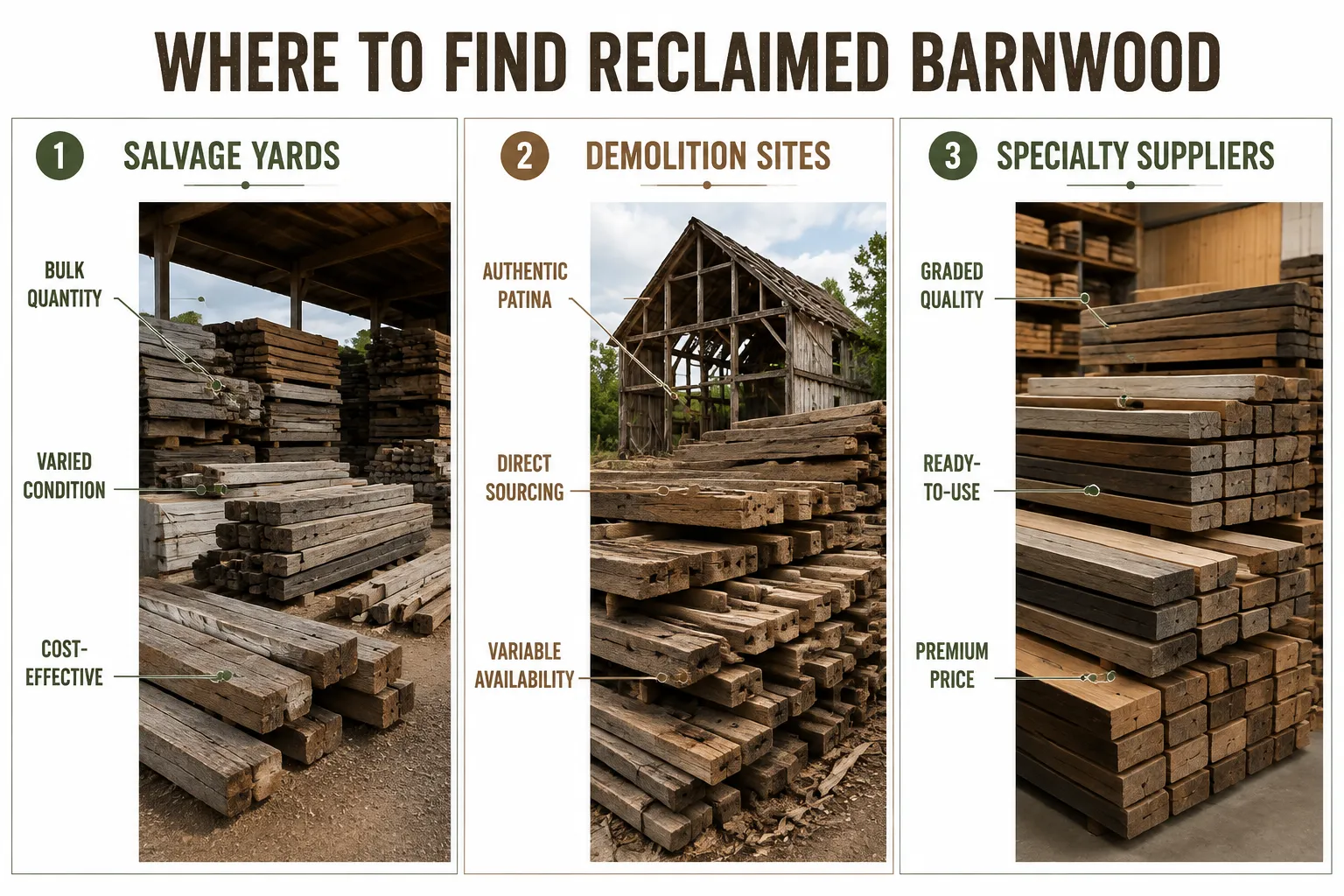
Several avenues exist for acquiring reclaimed barnwood, each with its own advantages and considerations:
- Salvage Yards and Architectural Resale Companies: These businesses specialize in deconstructing old structures and salvaging materials. They often have large inventories, graded by type (beams, siding, flooring) and wood species (oak, pine, hemlock). While convenient, prices can be higher, reflecting the processing and selection services offered.
- Direct from Demolition Sites: Engaging directly with demolition contractors or farmers planning to take down old barns can yield significant quantities of wood at potentially lower costs. This approach requires more effort in terms of negotiation, removal, and initial processing, but often secures the most authentic, untouched material.
- Specialty Wood Suppliers: Some suppliers focus exclusively on reclaimed wood, offering pre-milled, cleaned, and sometimes even kiln-dried barnwood. This option provides convenience and consistency but comes at a premium price.
- Online Marketplaces: Websites and social media groups dedicated to reclaimed materials can connect you with individuals selling wood from personal projects or small-scale demolitions. Quality can vary significantly, so careful inspection is paramount.
Identifying Quality and Authenticity
When inspecting potential barnwood, look for:
- Wood Species: Common species include oak, pine, hemlock, and chestnut. Each offers different aesthetic and structural properties. Oak is dense and durable, pine is softer and shows more character, while hemlock offers a unique silvery patina.
- Patina and Weathering: The surface color and texture are critical. Look for deep, rich browns, grays, and silvers, along with natural checks, cracks, and saw marks. Avoid wood that appears heavily stained, water-damaged beyond repair, or excessively rotten.
- Structural Integrity: While some cosmetic imperfections are desirable, ensure the wood is structurally sound. Test for excessive rot by probing with an awl. Be wary of large, active insect infestations, though small, inactive boreholes often add character.
- Moisture Content: Ideally, reclaimed wood should be air-dried or kiln-dried to a stable moisture content (6-8% for indoor furniture) to prevent warping and cracking later. If the wood is still wet, plan for proper drying time.
- Hardware and Debris: Expect to find nails, screws, and other metal embedded in the wood. These must be meticulously removed during processing to prevent damage to tools.
Understanding these sourcing nuances is vital for Narrative Interiors Through Woodworking Telling Stories With Reclaimed Materials And Custom Pieces.
Restoration Techniques for Reclaimed Barnwood
Once sourced, the raw barnwood requires careful restoration to make it suitable for Reclaimed Barnwood Accent Furniture. This phase balances preserving the wood’s unique character with making it clean, stable, and safe for modern interiors.
Cleaning and Preparation
The initial cleaning process is crucial:
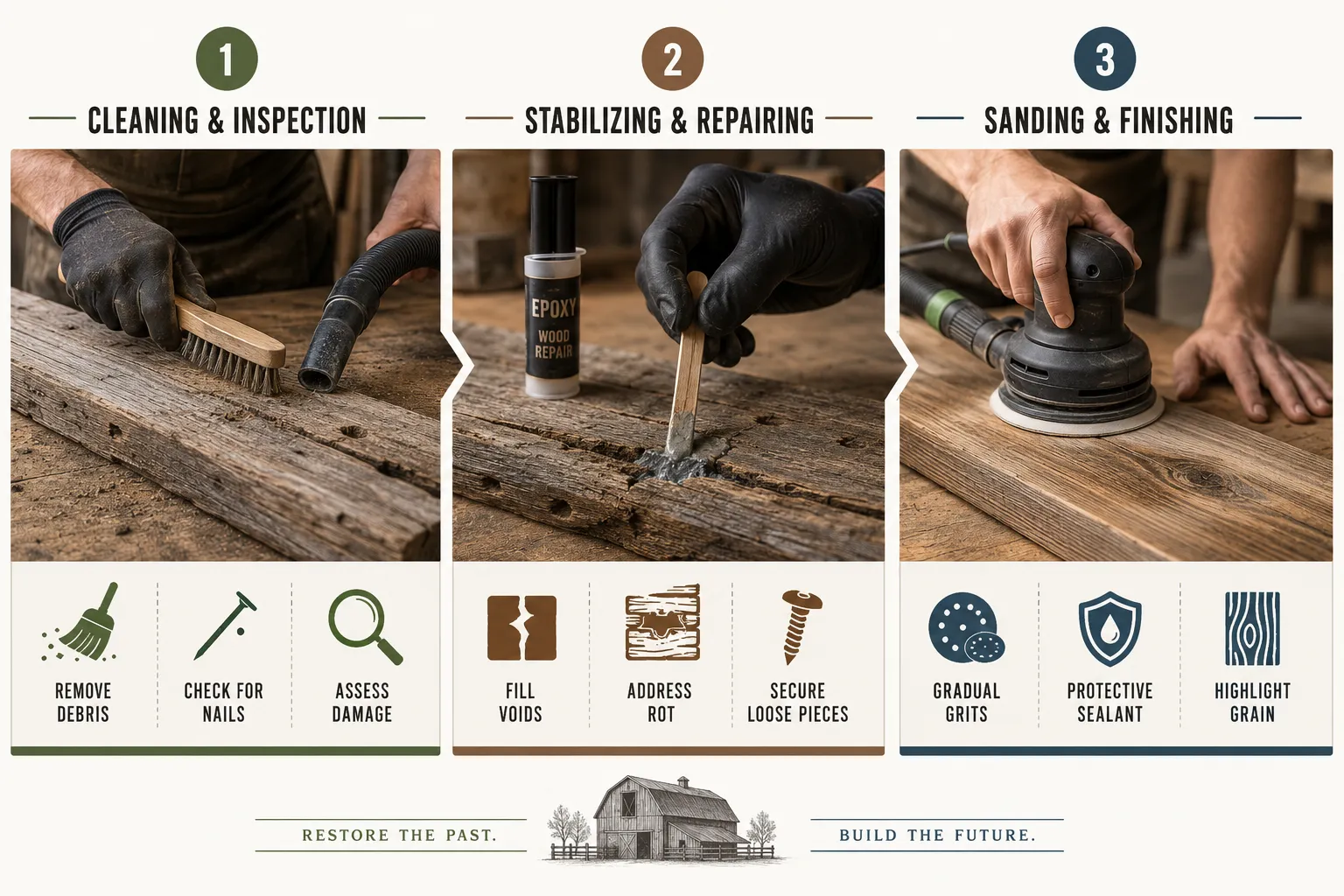
- Rough Cleaning: Begin by removing loose dirt, dust, and debris with a stiff brush and compressed air. A pressure washer can be used for very soiled pieces, but allow for thorough drying afterward.
- Metal Detection and Removal: Use a powerful metal detector to locate and remove all embedded nails, screws, and other metal fragments. Even small pieces can severely damage planer blades or saw teeth.
- Insect and Fungal Treatment: If there are signs of active insect infestation (fresh boreholes, sawdust), consider heat treatment (kiln drying) or chemical treatment specifically designed for wood pests. For superficial mold or mildew, a bleach solution (diluted 1:10 with water) can be effective, followed by thorough drying.
Stabilizing and Repairing
Old wood often has checks, cracks, and voids that need attention:
- Filling Voids: Small holes and cracks can be filled with epoxy resin, matching wood filler, or even contrasting bow-tie inlays for aesthetic appeal. For larger voids, cut and fit matching wood patches.
- Stabilizing Loose Grain: Some very old or weathered pieces might have loose, splintering grain. A thin penetrating epoxy or wood hardener can stabilize these areas without significantly altering the appearance.
- Flattening and Dimensioning:
- Skip Planing: For a rustic look, “skip planing” removes only the high spots, leaving the deeper patinated areas intact. This technique preserves much of the original texture.
- Jointing and Planing: For a smoother, more refined finish, joint one face and one edge square, then plane to the desired thickness. This removes surface imperfections and provides consistent dimensions, essential for Mastering Modern Hand Cut Joinery Adapting Classics For Live Edge And Modular Furniture.
Finishing for Longevity and Aesthetics
The choice of finish profoundly impacts the furniture’s look and durability:
- Preserving Natural Patina: A clear, matte, or satin finish, such as a water-based polyurethane, hardwax oil, or tung oil, will protect the wood while allowing its natural character to shine through. These finishes are ideal for maintaining the rustic charm.
- Enhancing Color: Stains can be used to deepen the color or achieve a more uniform tone, but often detract from the natural variations that make barnwood unique. Consider an amber-toned oil finish to bring out warmth without masking.
- Durability for Modern Use: Accent furniture often experiences moderate wear. Choose finishes that offer good resistance to spills and scratches. For high-traffic surfaces like coffee table tops, an epoxy coating can provide exceptional durability and a sleek, modern look. For projects like Restoring And Repurposing Vintage Wooden Furniture Techniques For Repair Refinishing And Modernization, proper finishing is key.
Building Statement Pieces for Modern Interiors
With carefully sourced and restored barnwood, the focus shifts to design and construction, transforming raw material into compelling Reclaimed Barnwood Accent Furniture. The goal is to blend rustic charm with contemporary aesthetics, creating pieces that stand out.
Design Principles for Modern Barnwood Furniture
Modern interiors often favor clean lines, minimalist forms, and a focus on natural materials. When designing with barnwood:
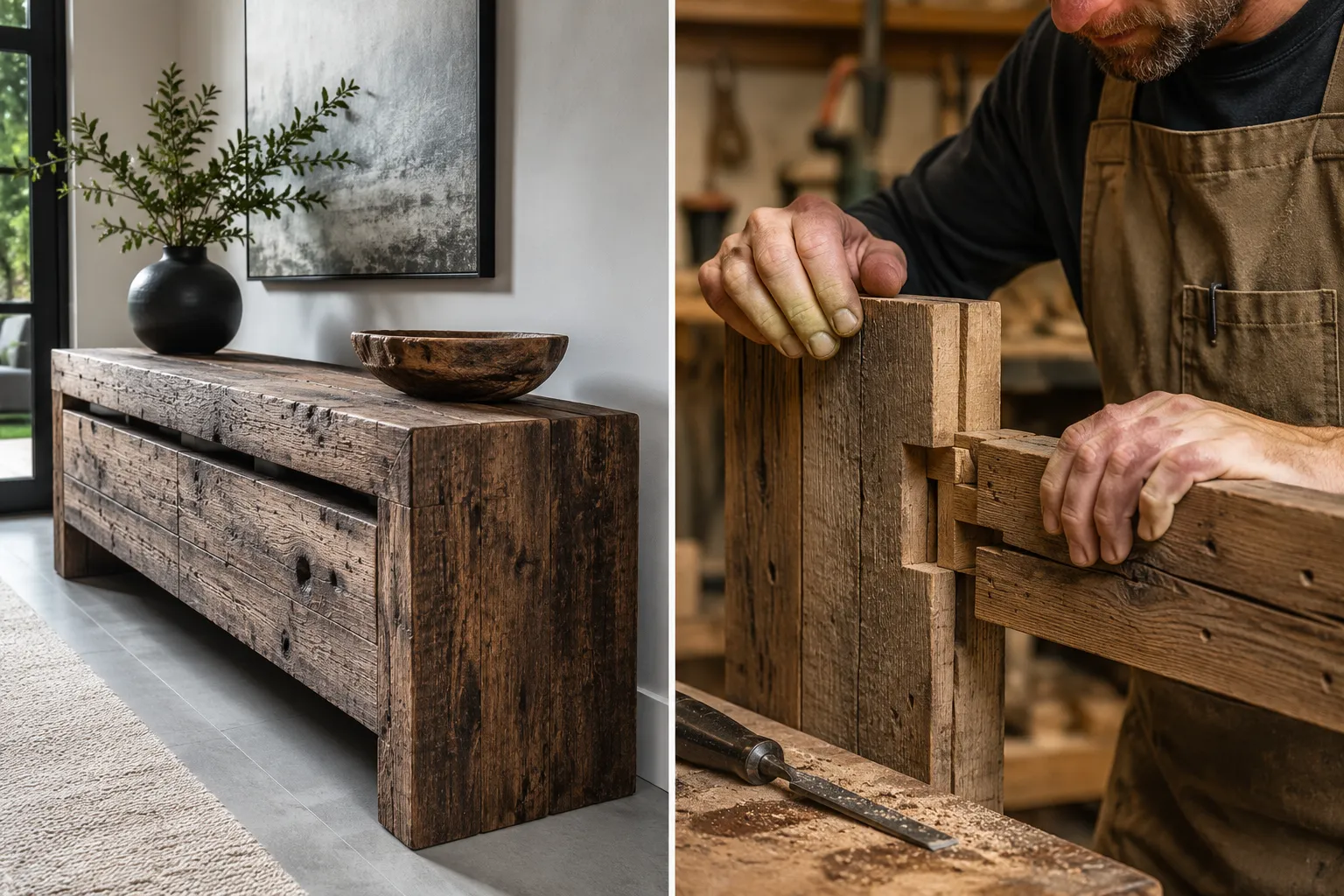
- Contrast is Key: Pair the rough, textured barnwood with sleek, smooth elements. This could mean incorporating metal bases (steel, iron), glass tops, or polished concrete accents. The juxtaposition highlights both the wood’s character and the modern design.
- Minimalist Forms: Avoid overly ornate or traditional designs. Simple, geometric shapes allow the wood’s inherent beauty and history to be the main focal point. A floating shelf, a clean-lined console table, or a simple bench can be incredibly impactful.
- Functional Elegance: Ensure the piece is not only beautiful but also serves a clear purpose. A barnwood console table behind a sofa provides display space, while a sturdy coffee table anchors a living room.
- Scale and Proportion: Consider the size of the room and other furnishings. A large, chunky barnwood piece can be a commanding presence, but ensure it doesn’t overwhelm the space. Accent pieces should complement, not compete.
Popular Reclaimed Barnwood Accent Furniture Projects
Many types of accent furniture lend themselves well to reclaimed barnwood, offering diverse opportunities:
| Accent Furniture Type | Design Considerations | Common Wood Species |
|---|---|---|
| Coffee Tables | Often feature solid, thick barnwood tops with metal bases (e.g., hairpin legs, industrial steel frames) or substantial box-style wooden bases. The top can be a single slab or multiple joined planks. Consider a glass inset to protect the top while showcasing the wood. For more ideas, see DIY Coffee Table Building Guide: Designs from Simple to Advanced. | Oak, Hemlock |
| Console Tables | Long, narrow designs that often stand against a wall or behind a sofa. Combine a barnwood top with slim metal legs or a minimalist wooden frame. Integration of small drawers or open shelving can add functionality. Refer to Console Tables Vs Coffee Tables Vs End Tables How To Design And Build The Right Table For Each Room. | Pine, Oak |
| Shelving Units | Floating shelves made from thick barnwood planks add rustic charm without consuming floor space. For freestanding units, pair barnwood shelves with pipe fittings or sleek wooden uprights. | Pine, Hemlock |
| Benches | Simple, robust designs are often best. A solid barnwood seat on robust legs (wood or metal) can serve as seating in an entryway, dining area, or even outdoors if properly sealed. See Japandi Slatted Bench with Live-Edge Seat: A Minimalist Furniture. | Oak, Chestnut |
| Side Tables/Nightstands | Smaller pieces that offer opportunities for creative joinery and contrasting materials. A barnwood top with a turned base or a small cabinet with barnwood panels. Check out Building a Nightstand Side Table: Joinery and Drawer Techniques for. | Pine, Oak |
Construction Techniques and Considerations
Working with reclaimed barnwood requires specific approaches:
- Tooling: Be prepared for potential hidden metal fragments, even after thorough scanning. Use carbide-tipped blades and bits, and have spares on hand.
- Joinery: Traditional woodworking joints can be challenging due to the uneven surfaces and varied dimensions of barnwood. Consider using modern techniques like dominoes, biscuits, or pocket screws for strong, hidden connections. Exposed joinery, such as through-tenons or dovetails, can also be used as a design feature, especially if wood has been milled flat.
- Fasteners: Use appropriate screws and hardware for the wood species. Pre-drilling is essential to prevent splitting, especially in older, drier wood.
- Adhesives: High-quality wood glue, potentially with gap-filling properties, is crucial for strong bonds. Epoxy can also be used for structural bonding and filling large imperfections. For comprehensive advice on this, consult The Ultimate Guide To Wood Glue Choosing The Right Adhesive For Every Woodworking Joint And Project.
By focusing on thoughtful design and meticulous craftsmanship, reclaimed barnwood can be transformed from historical material into stunning, one-of-a-kind statement pieces that add warmth, character, and a sense of history to any modern home in 2026.
Conclusion
The allure of Reclaimed Barnwood Accent Furniture: Sourcing, Restoration, and Building Statement Pieces for Modern Interiors lies in its unique ability to marry the past with the present. By choosing to work with reclaimed barnwood, woodworkers and designers are not only creating visually striking pieces but also contributing to sustainable practices. Each plank carries a narrative, and through careful sourcing, meticulous restoration, and thoughtful design, these timbers are given a new lease on life, transforming into functional art that enhances the aesthetics and soul of any contemporary space. Embracing the imperfections and character of this historic material is key to crafting truly unique and impactful furniture that will be cherished for generations.
Actionable Next Steps
- Research Local Suppliers: Begin by identifying salvage yards, architectural reclaimers, and specialty wood suppliers in your region that offer reclaimed barnwood.
- Inspect Thoroughly: Before purchasing, personally inspect the wood for authenticity, structural integrity, and desirable patina.
- Invest in Tools: Ensure you have the necessary metal detection tools, cleaning equipment, and appropriate woodworking machinery for processing reclaimed wood.
- Practice Restoration: Start with smaller, less critical pieces to hone your cleaning, stabilization, and finishing techniques on barnwood.
- Experiment with Design: Sketch out various modern furniture designs, focusing on how the barnwood’s character can be highlighted through minimalist forms and material contrast.
References
- Dykstra, A. (2018). Reclaimed Wood: A Guide to the Art and Craft of Repurposing Timber. Timber Press.
- The National Association of Home Builders. (2020). Builder Magazine: The Allure of Reclaimed Wood.
- Schuttner, C. (2019). The Woodworker’s Guide to Joinery: The Skills You Need to Make Great Woodworking Joints. Fox Chapel Publishing.
SEO Meta Title: Reclaimed Barnwood Furniture: Sourcing, Restoration, & Modern Design SEO Meta Description: Discover how to source, restore, and build stunning reclaimed barnwood accent furniture. Create unique, sustainable statement pieces for modern interiors in 2026.