

The average home in the United States contains at least five commercially manufactured decorative items that could, with a modest investment of time and tools, be replaced by unique, handcrafted alternatives. For those seeking a fulfilling craft that yields tangible results and offers potential for gift-giving or personalizing home decor, wood turning presents an accessible and rewarding path. Specifically, focusing on Small-Batch Wood Turning Projects for Gifts and Home Decor: Bowls, Vases, and Spindles for Beginners allows new enthusiasts to rapidly develop skills and create beautiful, functional pieces without requiring a massive commitment of resources or expertise. This guide will navigate the foundational aspects of wood turning, from essential tools to project selection and finishing techniques, empowering beginners to transform raw wood into cherished objects.
Key Takeaways
- Wood turning offers beginners a creative outlet for producing unique gifts and home decor.
- Focusing on small-batch projects like bowls, vases, and spindles minimizes material waste and speeds up the learning curve.
- Essential tools include a wood lathe, turning chisels, safety gear, and appropriate wood blanks.
- Mastering basic turning techniques and proper finishing methods ensures high-quality results.
- With practice, beginners can create a diverse range of items suitable for personal use or thoughtful presents.
Starting Your Journey: Essential Tools and Safety for Small-Batch Wood Turning Projects for Gifts and Home Decor
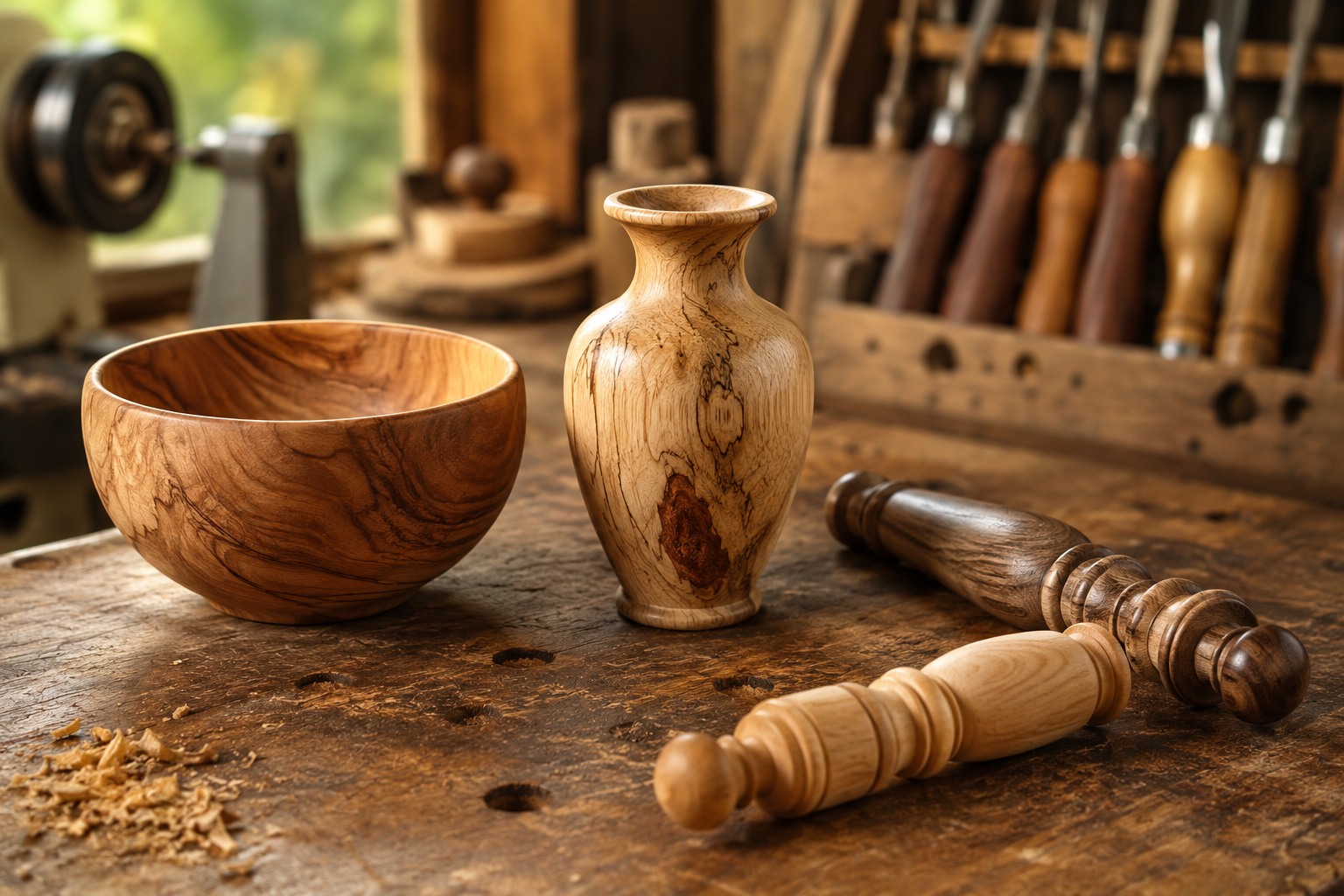
Embarking on the art of wood turning, even for small-batch projects, requires a foundational understanding of the necessary equipment and, most critically, an unwavering commitment to safety. For beginners interested in crafting items like bowls, vases, and spindles, the right setup ensures both enjoyable learning and successful outcomes.
The Essential Wood Lathe
The heart of any wood turning operation is the lathe. For small-batch projects, a midi or mini lathe is often ideal. These machines are compact, more affordable than full-sized industrial lathes, and perfectly capable of handling the dimensions typically associated with decorative bowls, small vases, and spindles. When selecting a lathe, consider:
- Motor Horsepower (HP): A 1/2 to 1 HP motor is usually sufficient for beginner projects, offering enough power to turn smaller pieces without bogging down.
- Speed Control: Variable speed control is highly beneficial, allowing you to adjust RPMs for different wood types and turning stages. Lower speeds are crucial for initial shaping, while higher speeds provide a smoother finish.
- Swing Over Bed: This measurement indicates the maximum diameter of wood the lathe can turn. For bowls, a minimum 10-inch swing is recommended.
- Distance Between Centers: This determines the maximum length of a spindle you can turn. For small spindles, a 16 to 20-inch distance is generally ample.
Necessary Turning Tools
A basic set of turning chisels (also known as gouges and scrapers) will equip you for most beginner projects. Look for high-speed steel (HSS) tools, which hold an edge longer than carbon steel. A typical beginner set should include:
- Spindle Roughing Gouge: Used for quickly shaping square stock into a cylinder.
- Skew Chisel: Excellent for making smooth, clean cuts and creating beads and coves. It has a steep learning curve but is highly versatile.
- Spindle Gouge: Ideal for detailing, forming coves, and creating intricate shapes on spindles.
- Bowl Gouge: Designed with a deeper flute to remove material efficiently from the inside and outside of bowls.
- Parting Tool: Used for cutting off the workpiece from the lathe or defining shoulders.
- Scraper: Flat or rounded tools used for refining surfaces and removing tool marks.
Essential Safety Gear
Safety is paramount in wood turning. The spinning wood and sharp tools present significant hazards if precautions are not taken. Always wear:
- Eye Protection: A full-face shield is highly recommended, offering superior protection against flying chips and dust compared to safety glasses alone.
- Respiratory Protection: Wood dust, especially from certain species, can be harmful. A good quality dust mask or respirator is essential.
- Hearing Protection: Lathes can be noisy. Earplugs or earmuffs protect against long-term hearing damage.
- No Loose Clothing or Jewelry: These can get caught in the spinning workpiece. Tie back long hair.
- Appropriate Footwear: Closed-toe shoes protect your feet from dropped tools or wood.
Remember, practice safe habits from the very first cut. For a broader understanding of essential tools in woodworking, consider exploring resources on essential hand tools for every woodworker.
Mastering Basic Techniques for Small-Batch Wood Turning Projects for Gifts and Home Decor
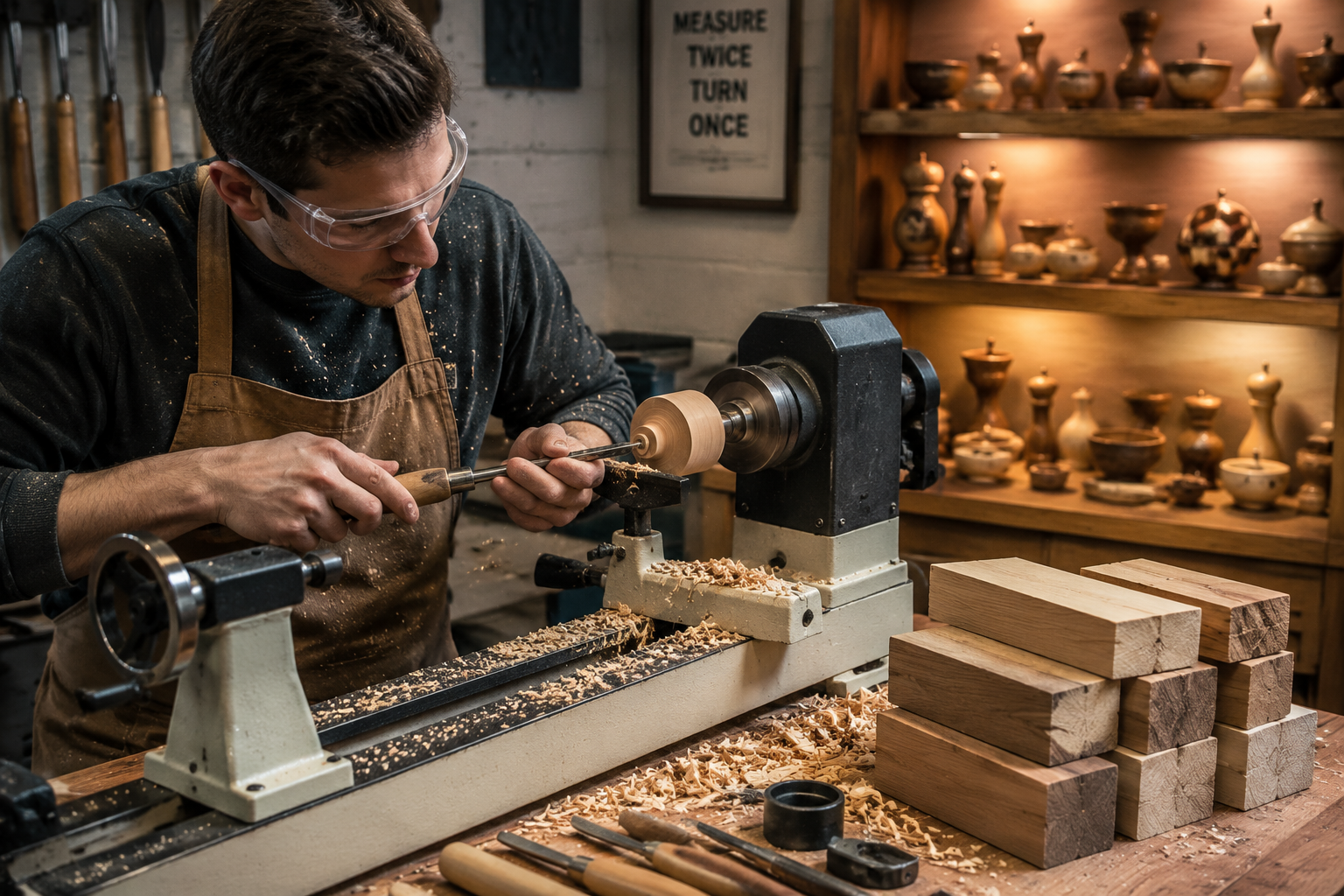
Once you have your equipment and safety gear in place, the next step is to understand and practice the fundamental techniques that will allow you to create stunning Small-Batch Wood Turning Projects for Gifts and Home Decor: Bowls, Vases, and Spindles for Beginners. Consistent practice and patience are key to developing the necessary hand-eye coordination and feel for the wood.
Wood Selection for Beginners
Choosing the right wood is crucial for a positive beginner experience. Opt for woods that are relatively soft, stable, and readily available.
- Maple: A good choice for its fine grain and stability, though it can be harder to turn.
- Cherry: Turns beautifully, has a rich color, and is forgiving for beginners.
- Walnut: A bit harder, but offers stunning dark grain and polishes well.
- Poplar: Soft and inexpensive, ideal for practice pieces.
- Spalted Woods: While beautiful, spalted woods can be tricky due to inconsistencies in density, so approach with caution.
For small projects, scrap wood or offcuts from larger woodworking endeavors can be perfect, making it a cost-effective hobby. You might even find opportunities to use materials similar to those discussed in profitable scrap wood projects.
Fundamental Turning Operations
Before tackling specific projects, familiarize yourself with these core operations:
Mounting the Workpiece:
- Spindle Turning (between centers): Secure a square blank between the headstock drive center and the tailstock live center.
- Faceplate Turning (for bowls): Screw a round blank or a squared-up blank onto a faceplate, which then mounts to the headstock. Ensure screws are sufficiently long and appropriate for the wood type.
Roughing to Round: Using a spindle roughing gouge (for spindles) or a bowl gouge (for bowls), gently remove corners from the spinning square stock until it’s cylindrical or roughly round. Start with low speeds and take light cuts.
Basic Cuts:
- Shear Cut: The most common and effective way to remove material, where the tool’s bevel rubs the wood just below the cutting edge, producing ribbons of shavings.
- Scraping Cut: The tool is presented flat or slightly angled to the wood, scraping material away. This leaves a rougher surface but is easier for beginners to control for final shaping.
Tool Rests and Body Mechanics:
- Always keep the tool rest as close as possible to the workpiece without touching it.
- Maintain a firm grip on the tool, but use your body to control the movement, not just your arms. Pivot from your hips and move smoothly.
Project Focus: Bowls, Vases, and Spindles
Small Bowls
- Initial Shape: Start with a pre-cut round blank or rough a square one.
- Mounting: Use a faceplate for beginners.
- Exterior: Shape the outside first, establishing the base and rim.
- Interior: Once the outside is done, reverse chuck (if applicable) or use a jam chuck, then hollow out the interior using a bowl gouge. Gradually remove material, creating an even wall thickness. For more detailed insights, our guide on wooden fruit bowls offers additional techniques.
Decorative Vases
- Spindle Mounting: Vases are typically turned between centers initially.
- Shape Definition: Focus on creating graceful curves for the body, a narrow neck, and a stable base.
- Hollowing: Once the exterior is shaped, the challenging part is hollowing out the interior through the narrow neck. Specialized hollowing tools or extended bowl gouges are often required. Start with a wider opening if you are a beginner.
Spindles
- Between Centers: Spindles are classic between-centers projects.
- Replicate Shapes: Practice creating beads (convex curves) and coves (concave curves) using spindle gouges and skew chisels.
- Symmetry: Focus on achieving symmetry along the length of the spindle, which is crucial for balanced designs. Spindles can be used for furniture legs, lamp bases, or decorative accents.
Sanding and Finishing
Once the turning is complete, sanding on the lathe is critical for a smooth surface. Start with a coarse grit (e.g., 100-120) and progressively move to finer grits (up to 400-600) until the surface is silky smooth. Always sand with the lathe running at a slow speed, and consider reversing the lathe direction for the final grits to eliminate circular scratch patterns.
For finishes, beginners can start with simple friction polishes, wax, or oil finishes that are easy to apply and bring out the natural beauty of the wood. Shellac or polyurethane can also be used for a more durable surface, depending on the intended use of the item. Learning about unique wood finishing techniques can elevate your projects.
Creative Applications and Marketing Your Small-Batch Wood Turned Creations in 2026
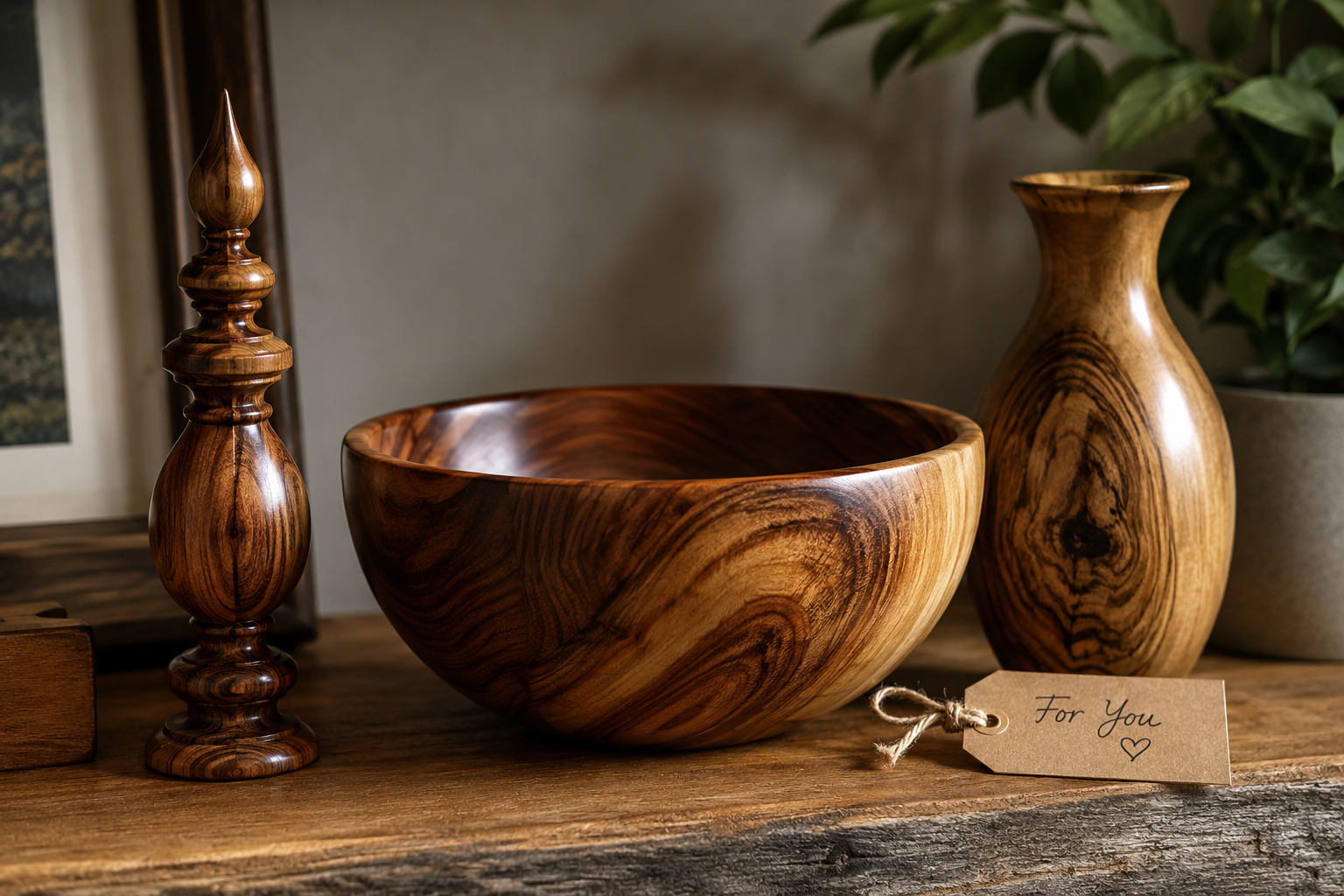
The appeal of Small-Batch Wood Turning Projects for Gifts and Home Decor: Bowls, Vases, and Spindles for Beginners lies not only in the satisfaction of creation but also in the unique value these handcrafted items possess. In 2026, personalized and artisan-made goods continue to hold significant market appeal, making your turned pieces ideal for thoughtful gifts or enhancing any living space.
Gifting Opportunities
Hand-turned wooden items make exceptionally personal and memorable gifts for almost any occasion.
- Weddings and Anniversaries: A beautifully turned decorative bowl or a pair of elegant candlesticks can be a cherished heirloom.
- Birthdays: Small vases, perhaps with a dried flower arrangement, or intricately turned pens (a slightly more advanced project but within reach) are excellent choices.
- Holidays: Ornaments, small decorative trees, or unique serving bowls can become festive staples.
- Housewarmings: A bespoke wooden vessel or a set of small decorative spindles adds warmth and character to a new home.
Consider adding a personal touch like an engraved initial or a date on the bottom of the piece, turning a beautiful object into a truly irreplaceable memento.
Elevating Home Decor
Beyond gifts, your small-batch turned items can significantly enhance home aesthetics, embracing the current trend towards natural materials and artisanal craftsmanship.
- Bowls: Use them as decorative centerpieces on coffee tables or dining tables, displaying fruit, potpourri, or simply standing as sculptures themselves.
- Vases: Fill small, elegant vases with single stems, dried botanicals, or use them as standalone art pieces on shelves, mantels, or windowsills.
- Spindles: Integrate decorative spindles into existing furniture projects (e.g., as legs for a small side table) or use them as sculptural elements on bookcases.
- Candle Holders: Turning small, sturdy candle holders is another excellent beginner project, adding warmth and ambiance to any room. Our guide on ultimate guide to wooden candle holders offers further inspiration.
Showcasing Your Work
Even if your primary goal isn’t commercial, showcasing your creations provides motivation and allows you to connect with other enthusiasts.
- Online Platforms: Share photos of your finished work on social media (Instagram, Pinterest, Facebook groups dedicated to woodworking) or start a simple blog. Use relevant hashtags to reach a wider audience.
- Local Craft Fairs: Participating in local markets is an excellent way to get feedback, connect with the community, and potentially sell your pieces. Pricing handmade items can be challenging, but understanding their inherent value is key.
- Photography: Good photography is crucial. Present your pieces in natural light against simple backgrounds to highlight their beauty and craftsmanship.
- Networking: Join local woodworking clubs or online forums. These communities offer a wealth of knowledge, support, and opportunities for inspiration.
By focusing on high-quality finishes and unique designs, your small-batch turned pieces can stand out. This artisan approach aligns well with current trends in high-demand woodworking projects for 2026, where consumers value craftsmanship and individuality.
Conclusion
The journey into Small-Batch Wood Turning Projects for Gifts and Home Decor: Bowls, Vases, and Spindles for Beginners offers a deeply rewarding creative outlet. From the initial thrill of seeing a block of wood transform on the lathe to the satisfaction of gifting a handcrafted item or adorning your home with a unique piece, the process is rich with learning and personal achievement. By understanding the essential tools, prioritizing safety, and patiently practicing fundamental techniques, even newcomers can quickly produce beautiful and functional wooden objects. The versatility of turned items as both thoughtful gifts and elegant home decor ensures that your efforts will always find purpose and appreciation. Embrace the shavings, the sawdust, and the endless possibilities that await at the lathe.
Actionable Next Steps:
- Invest in Core Equipment: Start with a beginner-friendly midi/mini lathe, a set of HSS turning chisels, and comprehensive safety gear.
- Prioritize Safety Training: Review all safety protocols for your lathe and tools before making your first cut.
- Source Practice Wood: Begin with inexpensive, stable wood like poplar or cherry to hone your skills without costly mistakes.
- Practice Basic Cuts: Spend time mastering roughing to round, shear cuts, and scraping techniques on scrap material.
- Start Simple Projects: Choose a straightforward bowl or spindle project to build confidence before moving to more complex designs like vases.
- Focus on Finishing: Dedicate time to sanding and applying a quality finish to showcase the beauty of your turned pieces.
- Join a Community: Connect with local woodturning clubs or online forums for ongoing learning, inspiration, and support.
Meta Title: Small-Batch Wood Turning Projects: Gifts & Home Decor for Beginners Meta Description: Learn small-batch wood turning projects for gifts and home decor, including bowls, vases, and spindles. A beginner’s guide to tools, techniques, and finishing.