
The resonant clang of hammer on anvil might seem a world apart from the whisper of a plane shaving wood, yet for centuries, these two crafts have intertwined, creating objects of both robust utility and exquisite beauty. Far from being separate disciplines, the smithy has exerted a profound influence on woodworking, directly enabling the creation of stronger, more durable, and aesthetically richer furniture and structures. This deep historical and ongoing partnership, characterized by “The Smithy’s Influence on Woodworking: Integrating Metal Accents and Hardware into Furniture Design,” has shaped our built environment in ways both visible and subtle. From the simplest nail to the most intricate decorative inlay, metalwork has elevated woodworking from basic construction to an art form, providing crucial structural integrity, essential functionality, and unparalleled decorative flourish.
Key Takeaways
- Historical Synergy: Blacksmiths and woodworkers have collaborated for centuries, with metalwork providing essential tools, fasteners, and structural components that enabled advancements in woodworking.
- Aesthetic Enhancement: Metal accents, from wrought iron to brass inlays, add visual interest, texture, and contrast, elevating the design and perceived value of wooden furniture.
- Structural Reinforcement: Custom-forged brackets, straps, and corner protectors increase the durability and longevity of wooden pieces, especially in high-stress areas or for heavy-duty applications.
- Functional Hardware: Locks, hinges, pulls, and casters, often custom-made by smiths, transform inert wood into functional furniture, offering smooth operation and a personalized touch.
- Modern Integration: Contemporary woodworking continues this tradition, utilizing both traditional hand-forged elements and modern machined metals to achieve innovative and robust designs.
The Smithy’s Influence on Woodworking: Historical & Functional Synergy
The relationship between the smithy and the woodworking shop is as old as civilization itself. Before mass production, a woodworker relied heavily on the local blacksmith for the very tools that shaped timber, axes, chisels, saws, and planes all bore the mark of the smith’s forge. Beyond tools, the blacksmith provided the essential “glue” that held early wooden structures and furniture together: nails, screws, bolts, and various forms of hardware. Without these metallic connectors, the complexity and scale of woodworking projects would have been severely limited.
Consider the evolution of a simple wooden chest. Early iterations might have been bound with leather or secured with wooden pegs. However, the introduction of iron hinges and latches, crafted by a smith, transformed it into a secure, durable piece of furniture, capable of protecting its contents for generations. This functional synergy is paramount to understanding “The Smithy’s Influence on Woodworking: Integrating Metal Accents and Hardware into Furniture Design.” The metal elements weren’t merely add-ons; they were integral components that defined the object’s utility and longevity.
Historically, the local blacksmith was not just a provider of goods but a true partner in craftsmanship. A woodworker designing a large gate would consult the smith for custom hinges that could bear its weight. A cabinetmaker needing a unique lock or pull would commission it, ensuring a perfect fit and a cohesive aesthetic. This bespoke collaboration is a hallmark of traditional craft, where each element was intentionally designed and handcrafted to complement the other. The wood often provided the bulk and warmth, while the metal brought strength, security, and a touch of refinement.
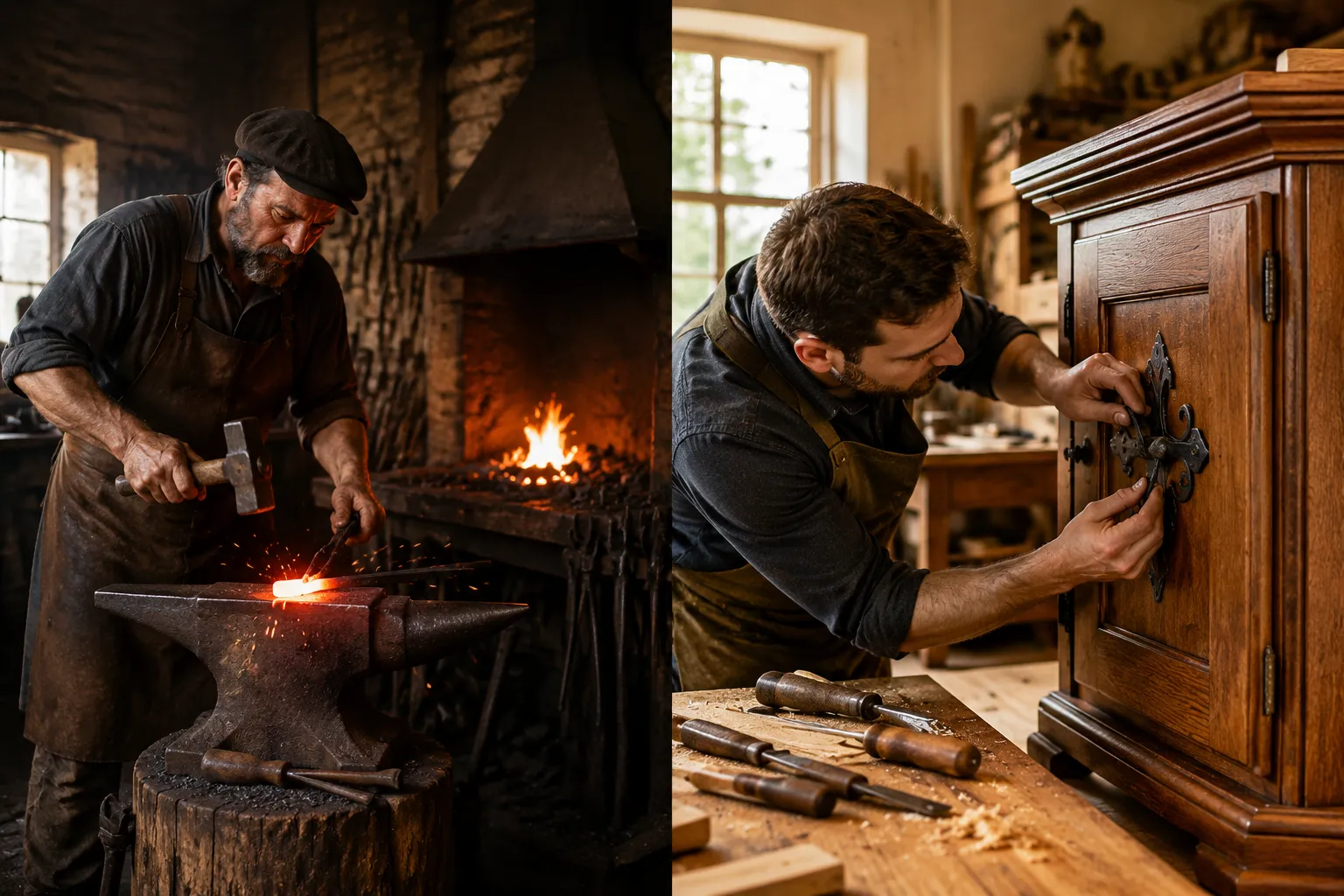
This historical context provides a strong foundation for contemporary practices. Even in 2026, with the advent of advanced manufacturing, the appeal of custom, hand-forged metalwork endures. Woodworkers seeking to create unique, heirloom-quality pieces often turn to traditional smithing techniques to procure hardware that cannot be found off-the-shelf. This not only adds a distinctive character but also speaks to a commitment to quality and authenticity. The choice of wood species, whether it’s a robust oak or a delicate cherry, influences the type and weight of metal hardware and accents that would be appropriate, highlighting the need for careful material selection in furniture making, as discussed in “The Essential Guide To Wood Species For Beginner Furniture Makers Selection Properties And Best Uses” – https://woodcraftwiz.com/the-essential-guide-to-wood-species-for-beginner-furniture-makers-selection-properties-and-best-uses/.
Designing with Metal Accents: Aesthetics and Practicality for The Smithy’s Influence on Woodworking
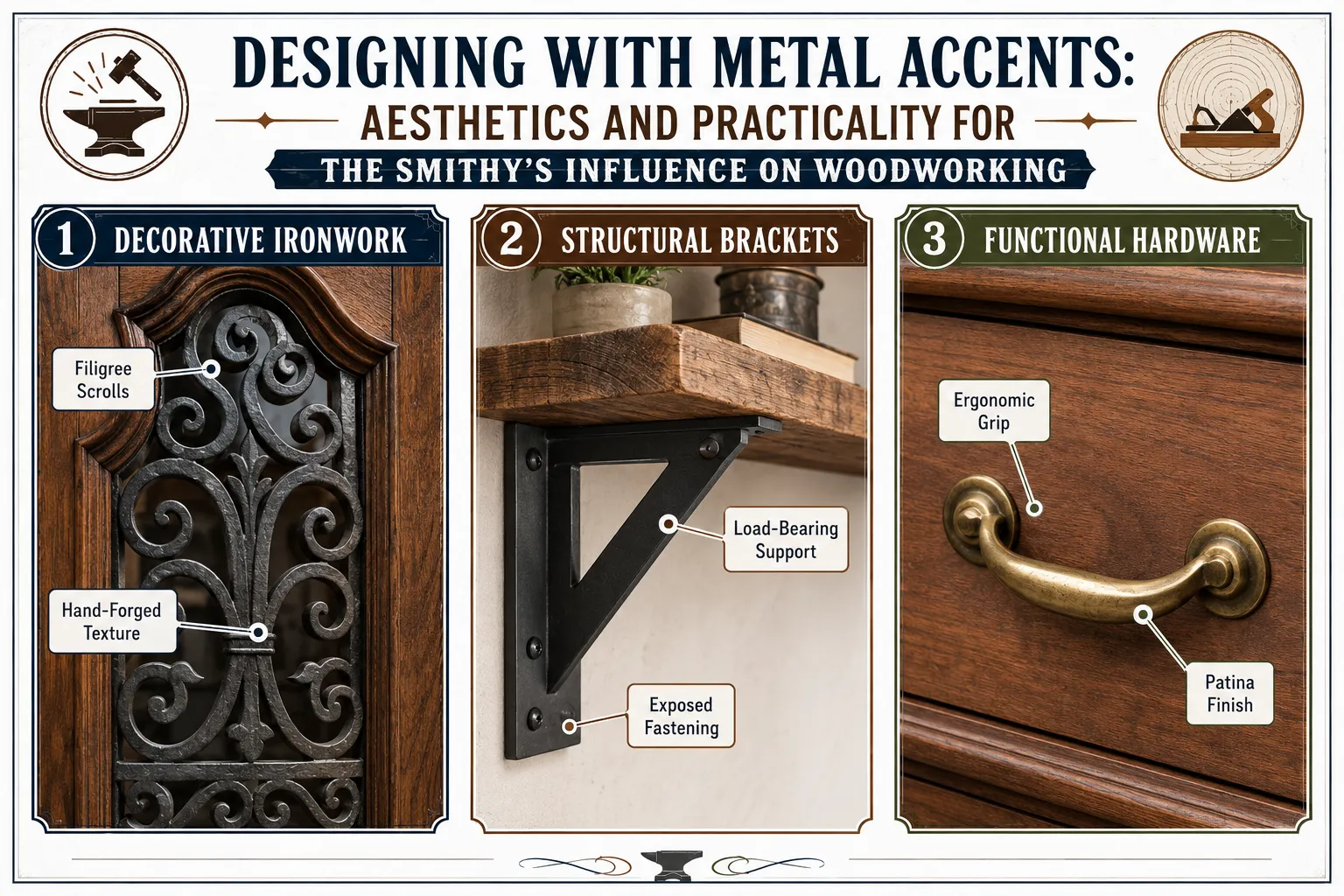
Integrating metal accents and hardware into furniture design is a delicate balance between aesthetics and practicality. The choice of metal, its finish, and its form can dramatically alter the perception and functionality of a wooden piece.
Aesthetic Considerations:
- Contrast and Texture: Metal offers a stark contrast to wood, both visually and tactilely. A smooth, polished brass pull against grainy walnut, or a rough, blackened steel strap on a reclaimed barnwood table, creates visual interest and depth. The texture of forged iron, with its hammer marks and imperfections, tells a story that complements the organic nature of wood.
- Color and Sheen: Different metals bring varied color palettes. Brass and copper offer warm, reddish-gold tones that can enrich darker woods. Steel and iron provide cool, industrial greys and blacks. Polished finishes catch the light, adding sparkle, while matte or patinated finishes offer a subdued elegance.
- Style and Period: Metalwork can reinforce a specific design era or style. Ornate, scrollwork iron hardware might suit a Gothic or Renaissance-inspired piece, while sleek, minimalist stainless steel aligns with modern or industrial aesthetics. Mid-century modern furniture often features brass or chrome accents.
- Focal Points: Metal can be used to draw the eye, creating a focal point. A large, decorative escutcheon plate around a keyhole, or custom metal inlays, can transform a plain surface into a captivating detail.
Practical Considerations:
- Durability and Strength: Metal provides unmatched strength and resistance to wear and tear. A metal kickplate on a wooden cabinet, or metal banding around a table’s edge, protects the wood from damage. Structural brackets, often hidden, ensure the longevity and stability of furniture, especially for items like shelves or large tables.
- Functionality: Beyond decorative elements, metal hardware is crucial for functionality. Hinges allow movement, pulls enable opening, and casters facilitate mobility. Custom-made hardware ensures a perfect fit and operation, superior to generic, mass-produced alternatives. For example, a heavy, custom-built bar cart might benefit from robust, forged iron wheels rather than flimsy standard casters, ensuring both durability and style, a concept explored further in “DIY Bar Cart and Portable Drink Stations: Woodworking Plans for” – https://woodcraftwiz.com/diy-bar-cart-and-portable-drink-stations-woodworking-plans-for-entertaining-at-home/.
- Corrosion and Finish: The type of metal and its finish must be considered based on the furniture’s intended use and environment. Outdoor furniture requires corrosion-resistant metals or finishes. Indoor pieces might prioritize aesthetics, but still benefit from protective coatings to prevent tarnishing or rust.
- Weight and Balance: Adding significant metal components can affect the overall weight and balance of a wooden piece. This needs to be factored into the design, ensuring the furniture remains stable and manageable.
When considering “The Smithy’s Influence on Woodworking: Integrating Metal Accents and Hardware into Furniture Design,” woodworkers often find themselves learning basic metalworking skills, or collaborating closely with a blacksmith. This might involve simple bending and shaping of metal straps, drilling holes for fasteners, or even basic patination techniques to achieve a desired finish. The use of specialized hand tools is often essential for precision in both crafts, harking back to practices discussed in “Restoring Vintage Woodworking Hand Tools A Guide To Rust Removal Sharpening And Handle Repair For Enhanced Performance” – https://woodcraftwiz.com/restoring-vintage-woodworking-hand-tools-a-guide-to-rust-removal-sharpening-and-handle-repair-for-enhanced-performance/.
| Metal Type | Common Uses in Woodworking | Aesthetic Impact | Practical Considerations |
|---|---|---|---|
| Wrought Iron | Straps, hinges, handles, decorative grilles, balusters | Rustic, antique, industrial, dark contrast; can be highly sculptural | Strong, durable, prone to rust if not protected, heavy |
| Brass/Bronze | Pulls, knobs, escutcheons, inlays, decorative trim, feet | Warm, classic, elegant, luxurious; develops rich patina over time | Malleable, resistant to corrosion, can tarnish, moderate strength |
| Steel | Brackets, legs, frames, industrial-style hardware, minimal accents | Modern, industrial, sleek, strong visual lines; can be polished or blackened | Very strong, versatile, can rust (especially mild steel), various finishes |
| Copper | Decorative inlays, smaller accents, caps, rivets | Warm, vibrant, unique; develops striking green/blue patina | Soft, easily worked, distinctive color, less structural strength, tarnishes |
| Aluminum | Modern hardware, lightweight structural elements, specific contemporary designs | Sleek, minimalist, often matte or brushed finish, very light | Lightweight, corrosion-resistant, less robust than steel for heavy loads, modern |
Advanced Integration Techniques and Future Trends in Woodworking
Beyond standard hardware, advanced integration techniques push the boundaries of “The Smithy’s Influence on Woodworking: Integrating Metal Accents and Hardware into Furniture Design.” Modern woodworkers are exploring innovative ways to combine these materials, creating pieces that are both structurally sound and visually compelling.
One such technique involves inlaying metal into wood. This can range from fine brass lines forming intricate patterns to larger, bolder geometric shapes of steel or aluminum set flush with the wooden surface. Achieving this requires precision routing and often custom-fabricated metal pieces that fit perfectly into the wooden substrate. The contrast in material, texture, and temperature creates a luxurious, contemporary feel. For example, a live-edge dining table might feature a river of polished steel or copper running through its center, marrying natural irregularity with industrial precision.
Another area is the use of exposed structural metalwork. Instead of hiding brackets and supports, designers are deliberately showcasing them as part of the aesthetic. Industrial-style furniture often features visible steel frames, heavy-duty bolts, and substantial metal components that celebrate the engineering behind the piece. This approach emphasizes strength, durability, and a raw, honest aesthetic. Think of a large wooden workbench with exposed, robust steel legs and bracing, or a modular shelving unit where the metal framework is a dominant design element, much like the principles discussed in “Integrating Smart Storage And Organization With Bespoke Wooden Solutions For Modern Garages And Workshops” – https://woodcraftwiz.com/integrating-smart-storage-and-organization-with-bespoke-wooden-solutions-for-modern-garages-and-workshops/.
The future of metal and wood integration also leans into digital fabrication. CNC machines and laser cutters allow for incredibly precise metal components to be designed and cut, which can then be seamlessly integrated into equally precise wooden forms. This opens up possibilities for complex interlocking designs, perforated metal screens, or intricate decorative panels that would be exceedingly difficult to achieve by hand. Imagine a wooden cabinet where the doors feature laser-cut metal mesh inserts, or a table with legs that combine CNC-milled wood and metal sections in a complex, sculptural form.
Furthermore, the exploration of new metal alloys and finishes continues to expand the design palette. Stainless steel, brushed aluminum, and even titanium are finding their way into high-end furniture, offering unique properties and aesthetics. Patination techniques, both traditional and chemical, are used to create specific colors and textures on metals, allowing for greater customization and artistic expression. For example, a woodworker might collaborate with a metal artist to achieve a specific rust finish on steel legs that perfectly complements the rich tones of a mahogany tabletop.
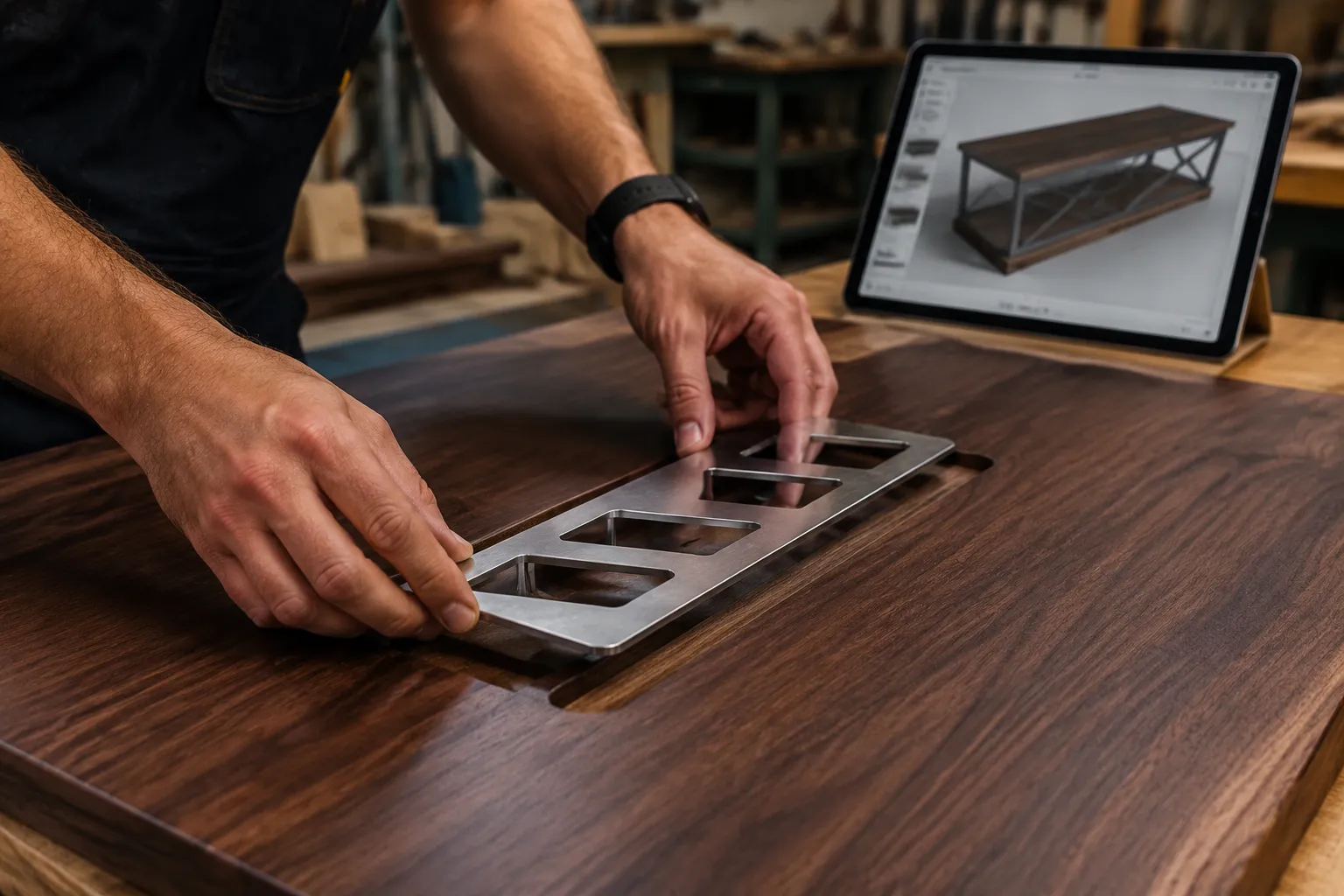
This convergence of traditional craft with modern technology exemplifies “The Smithy’s Influence on Woodworking: Integrating Metal Accents and Hardware into Furniture Design” in the 21st century. It encourages woodworkers to think beyond conventional limitations, viewing metal not just as a fastener but as an equally expressive design medium. The demand for unique, customized furniture in 2026 continues to drive this innovation, with artisans constantly seeking ways to differentiate their work through thoughtful material integration. For those interested in digital fabrication, exploring topics like Diy Wood Filament 3d Printer Enclosure Integrating Digital Fabrication With Traditional Craft can offer valuable insights into combining these advanced techniques with traditional craft.
Conclusion
“The Smithy’s Influence on Woodworking: Integrating Metal Accents and Hardware into Furniture Design” is a testament to the enduring power of cross-disciplinary craftsmanship. From the ancient forge supplying essential tools and fasteners to modern workshops employing advanced digital fabrication for intricate metal components, the interplay between metal and wood has consistently enriched furniture design. This collaboration yields pieces that are not only structurally superior but also possess a captivating aesthetic depth, blending the warmth of timber with the strength and gleam of metal.
For woodworkers in 2026, understanding and embracing this symbiotic relationship means unlocking a vast realm of design possibilities. Whether it involves sourcing historically accurate hand-forged hardware, commissioning bespoke metal accents, or integrating contemporary metallic elements using advanced techniques, the thoughtful incorporation of metal can transform a good piece of furniture into an exceptional one.
Actionable Next Steps:
- Explore Local Artisans: Seek out local blacksmiths or metal fabricators. Building relationships with these artisans can open doors to custom hardware and design collaborations that elevate your woodworking projects.
- Learn Basic Metalworking: Consider taking a basic metalworking or blacksmithing class. Even fundamental skills like bending, drilling, and finishing metal can empower you to create your own unique accents and hardware.
- Study Design History: Examine historical furniture pieces to understand how metal was integrated in different eras. This can inspire contemporary designs and inform your choices regarding style and authenticity.
- Experiment with Materials: Don’t be afraid to experiment with different types of metals and finishes. A small accent can dramatically change the character of a piece.
- Prioritize Function and Aesthetics: Always balance the practical requirements of strength and durability with the aesthetic impact of metal elements. The best designs seamlessly merge both.
By consciously integrating the rich legacy and versatile capabilities of the smithy, woodworkers can continue to create enduring, beautiful, and highly functional furniture that stands the test of time and trends.
References
- Doss, D. (1998). The Blacksmith’s Craft: A Handbook for Beginners. Sterling Publishing Co., Inc.
- Krenov, J. (1992). The Fine Art of Cabinetmaking. Sterling Publishing Co., Inc.
- Schwarz, C. (2012). The Anarchist’s Tool Chest. Lost Art Press.
SEO Meta Title: Smithy’s Influence: Integrating Metal Accents in Woodworking Design SEO Meta Description: Discover the smithy’s profound influence on woodworking. Learn to integrate metal accents and hardware into furniture design for enhanced aesthetics and durability.