
The sheer diversity of wood, from the butter-soft balsa to the iron-hard lignum vitae, presents a vast palette of possibilities and challenges for the DIY woodworker. Without a foundational understanding of each species’ unique properties, selecting the right material for a project can lead to frustration, wasted effort, and disappointing results. This comprehensive guide aims to demystify “Understanding Wood Species: A Guide to Characteristics, Uses, and Sourcing for DIY Woodworkers” by exploring the fundamental attributes that define different woods, their optimal applications, and how to source them responsibly and effectively in 2026.
Key Takeaways
- Wood species are broadly categorized into hardwoods and softwoods, each possessing distinct cellular structures and properties affecting density, durability, and workability.
- Understanding characteristics like grain pattern, hardness (Janka rating), stability, and resistance to decay is crucial for selecting the appropriate wood for a specific project.
- The best wood for a project depends entirely on its intended use, whether it’s fine furniture, outdoor structures, carving, or turning.
- Sourcing wood involves considering factors like sustainability, budget, local availability, and the form factor (dimensional lumber, slabs, turning blanks).
- Sustainable sourcing practices, including FSC certification and reclaimed wood, are increasingly important for environmentally conscious woodworkers.
Decoding Wood: Characteristics and Properties of Common Species
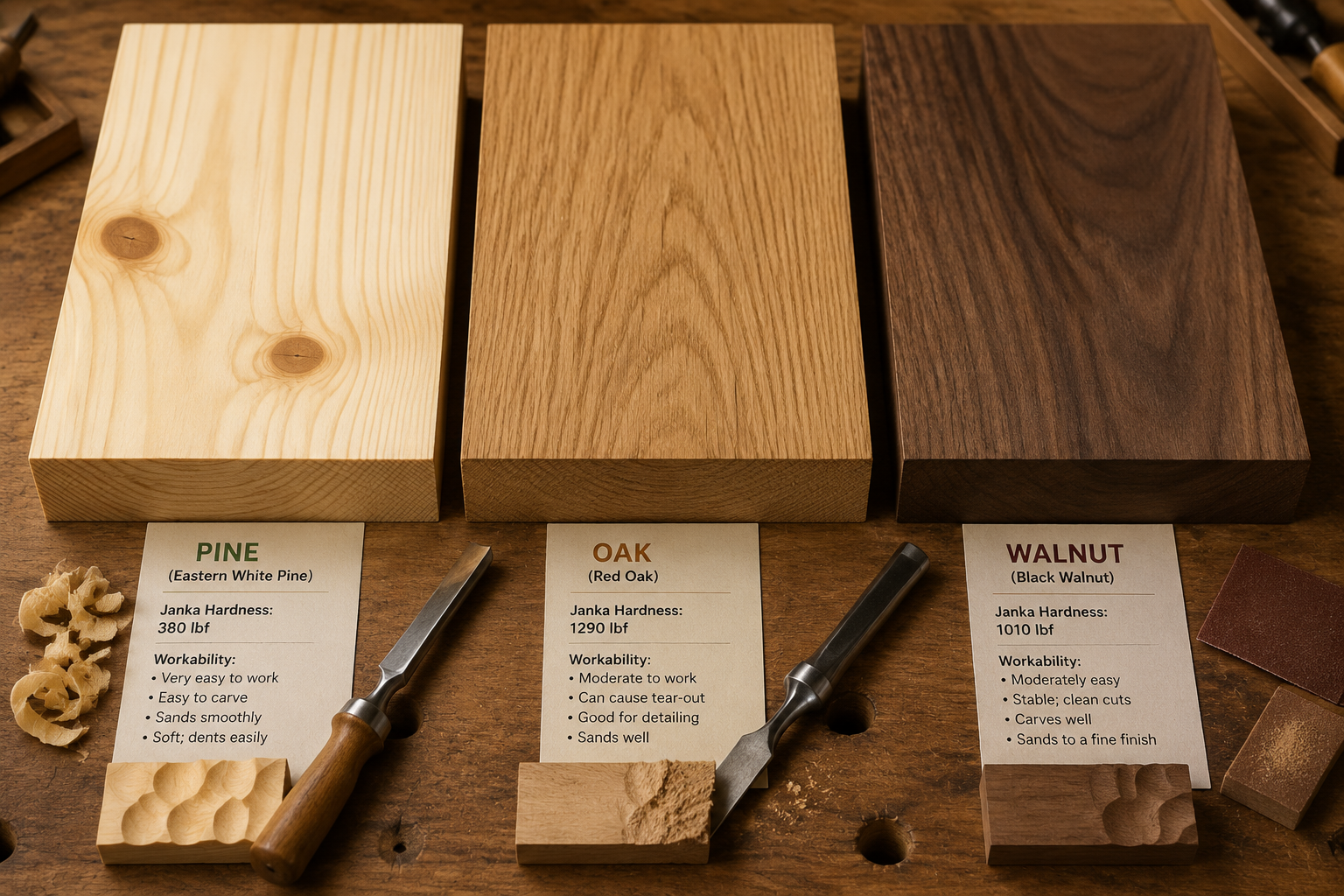
To truly master woodworking, one must first grasp the language of wood itself. Every species tells a story through its grain, color, and density, influencing how it can be worked and what it can become. Broadly, woods are categorized as either hardwoods or softwoods, a distinction that, while generally indicative of density, actually relates to the tree’s reproductive process. Hardwoods come from deciduous trees (broad-leafed trees that typically lose their leaves seasonally), while softwoods come from coniferous trees (evergreens with needles or scales).
Hardwoods: Strength, Durability, and Fine Finishes
Hardwoods are generally denser, more durable, and often have more complex grain patterns, making them ideal for furniture, cabinetry, flooring, and other projects requiring longevity and resistance to wear.
Oak (Red and White):
- Characteristics: Very strong, durable, pronounced open grain. White oak is more water-resistant due to its closed pores. Red oak is slightly lighter in color and has a coarser grain.
- Workability: Works fairly well with hand and power tools, though white oak can be harder to machine due to density. Finishes beautifully.
- Uses: Furniture, cabinetry, flooring, boat building (white oak), decorative accents.
- Why choose it: Classic aesthetic, excellent durability, takes stain well.
Maple (Hard and Soft):
- Characteristics: Hard maple is very dense and strong, with a fine, even grain and a light, creamy color. Soft maple is less dense but still quite durable. Often features interesting figure like “bird’s eye” or “flame.”
- Workability: Hard maple can be challenging to work due to its density; sharp tools are essential. It sands to a very smooth finish.
- Uses: Furniture, cutting boards, butcher blocks, flooring, musical instruments, turned items.
- Why choose it: Extremely durable, takes finishes exceptionally well, clean modern look.
Walnut:
- Characteristics: Rich, dark brown color, often with purple or reddish hues, and a beautiful, flowing grain pattern. Moderately dense and stable.
- Workability: Excellent to work with both hand and power tools. Sands and finishes to a luxurious sheen.
- Uses: Fine furniture, cabinetry, gunstocks, decorative boxes, carving.
- Why choose it: Striking appearance, easy to work, highly valued for high-end projects.
Cherry:
- Characteristics: Light pinkish-brown when new, darkening to a rich reddish-brown with age and exposure to light. Fine, straight grain, with occasional gum pockets.
- Workability: Relatively easy to work, sands smoothly, takes finishes beautifully.
- Uses: Fine furniture, cabinetry, turned bowls, decorative items.
- Why choose it: Elegant color and grain, develops a beautiful patina over time.
Ash:
- Characteristics: Light colored, similar in appearance to oak but with a less pronounced grain. Known for its excellent strength-to-weight ratio and elasticity.
- Workability: Works easily with hand and power tools, glues well, and takes finishes nicely.
- Uses: Tool handles, sports equipment, bentwood furniture, cabinets.
- Why choose it: Strong, flexible, and affordable alternative to oak.
Softwoods: Workability, Economy, and Construction
Softwoods are generally lighter, less dense, and easier to work, making them popular for construction framing, outdoor projects, and utility furniture where cost and ease of processing are priorities.
Pine (White, Yellow, Ponderosa):
- Characteristics: Light color, distinct knots, relatively soft. Different varieties have varying hardness and grain patterns.
- Workability: Very easy to cut, carve, and shape. Can sometimes be prone to dents and tear-out around knots. Takes stain unevenly without a pre-conditioner.
- Uses: Furniture (rustic styles), shelving, trim, construction lumber, beginner projects.
- Why choose it: Affordable, readily available, great for beginners or utilitarian builds.
Douglas Fir:
- Characteristics: Reddish-brown with a straight, pronounced grain. Strong for its weight.
- Workability: Easy to work with power tools, can splinter with hand tools if not sharp.
- Uses: Framing lumber, heavy construction, plywood, outdoor structures.
- Why choose it: High strength, good for structural applications.
Cedar (Western Red):
- Characteristics: Distinctive aromatic scent, reddish-brown color, fine grain, naturally resistant to decay and insects.
- Workability: Very soft, easy to cut and shape, but prone to denting.
- Uses: Outdoor furniture, decking, siding, cedar chests, raised garden beds.
- Why choose it: Natural insect and rot resistance, pleasant aroma, lightweight.
Spruce:
- Characteristics: Light, yellowish-white, straight grain, relatively soft.
- Workability: Easy to work, but knots can be hard.
- Uses: Construction lumber, musical instrument soundboards, crates.
- Why choose it: Lightweight, good strength for its weight, affordable.
Understanding Wood Movement
Regardless of species, all wood expands and contracts with changes in humidity. This “wood movement” is a critical concept for any woodworker. Understanding how different woods react to moisture, and designing projects to accommodate this movement, is essential for preventing cracks, warps, and joint failures. For an in-depth exploration, refer to “Understanding Wood Movement: How to Design and Build Furniture That” – https://woodcraftwiz.com/understanding-wood-movement-how-to-design-and-build-furniture-that-lasts-through-seasonal-changes/.
Choosing the Right Wood Species for Your Project
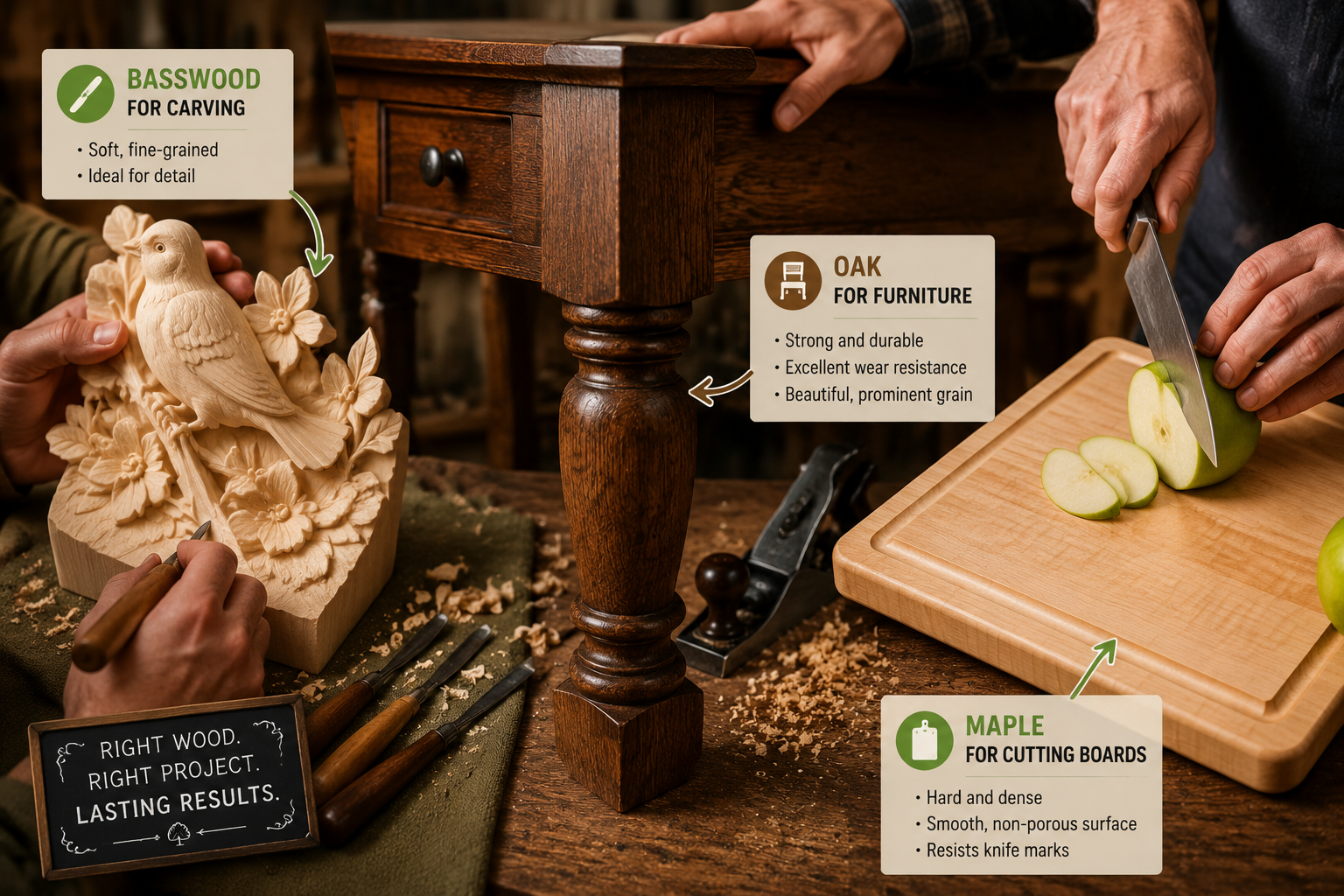
Selecting the ideal wood species is a decision driven by the project’s intended use, aesthetic requirements, and the woodworker’s skill level. A cutting board demands different properties than a delicate carved figurine. This section will help you in “Understanding Wood Species: A Guide to Characteristics, Uses, and Sourcing for DIY Woodworkers” by matching wood properties to common DIY applications.
Projects Requiring Strength and Durability
For items that will endure heavy use or bear significant weight, choosing a strong, dense hardwood is paramount.
- Furniture & Cabinetry: Oak, Maple, Cherry, Walnut, Ash. These woods offer excellent stability, hold joinery well, and stand up to daily wear. For structural elements, the hardness of oak or maple is often preferred.
- Flooring: Hard Maple, Oak. Their density and resistance to abrasion make them ideal for high-traffic areas.
- Outdoor Furniture & Decking: Cedar, Teak, Redwood, Treated Pine. These woods have natural resistance to decay and insects, or are chemically treated for exterior use. Cedar’s natural resistance and aesthetic appeal make it a popular choice.
Projects Emphasizing Aesthetics and Finish
When the visual appeal is key, consider woods known for their beautiful grain, color, and ability to take a fine finish.
- Fine Furniture: Walnut, Cherry, Mahogany (exotic), Birds-eye Maple. These woods are chosen for their exquisite appearance and often command higher prices.
- Decorative Boxes & Small Items: Walnut, Cherry, Exotic woods like Padauk or Purpleheart. The smaller scale allows for experimenting with unique or more expensive woods.
- Turning Projects (Bowls, Spindles): Maple, Walnut, Cherry, Exotic woods. The tight grain of maple is excellent for turning and achieving a smooth finish. For beginners interested in turning, “Introduction to Wood Turning for Beginners: Mastering Basic Lathe” provides a great starting point – https://woodcraftwiz.com/introduction-to-wood-turning-for-beginners-mastering-basic-lathe-operations-and-simple-bowl-projects/.
Projects Focused on Ease of Workability
Beginners or those undertaking complex carving projects might prioritize woods that are easier to cut, shape, and glue.
- Carving: Basswood, Pine, Poplar. Basswood is renowned for its soft, even grain, making it the preferred choice for detailed carving. For an introduction to this craft, explore “Introduction to Wood Carving for Beginners: Tools, Techniques, and” – https://woodcraftwiz.com/introduction-to-wood-carving-for-beginners-tools-techniques-and-simple-projects-to-get-started/.
- Beginner Projects: Pine, Poplar, SPF (Spruce-Pine-Fir). These are inexpensive, readily available, and forgiving for learning basic joinery and finishing techniques. Think profitable beginner woodworking projects like picture frames or simple shelves.
- Shop Jigs & Fixtures: Plywood, Poplar, Pine. Cost-effective and easy to work with, these are perfect for building functional shop accessories like essential woodworking jigs.
Specialty Applications
Certain projects have very specific wood requirements.
- Cutting Boards & Butcher Blocks: Hard Maple, Walnut, Cherry. These woods are non-toxic, have tight grains that resist bacterial penetration, and are durable enough to withstand knife marks.
- Acoustic Diffusers/Absorbers: Any stable wood species. The key here is dimensional stability and the ability to be shaped precisely, as seen in “Crafting Acoustic Diffusers and Absorbers from Scrap Wood: Enhance” – https://woodcraftwiz.com/crafting-acoustic-diffusers-and-absorbers-from-scrap-wood-enhance-your-home-audio-with-diy-solutions/.
Sourcing Wood: Where to Find Materials for Your DIY Projects
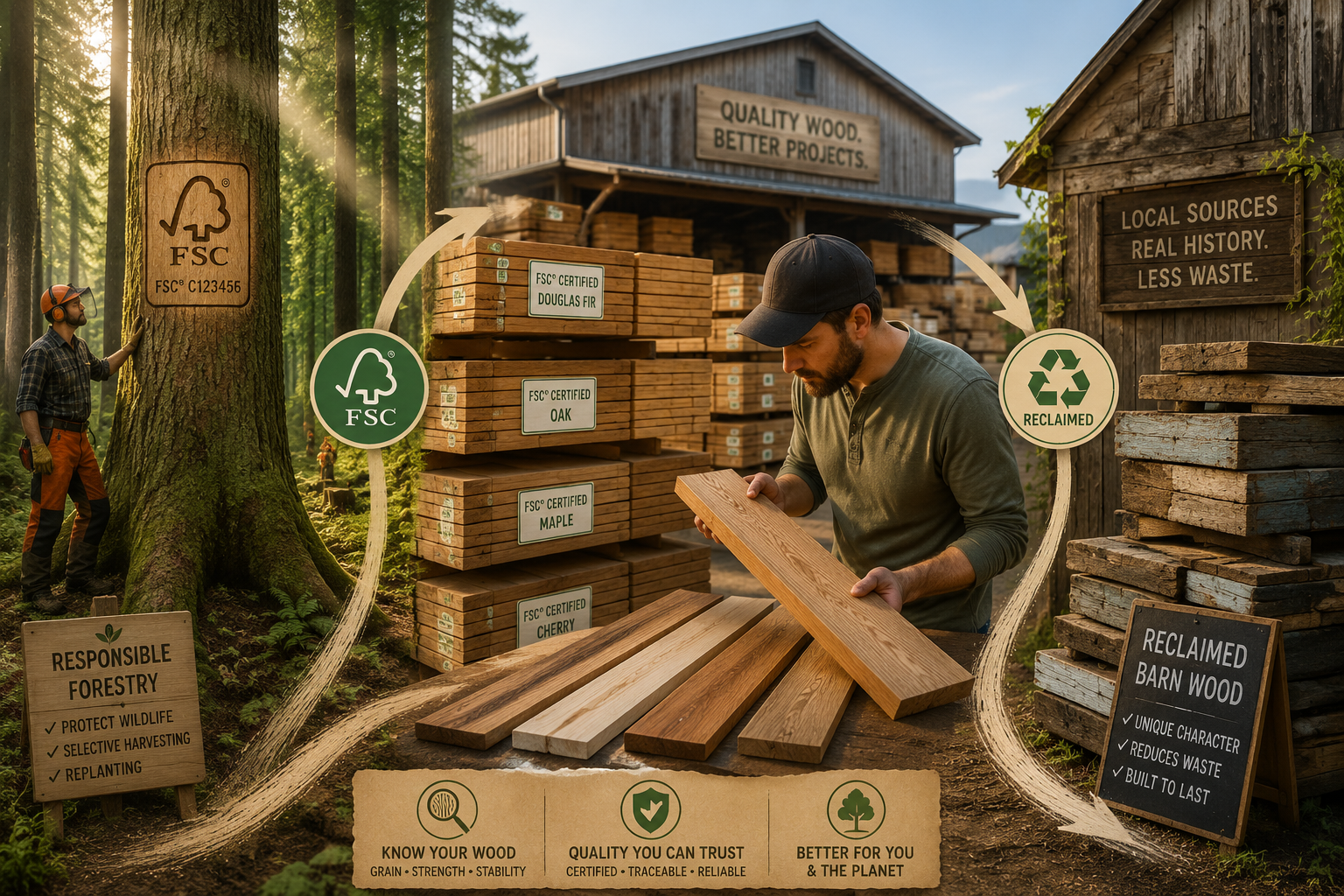
Once you have a clear “Understanding Wood Species: A Guide to Characteristics, Uses, and Sourcing for DIY Woodworkers” and have selected the right wood, the next step is to acquire it. Sourcing wood effectively involves understanding your options, evaluating quality, and considering sustainability.
Common Sourcing Options
- Local Lumberyards: These are often the best place to find a wide selection of hardwoods and softwoods. They typically sell dimensional lumber, turning blanks, and sometimes live edge slabs. Staff at lumberyards can offer expert advice and help you select the best boards for your project. Quality tends to be higher than big box stores.
- Big Box Home Improvement Stores (e.g., Home Depot, Lowe’s): Excellent for readily available construction-grade softwoods (pine, spruce, fir) and some common hardwoods (oak, poplar) in dimensional sizes. Prices are generally lower, but selection and quality can be inconsistent, often with more knots or warpage.
- Specialty Wood Suppliers/Hardwood Dealers: For exotic species, highly figured wood, veneer, or very specific dimensions, specialty dealers are invaluable. They often cater to fine furniture makers and offer premium quality.
- Sawmills: If you’re looking for rough-sawn lumber, particularly for larger projects or unique species, a local sawmill can be a cost-effective option. You’ll need to air dry or kiln dry the wood yourself, or buy already dried stock, but the savings can be significant.
- Online Retailers: Many companies sell and ship wood online, including exotic hardwoods, turning blanks, and even live edge slabs. This is a good option for hard-to-find species or if local options are limited, though shipping costs can be substantial.
- Reclaimed and Salvaged Wood: This is a fantastic option for unique projects and sustainable woodworking. Sources include old barns, demolition sites, old furniture, pallets (for upcycling old pallets), and even fallen trees from local arborists. Always check for nails, screws, and potential rot before using reclaimed wood. “Reclaimed Wood Restoration: Adding Narrative and Soul to Modern Spaces” offers more insights – https://woodcraftwiz.com/reclaimed-wood-restoration-adding-narrative-and-soul-to-modern-spaces/.
- Your Own Backyard/Local Trees: With proper tools and knowledge, felling and milling your own timber can be rewarding, but it’s a significant undertaking requiring drying time and specialized equipment.
Evaluating Wood Quality
When sourcing wood, look for:
- Minimal Defects: Avoid large knots, cracks, significant checks (splits along the grain), or excessive sapwood for most projects.
- Straightness: Check boards for warp, cup, twist, and bow. Perfectly straight boards are easier to work with.
- Grain: Consider the grain pattern for aesthetics (e.g., quartersawn for stability, figured grain for visual interest).
- Moisture Content: Ideally, wood should be “kiln-dried” or “air-dried” to an appropriate moisture content (usually 6-9% for interior furniture) to prevent significant wood movement after construction. Lumberyards often provide moisture content readings.
Sustainable Sourcing in 2026
Environmental considerations are increasingly important for woodworkers.
- FSC Certified Wood: Look for wood certified by the Forest Stewardship Council (FSC). This certification ensures that the wood comes from forests managed responsibly, both environmentally and socially.
- Local & Responsibly Harvested: Support local sawmills and suppliers who source their timber responsibly from local forests, reducing transportation costs and environmental impact.
- Reclaimed & Recycled Wood: Using reclaimed lumber is one of the most sustainable options, giving new life to old wood and reducing demand for newly harvested timber. This can lead to truly unique pieces, like oversized rough-hewn timber mantels.
- Avoid Endangered Species: Research and avoid purchasing wood from endangered or illegally logged species.
By thoughtfully considering these sourcing options and quality factors, DIY woodworkers can ensure they acquire the best materials for their projects while also supporting responsible practices.
Conclusion
Mastering the art of woodworking begins with a deep appreciation for the material itself. “Understanding Wood Species: A Guide to Characteristics, Uses, and Sourcing for DIY Woodworkers” is not merely about memorizing names but about comprehending the intrinsic properties that make each wood unique. From the robust strength of oak to the delicate workability of basswood, every species offers distinct advantages and challenges. By carefully considering grain, hardness, stability, and aesthetic appeal, you can confidently select the perfect material to bring your visions to life, ensuring your projects are not only beautiful but also durable and suited for their intended purpose.
As you embark on your next woodworking adventure, remember to choose your wood wisely, matching its characteristics to your project’s demands. Explore local lumberyards, consider the unique appeal of reclaimed wood, and always strive for sustainable sourcing. This thoughtful approach will not only elevate the quality of your craftsmanship but also deepen your connection to the material and the natural world it comes from.
SEO Meta Title: Understanding Wood Species: Characteristics, Uses & Sourcing SEO Meta Description: A comprehensive guide for DIY woodworkers on understanding wood species, their characteristics, best uses for projects, and sustainable sourcing in 2026.