

The average municipal tree removal generates thousands of board feet of usable timber, much of which historically ended up as mulch or landfill. This overlooked resource presents a golden opportunity for woodworkers in 2026. Urban lumber sourcing for woodworkers isn’t just about finding free or low-cost material; it’s about transforming salvaged city hardwoods into unique, character-rich pieces, while simultaneously promoting sustainability and local economies. This article will guide you through the entire process, from identifying potential sources to inspecting logs for hidden dangers and finally milling them into valuable stock.
Key Takeaways
- Urban lumber offers a sustainable and often free source of unique hardwoods.
- Building relationships with arborists and municipal departments is crucial for sourcing.
- Thorough inspection for metal inclusions, rot, and insects is non-negotiable for safety and quality.
- Proper drying (air-drying followed by kiln-drying if possible) is essential for stable, workable lumber.
- Milling urban logs requires specific tools and techniques, including specialized blades for potential metal.
Unearthing the Urban Forest: Sourcing Salvaged City Hardwoods
The first step in urban lumber sourcing for woodworkers is understanding where to find these hidden gems. Cities are constantly managing their tree populations, leading to a steady supply of felled trees due to disease, storm damage, development, or public safety concerns. These trees, often magnificent specimens of oak, maple, ash, walnut, and cherry, hold immense woodworking potential.
Connecting with Tree Removal Services and Municipalities
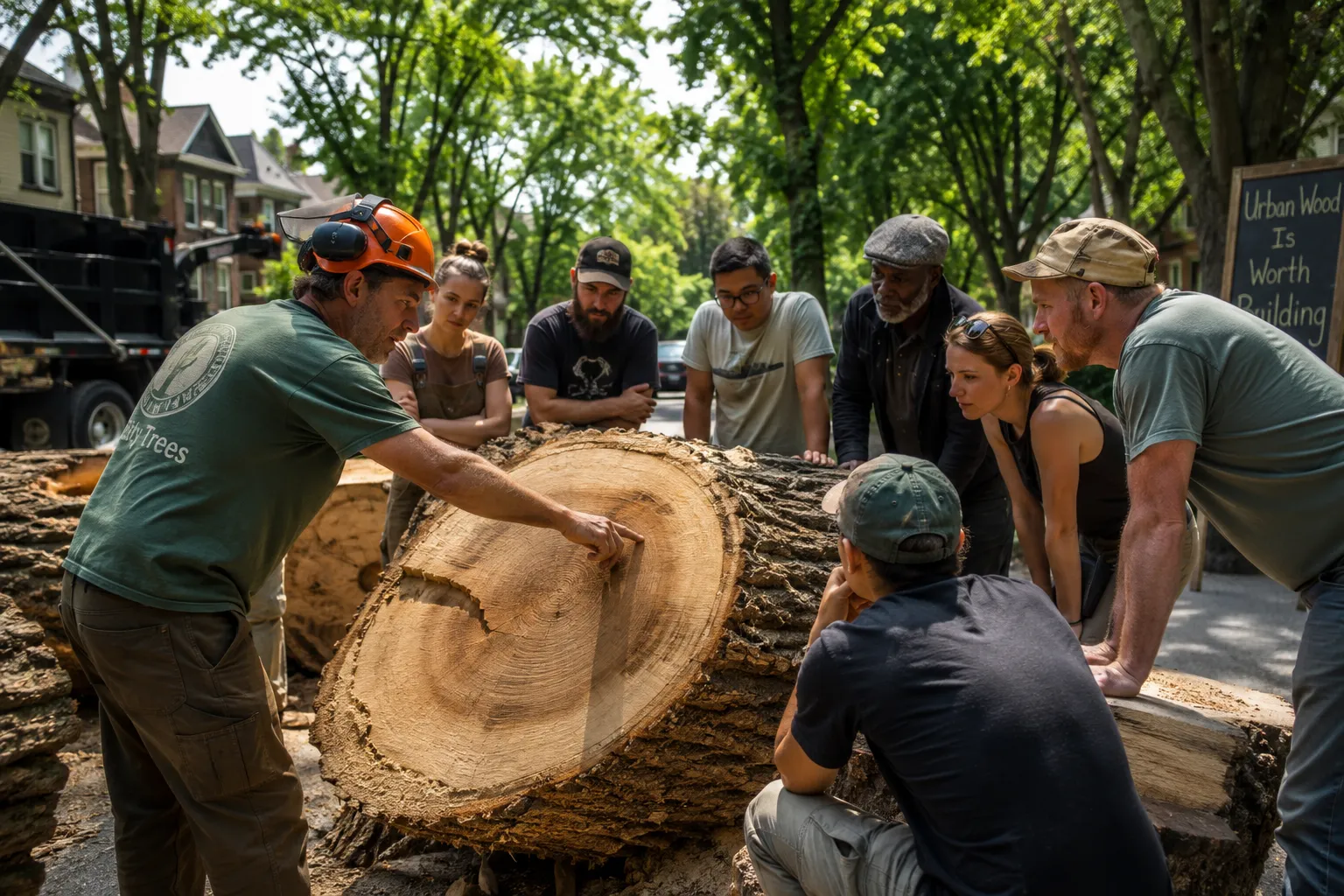
Your local arborists and city public works departments are your primary allies. These entities are responsible for tree removal and often have disposal challenges for large logs. Start by contacting:
- Municipal Forestry or Parks Departments: Many cities have dedicated departments that manage urban trees. Inquire about their tree removal schedule and whether they have programs for wood salvage. Some cities have even established their own urban lumber initiatives.
- Private Arborist Companies: These businesses frequently remove trees from residential and commercial properties. They often face costs for hauling and disposal, making your offer to take logs a mutually beneficial arrangement. Introduce yourself, explain your interest in The Sustainable Woodworker: Choosing Eco-Friendly Lumber and Low-VOC materials, and leave your contact information.
- Utility Companies: Power line maintenance often involves significant tree trimming or removal. These companies might have contractors who are felling large trees.
- Construction and Development Sites: New developments often clear land, including mature trees. Building relationships with local developers or contractors can provide access to these logs.
Community and Online Resources
Beyond direct contact, several community and online avenues can connect you with urban lumber:
- Local Woodworking Guilds: Other woodworkers in your area might already be involved in urban lumber sourcing and can offer valuable leads, advice, or even collaborative milling opportunities.
- Online Forums and Social Media Groups: Platforms dedicated to woodworking, sustainability, or local community groups often feature posts about available logs or individuals seeking to rehome felled trees. Search for “urban lumber [your city],” “free logs [your area],” or “tree removal [your town].”
- Storm Recovery Efforts: Major storms can bring down a substantial number of large trees. Following such events, be proactive in contacting local authorities and clean-up crews.
A Note on Ethics and Safety: Always seek explicit permission before taking any wood. Never trespass or take wood without permission. Prioritize safety during pickup and transport, ensuring you have appropriate vehicles and lifting equipment.
The Art of Inspection: Identifying and Assessing Urban Logs
Once you’ve located a potential urban log, a thorough inspection is critical. Urban trees live complex lives, often encountering foreign objects, diseases, and structural stresses that can impact the wood’s quality and your safety during milling.
Identifying Species and Potential Defects
Understanding the species is the first step. Common urban hardwoods include:
- Oaks (Red and White): Dense, strong, with prominent grain.
- Maples (Sugar, Red, Silver): Varying hardness, often light-colored, can show interesting figure.
- Ashes: Strong, open-grained, good workability (though many are susceptible to Emerald Ash Borer).
- Walnut: Prized for its dark color and rich grain, excellent for Handcrafted Coffee Tables: Designs That Sell From Farmhouse to Modern.
- Cherry: Fine grain, rich reddish-brown color, beautiful for furniture.
- Elm: Interlocked grain, beautiful figure, but can be challenging to work.
Inspect the log for external signs of internal issues:
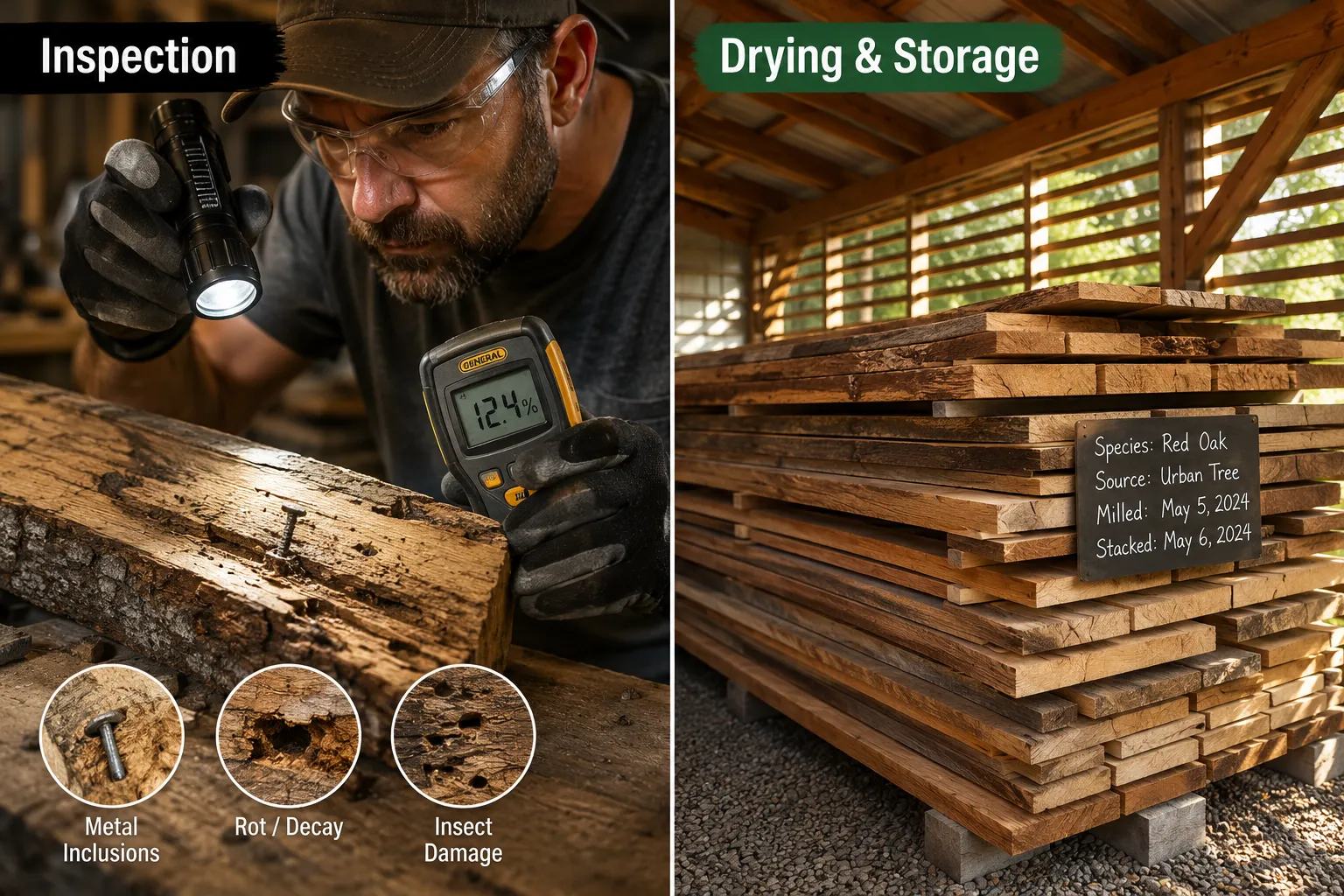
- Rot and Decay: Look for soft spots, fungal growth, or discolored wood, especially at cut ends or around old wounds. While some rot can create interesting spalted wood, extensive decay renders the wood unusable.
- Insect Infestation: Small holes, sawdust trails (frass), or visible insects indicate active infestation. This can introduce pests to your shop and compromise wood integrity.
- Cracks and Splits: End grain checks are common, but deep cracks running the length of the log can reduce usable lumber yield.
- Knots and Burls: These are natural features that can add character or create challenges in milling and working.
The Hidden Dangers: Metal Inclusions
This is arguably the most critical aspect of urban lumber inspection. City trees often grow around fences, nails from signs, rebar, or even old pieces of playground equipment. Hitting metal with a saw blade is dangerous and costly.
Inspection Methods:
- Visual Inspection: Closely examine the bark and any exposed wood for signs of embedded metal, old nail holes, or unusual bulges.
- Metal Detector: A quality metal detector is an indispensable tool for urban lumber. Scan the entire log, paying close attention to areas around old branches, scars, or where the tree grew against structures. Mark any detected metal with paint.
- End Grain Examination: Look for discoloration or unusual patterns on the cut ends, which might indicate metal.
- Log History: If possible, ask the arborist about the tree’s history. Was it near a fence? Did it have a swing? This can provide clues.
Dealing with Metal: If metal is found, you have a few options:
- Bypass the metal by cutting around it.
- Extract the metal if it’s shallow and accessible.
- Accept the risk and use a “sacrificial” blade (a cheaper blade you don’t mind damaging) for the first pass through the suspected area.
From Log to Lumber: Milling and Drying Urban Hardwoods
Once you’ve successfully sourced and inspected your urban logs, the next phase is milling them into usable lumber and ensuring proper drying. This process transforms raw timber into stable material ready for your projects, such as building DIY Reclaimed Wood Floating Shelves and Accent Ledges for Narrative.
Milling Techniques and Equipment
The choice of milling equipment depends on the size of your logs and your budget.
1. Chainsaw Milling:
- Pros: Most affordable entry point, good for very large logs, highly portable.
- Cons: Less precise, generates more waste (kerf), requires a powerful chainsaw (80cc+ recommended) and a specialized milling attachment (like a Granberg Alaskan Mill).
- Process: Secure the log, set up your rail or ladder for the first cut, then make successive parallel cuts to produce slabs.
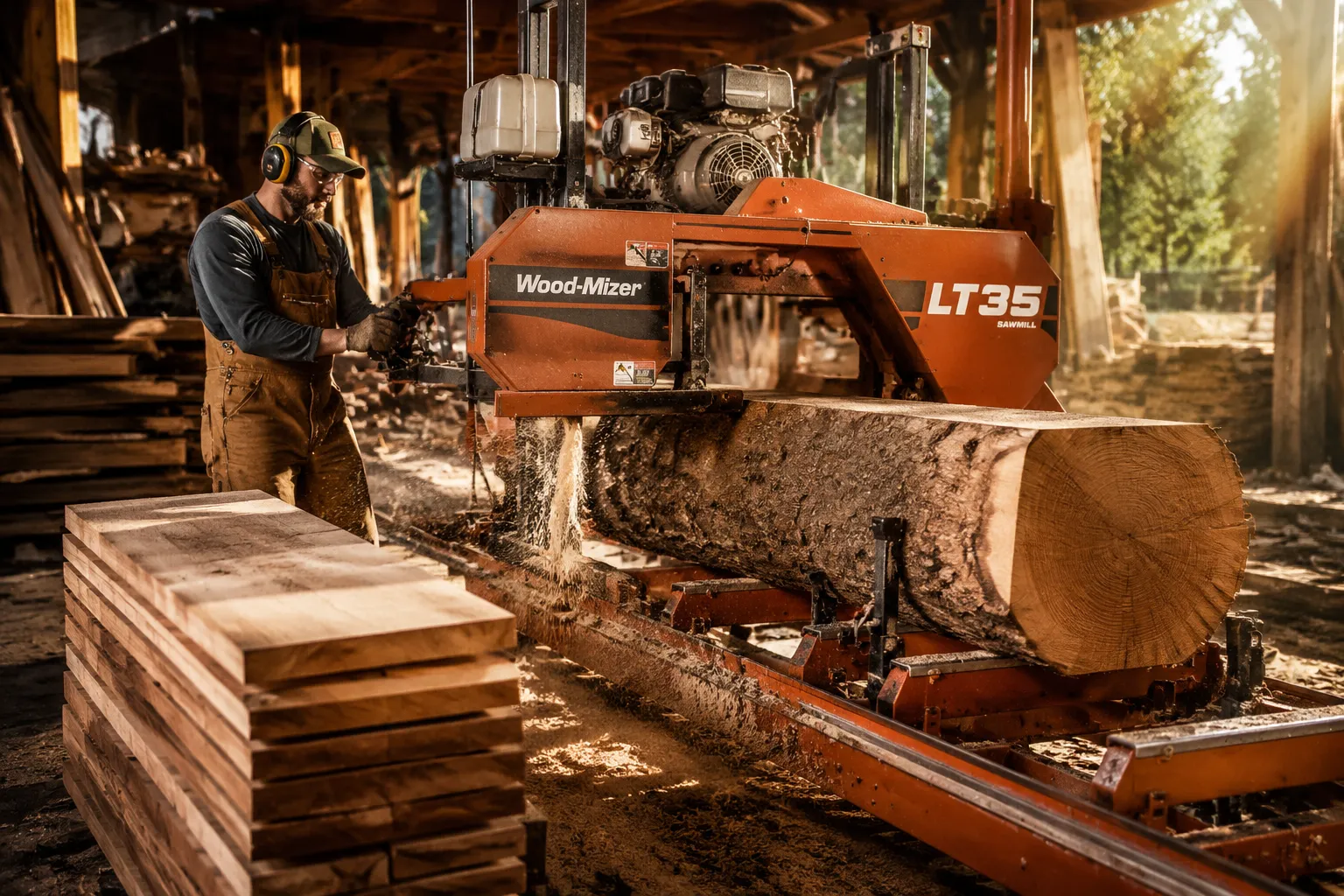
2. Portable Band Saw Mills:
- Pros: Much greater precision, less waste (thin kerf), produces consistent boards, many models are relatively affordable for hobbyists or small businesses.
- Cons: Less portable than a chainsaw mill, requires more setup, limited to log diameters that fit the mill.
- Process: Load the log onto the mill bed, secure it, and use the saw to slice planks to desired thickness. Many offer hydraulic or electric log handling.
3. Commercial Sawmills:
- Pros: Highest precision, fastest production, handles very large logs efficiently.
- Cons: Significant investment, usually requires dedicated space. You can often hire local sawyers to mill your logs for a fee.
Tips for Milling Urban Lumber:
- Freshly Felled: Mill logs as soon as possible after felling, ideally within weeks. This prevents internal stresses from building up and reduces the risk of insect infestation and fungal growth before drying.
- Over-thickness: Mill boards slightly thicker than your target dimension to account for shrinkage and future planing, especially for live edge slab selection and preparation.
- Manage Tension: Some logs, especially urban trees, can have significant internal stresses. Be aware of “spring” in the log as you mill; cuts may open or close unexpectedly.
Drying Urban Lumber: The Crucial Step
Proper drying is paramount for preventing warping, cracking, and instability in your finished projects. Urban lumber, like all timber, needs to reach a stable moisture content (MC).
1. Air Drying:
- Process: Stack your freshly milled lumber outdoors or in a well-ventilated shed. Sticker (place small strips of wood) between each layer to allow air circulation. Cover the top of the stack to protect from rain and direct sun.
- End Sealing: Apply a wax-based end sealer to the ends of each board to slow moisture loss and prevent severe checking and splitting.
- Timeframe: Air drying is a slow process, typically taking one year per inch of thickness to reach equilibrium moisture content (EMC) with the surrounding air (around 12-18% MC, depending on climate).
- Monitoring: Use a reliable moisture meter to track the MC.
2. Kiln Drying:
- Benefits: Reduces drying time significantly, lowers moisture content to furniture-grade levels (6-8% MC), kills insects and sterilizes fungal spores, and helps set the wood’s dimensions.
- Options: You can build a small DIY solar kiln, or more commonly, find a commercial kiln operator to dry your air-dried lumber.
- Combination: Many woodworkers air dry until the MC is below 20%, then send the lumber to a commercial kiln for final drying. This saves money on kiln fees and reduces the risk of defects.
Documenting Origin and Adding Value
One of the unique aspects of urban lumber is its story. Documenting the origin of your salvaged hardwoods can significantly increase their appeal and value, especially for high-end projects or narrative interiors.
- Date and Location: Note when and where the tree was felled.
- Species: Confirm and record the species.
- Tree Story: If possible, include details about the tree’s history, why it was removed, its estimated age, and any notable features.
- Certification: Some urban forestry programs offer certification for salvaged wood, which can further enhance its value and appeal to eco-conscious clients looking for sustainable materials. This aligns with broader efforts in sustainable woodworking.
By documenting these details, you’re not just selling wood; you’re selling a piece of local history, infused with character and a powerful narrative of responsible resource management.
Conclusion
Urban lumber sourcing for woodworkers offers a compelling blend of sustainability, cost-effectiveness, and the opportunity to work with truly unique materials. By forging relationships with arborists and municipalities, diligently inspecting logs for hidden dangers, and employing proper milling and drying techniques, you can transform discarded city trees into beautiful, story-rich lumber. In 2026, embracing urban lumber isn’t just a trend; it’s a commitment to environmental stewardship and a gateway to creating projects with unparalleled character and a profound connection to their origins. Start exploring your local urban forest today and unlock a new dimension in your woodworking craft.
SEO Meta Title: Urban Lumber Sourcing: Find, Inspect & Mill City Hardwoods SEO Meta Description: Learn urban lumber sourcing for woodworkers in 2026. Discover how to find, inspect, and mill salvaged city hardwoods for unique projects.