

The crackle of a fire, the glow of embers – a fireplace is often the heart of a home, a focal point that draws people together. But beyond the flame, it’s the mantel that truly defines its character. In 2026, homeowners are increasingly seeking to imbue their modern spaces with a sense of history and natural beauty, and nothing achieves this quite like custom wooden mantels crafted from rough-hewn timbers. These majestic pieces offer organic warmth, grounding contemporary linear gas fireplaces with their raw, authentic charm. This article will guide you through the process of sourcing these unique timbers, preparing them for installation, and expertly integrating them into a modern design aesthetic to create truly unforgettable fireplace features.
Integrating an oversized, reclaimed wood mantel into a modern interior is a trend that expertly marries rustic charm with sleek contemporary lines. It’s about creating a stunning contrast, where the raw, organic texture of the wood serves as a compelling counterpoint to the clean, minimalist design of a modern fireplace. This detailed guide will explore everything from finding the perfect timber to the intricate techniques required to transform it into a show-stopping feature.
Key Takeaways
- Sourcing is Key: Discover where to find unique rough-hewn timbers, including reclaimed barn beams, river-recovered logs, and sustainably harvested wood, each offering distinct character.
- Preparation Matters: Learn essential steps for preparing rough-hewn timbers, such as debarking, drying, stress relief, and proper finishing techniques to ensure longevity and beauty.
- Design Harmony: Understand how to effectively balance the rustic appeal of a custom wooden mantel with the sleek aesthetic of contemporary linear gas fireplaces.
- Installation Expertise: Gain insight into the specialized installation methods required for heavy, oversized mantels, focusing on safety and structural integrity.
- Customization Benefits: Recognize the value of custom design in creating a unique focal point that perfectly reflects a home’s style and the homeowner’s vision.
Sourcing Rough-Hewn Timbers for Custom Wooden Mantels: Finding Your Perfect Piece
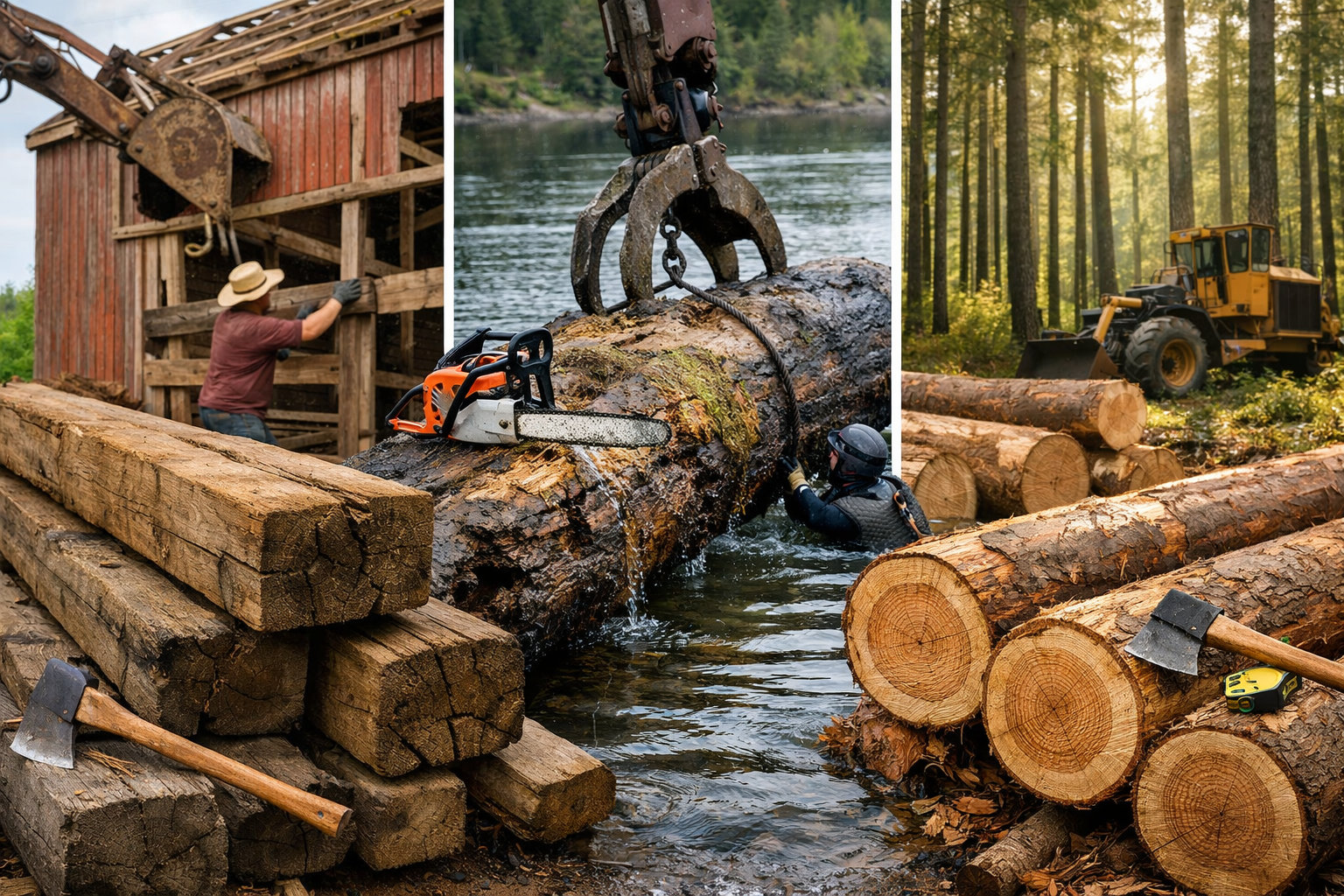
The journey to creating breathtaking custom wooden mantels begins with finding the right timber. Rough-hewn timbers are not merely pieces of wood; they are fragments of history, each with a unique story etched into its grain. These timbers, characterized by their untouched surfaces, natural imperfections, and often significant age, bring unparalleled character to any space. The beauty lies in their irregularities—the adze marks, the checking, the knots—all contributing to an authentic, organic aesthetic that no manufactured product can replicate.
Types of Rough-Hewn Timbers and Their Origins
When it comes to sourcing, several types of rough-hewn timbers stand out, each offering distinct qualities and aesthetic appeal.
Reclaimed Barn Beams:
- Source: Salvaged from old barns, factories, and industrial buildings, often decades or even centuries old.
- Characteristics: Typically oak, pine, or hemlock. Features include deep checking, mortise and tenon pockets, nail holes, and a rich, weathered patina. These timbers often have a history of structural use, lending them immense character.
- Why they’re great for mantels: Their substantial size, historical significance, and rustic appearance make them ideal for creating a focal point that tells a story. The natural aging process gives them an incredibly stable and dense structure.
- Consider exploring our guide on Building Reclaimed Wood Mantels: Sourcing, Restoration, and for more in-depth information on this topic.
River-Recovered (Sinker) Logs:
- Source: Logs that sank during historical logging operations and have been preserved underwater in rivers and lakes for hundreds of years.
- Characteristics: Often old-growth cypress, pine, or oak. The underwater preservation results in unique color variations, incredibly tight grain, and exceptional density. They are often devoid of bark due to water currents.
- Why they’re great for mantels: Their rarity, unique coloring, and remarkable durability make them highly sought after. They offer a refined rustic look with a smooth, water-worn surface that can be surprisingly sleek.
Sustainably Harvested Live Edge Slabs:
- Source: Often from fallen trees or trees selectively harvested from responsibly managed forests.
- Characteristics: These timbers retain the natural edge of the tree, complete with bark (or remnants), giving a very organic, free-form look. Species vary widely, including walnut, oak, maple, and cherry.
- Why they’re great for mantels: They celebrate the natural form of the tree, offering a more contemporary “organic modern” aesthetic. The live edge provides a strong connection to nature. For other projects using this material, consider our guide on Live Edge Wood Projects: From Design to Execution for Home C.
Fresh-Cut Local Timbers:
- Source: Directly from local sawmills or tree removal services.
- Characteristics: Offers the most control over dimensions and species. However, these timbers will be “green” (high moisture content) and require significant drying time and effort to prevent excessive checking and warping.
- Why they’re great for mantels: Supports local businesses and allows for specific species selection. Provides a blank canvas for custom shaping and finishing.
Where to Source Rough-Hewn Timbers
Locating these unique timbers requires a bit of research and networking.
- Reclaimed Wood Dealers: These specialists often have extensive inventories of barn beams, industrial timbers, and other salvaged wood. They typically have cleaned, de-metaled, and sometimes even pre-cut options.
- Architectural Salvage Yards: Similar to reclaimed wood dealers, these yards often carry a variety of historical building materials, including large timbers.
- Local Sawmills: For fresh-cut or live edge timbers, local sawmills are an excellent resource. Many small mills cater to custom requests and can cut specific dimensions.
- Online Marketplaces & Forums: Websites specializing in reclaimed materials or woodworking forums can connect you with sellers or individuals looking to rehome old timbers.
- Demolition Companies: Developing relationships with demolition contractors can provide early access to timbers from structures being torn down.
- Tree Removal Services: For live edge slabs, local arborists or tree removal companies might have access to interesting logs from large trees.
Table 1: Key Considerations for Sourcing Timbers
| Factor | Reclaimed Barn Beams | River-Recovered Logs | Live Edge Slabs | Fresh-Cut Local Timbers |
|---|---|---|---|---|
| Availability | Good, via specialized dealers | Rare, specialized recovery operations | Good, via sawmills/arborists | Excellent, via local sawmills |
| Cost | Moderate to High | Very High (due to rarity) | Moderate to High | Low to Moderate (plus drying costs) |
| Character | Historic, weathered, varied | Unique colors, tight grain, water-worn | Organic, natural edge, unique shape | Clean, predictable grain (initially) |
| Moisture Content | Usually low, stable (air-dried for decades) | Can be high, requires careful drying | High, requires significant drying | Very High, requires extensive drying |
| Prep Needs | Cleaning, de-metaling, light surfacing | Cleaning, careful drying, possible stabilization | Debarking, drying, sanding, finishing | Debarking, extensive drying, shaping, finishing |
- Pro Tip: Always inquire about the timber’s moisture content (MC) when purchasing. For interior applications like custom wooden mantels, the MC should ideally be below 10-12% to prevent significant future movement or cracking. If the timber is green, be prepared for a long drying process.
Preparing Rough-Hewn Timbers for Custom Wooden Mantels: From Raw to Refined
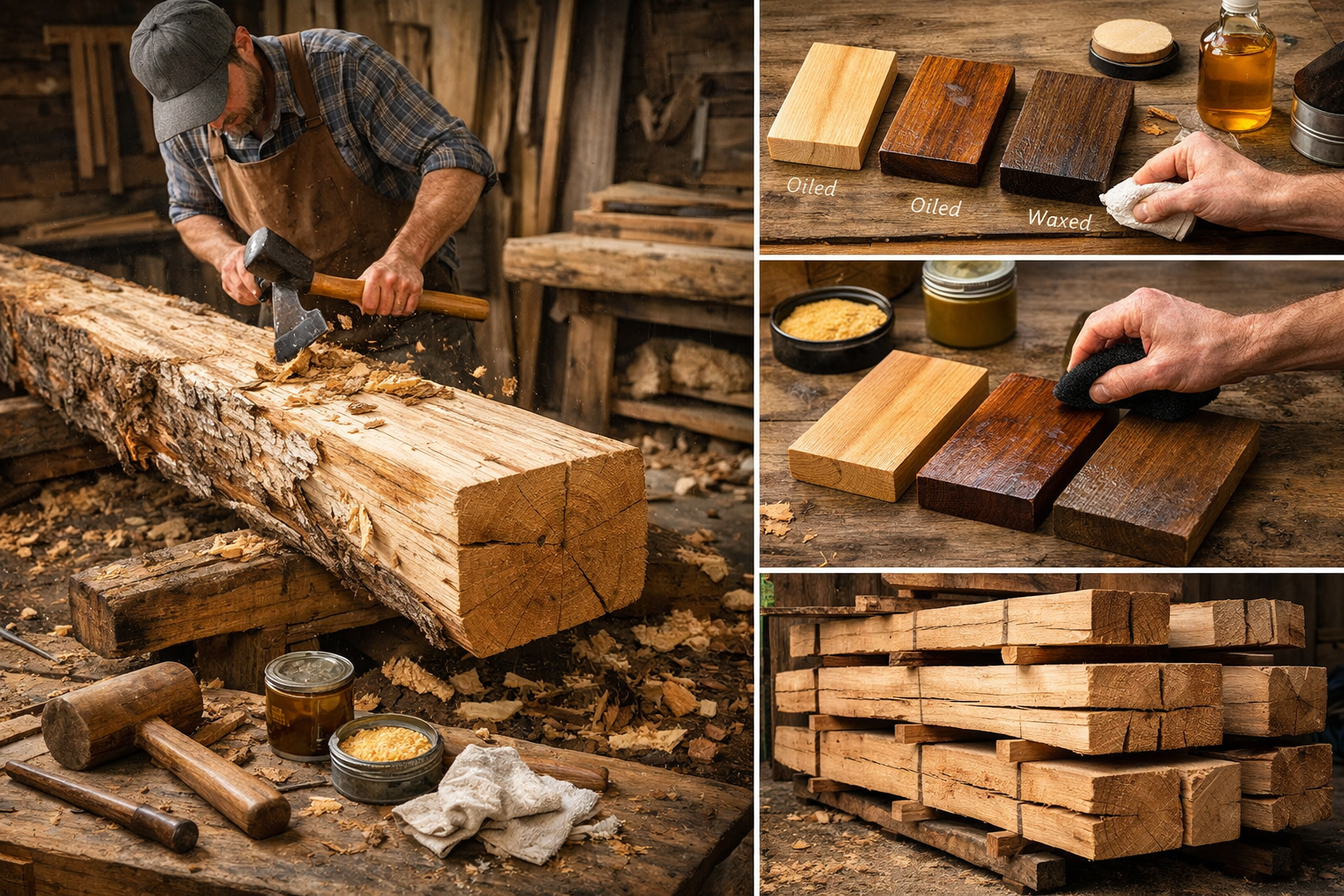
Once the perfect rough-hewn timber has been sourced for your custom wooden mantel, the next crucial phase involves careful preparation. This stage transforms a raw, rustic beam into a stable, safe, and stunning feature that will last for generations. Proper preparation ensures both the aesthetic appeal and the structural integrity of the mantel, especially when integrating it with a contemporary fireplace design.
Essential Steps in Timber Preparation
Cleaning and Inspection:
- Initial Cleaning: Begin by thoroughly cleaning the timber. This often involves brushing off loose dirt, cobwebs, and debris. For reclaimed timbers, high-pressure washing can remove ingrained grime, but ensure the wood has ample time to dry afterwards.
- De-Metaling: For reclaimed timbers, use a metal detector to locate and remove any embedded nails, screws, or other metal fragments. These can damage tools during subsequent processing and pose a safety risk.
- Pest Inspection: Carefully inspect for any signs of active insect infestation. If found, consult a professional for treatment or consider alternative timbers.
Debarking (for Live Edge and Fresh-Cut Timbers):
- If your timber has bark, it’s generally best to remove it unless a specific aesthetic calls for its retention. Bark can harbor insects, peel over time, and introduce moisture.
- Use a drawknife, chisel, or even a pressure washer to carefully peel the bark away. This reveals the beautiful natural edge of the wood.
Drying and Stabilization:
- This is perhaps the most critical step for fresh-cut or river-recovered timbers. Wood must be adequately dried to prevent excessive checking, warping, and cracking after installation.
- Air Drying: Stack timbers with spacers (stickers) in a well-ventilated, sheltered area, away from direct sunlight and moisture. This process can take years (approximately one year per inch of thickness for hardwoods).
- Kiln Drying: For faster and more uniform drying, professional kiln drying is an option, though it can be costly for a single beam.
- Stress Relief Cuts: For very large timbers, making a saw kerf (stress relief cut) on the back or top side can encourage controlled cracking in less visible areas, minimizing large, unsightly checks on the primary viewing surfaces. This is often done after initial air drying has begun.
Shaping and Leveling:
- Flattening: While the charm of rough-hewn timbers lies in their natural irregularities, the top and bottom surfaces often need to be flattened for a stable installation and a level display surface. This can be achieved using a large planer, jointer, router sled, or even an adze for a more traditional, hand-hewn look.
- End Trimming: Square the ends of the timber to the desired length. Consider a slight chamfer or gentle curve on the ends for a finished appearance.
- Customization: This is the stage for any specific shaping, carving, or unique features desired for the mantel.
Sanding and Finishing:
- Sanding: The degree of sanding depends on the desired aesthetic. For a truly rough-hewn look, minimal sanding may be preferred, perhaps just knocking down splinters and sharp edges. For a smoother, yet still rustic feel, start with 80-grit sandpaper and progress to 120 or 150-grit.
- Choosing the Right Finish: The finish protects the wood and enhances its natural beauty.
- Oil Finishes: Penetrate the wood, offering a natural, matte look and enhancing the grain. Examples include Danish oil, tung oil, or linseed oil. These require periodic reapplication. Our guide on natural wood finishing techniques provides more detail.
- Wax Finishes: Provide a subtle sheen and a protective layer, often applied over oil.
- Polyurethane/Varnish: Create a durable, protective film on the surface. Available in various sheens (matte, satin, gloss). Use a water-based polyurethane for a low-VOC, quick-drying option, or an oil-based for deep ambering. For different looks, consider reclaimed wood finishing techniques or distressed wood finishing techniques.
- Stains: Can be used to alter the color of the wood, but often for rough-hewn timbers, letting the natural color show through with a clear finish is preferred.
“The magic of a custom wooden mantel lies not just in its raw beauty, but in the skilled hands that transform a forgotten timber into a timeless work of art.” — Woodcraft Wiz Design Team, 2026
Table 2: Common Timber Preparation Tools
| Tool | Primary Use |
|---|---|
| Metal Detector | Locating embedded metal in reclaimed timbers |
| Drawknife/Adze | Debarking, hand-shaping, creating traditional hand-hewn textures |
| Chainsaw | Initial trimming to length, rough shaping (use with extreme caution) |
| Large Planer/Router Sled | Flattening top/bottom surfaces for level installation |
| Belt Sander/Orbital Sander | Smoothing surfaces, removing splinters, preparing for finish |
| Brushes/Rollers/Rags | Applying finishes |
| Moisture Meter | Crucial for checking moisture content during drying and before installation |
- Safety First: Working with large timbers requires appropriate safety gear: eye protection, hearing protection, gloves, and sturdy footwear. Always use proper lifting techniques or get assistance for heavy timbers.
Balancing Organic Warmth with Contemporary Fireplaces: Design and Installation of Custom Wooden Mantels
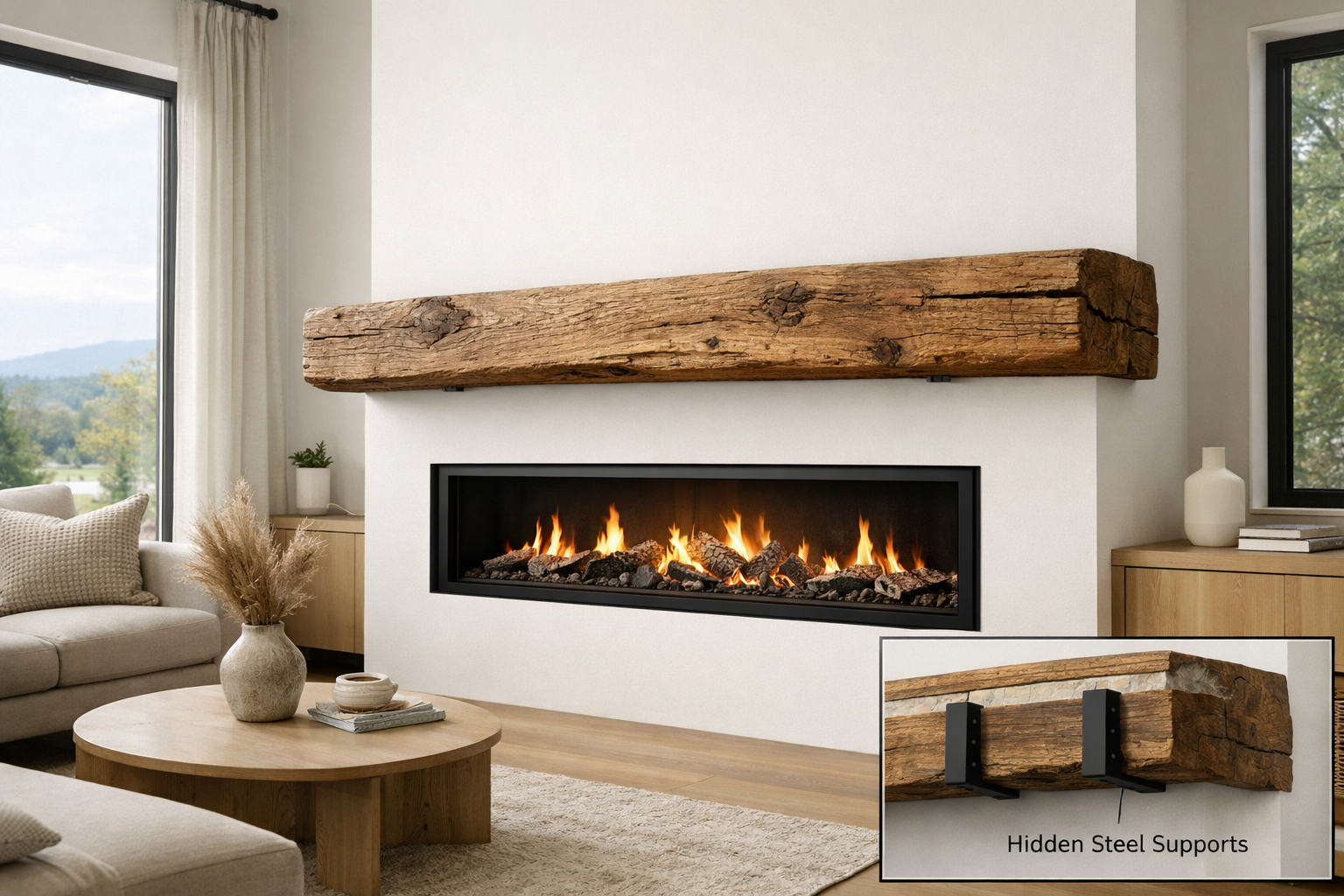
The true artistry of custom wooden mantels lies in their ability to bridge stylistic gaps, creating a cohesive and stunning focal point in diverse interior designs. When paired with contemporary linear gas fireplaces, rough-hewn timbers introduce a vital element of organic warmth and texture that prevents modern spaces from feeling too cold or stark. This balance is key to achieving a sophisticated, inviting atmosphere in 2026 homes.
Achieving Design Harmony: Blending Rustic and Modern
The contrast between a rugged, natural timber and a sleek, minimalist linear gas fireplace is a design triumph when executed correctly.
- Embrace Contrast, Not Conflict: The goal is to create visual interest through differences. The clean lines and often dark, reflective surfaces of a modern fireplace are beautifully complemented by the rich, textured, and often lighter tones of a rough-hewn mantel.
- Scale and Proportion: Ensure the mantel’s size is appropriate for both the fireplace and the room. An oversized mantel makes a dramatic statement, but it must not overpower the space. Consider the height of the fireplace, the width of the wall, and the overall ceiling height.
- Finishing Touches: The finish applied to the timber plays a significant role in its integration.
- Natural/Clear Finishes: These are often preferred to let the timber’s inherent beauty shine through, emphasizing its grain, color variations, and natural imperfections. This creates a strong organic connection. You can find more insights on natural wood finishing techniques.
- Subtle Stains: If a specific color palette is desired, a subtle stain that enhances rather than masks the wood’s character can be used. Avoid heavy, opaque stains that might diminish the “rough-hewn” feel.
- Smooth vs. Textured: Decide how much of the original rough texture to retain. A slightly smoother finish on top for displaying items might be combined with a more rugged underside and front face.
- Surrounding Elements: The materials surrounding the fireplace also contribute to the balance.
- Minimalist Surround: A simple concrete, plaster, or large-format tile surround for the fireplace itself allows the mantel to be the star, reinforcing the contemporary aesthetic.
- Neutral Palette: Keeping wall colors and other furnishings in a neutral palette allows the rich tones of the wood and the clean lines of the fireplace to stand out.
Installation Techniques for Oversized Mantels
Installing a heavy, rough-hewn timber mantel requires careful planning, structural considerations, and often specialized hardware. Safety and stability are paramount.
Assessing Wall Structure:
- Load-Bearing Capacity: Large timbers are extremely heavy. The wall must be structurally capable of supporting the weight. This often means attaching directly to wall studs, blocking within the wall cavity, or securing to masonry.
- Fireplace Clearance: Adhere strictly to the National Fire Protection Association (NFPA) or local building codes regarding combustible material clearance around fireplaces. Typically, a minimum of 12 inches from the top of the firebox opening to the bottom of the mantel is required, with additional projections requiring further clearance. Always check local codes for specific requirements in 2026.
Mounting Methods:
- Hidden Mantel Brackets (Floating Mantel): This is a popular choice for a clean, contemporary look that makes the timber appear to float.
- Steel Rods/Plates: Heavy-duty steel rods or flat bar stock are anchored deep into the wall studs or masonry. Corresponding holes or mortises are drilled/routed into the back of the timber mantel. The mantel slides onto these supports.
- Blocking: For stud walls, horizontal wood blocking can be securely installed between studs, providing a solid anchor point for brackets.
- Heavy-Duty Corbel Brackets: While less “floating,” decorative corbels made of steel or matching wood can provide robust support and contribute to the aesthetic. These are usually bolted or lagged directly into wall studs.
- Recessed Channel Method: A channel can be routed into the back of the mantel, which then slides over a fixed ledger board or steel plate securely mounted to the wall.
- Hidden Mantel Brackets (Floating Mantel): This is a popular choice for a clean, contemporary look that makes the timber appear to float.
Table 3: Mantel Installation Considerations
| Consideration | Description |
|---|---|
| Weight | Rough-hewn timbers can weigh hundreds of pounds. Plan for multiple people or mechanical lifts for installation. |
| Leveling | Even if the timber isn’t perfectly straight, ensure the top surface is level for displaying items. Shims can be used carefully during installation. |
| Anchoring Depth | Anchor bolts or rods must penetrate deep into the wall structure (studs, concrete, brick) to provide adequate shear and pull-out strength. |
| Thermal Expansion | While wood is generally stable after drying, significant temperature fluctuations from a fireplace can cause minor movement. Consider slight gaps or flexible sealants where the mantel meets the wall to accommodate this. |
| Aesthetics | Consider the visibility of fasteners. Hidden fasteners are preferred for a modern look, but decorative exposed bolts can complement an industrial-rustic style. For other substantial solid wood features, see our guide on Custom Floating Shelves: Design, Fabrication, and Installati. |
Integrating with Contemporary Fireplaces
Linear gas fireplaces are known for their sleek, elongated profiles and clean burning. The rough-hewn mantel complements this modernity by adding:
- Visual Anchor: The mantel provides a substantial, warm anchor above the often cool, horizontal line of the fireplace.
- Textural Contrast: The rough, organic surface of the wood offers a tactile counterpoint to the smooth glass and metal of the fireplace.
- Color Depth: The rich, varied tones of natural wood add depth and warmth, balancing the often monochromatic or minimalist finishes of contemporary fireplaces.
- Storytelling: Each knot, crack, and imperfection in a rough-hewn timber tells a story, injecting history and character into a thoroughly modern setting.
The careful selection, precise preparation, and expert installation of a custom wooden mantel ensure it becomes a captivating and enduring element in any home, perfectly marrying organic charm with contemporary elegance in 2026.
Conclusion
The pursuit of custom wooden mantels, particularly those crafted from rough-hewn timbers, represents a timeless appreciation for natural beauty, historical resonance, and impeccable craftsmanship. In the context of 2026 interior design, these majestic wooden elements serve as powerful grounding features, injecting organic warmth and unparalleled character into spaces defined by the sleek lines of contemporary linear gas fireplaces. The journey from sourcing a centuries-old barn beam or a unique live edge slab to its meticulous preparation and final installation is an art form, demanding patience, skill, and an eye for detail.
By understanding the distinct origins of rough-hewn timbers, employing rigorous preparation techniques—including proper drying, cleaning, and thoughtful finishing—and utilizing robust installation methods that respect both structural integrity and aesthetic vision, homeowners and designers can create truly transformative focal points. The deliberate contrast between the raw, textured wood and the refined modernity of the fireplace results in a harmonious blend that is both visually striking and deeply inviting. This approach ensures that the fireplace, already the heart of a home, becomes an even more profound expression of style, history, and comfort.
Actionable Next Steps
- Define Your Aesthetic: Determine if you prefer the historical depth of reclaimed timbers, the unique flow of a live edge, or the foundational quality of fresh-cut wood. Gather inspiration photos that showcase the balance you desire between rustic and modern elements.
- Research Local Suppliers: Begin searching for reputable reclaimed wood dealers, local sawmills, and architectural salvage yards in your area. Inquire about their inventory, wood species, and crucially, the moisture content of their timbers.
- Consult with Professionals: If you are unsure about structural integrity or installation complexities, consult with a structural engineer, a seasoned carpenter, or a custom mantel fabricator. Their expertise will be invaluable for ensuring a safe and durable installation.
- Plan for Preparation: If you’re acquiring green timber, allocate significant time and space for proper air drying. If purchasing seasoned timber, plan for cleaning, de-metaling, and your chosen finishing techniques.
- Adhere to Codes: Always verify local building codes regarding fireplace clearances for combustible materials before beginning any installation. Safety must be the top priority.
- Invest in Quality: Both the timber and the installation hardware should be of the highest quality to ensure the longevity and stability of your custom wooden mantel.
Embrace the journey of creating a one-of-a-kind custom wooden mantel. It’s an investment that will undoubtedly enrich your home, providing a captivating blend of organic warmth and contemporary elegance for many years to come.
References
- National Fire Protection Association (NFPA). (2023). NFPA 211: Standard for Chimneys, Fireplaces, Vents, and Solid Fuel-Burning Appliances.
- The Wood Database. (n.d.). Wood Characteristics. Retrieved from https://www.wood-database.com/
- Hoadley, R.B. (2000). Understanding Wood: A Craftsman’s Guide to Wood Technology. The Taunton Press.