
The structural integrity of a wooden chair, the seamless elegance of a tabletop, or the lasting durability of a cabinet hinges not just on the quality of the wood, but overwhelmingly on the strength and precision of its joinery. Without properly executed joints, even the most exquisite timber will fail, leading to weak, wobbly, and ultimately disappointing furniture. This article aims to demystify the art and science of Mastering Wood Joinery Techniques: Essential Methods for Strong and Beautiful Furniture, guiding you through foundational methods that elevate your woodworking from assembly to artistry in 2026.
Key Takeaways
- Wood joinery is crucial for furniture strength, durability, and aesthetic appeal.
- Understanding wood movement is fundamental to selecting and executing appropriate joints.
- Common joints like butt, dado, rabbet, mortise and tenon, and dovetail each serve specific purposes.
- Accuracy in measurement, marking, and cutting is paramount for successful joinery.
- Proper gluing and clamping techniques significantly enhance joint strength and longevity.
Understanding the Fundamentals of Wood Joinery for Furniture Making
At its core, wood joinery is the process of connecting two or more pieces of wood. However, this simple definition belies the complexity and artistry involved. The choice of joint affects not only the strength and stability of a piece of furniture but also its visual appeal. A well-executed joint can be a decorative element in itself, showcasing craftsmanship and attention to detail.
One of the most critical principles in Mastering Wood Joinery Techniques: Essential Methods for Strong and Beautiful Furniture is understanding wood movement. Wood is a hygroscopic material, meaning it absorbs and releases moisture from its environment. This causes it to expand across the grain and contract as humidity levels change. Ignoring wood movement leads to warped panels, cracked joints, and structural failure. Therefore, successful joinery designs account for this natural phenomenon, allowing wood to move without putting undue stress on the connections.
Why Quality Joinery Matters
Investing time in mastering joinery techniques yields several significant benefits:
- Structural Integrity: Strong joints resist forces like gravity, twisting, and impact, ensuring the furniture remains stable and functional for generations.
- Durability and Longevity: Furniture with robust joinery stands the test of time, resisting wear and tear, and often becoming cherished heirlooms.
- Aesthetic Appeal: Seamless, precisely fitted joints enhance the visual quality of a piece, demonstrating skill and elevating its perceived value. Exposed joinery, like dovetails, can become a signature design element.
- Reduced Repair Needs: Well-made joints are less likely to loosen or fail, minimizing the need for repairs down the line.
Consider, for example, the construction of a robust outdoor dining table. The joinery chosen for its legs and apron must be exceptionally strong to withstand not only daily use but also environmental stresses. Our guide on building a robust outdoor dining table delves deeper into these considerations.
Essential Wood Joinery Techniques: From Basic to Advanced
The world of wood joinery is vast, ranging from simple butt joints to intricate, interlocking systems. Each joint has its specific applications, strengths, and weaknesses. This section explores several essential techniques crucial for anyone serious about Mastering Wood Joinery Techniques: Essential Methods for Strong and Beautiful Furniture.
Basic Joinery: The Foundation
These joints are often the first a woodworker learns, providing fundamental connections that are quick to execute but may lack significant mechanical strength without reinforcement.
- Butt Joint: The simplest joint, where two pieces of wood are butted together, usually at a 90-degree angle, and glued or fastened. While easy, it relies entirely on the glue or fasteners for strength and offers minimal mechanical resistance to forces. It’s often used for non-structural elements or reinforced with dowels, biscuits, or screws.
- Dado Joint: A groove cut across the grain of one board to accept the end or edge of another board. Common in cabinet construction for shelves, dado joints provide good mechanical strength against vertical loads.
- Rabbet Joint: Similar to a dado, but cut along the edge or end of a board. A rabbet forms a L-shaped recess, often used for back panels of cabinets, drawer bottoms, or connecting two boards at a corner. It increases gluing surface area over a simple butt joint.
Intermediate Joinery: Adding Mechanical Strength
As you progress, these joints introduce mechanical interlocking, significantly increasing strength and durability.
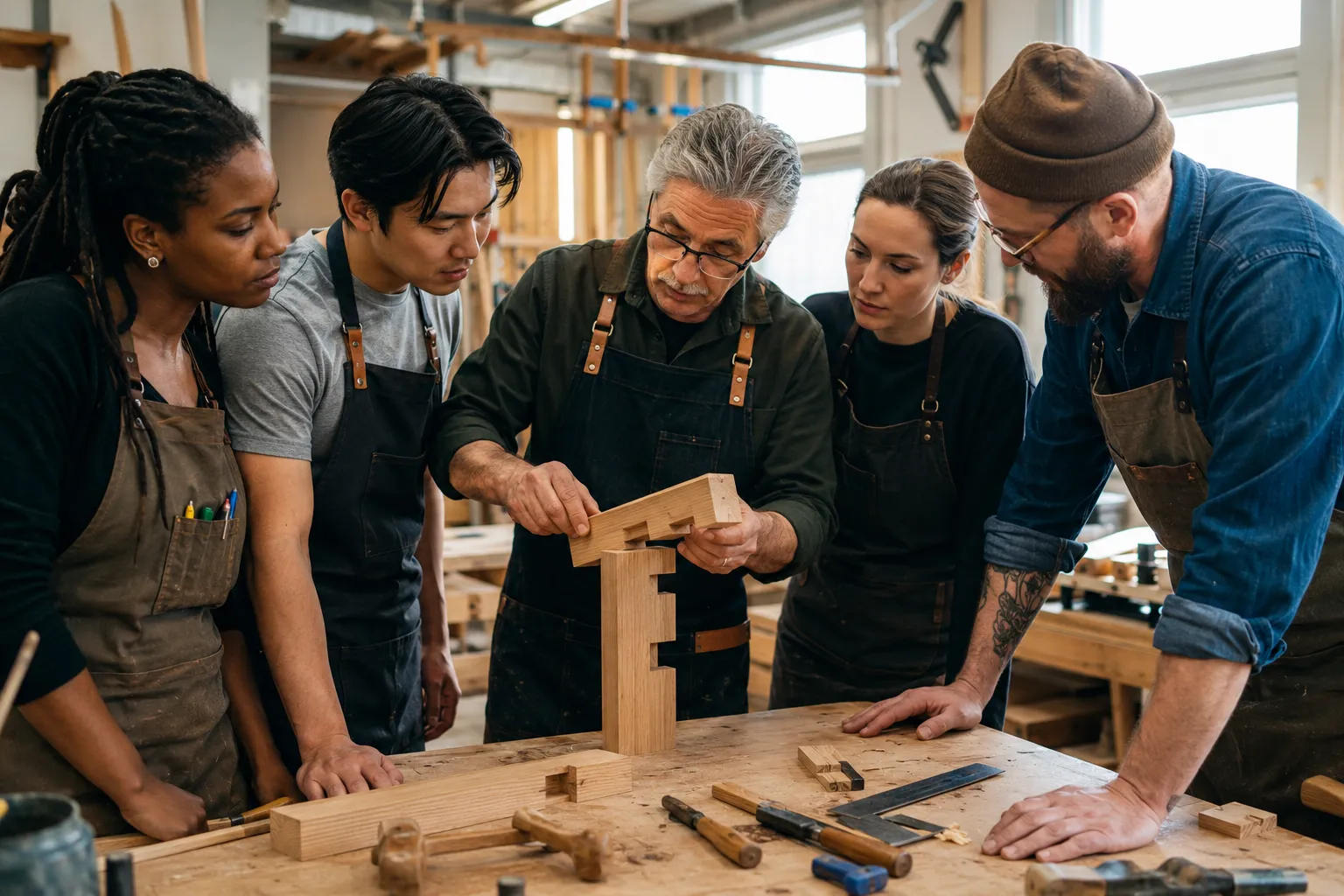
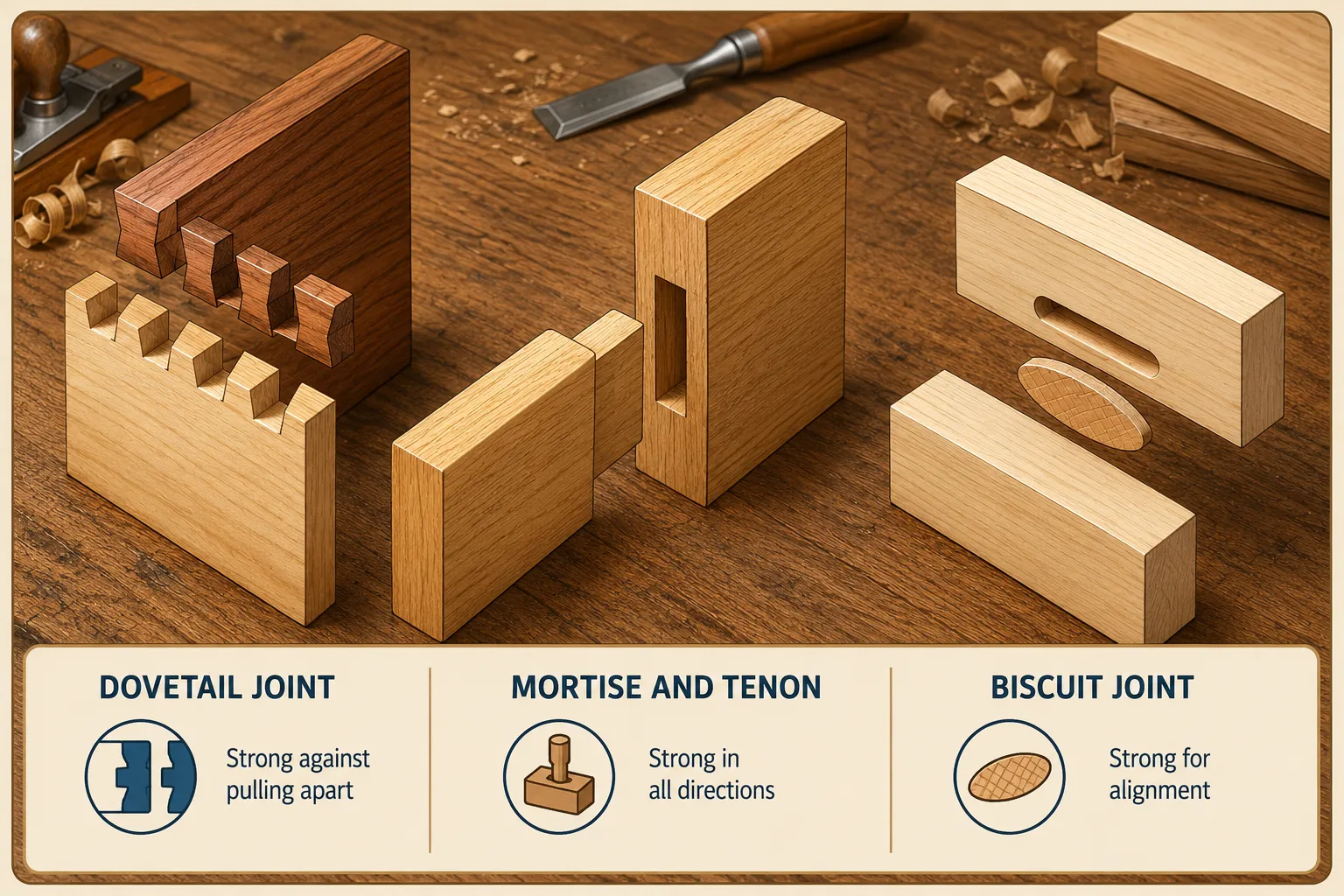
- Mortise and Tenon Joint: One of the strongest and most traditional joints, a mortise and tenon consists of a rectangular hole (mortise) cut into one piece of wood, and a projecting tongue (tenon) on another piece that fits perfectly into the mortise. It’s excellent for frame and panel construction, chairs, and tables, offering superb resistance to racking and twisting. Learning this joint is a cornerstone of hand tool joinery. For a deeper dive, explore our Beginner’s Guide to Hand Tool Joinery: Mastering Mortise and Tenon.
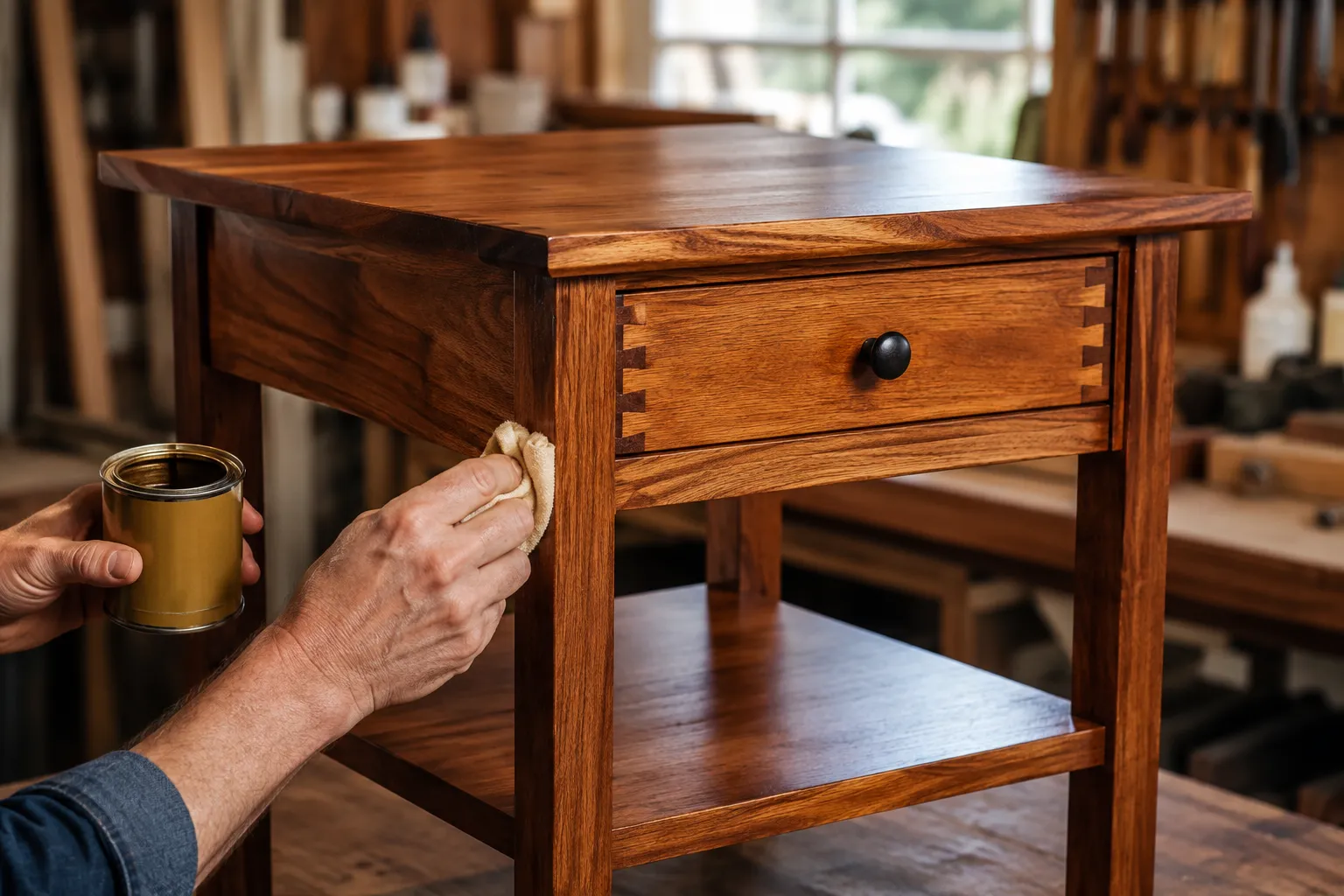
- Dovetail Joint: Revered for both its strength and beauty, the dovetail consists of interlocking “tails” on one board and “pins” on another. It’s renowned for its exceptional resistance to pulling apart (tensile strength) and is a hallmark of fine craftsmanship, particularly in drawer construction. Like the mortise and tenon, it requires precision and patience.
- Dowel Joint: This joint uses cylindrical wooden pins (dowels) inserted into precisely drilled holes in mating pieces of wood. Dowels add alignment and mechanical strength to butt joints, making them much stronger. This technique is often seen in modern furniture construction and can be mastered with the right tools, as detailed in our guide on mastering dowel joinery for furniture.
- Biscuit (Plate) Joint: A modern alternative, biscuit joints use small, oval-shaped wooden biscuits inserted into slots cut by a biscuit joiner. When glued, the compressed wood fibers of the biscuit expand with the moisture from the glue, creating a very strong bond. This is ideal for panel glue-ups and quickly aligning components.
| Joint Type | Primary Strength | Common Application | Ease of Execution |
|---|---|---|---|
| Butt Joint | Glue strength | Non-structural elements, simple boxes | Very Easy |
| Dado Joint | Resists vertical loads | Shelves in cabinets | Moderate |
| Rabbet Joint | Increased glue surface, alignment | Back panels, drawer bottoms, corners | Moderate |
| Mortise & Tenon | Excellent racking and twisting resist | Chairs, tables, frame & panel | Challenging |
| Dovetail Joint | High tensile strength | Drawers, box construction | Challenging |
| Dowel Joint | Reinforces butt joints, alignment | Tabletop glue-ups, panel assembly | Moderate |
| Biscuit Joint | Good alignment, decent strength | Panel glue-ups, quick assemblies | Easy to Moderate |
These techniques are indispensable for crafting various furniture pieces, from custom round coffee tables to sturdy floating shelves. For instance, creating substantial floating shelves in 2026 often requires robust joinery to support significant weight.
Achieving Precision and Strength: Tools, Techniques, and Best Practices
Mastering Wood Joinery Techniques: Essential Methods for Strong and Beautiful Furniture is as much about precision and attention to detail as it is about knowing different joint types. Even the strongest joint design will fail if executed poorly.
Tools for Precision Joinery
The right tools are essential for accurate and consistent joinery. These can include:
- Measuring and Marking Tools: High-quality rulers, combination squares, marking gauges, and sharp pencils or knives are fundamental. The adage “measure twice, cut once” is especially true in joinery. Our guide to the ultimate guide to measuring and marking tools offers detailed insights.
- Cutting Tools:
- Hand Saws: Japanese pull saws, dovetail saws, and tenon saws for precise hand-cut joints.
- Chisels and Mallets: Essential for cleaning out mortises and fine-tuning hand-cut joints. Sharpening these tools is critical for clean cuts.
- Routers: With appropriate bits, routers can create dadoes, rabbets, and even mortise and tenon joints with jigs. A router table significantly enhances precision.
- Table Saws and Bandsaws: Used for accurate rip and crosscuts, and with jigs, can also form parts of various joints.
- Drills: For dowel joints or pilot holes for fasteners.
- Specialty Joiners: Biscuit joiners, Domino joiners (for loose tenons), and pocket hole jigs.
Techniques for Flawless Joints
- Accurate Layout: Begin with precise measurements and sharp, clear lines. Use a marking knife for highly accurate lines that guide your saw or chisel.
- Sharp Tools: Dull tools tear wood fibers, leading to messy, imprecise cuts. Regularly sharpen your chisels, plane irons, and saw blades.
- Test Cuts: When setting up a new joint or using a new jig, always make test cuts on scrap wood of the same species and thickness. This allows you to fine-tune settings before cutting your project pieces.
- Controlled Cuts: Take your time. For hand tools, use multiple light passes rather than one heavy cut. For power tools, ensure a stable setup and firm grip.
- Clean Joints: Remove all saw dust and wood chips from joint surfaces before assembly. Even small debris can prevent a perfect fit.
Gluing and Clamping: The Final Link
The strongest joint design is only as good as its glue-up. Proper gluing and clamping are crucial for maximizing joint strength.
- Choose the Right Adhesive: Wood glue (PVA glue) is suitable for most indoor projects. For outdoor furniture, use a waterproof or water-resistant glue. Learn more about optimal adhesives in our guide to mastering the art of wood gluing.
- Apply Sufficient Glue: Ensure complete coverage of mating surfaces, but avoid excessive squeeze-out that can cause issues with finishing.
- Apply Even Pressure: Clamps should apply firm, even pressure to draw the joint tightly together. Use cauls (scrap pieces of wood) to distribute clamping pressure and prevent marring.
- Proper Curing Time: Allow the glue to cure fully according to the manufacturer’s instructions before removing clamps or stressing the joint. This can range from 30 minutes to 24 hours.
By adhering to these principles and continually refining your skills, you’ll find yourself not just joining wood, but truly Mastering Wood Joinery Techniques: Essential Methods for Strong and Beautiful Furniture, creating pieces that are both structurally sound and visually stunning. This expertise is particularly valuable when crafting items like a custom round dining table where precision is key to a beautiful outcome.
Conclusion
The journey to Mastering Wood Joinery Techniques: Essential Methods for Strong and Beautiful Furniture is a continuous one, filled with learning, practice, and refinement. From the foundational butt joint to the sophisticated dovetail, each technique offers unique advantages and contributes to the strength, durability, and aesthetic beauty of your woodworking projects. Understanding wood movement, employing precise measurement and cutting, and executing proper gluing and clamping are not mere steps, but critical disciplines that elevate a simple assembly into a lasting work of art.
As you progress in your woodworking endeavors in 2026, commit to honing these essential joinery skills. Experiment with different joint types, invest in quality tools, and always prioritize accuracy and patience. The satisfaction of crafting furniture that is not only beautiful but also built to withstand the test of time is one of woodworking’s greatest rewards. Start small, practice diligently, and soon you’ll be creating pieces that showcase truly exceptional craftsmanship.
SEO Meta Title: Mastering Wood Joinery: Strong & Beautiful Furniture Techniques SEO Meta Description: Learn essential wood joinery techniques for strong, beautiful furniture in 2026. Master mortise and tenon, dovetails, dowels, and more for lasting craftsmanship.