

The average person spends over 3,000 hours interacting with their coffee table during its lifetime, yet few truly consider its impact on their living space before buying or building one. Designing your own coffee table isn’t just about constructing a piece of furniture; it’s about crafting the functional and aesthetic heart of your living room. This comprehensive Beginner’s Guide to Coffee Table Design: Sizes, Styles, and Wood Choices for Your First Build aims to equip aspiring woodworkers with the foundational knowledge to plan a perfect coffee table, ensuring it complements their home, meets their practical needs, and reflects their personal style, all before the first cut is even made.
Key Takeaways
- Size and Height are Crucial: The ideal coffee table should be two-thirds the length of your sofa and generally match or be slightly lower than its seat height for optimal ergonomics and visual balance.
- Function Dictates Form: Consider how you’ll use the table, for storage, display, or eating, to inform design choices like added shelves, drawers, or a lift-top mechanism.
- Style Integration: Your coffee table should harmonize with your existing decor, whether that’s modern, rustic, industrial, or traditional, by mirroring design elements and materials.
- Wood Choice Matters: Different woods offer varying aesthetics, durability, and workability. Softwoods like pine are budget-friendly for beginners, while hardwoods such as oak or maple offer greater longevity and a premium look.
- Planning Prevents Problems: A detailed design blueprint, considering all aspects from dimensions to joinery, is essential for a successful first build, minimizing errors and material waste.
The Foundation of Form: Understanding Coffee Table Sizes and Ergonomics
Before envisioning intricate joinery or exotic wood grains, the most critical step in designing your first coffee table is establishing its correct size and ergonomic considerations. A well-proportioned coffee table can anchor a room, while one that’s too large or too small can disrupt the balance and functionality of your living space. This section of our Beginner’s Guide to Coffee Table Design: Sizes, Styles, and Wood Choices for Your First Build focuses on these foundational elements.
Ideal Dimensions: Length, Width, and Height
The “perfect” coffee table is subjective, but general guidelines exist to ensure visual harmony and practicality.
- Length: A good rule of thumb is for the coffee table to be approximately two-thirds the length of your main sofa. For example, a 90-inch sofa would pair well with a 60-inch coffee table. This proportion creates a visually appealing balance without overwhelming the seating arrangement.
- Width: The width should allow comfortable passage around the table, typically leaving at least 18 inches of clearance between the table and other furniture pieces. This ensures easy movement and access to seating.
- Height: Ergonomically, the coffee table’s height should be roughly the same as, or no more than 1-2 inches lower than, the seat height of your sofa or armchairs. Standard sofa seat heights range from 17 to 19 inches, making coffee tables typically between 16 and 18 inches tall. This height is ideal for comfortably reaching drinks, books, or remote controls without excessive leaning or stretching.
- Lower Tables: A slightly lower table can create a relaxed, lounge-like feel, often seen in modern or minimalist designs.
- Higher Tables: Tables closer to sofa height are more practical for eating, working, or playing board games. Lift-top designs address this by offering adjustable height.
| Dimension | Guideline | Purpose |
|---|---|---|
| Length | Approximately 2/3 the length of your sofa. | Visual balance and proportion. |
| Width | Allow 18 inches minimum clearance from other furniture. | Easy movement and access. |
| Height | Same as, or 1-2 inches lower than, sofa seat height (16-18 inches typical). | Ergonomic comfort for reaching and interaction. |
Accounting for Room Scale and Traffic Flow
Beyond the sofa, consider the overall scale of your room and typical traffic patterns.
- Small Rooms: In tighter spaces, consider smaller, round, or oval tables that reduce sharp corners and make navigation easier. Nested tables can also be a flexible solution, allowing you to expand surface area when needed and tuck them away for more space.
- Large Rooms: Larger rooms can accommodate more substantial tables, potentially even two smaller tables or an ottoman and a tray, to fill the space without feeling dwarfed.
- Traffic Flow: Ensure your coffee table doesn’t impede natural pathways through the room. Visualize how people will move around it, especially if it’s placed between a sofa and a television or fireplace.
Integrating Functionality into Your Design
The primary purpose of a coffee table extends beyond simply holding coffee. Think about its intended use:
- Storage: Do you need space for remotes, magazines, or blankets? Incorporating shelves, drawers, or a hinged top for hidden storage can be incredibly practical.
- Display: If you plan to showcase decorative items, books, or art, consider a design with a clear top, open shelving, or specific display niches.
- Versatility: For small apartments or multi-functional rooms, a lift-top coffee table that converts into a workspace or dining surface might be ideal.
- Child/Pet Friendly: If you have young children or pets, a table with rounded corners or softer materials might be a safer choice.
By carefully considering these dimensional and functional aspects at the outset, you’ll lay a solid groundwork for a coffee table that is both beautiful and practical for your home. Remember, good design starts with thoughtful planning, not just precise cuts. 
Choosing Your Aesthetic: Exploring Coffee Table Styles
Once the functional dimensions are established, the next exciting step in your Beginner’s Guide to Coffee Table Design: Sizes, Styles, and Wood Choices for Your First Build is to delve into the world of aesthetic styles. The style of your coffee table largely dictates its visual language, influencing everything from leg profiles to top thickness and hardware. Selecting a style that harmonizes with your existing decor is crucial for a cohesive living space.
Popular Coffee Table Styles for Woodworkers
Woodworking offers immense flexibility, allowing you to create tables ranging from ultra-modern to timeless traditional. Here are some popular styles suitable for a first build:
- Modern/Mid-Century Modern:
- Characteristics: Clean lines, minimalist forms, often features tapered legs, sleek surfaces, and sometimes incorporates mixed materials like wood and metal. Focus on functionality and simplicity.
- Wood Choices: Walnut, teak, maple, birch are common for their fine grain and ability to take a smooth finish.
- Example: A rectangular table with slender, angled legs and a smooth, unadorned top.
- Consideration: Requires precise cuts and clean joinery for that signature refined look.
- Farmhouse/Rustic:
- Characteristics: Emphasizes natural materials, distressed finishes, sturdy construction, and often features thick tops, blocky legs, and visible joinery. Evokes warmth and history.
- Wood Choices: Pine, reclaimed barn wood, oak, and fir are excellent choices, often chosen for their prominent grain and ability to accept rustic finishes.
- Example: A square table with a thick, plank-style top and robust square legs, possibly with a lower shelf.
- Consideration: Tolerates slight imperfections, making it forgiving for beginners.
- Industrial:
- Characteristics: Blends raw and utilitarian elements, often combining wood with metal (iron, steel) components. Features exposed fasteners, rough-hewn wood, and a rugged aesthetic.
- Wood Choices: Reclaimed wood, distressed pine, oak, or maple. The character of the wood (knots, imperfections) is often highlighted.
- Example: A rectangular wood top resting on a welded steel frame, possibly with caster wheels.
- Consideration: May require basic metalworking skills or sourcing pre-made metal components.
- Traditional/Transitional:
- Characteristics: Classic, timeless designs with a focus on symmetry, elegant profiles, and often more elaborate details like turned legs or decorative aprons. Transitional styles bridge traditional and modern.
- Wood Choices: Cherry, mahogany, oak, and walnut are preferred for their rich color and ability to hold fine details.
- Example: An oval table with gracefully turned legs and a slightly bevelled edge on the top.
- Consideration: Can be more challenging for a beginner due to intricate joinery or shaping.
- Shaker:
- Characteristics: Known for its honest construction, simplicity, and emphasis on utility and craftsmanship. Straight lines, minimal ornamentation, and exposed joinery.
- Wood Choices: Cherry, maple, and pine are traditional Shaker choices.
- Example: A simple rectangular table with straight, square legs and a single drawer.
- Consideration: Requires careful attention to detail and clean, precise joinery, such as the essential woodworking joints like mortise and tenon or dovetails.
Matching Your Current Decor
To ensure your first build truly enhances your space, take cues from your existing furniture, wall colors, and decor.
- Materials: If your living room already features a lot of metal, consider an industrial-style coffee table with metal accents. If it’s predominantly wood, aim for a similar wood tone or complementary grain pattern.
- Colors: While you don’t need an exact match, choose a wood tone and finish that harmonizes with other wooden elements in the room. A light wood table in a room with dark wood floors can provide pleasant contrast, for instance.
- Lines and Shapes: If your sofa and other tables have straight, angular lines, a modern or industrial table might fit best. If they feature curves or more intricate details, a traditional or transitional style could be more appropriate.
- Overall Vibe: Does your room feel formal or casual? Eclectic or minimalist? Let the existing atmosphere guide your style choice to maintain a consistent aesthetic.
Remember, your first build doesn’t have to be a masterpiece of complex joinery. Many beautiful coffee tables feature straightforward construction, allowing you to focus on developing fundamental skills while achieving a stylish result. For more ideas on simple builds, consider exploring some DIY coffee table plans. 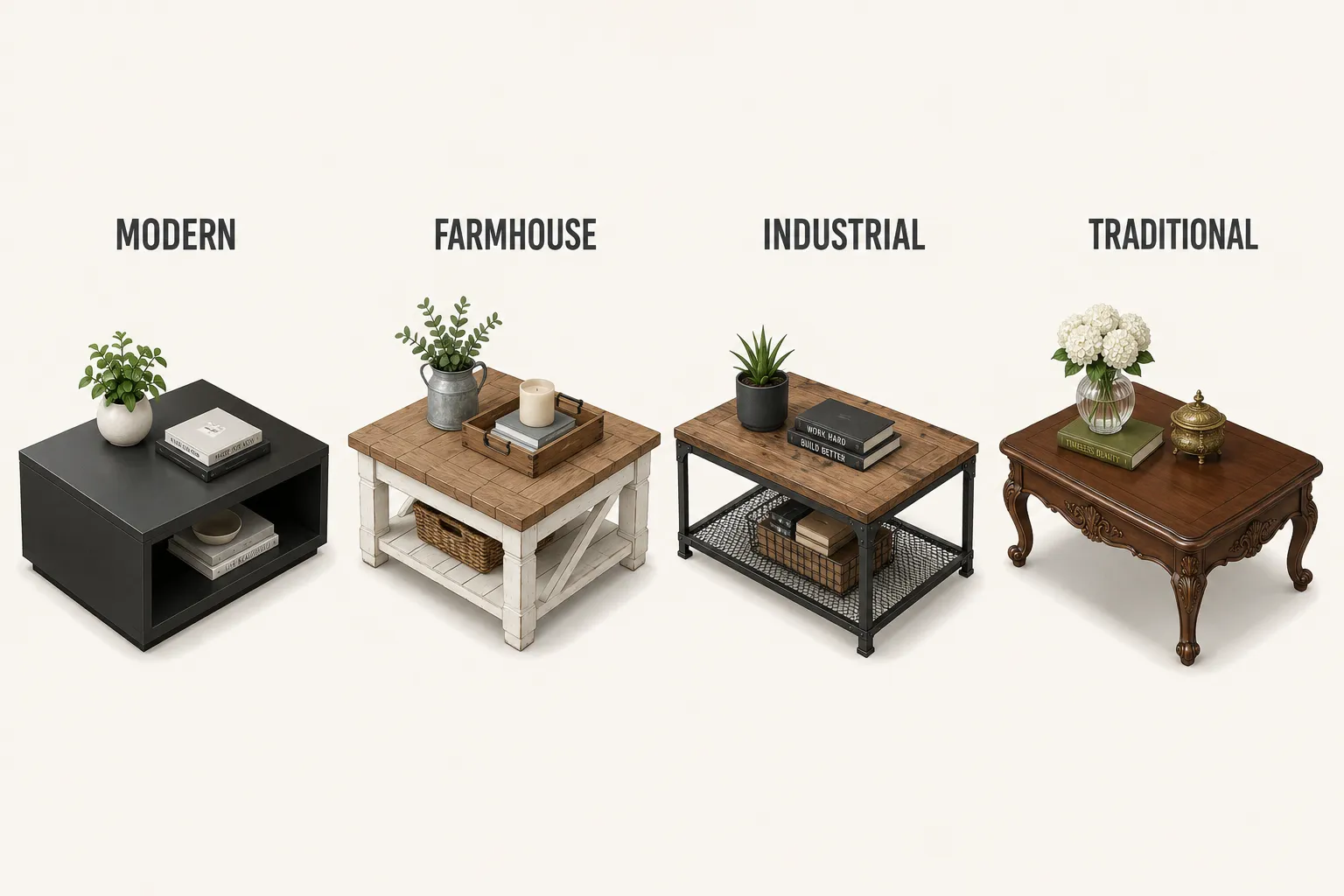
The Heart of the Build: Selecting the Right Wood
The choice of wood is arguably the most impactful decision in the design process for your coffee table. It influences not only the aesthetics, color, grain, and texture, but also the durability, workability, and ultimately, the cost of your project. This section of the Beginner’s Guide to Coffee Table Design: Sizes, Styles, and Wood Choices for Your First Build will guide you through popular options.
Softwoods vs. Hardwoods for Coffee Tables
Understanding the fundamental difference between softwoods and hardwoods is crucial:
- Softwoods:
- Origin: Coniferous trees (pine, cedar, fir).
- Characteristics: Generally faster-growing, less dense, and easier to cut, sand, and shape. More susceptible to dents and scratches. Typically lighter in color.
- Cost: More affordable, making them excellent for beginner projects or when budget is a primary concern.
- Common Use: Construction lumber, interior framing, simple furniture, crates.
- Hardwoods:
- Origin: Deciduous trees (oak, maple, walnut, cherry).
- Characteristics: Slower-growing, denser, and more durable. Offer superior resistance to wear and tear. Often have more intricate and varied grain patterns. Generally harder to work with due to density.
- Cost: More expensive due to slower growth and higher demand for fine furniture.
- Common Use: Fine furniture, cabinetry, flooring, musical instruments.
For a coffee table, which experiences daily use and potential spills, a hardwood generally offers better long-term durability, but a well-finished softwood can also perform adequately, especially for a first build.
Popular Wood Choices for Beginner Woodworkers
Here’s a look at common wood types and their suitability for your coffee table project:
- Pine:
- Pros: Very affordable, widely available, easy to work with hand or power tools. Takes stains and paints well.
- Cons: Soft, so it dents and scratches easily. Prone to knots which can sometimes bleed sap.
- Best For: Rustic or farmhouse styles, budget-friendly projects, or pieces where a distressed look is desired. Excellent for learning basic cuts and joinery.
- Poplar:
- Pros: Inexpensive hardwood, easy to work, stable. Relatively straight grain.
- Cons: Not particularly attractive when natural (often has green streaks), so it’s usually painted. Fairly soft for a hardwood, so it can dent.
- Best For: Painted coffee tables, or as an internal structural component where it won’t be seen.
- Oak (Red or White):
- Pros: Very durable and strong hardwood. Distinctive, open grain pattern that takes stain beautifully. White oak is highly water-resistant.
- Cons: Can be challenging to work with hand tools due to its hardness. More expensive than pine or poplar.
- Best For: Traditional, rustic, or transitional styles where durability and a prominent grain are desired. A solid choice once you’re comfortable with basic woodworking techniques.
- Maple (Hard or Soft):
- Pros: Hard and durable, especially hard maple. Fine, subtle grain, often with unique figuring (bird’s-eye, curly). Takes finishes well, resulting in a smooth, elegant surface.
- Cons: Can be very hard to work with, prone to burning with dull tools. More expensive than pine/poplar.
- Best For: Modern, contemporary, or traditional designs requiring a sleek, clean look and high durability.
- Walnut:
- Pros: Beautiful, rich dark brown color. Excellent strength and durability. Works well, though it is a hardwood. Luxurious appearance.
- Cons: Significantly more expensive than other options.
- Best For: High-end modern or traditional designs where a rich, natural dark finish is paramount. Might be a choice for a more ambitious second or third project.
Considerations for Your First Build
- Budget: Be realistic about how much you want to spend on materials. Pine or poplar are excellent for practice without a significant financial commitment.
- Workability: For your very first build, choosing a wood that is easier to cut, sand, and join (like pine or poplar) will reduce frustration and help you focus on mastering techniques. Consider that different woods react differently to various woodworking jigs.
- Grain and Finish: Think about the final look. Do you want a prominent grain that stands out (oak, pine) or a smoother, more uniform appearance (maple)? Do you plan to stain, paint, or simply apply a clear coat?
- Stability: All wood moves with changes in humidity. Understanding wood movement is key to designing a table that lasts, regardless of wood choice.
By carefully weighing these factors, you can select a wood that not only fits your aesthetic vision and budget but also sets you up for success in your initial woodworking journey. Don’t be afraid to visit a local lumberyard to see and feel the different wood options in person. 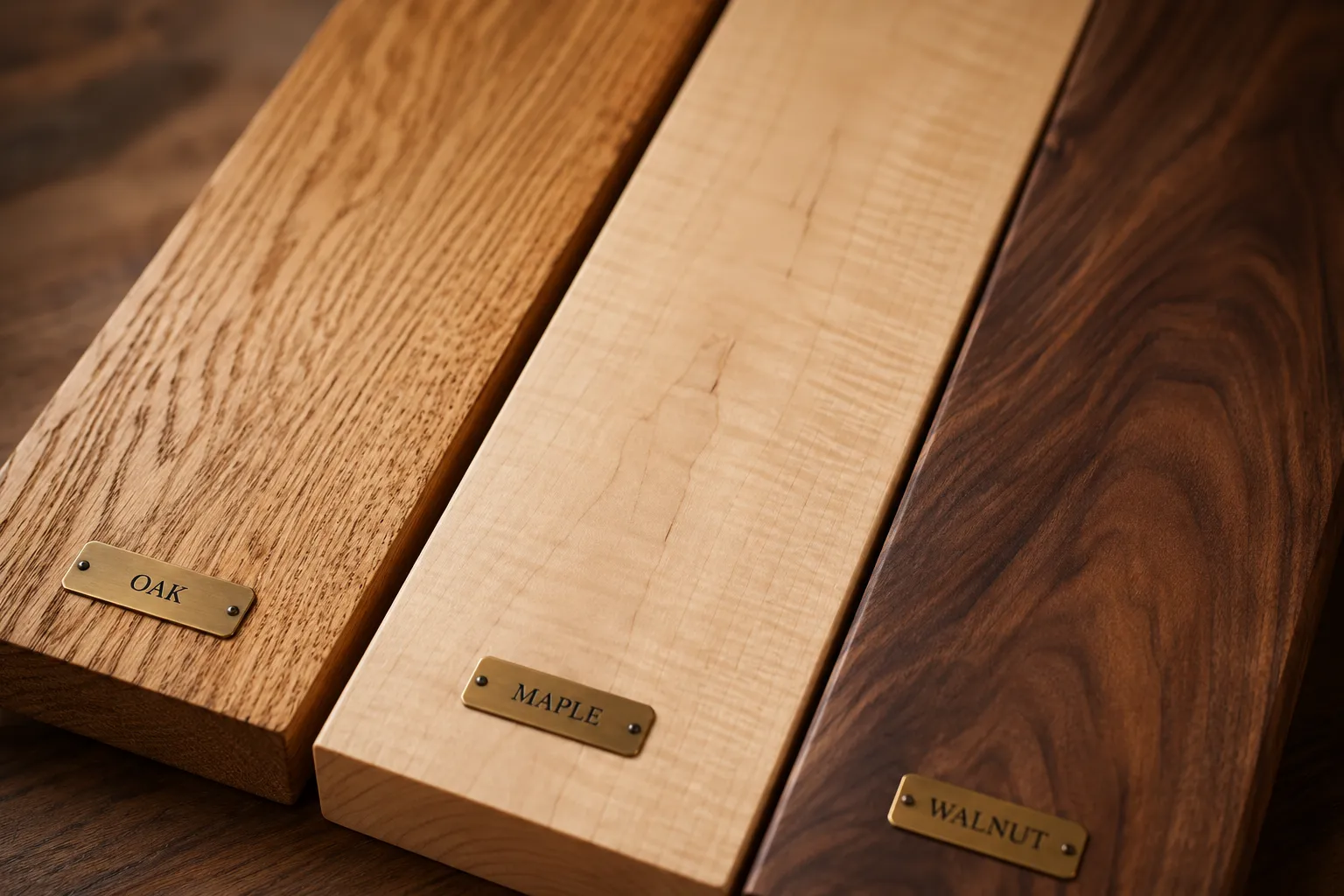
Conclusion
Embarking on your first coffee table build is a rewarding journey, transforming raw materials into a functional centerpiece for your home. This Beginner’s Guide to Coffee Table Design: Sizes, Styles, and Wood Choices for Your First Build has provided a comprehensive blueprint for the planning stage, emphasizing that thoughtful design precedes precise execution. By meticulously considering the ideal size and ergonomic fit for your space, exploring various aesthetic styles to match your decor, and making informed decisions about wood selection, you lay a solid foundation for a successful project.
Remember, the goal of this initial design phase is to minimize surprises and maximize the enjoyment of the building process. Taking the time now to plan every detail, from the overall dimensions to the specific type of lumber, will save you time, effort, and material in the long run. Embrace the learning experience, allow for creativity within practical constraints, and visualize the finished piece in your home. Your custom-built coffee table will not only serve its purpose but also stand as a testament to your newfound woodworking skills.
Actionable Next Steps:
- Measure Your Space: Accurately measure your living room and sofa to determine the ideal length, width, and height for your coffee table.
- Gather Inspiration: Collect images of coffee tables you admire, paying attention to their styles and features.
- Sketch Your Design: Create rough sketches of your preferred coffee table, incorporating your desired size and stylistic elements. Don’t worry about perfection; focus on ideas.
- Research Wood Samples: Visit a local lumberyard or hardware store to see and feel different wood types, considering their appearance, cost, and workability.
- Plan Your Tools and Techniques: Based on your chosen design and wood, begin to consider the essential tools for a simple wooden bookshelf or other basic woodworking projects that might be relevant for your coffee table.
SEO Meta Title: Beginner’s Guide to Coffee Table Design: Sizes, Styles & Wood SEO Meta Description: Plan your first coffee table build in 2026. Learn ideal sizes, popular styles (modern, rustic), and wood choices (pine, oak, maple) for a perfect fit.