
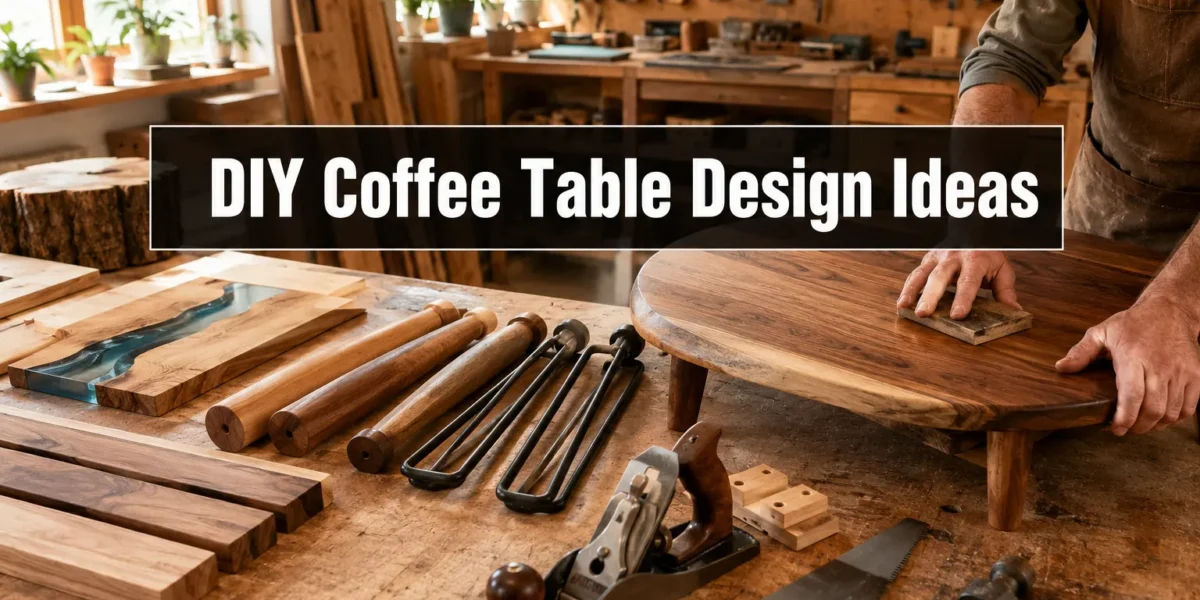
The average household in 2026 relies on its coffee table for far more than just holding drinks; it’s a central hub for remote work, family game nights, and showcasing decorative items. For the DIY woodworker, this essential piece of furniture presents an exciting opportunity to blend personal style with practical functionality. This article explores the Best Coffee Table Design Ideas for DIY Woodworkers: Shapes, Bases, and Build Difficulty Compared, helping you select a project that aligns perfectly with your skill level, available workshop space, and material budget. We’ll delve into diverse designs, from classic forms to contemporary mixed-material creations, ensuring your next build is both rewarding and aesthetically impactful.
Key Takeaways
- Shape Selection Impacts Room Flow: Rectangular, square, round, oval, and organic shapes each influence a room’s functionality and visual spaciousness differently.
- Base Designs Determine Style & Complexity: Pedestal, trestle, hairpin, and slab bases offer distinct aesthetic choices and vary significantly in construction difficulty.
- Material Choice Affects Budget & Aesthetics: Solid wood, plywood, and mixed materials like metal or glass offer different cost points and design possibilities.
- Build Difficulty is Relative: Projects range from beginner-friendly designs requiring basic cuts to advanced builds involving complex joinery or specialized tools.
- Consider Functionality: Factor in storage needs, mobility, and specific uses (e.g., dining, display) when choosing your design.
Choosing the Right Shape for Your Coffee Table
The shape of your coffee table is arguably the first and most critical design decision, influencing not only the aesthetic but also the flow and utility of your living space. For DIY woodworkers, understanding these implications helps in selecting the Best Coffee Table Design Ideas for DIY Woodworkers: Shapes, Bases, and Build Difficulty Compared.
Rectangular Coffee Tables
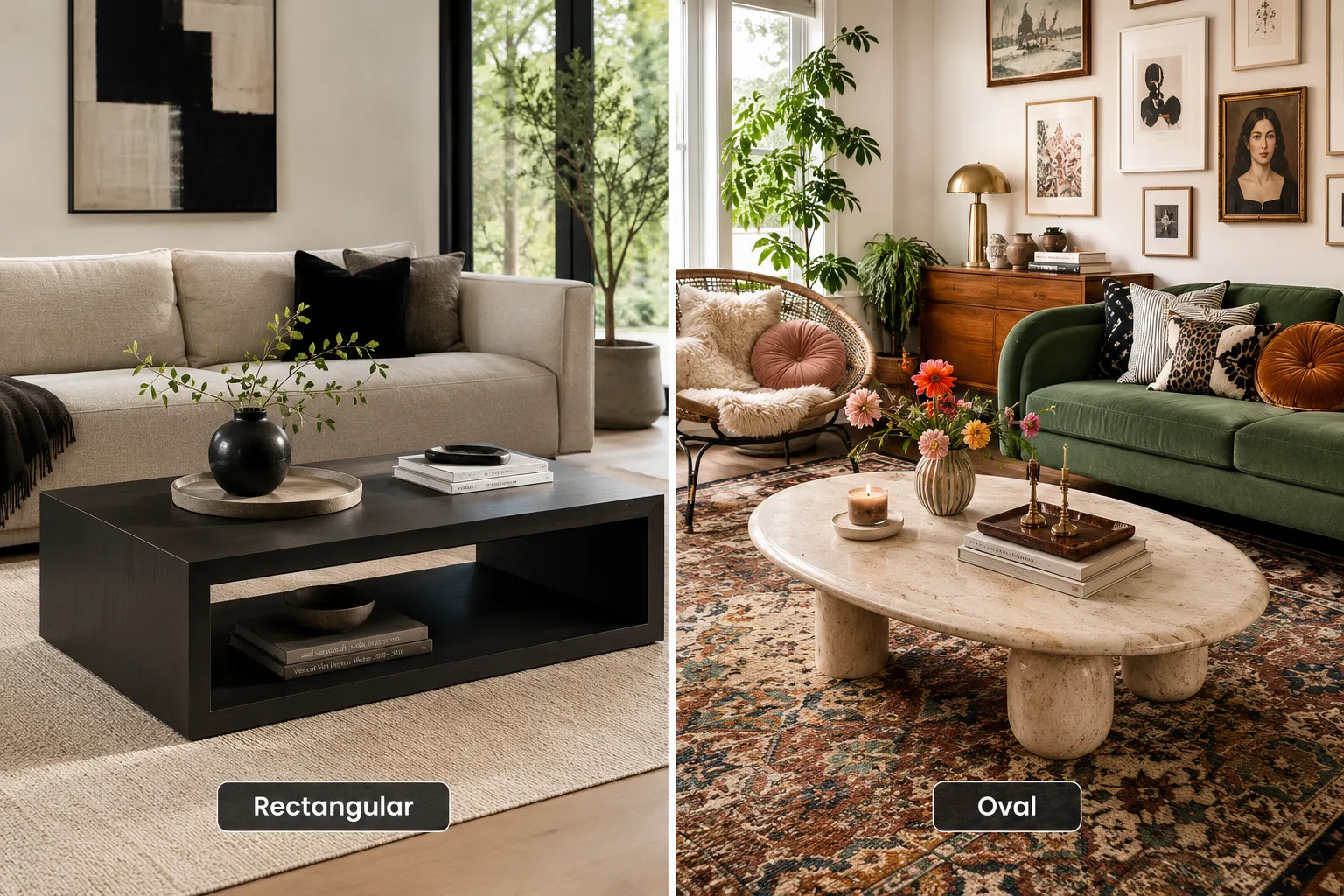
Rectangular tables are the most common and versatile, fitting well in front of most sofas and sectionals. Their straight lines complement modern and traditional decor alike.
- Design Flexibility: Easily constructed from a single slab or multiple glued-up boards.
- Space Management: Provides a substantial surface area for drinks, books, and decorative items.
- Build Difficulty: Generally easy to moderate. Basic cuts for the top and apron, straightforward joinery. Incorporating drawers or shelves increases complexity.
Square Coffee Tables
Ideal for smaller, more symmetrical seating arrangements, square coffee tables offer a balanced visual. They work particularly well with L-shaped sofas or a cluster of four chairs.
- Visual Balance: Creates a focal point without overwhelming the space.
- Surface Area: Offers ample, equally accessible surface from all sides.
- Build Difficulty: Similar to rectangular tables, easy to moderate. Precision in squaring components is key.
Round and Oval Coffee Tables
These shapes introduce softness and promote smoother traffic flow, making them excellent choices for homes with children or tight spaces.
- Safety & Flow: Eliminates sharp corners, reducing the risk of bumps. Their curved edges make it easier to navigate around the table.
- Aesthetic Appeal: Adds an organic, flowing element to a room, softening angular furniture.
- Build Difficulty: Moderate to advanced. Creating perfectly round or oval tops requires specific tools like a router with a circle-cutting jig, a bandsaw, or even a CNC machine for precision. Introduction to CNC Routing for Woodworkers can be a good starting point if you’re exploring digital fabrication. The edge treatment (e.g., chamfer, round-over) also requires care.
Organic and Irregular Shapes
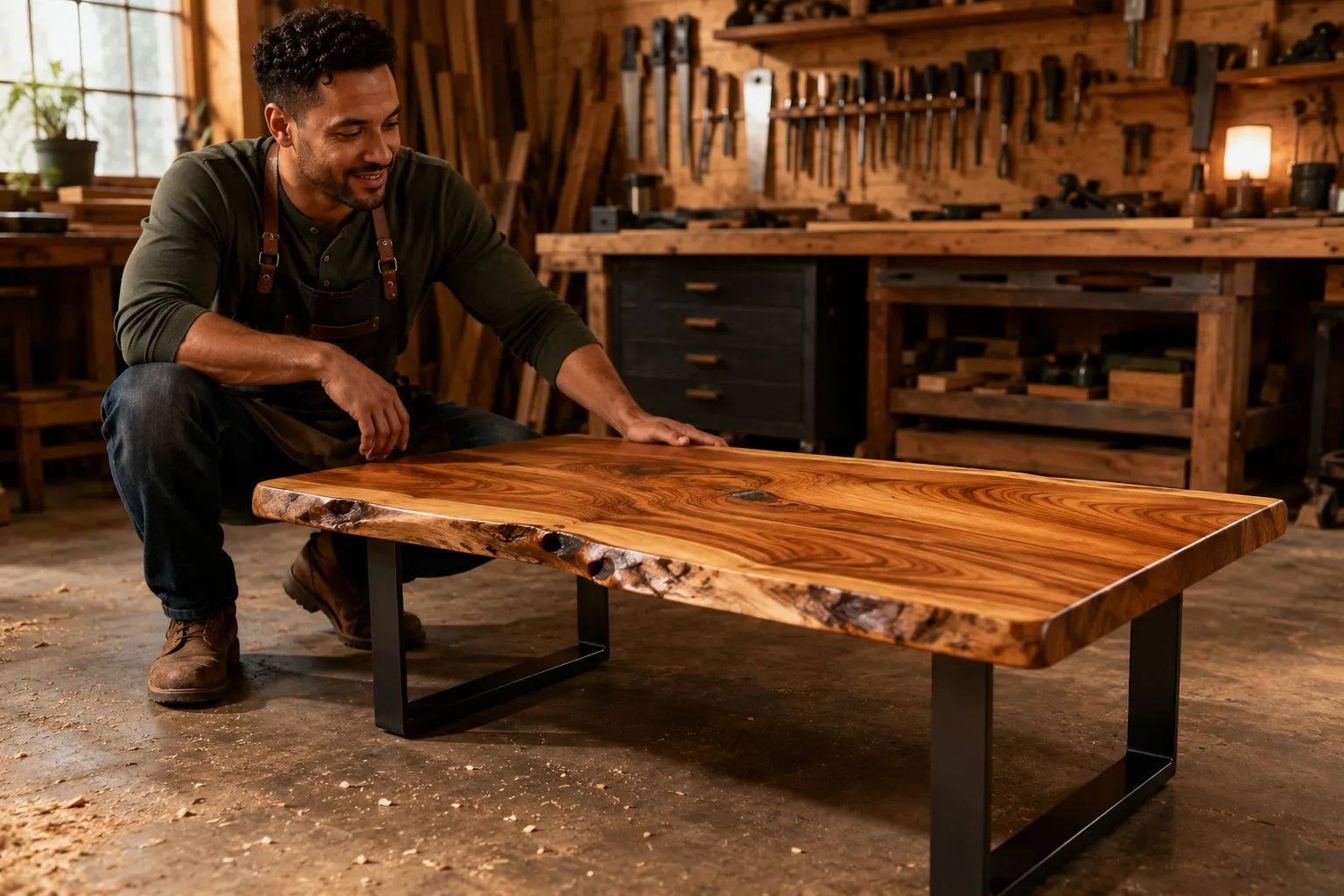
Live-edge slabs or uniquely shaped tops offer a rustic, natural aesthetic, allowing the wood’s inherent character to shine.
- Unique Aesthetic: Each piece is one-of-a-kind, celebrating the natural beauty of the timber.
- Statement Piece: Can become the focal point of a room. For more on this, explore Live-Edge Design Principles: Letting Wood Character Shine in Contemporary Furniture.
- Build Difficulty: Moderate to advanced. Working with live-edge slabs often involves flattening, sanding irregular surfaces, and addressing natural imperfections like cracks or voids with epoxy or butterfly keys. The challenge lies in enhancing, rather than altering, the wood’s original form.
Pro Tip for Shape Selection:
To visualize how a shape will fit, use painter’s tape or newspaper cutouts to mark the footprint on your floor. This helps in understanding scale and traffic flow before you commit to cutting wood.
Exploring Different Base Designs and Their Build Complexity
Once you’ve settled on a top shape, the base design significantly impacts the coffee table’s overall style, stability, and the complexity of the build. This section compares various popular base types, offering further insights into the Best Coffee Table Design Ideas for DIY Woodworkers: Shapes, Bases, and Build Difficulty Compared.
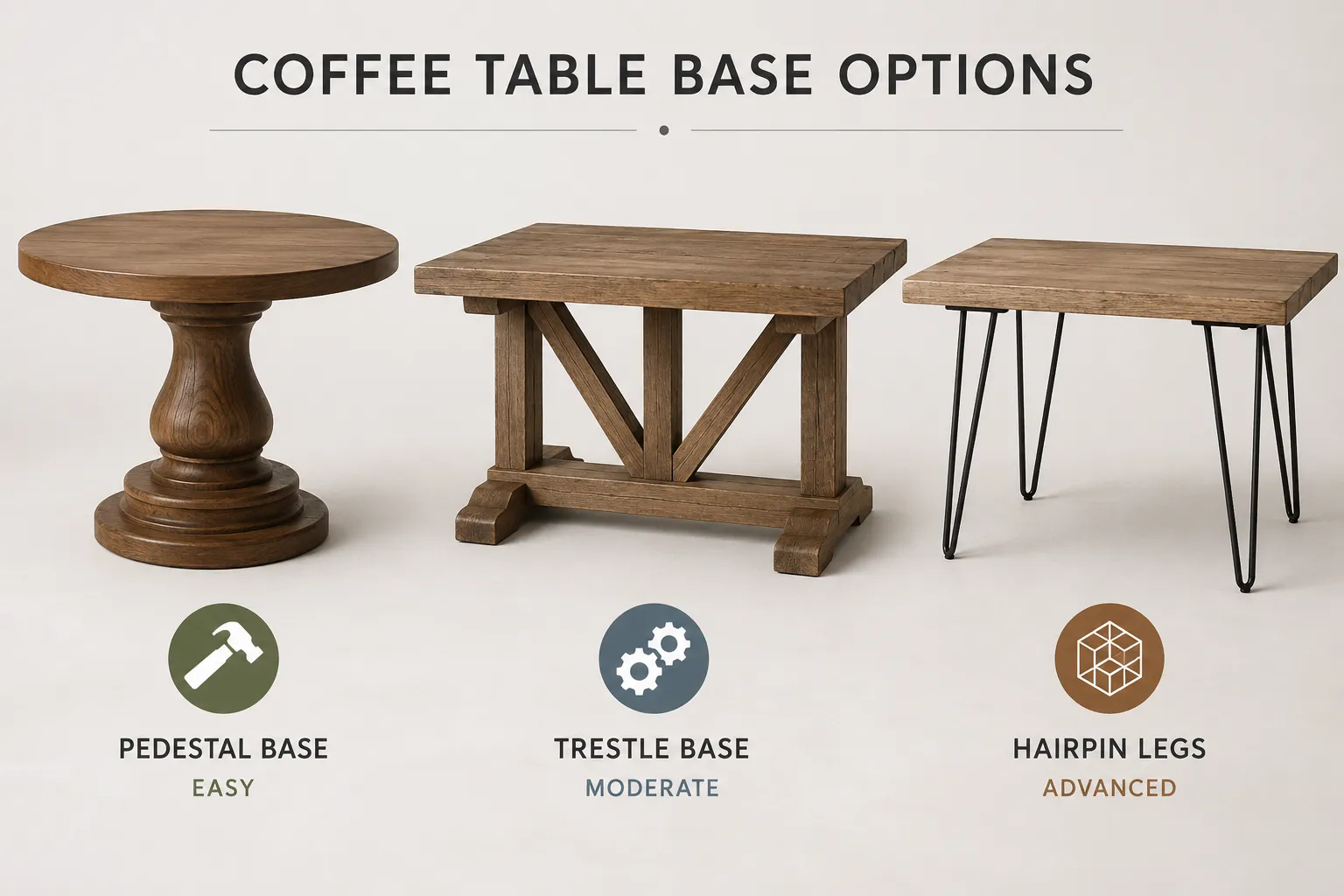
Pedestal Bases
A single, central support column or structure.
- Aesthetic: Modern, minimalist, and often sculptural. Creates a sense of openness.
- Stability: Can be very stable if well-designed with a wide footprint or heavy base plate.
- Build Difficulty: Moderate to advanced. A single column might seem simple, but ensuring it’s robust, perfectly plumb, and securely attached to the top and bottom requires precise joinery, often involving laminations, segmented turnings (if using a lathe), or complex angled cuts. Proper weight distribution is crucial to prevent tipping.
Trestle Bases
Characterized by two end supports connected by a central stretcher, reminiscent of an old-world dining table.
- Aesthetic: Traditional, rustic, or farmhouse. Can be adapted for a more modern look with clean lines.
- Stability: Extremely stable due to the wide stance and connecting stretcher.
- Build Difficulty: Moderate. Requires accurate cuts for the legs, feet, and stretcher. Joinery often involves mortise and tenon or sturdy half-lap joints, which demand precision. The Complete Guide to Hand-Tool Joinery can be an excellent resource for mastering these techniques.
Hairpin Legs
These slender, bent metal rod legs offer a mid-century modern aesthetic. They are often purchased ready-made.
- Aesthetic: Industrial, minimalist, mid-century modern. Creates a light, airy feel.
- Stability: Generally stable for coffee tables, especially with 3 or 4 legs correctly positioned.
- Build Difficulty (Woodworking component): Easy. The woodworking mainly involves creating and finishing the tabletop. Attaching the legs is typically just screwing them into place, though proper screw length and pilot holes are essential to prevent splitting. This is an excellent option for beginners looking to build a stylish piece quickly.
Slab Legs
Using thick, often live-edge, pieces of wood as the legs, typically joined directly to the top.
- Aesthetic: Organic, rustic, natural, monumental. Emphasizes the raw beauty of wood.
- Stability: Very stable and visually heavy.
- Build Difficulty: Advanced. Working with thick slabs requires robust tools for flattening, milling, and joinery. Attaching slab legs often involves complex joinery like wedged through tenons, dovetails, or large biscuits, all designed to accommodate wood movement. Understanding Wood Movement: How to Design Furniture That Lasts a Lifetime is vital reading for such projects.
Frame and Panel Bases
A more classic approach, often incorporating aprons and multiple individual legs.
- Aesthetic: Traditional, Shaker, or craftsman. Can be customized with decorative elements.
- Stability: Very stable and robust.
- Build Difficulty: Moderate to advanced. Involves accurate cutting of rails, stiles, and legs, often using mortise and tenon or dowel joinery. If adding panels, precise groove cutting is needed. Mastering Dowel Joinery for Furniture can help ensure strong, lasting joints.
Material Choices and Build Difficulty Comparison for Best Coffee Table Design Ideas for DIY Woodworkers
The materials you choose not only dictate the final look and feel of your coffee table but also significantly impact the build process, tool requirements, and overall cost. For those exploring the Best Coffee Table Design Ideas for DIY Woodworkers: Shapes, Bases, and Build Difficulty Compared, understanding these material nuances is key.
Solid Hardwood (e.g., Oak, Walnut, Maple)
- Pros: Durable, beautiful grain, takes finishes well, lasts generations. High-quality, timeless appeal.
- Cons: Expensive, can be heavy, prone to wood movement, requires precise joinery.
- Build Difficulty: Moderate to Advanced. Working with solid hardwood demands knowledge of grain direction, proper milling techniques, and joinery that accommodates expansion and contraction. Tools like a jointer and planer are highly recommended for achieving flat and square stock. Mastering the Jointer and Planer is essential for this. Finishing also plays a crucial role in enhancing its beauty and protecting it. Mastering Wood Finishing with Oil-Based Products provides valuable insights.
Plywood and MDF
- Pros: Cost-effective, stable (less prone to wood movement), large sheet sizes, consistent thickness, easy to paint.
- Cons: Edges need careful treatment, less durable for exposed surfaces unless veneered, MDF lacks structural strength for some joints.
- Build Difficulty: Easy to Moderate. Plywood projects often involve simpler joinery like screws, dados, or rabbets. Edge banding is crucial for a professional look. While less challenging than solid wood, careful cutting and sanding are still necessary. Plywood is excellent for modern, geometric designs or tables with integrated storage.
Mixed Materials (Wood with Metal, Glass, or Stone)
- Pros: Modern aesthetic, endless design possibilities, can combine the warmth of wood with the sleekness of other materials.
- Cons: Requires sourcing multiple material types, specialized tools or skills for non-wood components (e.g., welding for metal, glass cutting), potentially higher cost.
- Build Difficulty: Moderate to Advanced. The complexity arises from integrating disparate materials. For example, attaching a heavy glass top or custom-welded metal legs requires careful planning for secure fastening. Woodworkers might focus on the wooden elements, then outsource or purchase the other components. This approach can simplify the woodworking part, but adds complexity in design integration and assembly.
Consider Your Workspace:
Large coffee table builds require significant space for assembly and finishing. If you have a small workshop, consider designs that can be built in modular sections or look into DIY Folding and Expandable Work Tables to maximize your area.
Comparing Build Difficulty: A Quick Guide
The following table offers a general comparison of build difficulty for various coffee table designs, considering common woodworking techniques.
| Design Feature | Skill Level | Typical Techniques |
|---|---|---|
| Top Shape | ||
| Rectangular/Square | Beginner-Friendly (Easy) | Straight cuts, basic edge banding/profiling |
| Round/Oval | Intermediate (Moderate) | Router jigs, bandsaw use, precise sanding for curves |
| Live-Edge/Organic | Intermediate to Advanced (Moderate-Advanced) | Slab flattening, epoxy fills, irregular edge finishing, crack stabilization |
| Base Type | ||
| Hairpin Legs (purchased) | Beginner-Friendly (Easy) | Screw attachment, pre-drilling |
| Box Base (Plywood) | Beginner-Friendly (Easy) | Butt joints, screws, edge banding, simple internal bracing |
| Trestle Base | Intermediate (Moderate) | Mortise & tenon or half-lap joinery, accurate squaring, strong glue-ups |
| Pedestal Base | Intermediate to Advanced (Moderate-Advanced) | Complex laminations, segmented turnings, robust joinery for stability |
| Slab Legs | Advanced | Heavy milling, specialized joinery (e.g., wedged tenons), handling wood movement |
| Frame & Panel Legs | Intermediate to Advanced (Moderate-Advanced) | Mortise & tenon joinery, accurate rail and stile dimensions, panel fitting |
| Material Integration | ||
| All Wood | Easy to Advanced (depending on design) | Consistent woodworking techniques |
| Wood with Metal Legs | Intermediate (Moderate) | Woodworking for top, precise drilling for metal leg attachment |
| Wood with Glass Top | Intermediate to Advanced (Moderate-Advanced) | Creating rebates for glass, securing glass, careful handling of delicate materials |
Conclusion
Designing and building your own coffee table in 2026 is a deeply satisfying project that allows you to infuse your living space with personalized style and craftsmanship. By carefully considering the various shapes, base designs, and material choices, you can select a project that not only meets your aesthetic desires but also aligns with your woodworking skill level and available resources. Whether you opt for a simple rectangular design on hairpin legs or tackle a complex live-edge slab with intricate joinery, the process of bringing a custom piece to life is incredibly rewarding.
Before you start, thoroughly plan your design, gather your materials, and ensure you have the right tools for the job. Don’t be afraid to push your boundaries, but also recognize when a simpler design might be more appropriate for your current skill set. The best coffee table for you is one that you can build confidently, enjoy for years, and proudly showcase as a testament to your woodworking abilities.
SEO Meta Title: DIY Coffee Table Design Ideas: Shapes, Bases, Difficulty Compared SEO Meta Description: Explore the best coffee table design ideas for DIY woodworkers in 2026. Compare shapes, bases, and build difficulty based on skill level and budget.