

The average living room size in new U.S. homes has decreased by nearly 10% over the last decade, leading many homeowners and renters to seek smarter furniture solutions. Finding the ideal coffee table for a compact area requires a strategic approach, blending aesthetics with practical space-saving features. This article delves into the best coffee tables for small spaces, exploring innovative designs, optimal materials, and even practical DIY plans for compact living, ensuring your central living area remains both functional and stylish in 2026.
Key Takeaways
- Prioritize Multi-functionality: Opt for coffee tables that offer more than just a surface, such as hidden storage, lift-tops, or nesting designs.
- Consider Scale and Shape: Choose tables proportional to your space; round or oval tables can offer better flow in tight areas, while square or rectangular designs might maximize surface area.
- Select Appropriate Materials: Lighter, reflective materials like glass or acrylic can make a small room feel larger, while certain woods offer warmth and durability.
- Embrace DIY Solutions: Building your own coffee table allows for complete customization to fit exact dimensions and specific needs, often at a lower cost.
- Think Beyond the Traditional: Explore alternatives like ottomans, C-tables, or wall-mounted options to optimize very small or awkward spaces.
Innovative Designs: Best Coffee Tables for Small Spaces
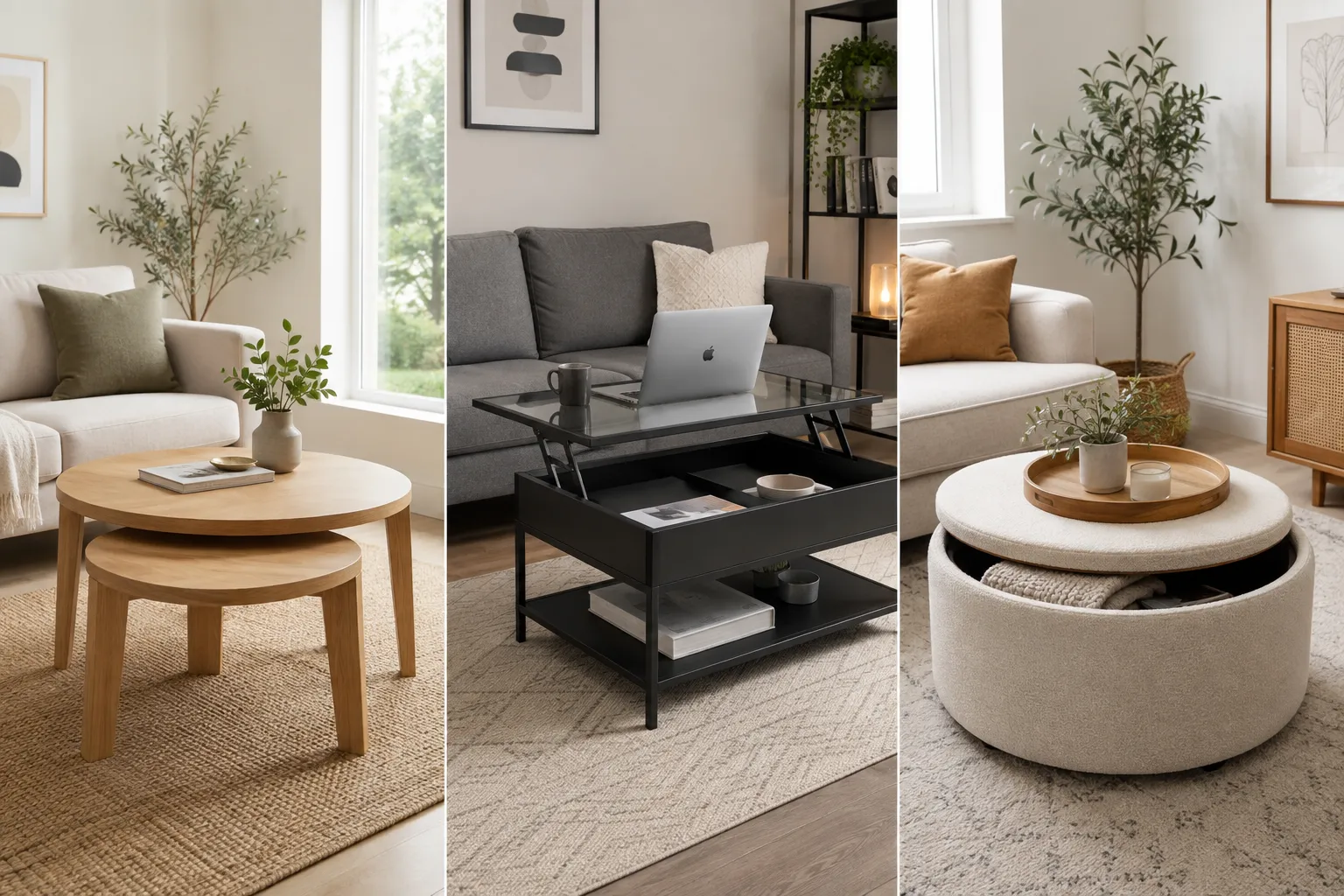
When space is at a premium, the traditional, monolithic coffee table can become an obstacle rather than an asset. Modern designs for compact living prioritize versatility, maximizing utility without sacrificing style. The key lies in selecting a coffee table that adapts to your evolving needs and integrates seamlessly into the room’s layout.
Multi-functional Marvels: Storage and Adaptability
The cornerstone of small-space design is multi-functionality. A coffee table that serves more than one purpose is invaluable.
- Lift-Top Coffee Tables: These tables feature a top that lifts and extends forward, converting into a comfortable surface for dining, working on a laptop, or playing board games. Many also reveal hidden storage compartments underneath, perfect for stowing away remote controls, magazines, or blankets. The convenience of a lift-top can transform a cozy living room into a dynamic workspace or dining area.
- Nesting Coffee Tables: A set of two or more tables of varying sizes that fit together. When you need extra surface area for guests, simply pull out the smaller tables. When not in use, they tuck neatly beneath the larger one, reclaiming precious floor space. This modular approach offers incredible flexibility.
- Ottoman Coffee Tables with Storage: Combining the comfort of an ottoman with the utility of a coffee table, these pieces often have removable tops that reveal generous storage space. They can serve as extra seating, a footrest, or, with the addition of a sturdy tray, a stable surface for drinks and snacks.
- C-Tables: While not always a primary coffee table, a C-table is an excellent supplementary piece for small spaces. Its C-shaped design allows it to slide over the arm of a sofa or chair, providing a convenient surface for a drink or laptop without taking up permanent floor space.
Strategic Shapes and Sizes for Compact Living
The shape and size of your coffee table significantly impact the flow and perceived size of your living area.
- Round and Oval Tables: These shapes often work best in smaller rooms because they eliminate sharp corners, improving traffic flow and reducing the risk of bumping into edges. Their curved lines can also soften a room’s aesthetic. Consider a smaller round or oval table, ideally 18-24 inches in diameter, depending on your sofa length.
- Rectangular and Square Tables (with Reservations): While classic, a large rectangular or square table can overwhelm a small space. However, smaller versions, particularly those with slim profiles or integrated storage, can still be effective. Ensure there’s at least 18 inches of clearance between the coffee table and your seating to maintain comfortable movement. Our guide on Round Coffee Tables vs. Square: How to Choose the Right Shape and can offer further insights.
- Narrow and Console-Style Tables: For exceptionally tight layouts, a narrow coffee table or even a repurposed console table might be the solution. These can provide a surface without protruding too far into the room, especially in front of a slim sofa. Learn more about the differences between table types in our article on Console Tables Vs Coffee Tables Vs End Tables How To Design And Build The Right Table For Each Room.
Materials for the Best Coffee Tables for Small Spaces
The material choice for your coffee table influences not only its durability and aesthetic but also how it interacts with the perception of space in your room. For small spaces, materials that promote lightness, openness, or offer a tactile appeal are often preferred.
Light and Airy: Glass, Acrylic, and Metal
Materials that are transparent, reflective, or have a minimal visual footprint can make a significant difference in a compact living area.
- Glass: A classic choice for small spaces, glass coffee tables visually recede into the background. The transparency allows light to pass through, creating an open and airy feel that prevents the room from looking cluttered. Tempered glass is a must for safety and durability.
- Acrylic/Lucite: Similar to glass but often lighter and more durable, acrylic tables offer the same visual transparency. Their modern aesthetic can add a contemporary touch without adding visual weight.
- Metal (Thin Frames): Coffee tables with slender metal frames, particularly in lighter finishes like brushed chrome or gold, offer a delicate yet strong structure. The open design minimizes bulk, making them appear less imposing. Combining a metal frame with a glass or mirrored top further enhances this effect.
Warm and Grounded: Wood and Engineered Wood
Wood brings warmth, texture, and a sense of grounding to any space. For small living rooms, the type of wood and its finish can be crucial.
- Light-Toned Woods: Woods like birch, maple, or light oak, especially with a natural or whitewashed finish, can make a room feel brighter and more expansive. They offer the natural beauty of wood without the visual heaviness of darker stains.
- Reclaimed Wood: Using reclaimed wood can add character and a unique story to your coffee table. For small spaces, opt for lighter-toned reclaimed pieces or those with a delicate profile. This aligns with sustainable practices, which are becoming increasingly important in 2026.
- Engineered Wood (MDF, Plywood): These materials, often finished with veneer or laminate, are versatile and can be designed into various space-saving forms, including those with intricate storage solutions. They are typically more affordable and can mimic the look of solid wood. Our Beginner’s Guide to Wood Species: Hardwoods vs. Softwoods, provides a good overview of wood options.
| Material Type | Advantages for Small Spaces | Disadvantages | Aesthetic |
|---|---|---|---|
| Glass/Acrylic | Visual lightness, creates open feel, easy to clean | Can show fingerprints, potential for breakage | Modern, minimalist, airy |
| Thin Metal Frames | Open design, contemporary, durable | Can scratch floors if not properly padded | Industrial, modern, sleek |
| Light-Toned Wood | Warmth, natural texture, sturdy | Can feel heavy if bulky, requires care | Scandinavian, natural, cozy |
| Reclaimed Wood | Unique character, sustainable, textured | Heavier, rustic aesthetic might not fit all | Rustic, industrial, farmhouse |
| Engineered Wood | Versatile, affordable, can mimic solid wood | Less durable than solid wood, can chip | Varies by finish, modern, practical |
DIY Plans for Compact Living: Building Your Own Coffee Table
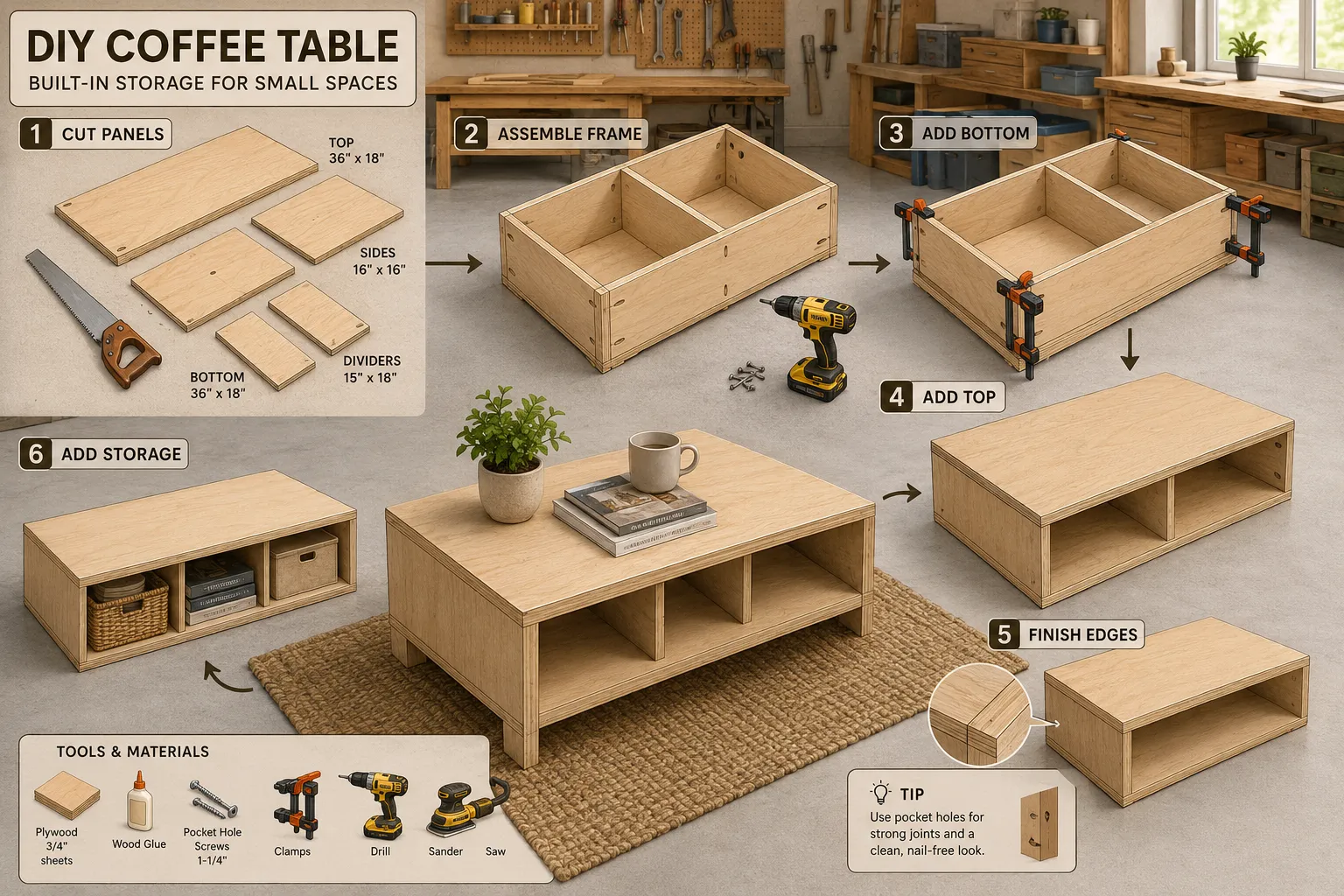
For those who enjoy a hands-on approach, building your own coffee table offers unparalleled customization. You can tailor every dimension, material, and feature to perfectly suit your specific small space and personal aesthetic. This section provides ideas for DIY plans that maximize functionality and storage.
Planning Your DIY Space-Saving Coffee Table
Before you pick up a single tool, thoughtful planning is essential.
- Measure Your Space: Accurately measure the area where the coffee table will reside. Consider the length and depth of your sofa, and ensure you maintain at least 18 inches of clearance for comfortable movement. Also, account for door swings or other furniture.
- Define Functionality: What do you need your coffee table to do? Store items? Serve as a workspace? Provide extra seating? List all desired features (e.g., hidden compartments, lift-top mechanism, casters for mobility).
- Choose a Design Style: Match the table to your existing decor. Do you prefer a minimalist look, rustic charm, or modern industrial?
- Select Materials: Based on your design and desired aesthetic, choose appropriate wood species (consider durability and workability), hardware, and finishes. Plywood and pine are excellent, affordable options for DIY beginners.
DIY Coffee Table Project Ideas for Small Spaces
Here are a few popular and effective DIY coffee table designs for compact living:
- Simple Plywood Storage Box Table: This is a fantastic beginner project. Construct a sturdy rectangular or square box from plywood. The top can be hinged for hidden storage, or you can create open shelves for books and decorative items. Add casters to the bottom for easy repositioning. This design is highly adaptable and can be scaled to fit any space. For inspiration, consider how other compact furniture like a Building A Compact Multi Functional Woodworking Bench For Apartment Dwellers Maximizing Small Spaces utilizes space.
- Nesting Crate Tables: Repurpose wooden crates into a set of nesting coffee tables. Clean and sand the crates, then stain or paint them. Mount casters on some for easy movement. Arrange them in a nesting configuration, pulling out individual crates as needed for surfaces or additional storage. This offers a charming, rustic-industrial aesthetic.
- Pallet Coffee Table with Hidden Storage: If you can source clean, heat-treated pallets, these offer a robust base. Stack two pallets, leaving a gap between them or modifying the top pallet for a hinged lid. This creates ample space for magazines, blankets, or even a small pet bed. Add low-profile casters for mobility. Ensure the pallets are free of chemicals or pests.
- Lift-Top Table Conversion: While building a full lift-top mechanism can be complex, you can often find ready-made lift-top hardware kits. You could build a simple box table and then install the lift-top mechanism and a new tabletop, converting a basic design into a highly functional piece. This is a great way to create High Demand Woodworking Projects For 2026 Coffee Tables Wine Racks And Clocks.
- Folding Coffee Table: Inspired by space-saving workbenches, a folding coffee table can be tucked away when not in use. This might involve a wall-mounted design with a hinged leg or a simple tabletop that folds down. For advanced DIYers, explore designs similar to a Diy Folding Work Table How To Build A Space Saving Workshop Or Craft Table That Stores Flat.
Essential Tools and Safety Tips
For most DIY coffee table projects, you’ll need basic woodworking tools:
- Measuring Tape and Pencil: For accurate marking.
- Circular Saw or Jigsaw: For cutting wood panels. A Delta X5 Table Saw Overview Comparison Tips And User Experiences or a Craftsman 12 Inch Table Saw Overview Comparisons Setup Tips And More would be ideal for precision cuts if you have access to a workshop.
- Drill: For pilot holes and screws.
- Sander (orbital or block): For smooth finishes.
- Clamps: Essential for holding pieces together during assembly and gluing.
- Wood Glue and Screws/Fasteners: For strong joinery.
- Safety Gear: Always wear safety glasses, hearing protection, and gloves. Work in a well-ventilated area.
Remember, patience and precision are key to a successful DIY project. Don’t rush, and always double-check your measurements before making cuts.
Maximizing Functionality and Aesthetics in Small Spaces
Beyond the table itself, how you integrate it into your living area and what you place on it can further enhance its utility and appearance. The goal is to create a cohesive, clutter-free environment where every element serves a purpose.
Smart Styling and Decor for Compact Tables
Even the best coffee tables for small spaces can look overwhelming if cluttered. Thoughtful styling is crucial.
- Keep it Minimalist: Avoid overcrowding the surface. Focus on 2-3 essential items, such as a small plant, a stack of books, and a coaster.
- Use Trays: A decorative tray can corral smaller items, making the table look organized and allowing for easy removal when the surface is needed for other activities.
- Incorporate Greenery: A small potted plant or a compact succulent adds life and freshness without taking up much space.
- Reflective Surfaces: Incorporating small mirrored accents or shiny metallic objects on your table can reflect light, further brightening the room and making it feel larger.
- Scale of Accessories: Choose accessories that are proportionate to the table’s size. Oversized decor will quickly make a small table look cluttered.
Integrating Your Coffee Table with Other Space-Saving Furniture
A coffee table rarely exists in isolation. Its effectiveness in a small space is amplified when paired with other smart furniture choices.
- Modular Seating: Pair a compact coffee table with modular sofas or sectionals that can be reconfigured. This allows you to adapt your seating and table layout for different occasions.
- Wall-Mounted Shelving: Instead of bulky bookshelves, utilize vertical space with wall-mounted shelves above or near your coffee table to store books and display decor. This keeps floor space clear.
- Slim Side Tables/C-Tables: Complement your main coffee table with one or two C-tables or very narrow side tables. These provide additional surfaces for drinks or snacks, especially when entertaining, without permanently occupying floor space.
- Folding or Expandable Furniture: Consider pairing your coffee table with other folding furniture, like a Diy Folding And Expandable Work Tables Epl Style Space Saving Designs For Small Woodshops for a truly adaptable living area.
- Built-in Storage Solutions: If you’re undertaking a more extensive renovation, consider Built-In Cabinets for Small Homes: Design Rules for Mudroom Lockers, which can integrate seamlessly with your living room furniture, reducing the need for standalone storage units.
Lighting and Color Palette
These elements play a crucial role in making a small space feel open and inviting.
- Ample Lighting: Ensure your living area has good general lighting. Avoid dark corners, which can make a room feel smaller. Incorporate task lighting (e.g., a slim floor lamp) if your coffee table is used for reading or working.
- Light Color Palettes: Lighter wall colors and furniture upholstery reflect light, making a room feel more expansive. While dark accents can add depth, keep the overall palette light and airy.
- Reflective Surfaces: Beyond the coffee table itself, consider mirrors on walls to visually expand the space.
By strategically combining design, materials, and thoughtful integration, your small living room can be transformed into a highly functional and aesthetically pleasing environment.
Conclusion
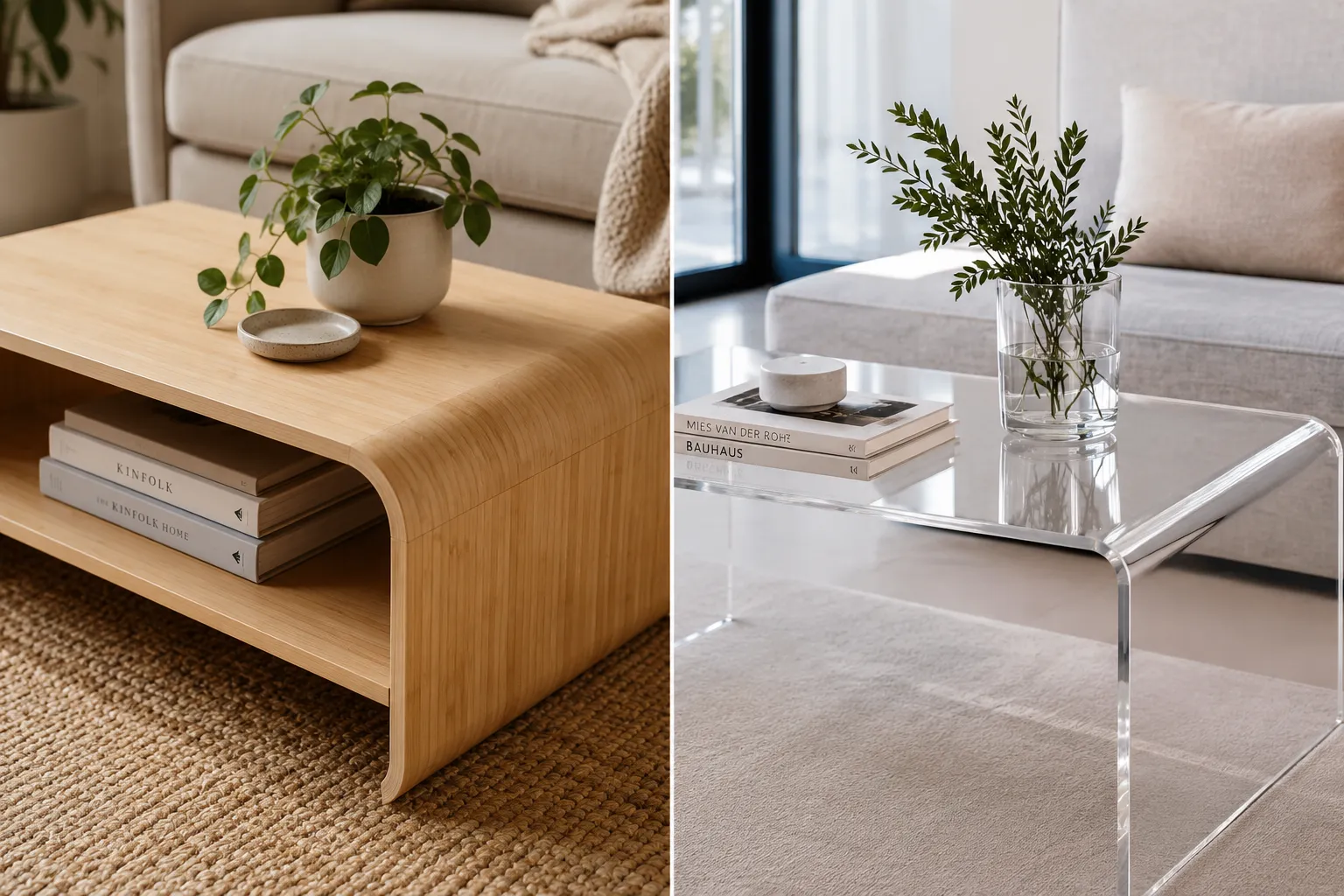
Choosing the best coffee tables for small spaces is a critical step in creating a functional, stylish, and comfortable living area in 2026. Whether you opt for a sleek lift-top table, a versatile nesting set, or embark on a custom DIY project, the guiding principle remains the same: prioritize multi-functionality, appropriate scale, and intelligent material choices. By thoughtfully considering how your coffee table integrates with your overall living space, you can transform perceived limitations into opportunities for creative and efficient design. Embrace designs that offer hidden storage, adapt to multiple uses, and visually enhance the sense of openness. A well-chosen coffee table will not only serve its practical purpose but also become a key element in defining the character and comfort of your compact home.
Next Steps:
- Measure Thoroughly: Before making any purchase or cutting wood, measure your living space, paying attention to clearance around seating and traffic paths.
- Prioritize Features: List the top 2-3 functions you need your coffee table to perform (e.g., storage, dining, display).
- Explore Options: Research different designs and materials, considering both ready-made and DIY possibilities.
- Sketch a Layout: Draw a simple floor plan of your living room to visualize how a new coffee table will fit and impact flow.
- Start Your DIY Project: If building, begin with a simple plan and gather your tools and materials, taking safety precautions seriously.