
The quest for woodworking materials often leads beginners down paths of heavy, expensive hardwoods or less sustainable alternatives. However, a remarkable contender has emerged as a favorite among eco-conscious makers and those seeking efficient builds: paulownia wood. This Beginner’s Guide to Paulownia Wood: Sustainable, Lightweight Boards for Fast Furniture Builds will introduce you to a material that is not only rapidly renewable but also incredibly easy to work with, making it ideal for a wide range of quick, satisfying furniture projects in 2026.
Paulownia, often called the “Empress Tree” or “Foxglove Tree,” is known for its astonishing growth rate and unique characteristics that lend themselves perfectly to fast-paced woodworking and sustainable practices. If you’re looking to create functional, attractive pieces without the struggle of dense timbers, this guide will illuminate why paulownia deserves a prime spot in your workshop.
Key Takeaways
- Paulownia is a rapidly renewable, eco-friendly wood celebrated for its sustainability.
- It is exceptionally lightweight, easy to cut, sand, and finish, making it perfect for beginners.
- The wood’s stability and resistance to warping are significant advantages for furniture construction.
- Common beginner projects include shelving, storage boxes, and small tables.
- Sourcing paulownia is becoming easier, with lumberyards and online suppliers offering various board sizes.
Understanding Paulownia Wood: Properties and Sustainability
Paulownia wood stands out in the lumber world due to a combination of extraordinary properties and impressive ecological credentials. It’s a game-changer for anyone interested in a Beginner’s Guide to Paulownia Wood: Sustainable, Lightweight Boards for Fast Furniture Builds.
The Remarkable Growth of Paulownia
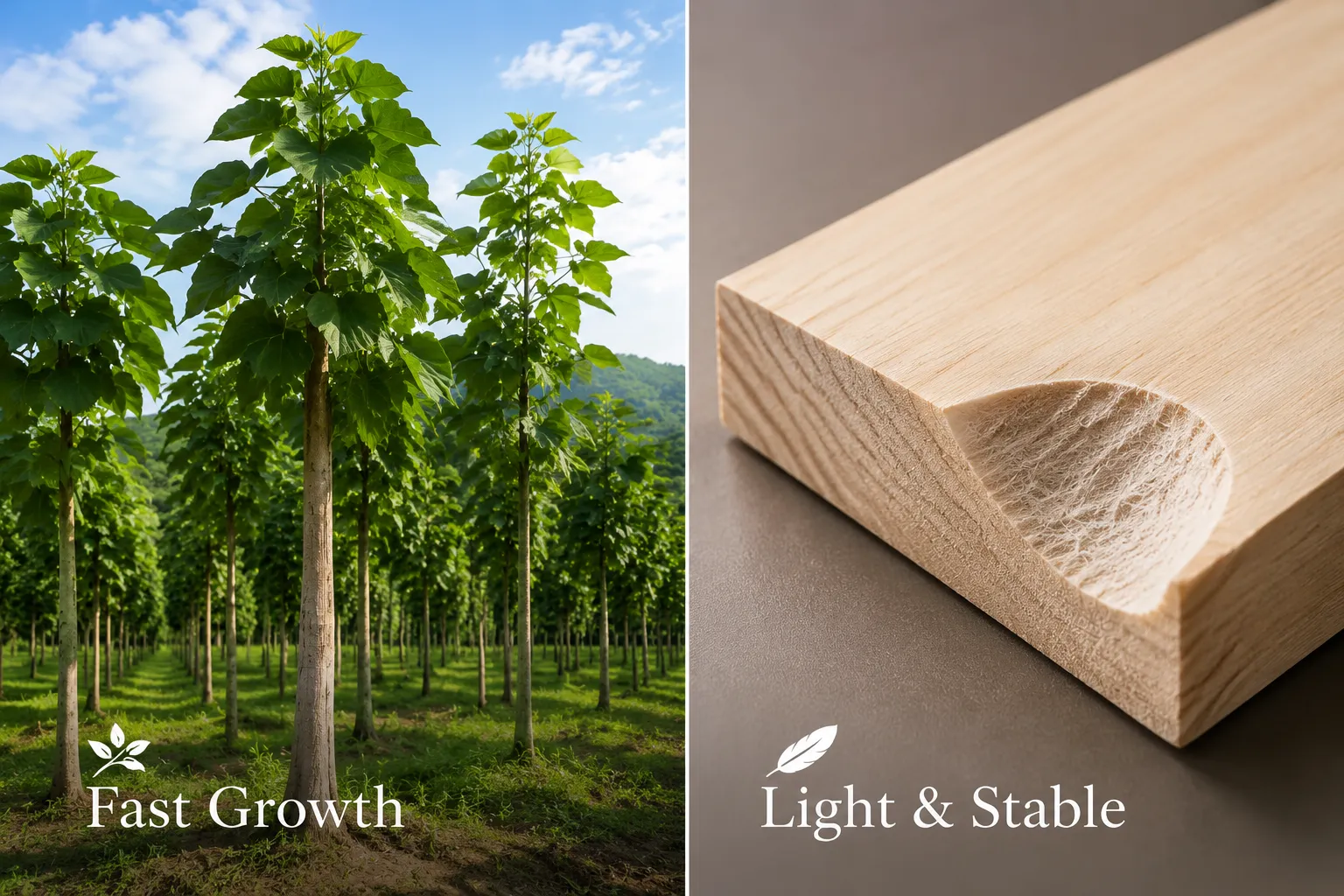
Paulownia trees are among the fastest-growing trees in the world, capable of reaching maturity in as little as 5-7 years, compared to decades for many traditional hardwoods. This rapid growth makes it an incredibly sustainable resource. Plantations can be harvested multiple times from the same root system, a process known as coppicing, which further reduces its environmental footprint. Its ability to sequester large amounts of carbon dioxide also contributes to its green appeal, positioning it as an excellent choice for environmentally conscious woodworkers in 2026.
Physical Characteristics: Why It’s Perfect for Beginners
At first glance, paulownia wood might seem too good to be true, but its characteristics genuinely cater to the novice woodworker:
- Lightweight: Paulownia is one of the lightest woods available, often compared to balsa wood but significantly stronger. This makes large boards easy to handle, transport, and assemble, reducing strain and increasing safety in the workshop.
- Easy to Work: Its soft, uniform grain means it cuts, saws, and drills with minimal effort, requiring less powerful tools and resulting in cleaner cuts. Hand tools glide through it effortlessly, making it a dream for those learning joinery techniques.
- Stable: Despite its lightness, paulownia wood is surprisingly stable. It resists warping, twisting, and cracking, even in fluctuating humidity, a crucial factor often overlooked by beginners. This stability ensures your furniture pieces remain true and durable over time. You can learn more about managing wood movement to ensure lasting furniture here: Understanding Wood Movement: How to Design Furniture That Lasts a Lifetime.
- Excellent Finishing Properties: Paulownia takes stains, paints, and clear finishes beautifully, allowing for a wide range of aesthetic possibilities. Its pale, consistent color provides a neutral canvas for any desired look. For those interested in eco-friendly options, it pairs well with Natural Wood Finishing Without Chemicals: Plant-Based Stains, Oils.
- Low Shrinkage/Expansion: Its minimal dimensional change with moisture makes it a reliable choice for furniture that needs to hold its shape.

Environmental Impact and Sustainability
Choosing paulownia is a direct vote for environmental stewardship. Its fast growth cycle means forests can be replenished quickly, preventing deforestation of slower-growing species. Moreover, paulownia trees improve soil quality, prevent erosion, and even grow well in poor soil, making them valuable for land reclamation projects. By opting for paulownia, you are actively contributing to sustainable forestry and reducing the demand for less renewable resources.
Sourcing Paulownia and Essential Working Tips
Now that you’re familiar with the benefits, the next step in your Beginner’s Guide to Paulownia Wood: Sustainable, Lightweight Boards for Fast Furniture Builds is understanding how to acquire and effectively work with this unique material.
Where to Find Paulownia Wood
As its popularity grows, paulownia wood is becoming more widely available.
- Specialty Lumberyards: Many lumberyards are now stocking paulownia, particularly those focusing on sustainable or exotic woods.
- Online Suppliers: Numerous online retailers specialize in paulownia boards, often offering a range of sizes and thicknesses, delivered directly to your door. This can be a convenient option for beginners who might not have access to a local specialty supplier.
- Woodworking Shows and Fairs: These events can be excellent places to discover new suppliers and learn about the latest trends in sustainable lumber.
When purchasing, look for straight, flat boards with consistent grain. While paulownia is generally stable, proper selection always aids in a smooth building process.
Working with Paulownia: Tips for Beginners
Paulownia’s characteristics make it very forgiving, but a few tips can enhance your woodworking experience:
- Sharp Tools are Key: While soft, paulownia can sometimes fuzz or tear if tools are dull. Keep your saw blades, chisels, and planes razor-sharp for the cleanest cuts. This is especially true when exploring techniques like those found in a Beginner’s Guide to Hand Tool Joinery: Mastering Mortise and Tenon.
- Gentle Clamping: Because it’s a softer wood, excessive clamping pressure can dent or mar the surface. Use cauls (protective pieces of wood) between clamps and your workpiece, and apply only enough pressure to hold the joint securely.
- Sanding: Paulownia sands beautifully to a smooth finish. Start with a medium-grit sandpaper (around 120-150 grit) and progressively move to finer grits (220-320 grit) for a silky-smooth surface.
- Fasteners: Screws hold well in paulownia, but pre-drilling pilot holes is always recommended to prevent splitting, especially near edges. For joinery, wood glue is highly effective. Learn more about glues in The Ultimate Guide to Choosing and Using Wood Glues.
- Dust Control: Paulownia produces a fine, light dust. Ensure you have adequate dust collection or wear appropriate respiratory protection when cutting and sanding.
Common Uses Beyond Furniture
Beyond beginner furniture, paulownia’s properties make it suitable for a variety of applications:
- Surfboards and Paddleboards: Its lightness and resistance to water make it excellent for watercraft.
- Musical Instruments: The resonant qualities are favored in some stringed instruments.
- Interior Paneling and Trim: Its stability and ease of finishing are assets for architectural applications.
- Crafts and Carving: Its soft texture lends itself well to detailed carving and smaller craft projects.
- Storage and Organization: Lightweight boxes, bins, and shelving units are perfect uses.
Beginner-Friendly Furniture Projects with Paulownia
The true appeal of paulownia for novices lies in how easily it translates into practical, beautiful furniture. For a Beginner’s Guide to Paulownia Wood: Sustainable, Lightweight Boards for Fast Furniture Builds, project selection is key.
Ideal Projects for Your First Paulownia Builds
Paulownia is incredibly versatile, but some projects are particularly well-suited for beginners due to the wood’s properties:
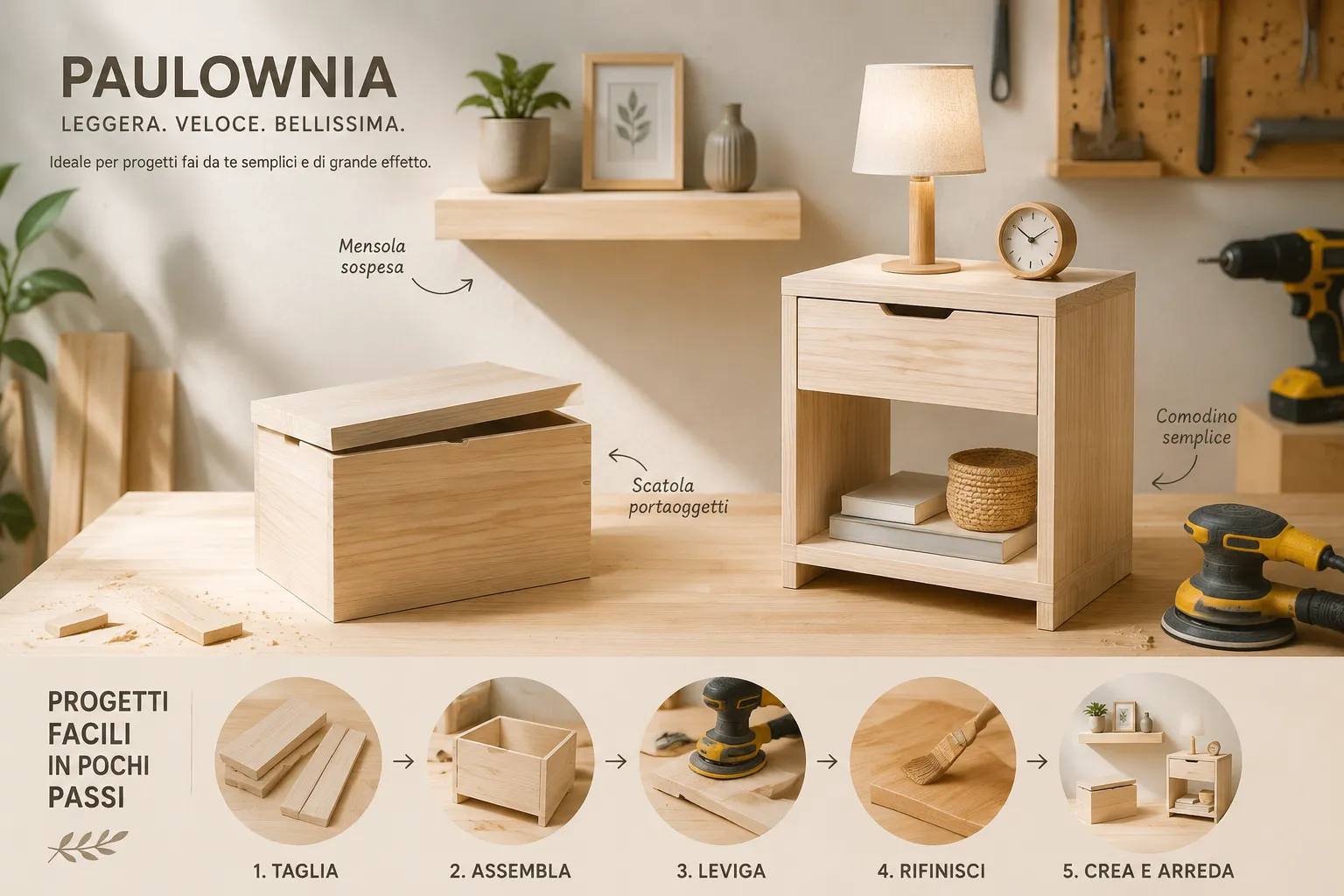
- Floating Shelves: These are simple to construct, requiring only a few cuts and basic mounting hardware. Paulownia’s lightness makes installation easy and safe, as the shelves won’t put undue strain on wall anchors.
- Simple Storage Boxes or Crates: Using basic butt joints or rabbet joints, you can quickly assemble functional and attractive storage solutions. These are great for organizing workshops, bedrooms, or playrooms.
- Small Bookcases or Display Units: Its light weight means you can build larger structures without them becoming unwieldy. A simple A-frame or ladder-style bookcase is a rewarding first project.
- Bedside Tables or End Tables: A basic rectangular or square top with four legs is an excellent way to practice cutting, assembly, and finishing. You might even incorporate live-edge design principles if you find a unique board.
- Planter Boxes: For indoor gardening, lightweight paulownia planter boxes are easy to move and maintain. Learn more about crafting custom planters here: Crafting Custom Wooden Planters for Indoor Edible Gardens.
- DIY Folding Work Table: Paulownia’s lightness is perfect for portable or collapsible furniture, such as a DIY Folding Work Table.
When designing your projects, consider joinery methods appropriate for softer woods. While complex dovetails are possible with sharp tools, simple butt joints reinforced with screws and glue, or dowel joints, are often more robust and beginner-friendly for paulownia. For learning basic woodworking joinery, our guide on Beginner’s Guide to Hand-Cut Joinery provides excellent foundational knowledge applicable to paulownia.
Finishing Your Paulownia Projects
Paulownia takes finishes exceptionally well. Due to its light color, a clear coat or light stain will highlight its natural, subtle grain. If you desire a bold color, paulownia provides an even base for paint. Always test your chosen finish on a scrap piece of paulownia first to ensure you achieve the desired look. For a deeper dive into finishing, exploring Advanced Wood Finishing for Outdoor Furniture can offer insights even for indoor applications, regarding protection and aesthetics.
Why Paulownia Makes Furniture Building Faster
The “fast” in “Fast Furniture Builds” comes from several factors unique to paulownia:
- Reduced Prep Time: Its stability means less time spent flattening or straightening warped boards.
- Easier Cutting and Shaping: Less effort is required to cut and shape components, speeding up the fabrication stage.
- Quick Assembly: Lightweight components are easier to handle and align during assembly.
- Efficient Finishing: Paulownia accepts finishes readily, often requiring fewer coats or less sanding between coats compared to some denser woods.
These benefits combine to significantly shorten project timelines, allowing beginners to complete satisfying furniture pieces more quickly and build confidence for future woodworking endeavors.
Conclusion
The Beginner’s Guide to Paulownia Wood: Sustainable, Lightweight Boards for Fast Furniture Builds unveils a remarkable material that perfectly aligns with the modern woodworker’s needs for sustainability, ease of use, and quick project turnaround. Paulownia’s rapid growth cycle makes it an eco-friendly choice, while its lightweight, stable, and easy-to-work properties make it an ideal starting point for anyone entering the world of furniture making.
By embracing paulownia, you can create beautiful, durable furniture pieces, from simple shelves to elegant side tables, with less effort and a smaller environmental footprint. As you gain confidence, you’ll discover its versatility extends to many other applications. So, grab some paulownia boards, sharpen your tools, and begin your journey into sustainable and satisfying woodworking in 2026.
Actionable Next Steps:
- Research Local Suppliers: Look for paulownia at specialty lumberyards or reliable online retailers.
- Start Small: Choose a simple project like a floating shelf or a storage box to get acquainted with the wood.
- Invest in Sharp Tools: Ensure your saw blades and chisels are sharp for the best results.
- Experiment with Finishes: Test different stains and protective coats on scrap pieces to find your desired aesthetic.