
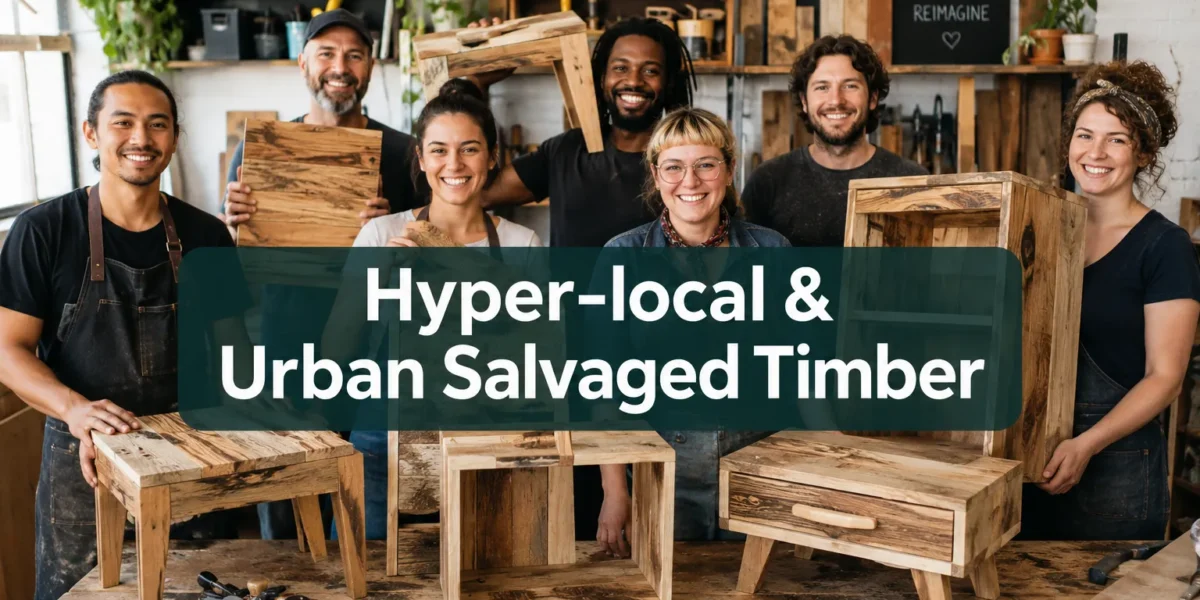
The average urban tree falls or is removed for various reasons, disease, storms, or development, yet a staggering 97% of this potential timber is chipped, mulched, or sent to landfills [1]. This overlooked resource represents a goldmine for woodworkers, particularly as sustainability-focused buyers rapidly increase demand for documented urban lumber and locally sourced timber, making project tutorials around these materials highly sought after right now. For DIY makers, embracing hyper-local and urban salvaged timber projects isn’t just about saving money; it’s about crafting unique pieces with a rich story, reducing environmental impact, and connecting deeply with their local environment.
Key Takeaways
- Hyper-local and urban salvaged timber offers a sustainable, cost-effective, and character-rich material source for DIY woodworking projects.
- Sourcing involves networking with arborists, municipal departments, and local sawyers, prioritizing wood that has been properly processed and air-dried.
- Working with salvaged wood requires careful inspection, specialized tools for milling and stabilization, and an appreciation for the material’s imperfections.
- Suitable projects range from small decorative items and home decor to functional furniture, leveraging the unique aesthetic of reclaimed timber.
- Finishing techniques should enhance the wood’s natural character while providing protection, contributing to the narrative appeal of each piece.
The Allure of Hyper-local and Urban Salvaged Timber for DIY Makers
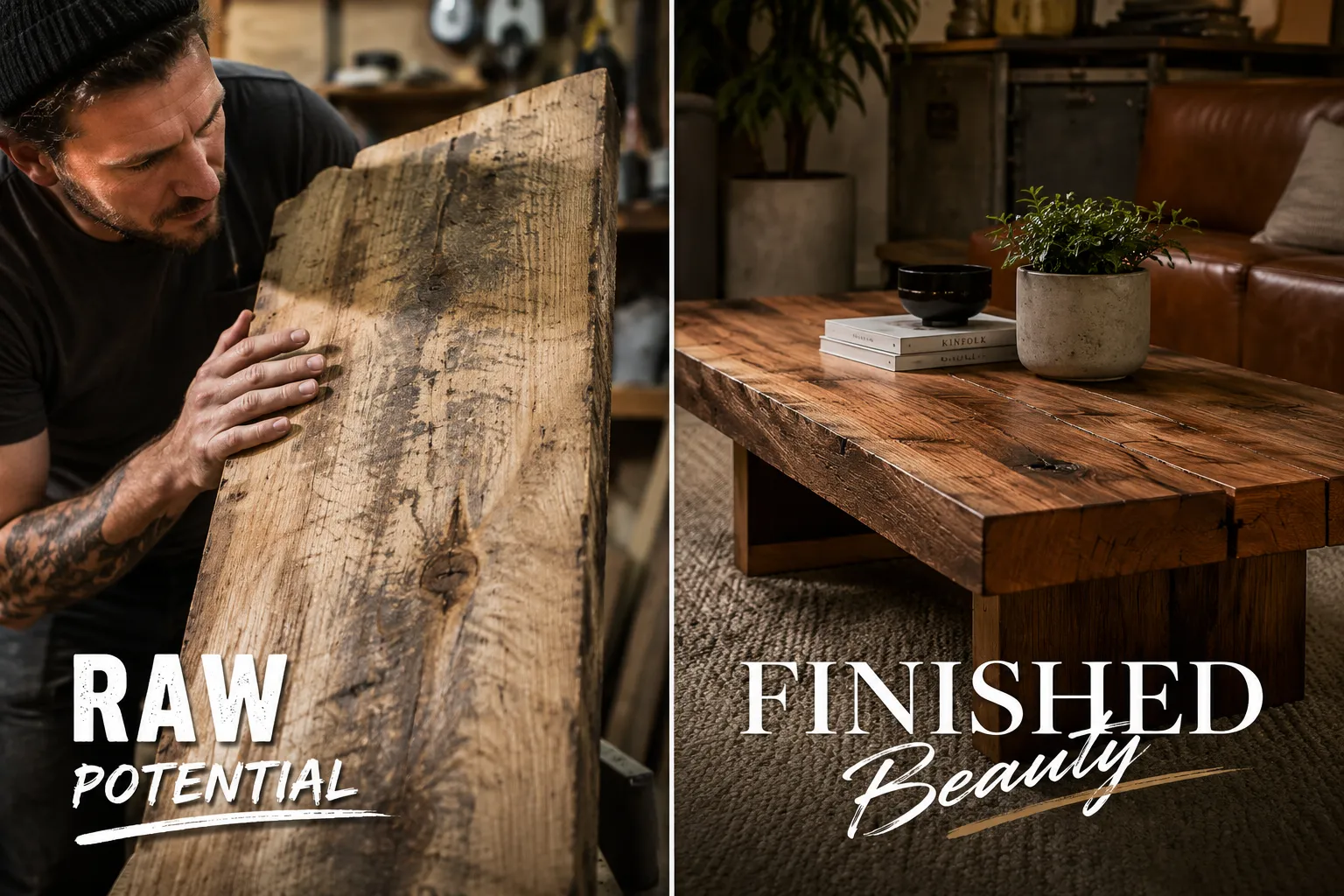
Hyper-local and urban salvaged timber refers to wood sourced from trees that grew and were felled within or very close to urban areas. This can include anything from century-old street trees removed due to infrastructure conflicts, storm-damaged giants from local parks, or even trees from private property. Unlike commercially harvested lumber, which often travels thousands of miles, urban salvaged timber has a minimal carbon footprint and a compelling backstory. For DIY makers, this material offers unparalleled character, with unique grain patterns, nail holes, and natural imperfections that tell a tale of its past life.
One of the primary advantages of utilizing urban salvaged wood is its inherent sustainability. By diverting these trees from waste streams, makers contribute to a circular economy, reducing demand for virgin timber and lessening landfill burdens. This eco-conscious approach resonates strongly in 2026, where consumers increasingly seek products with transparent and sustainable origins. Furthermore, the cost can be significantly lower than new lumber, especially for larger pieces or unique species not typically found in conventional lumberyards.
Why Choose Salvaged Timber?
- Environmental Impact: Reduces waste, lowers carbon footprint, and promotes sustainable forestry practices.
- Unique Aesthetics: Every piece tells a story, featuring distinctive grain, coloration, and natural imperfections that add character.
- Cost-Effectiveness: Often more affordable than new lumber, especially when sourced directly from arborists or small sawyers.
- Local Connection: Supports local industries and keeps resources within the community.
- Variety of Species: Access to diverse urban tree species not commonly available in standard lumber markets.
Sourcing Your Hyper-local and Urban Salvaged Timber
The journey to working with urban salvaged timber begins with smart sourcing. It’s not as simple as picking up a log from the side of the road; proper processing is crucial for stable, workable wood.
- Arborists and Tree Removal Companies: These are your best allies. Many companies are keen to find outlets for their logs beyond chipping. Establish relationships, let them know what species and sizes you’re looking for, and be prepared to pick up logs soon after felling.
- Municipal Departments: City parks and forestry departments often remove trees. Inquire about their disposal practices and if they have programs for distributing logs to local woodworkers.
- Local Sawyers and Urban Mills: A growing number of small businesses specialize in milling urban trees into usable slabs and lumber. These operations often have drying facilities, ensuring the wood is stable. Supporting them directly is a great way to acquire ready-to-use material. You might even discover opportunities for small-batch wood milling, from log to lumber with chainsaws and Alaskan mills if you have the equipment and expertise.
- Online Forums and Social Media Groups: Local woodworking and sustainability groups can be excellent resources for finding leads on available timber.
When sourcing, always inquire about the wood’s history, especially how it was processed and dried. Freshly cut logs need significant time to air dry (typically one year per inch of thickness) or kiln dry to prevent warping, cracking, and insect infestation. Using green wood will inevitably lead to problems down the line. Look for wood that has been cut into slabs or boards and properly stickered for air drying, or ideally, kiln-dried.
Essential Considerations for Working with Urban Salvaged Timber
Working with hyper-local and urban salvaged timber projects for DIY makers introduces unique challenges and rewards compared to new lumber. The key is understanding the material’s properties and preparing it appropriately.
Inspection and Preparation
Salvaged wood often comes with its own history imprinted upon it. Before any cutting, thorough inspection is vital.
- Metal Detection: Urban trees can grow around nails, screws, fence wire, or even bullets. A metal detector is an indispensable tool to prevent damage to expensive saw blades or planer knives.
- Cleaning: Remove dirt, grime, and loose bark. A stiff brush, pressure washer, or even a basic scraper can help.
- Pest Inspection: Look for signs of insects, especially powderpost beetles or termites. While most insects won’t survive proper drying, a careful check is always prudent.
- Moisture Content: Use a moisture meter to ensure the wood is adequately dry (typically 6-12% for indoor projects, depending on local humidity) before starting.
- Flattening and Jointing: Salvaged slabs or boards are rarely perfectly flat or straight. You may need a jointer and planer, or a slab flattening mill, to achieve stable, square stock for your projects. For large slabs, consider techniques outlined in articles about introduction to live edge slab woodworking, from sourcing to finishing unique furniture pieces.
Tools and Techniques
While many standard woodworking tools apply, some considerations are specific to salvaged timber.
- Chainsaw Mill: If you’re sourcing whole logs, a chainsaw mill is essential for converting them into usable slabs.
- Dust Collection: Working with older, often rougher wood can generate more dust. A good DIY workshop dust collection system for small spaces is crucial for health and workshop cleanliness.
- Epoxy and Fillers: Imperfections like cracks, voids, or knot holes can be beautiful features, but sometimes require stabilization. Clear epoxy or wood fillers can be used to fill these gaps, creating a smooth, durable surface while preserving the wood’s character.
- Joinery: The same principles of strong joinery apply. Whether you’re mastering mortise and tenon and dovetail joints or utilizing modern methods like the Domino joiner, ensuring robust connections is key.
Creative Hyper-local and Urban Salvaged Timber Projects for DIY Makers
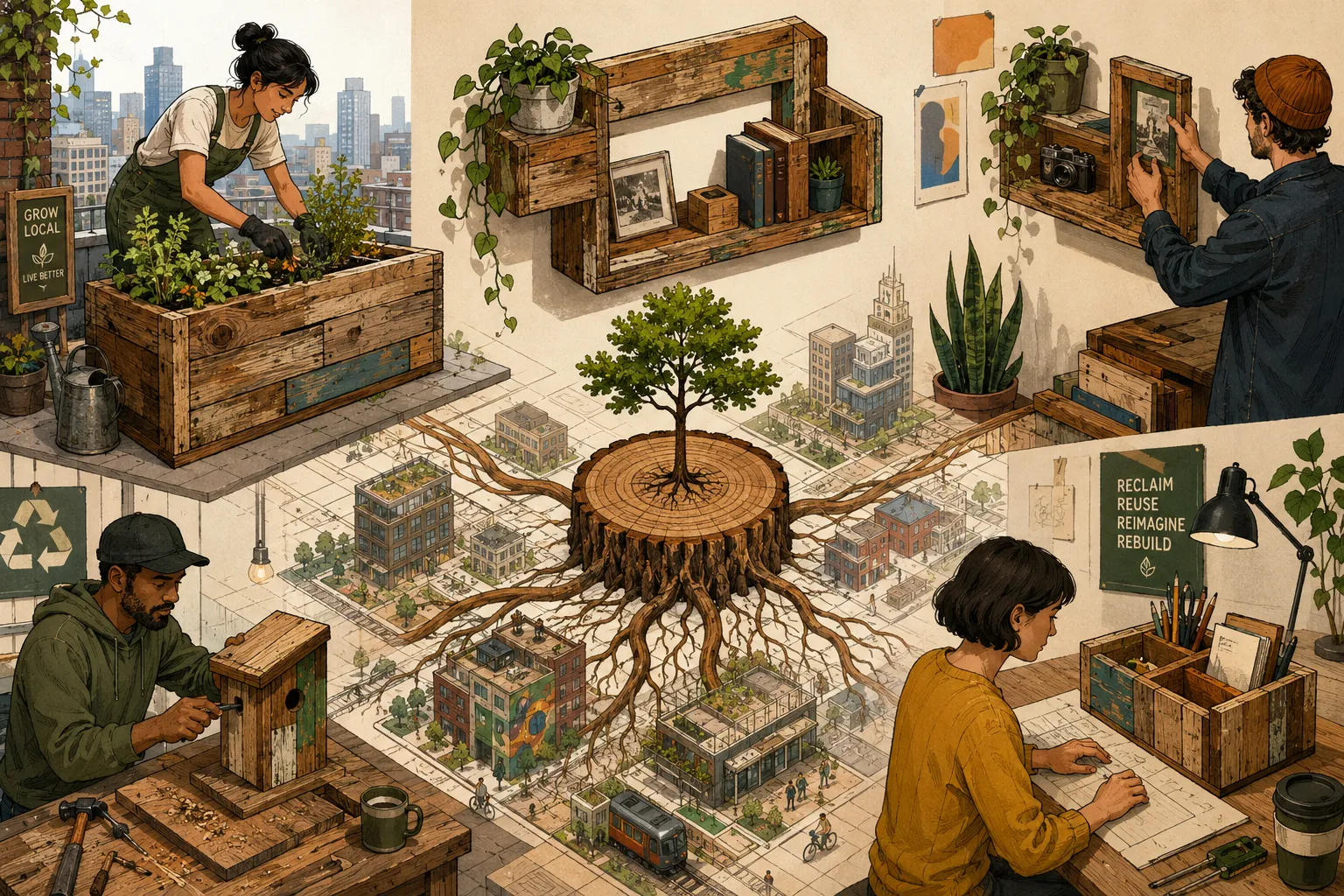
The beauty of working with salvaged timber lies in its versatility and unique character. This material is ideal for projects that celebrate natural forms and textures, making it a perfect fit for a wide range of DIY creations in 2026.
Small-Scale & Decorative Projects
Salvaged timber is perfect for smaller projects where distinctive grain and character can truly shine without requiring massive slabs.
- Coasters and Trivets: Simple to make, these showcase the wood’s natural beauty and make excellent gifts.
- Cutting Boards: Embrace the imperfections. A wooden kitchen product that sells like a custom cutting board made from a unique piece of salvaged hardwood is a truly special item.
- Decorative Trays: Highlight the live edge or unique coloration in a functional art piece.
- Picture Frames: Frame cherished memories with wood that tells its own story.
- Candle Holders or Vases: Turn small offcuts into elegant home accents.
- Planters: Craft custom wooden planters for indoor edible gardens using reclaimed urban wood, adding a natural, rustic touch to your home greenery.
Functional Home Furnishings
With proper milling and joinery, salvaged timber can be transformed into sturdy and striking furniture.
- Coffee Tables: A live-edge slab of urban oak or maple makes a stunning, one-of-a-kind coffee table. Explore handcrafted coffee tables designs that sell for inspiration.
- Floating Shelves: Thicker salvaged boards, especially those with interesting grain, are perfect for substantial floating shelves in 2026.
- Console or Side Tables: A narrow slab can become a focal point in an entryway or living room. Learn how to build a space-saving console table.
- Small Benches or Stools: Ideal for entryways, mudrooms, or as accent pieces.
- Storage Solutions: From DIY wooden storage solutions for the garage to custom workshop cabinets, salvaged wood adds character and durability.
- Wall Art or Cladding: Feature panels or decorative installations can transform a room, leveraging the narrative interiors through woodworking approach.
Finishing Techniques for Salvaged Wood
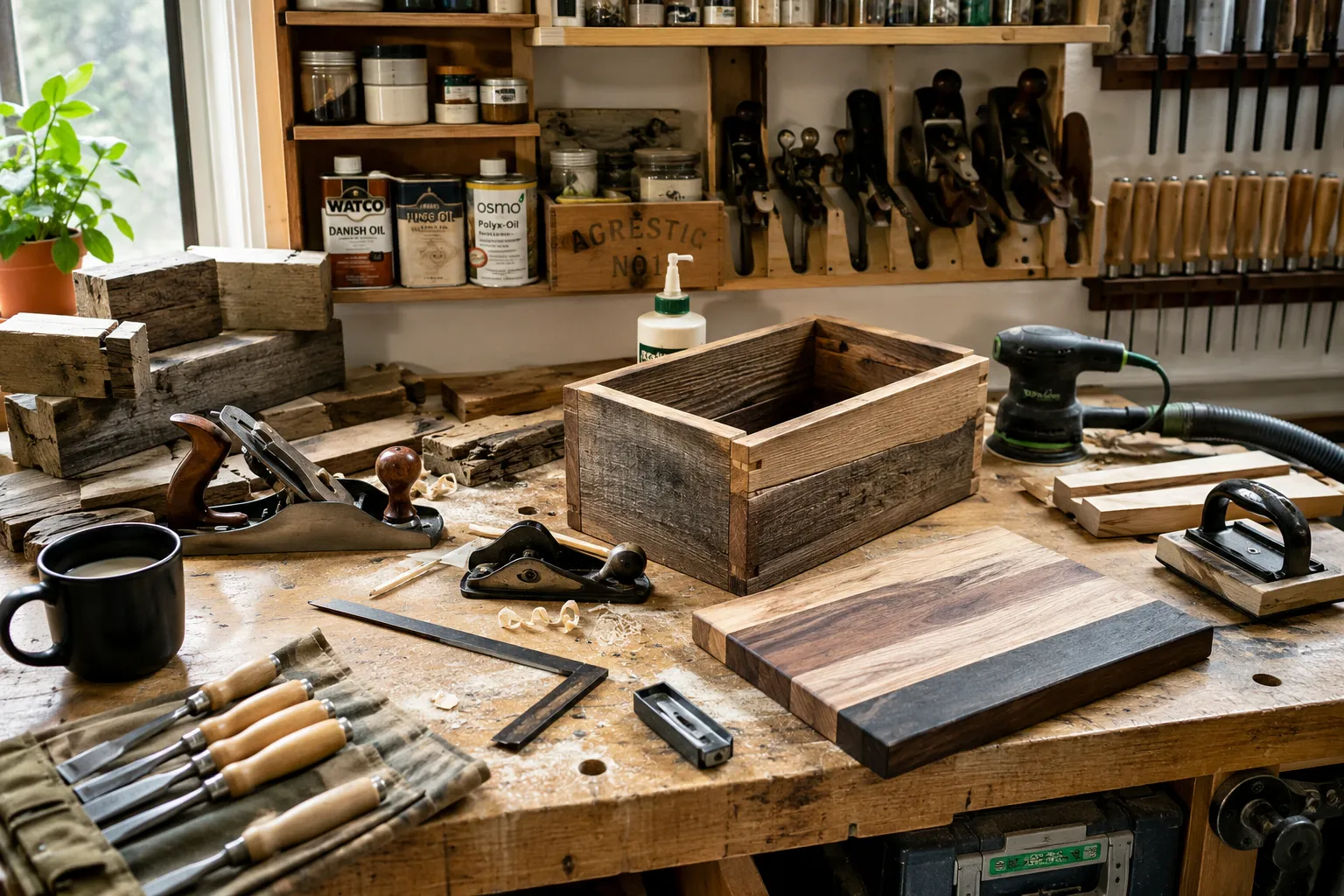
Finishing is where the true character of salvaged timber is revealed and protected. The goal is often to enhance the natural features rather than mask them.
- Oils and Waxes: These penetrate the wood, bringing out its natural color and grain while offering a protective, matte finish. DIY wood finishing with natural oils and waxes is an excellent choice for a tactile, natural feel.
- Varnishes and Polyurethanes: For more durable surfaces, especially for tabletops or high-traffic items, a clear varnish or polyurethane offers excellent protection while allowing the wood’s beauty to show through.
- Shellac: A traditional finish that offers a beautiful warm tone and is easily repairable.
- Stains: If a color change is desired, DIY wood stains and dyes can be used, but often the natural coloration of urban salvaged timber is its most appealing feature.
- Highlighting Texture: In 2026, finishing reclaimed wood focuses on polishes that highlight texture and story, allowing the unique history of the wood to remain visible.
Remember to test any finish on a scrap piece of the same wood before applying it to your final project. This ensures you achieve the desired look and adhesion.
Conclusion
Embracing hyper-local and urban salvaged timber projects for DIY makers is a rewarding endeavor that intertwines sustainability, creativity, and a deep connection to local resources. By choosing to work with wood that has been given a second life, makers contribute positively to the environment while crafting pieces imbued with unique character and history. From the initial search for logs with local arborists to the final sanding and finishing, each step in the process is an opportunity to learn, innovate, and create something truly special. As the demand for sustainable and locally sourced materials continues to grow in 2026, the potential for urban salvaged timber woodworking is boundless.
Start small, perhaps with a decorative tray or a set of coasters, to familiarize yourself with the material. Network with local sawyers and join woodworking communities to share knowledge and resources. Most importantly, approach each piece of salvaged timber with an open mind, allowing its inherent imperfections and narrative to guide your design. The journey from discarded urban tree to cherished handmade heirloom is a testament to the power of thoughtful craftsmanship and sustainable living.
References
- Hokanson, S. (2018). The Urban Wood Handbook: A Guide for Woodworkers, Businesses, and Municipalities. University of Minnesota Extension.
SEO Meta Title: Hyper-Local & Urban Salvaged Timber Projects for DIY Makers
SEO Meta Description: Discover hyper-local & urban salvaged timber projects for DIY makers. Learn to source, prepare, and craft unique, sustainable furniture & decor from reclaimed wood in 2026.