
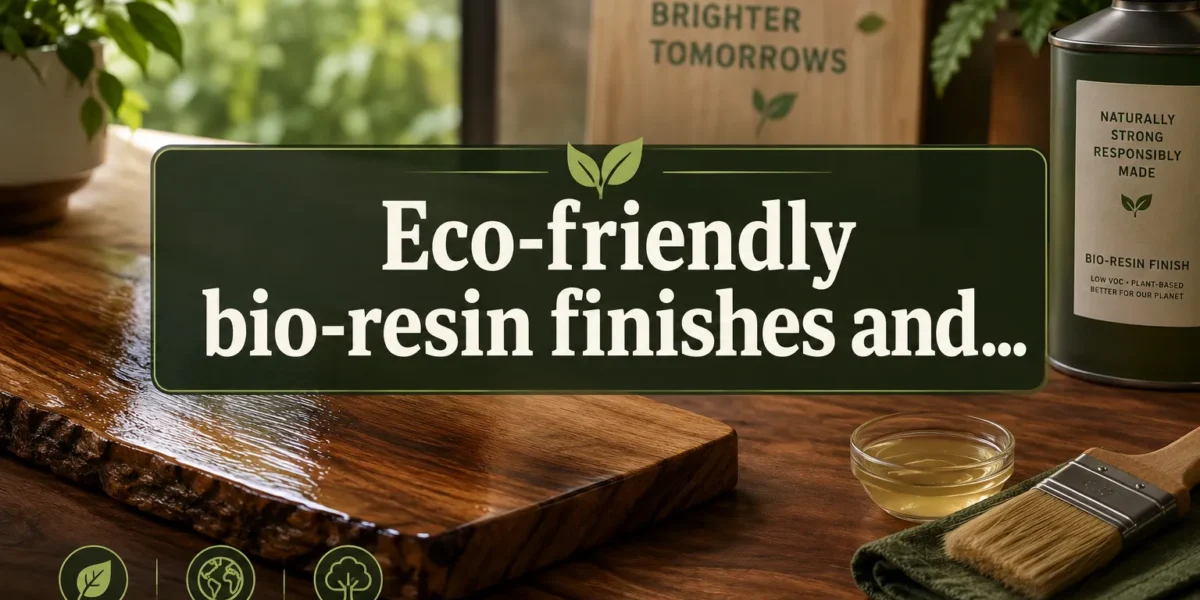
Certified soy- and pine-based bio-resins and climate-conscious finishes are trending as woodworkers look for greener alternatives to traditional topcoats and adhesives[1]. The global push towards sustainability has profoundly impacted every industry, and woodworking is no exception. As environmental awareness grows, consumers and craftspeople alike are seeking out healthier, more sustainable methods for creating and finishing wood products. This shift has given rise to innovative solutions such as eco-friendly bio-resin finishes and low-VOC wood finishing techniques, offering a compelling alternative to conventional, often chemical-laden, options. These modern approaches prioritize both the longevity and beauty of wood and the well-being of the planet and its inhabitants.
Traditional wood finishes, while effective, frequently contain volatile organic compounds (VOCs). These chemicals evaporate into the air during and after application, contributing to poor indoor air quality, smog, and various health issues, including respiratory problems and headaches. Bio-resins and low-VOC (Volatile Organic Compound) finishes provide a stark contrast, leveraging natural, renewable resources and significantly reducing or eliminating harmful emissions. For woodworkers in 2026, embracing these advanced finishing methods is not just about environmental responsibility; it’s about delivering superior, safer, and more marketable products.
Key Takeaways
- Eco-friendly bio-resin and low-VOC finishes significantly reduce harmful chemical emissions compared to traditional options.
- Bio-resins are derived from natural sources like soy, pine, and other plant materials, offering sustainable alternatives.
- Low-VOC wood finishing techniques improve indoor air quality and worker safety.
- These advanced finishes do not compromise on durability, aesthetics, or protection for wood projects.
- Adopting sustainable finishing practices can enhance a woodworker’s brand and appeal to eco-conscious consumers.
The Environmental Imperative for Eco-friendly Bio-Resin Finishes and Low-VOC Wood Finishing Techniques
The environmental and health impacts of traditional wood finishes are substantial. Many conventional varnishes, lacquers, and sealants contain high levels of VOCs, petrochemicals, and heavy metals. When these products are applied, the VOCs off-gas into the atmosphere, both during the application process and for an extended period afterward. This off-gassing contributes to ground-level ozone formation, a key component of smog, and can exacerbate respiratory conditions like asthma. Indoors, high VOC concentrations can lead to “sick building syndrome,” causing symptoms such as headaches, dizziness, and irritation of the eyes, nose, and throat.
For woodworkers, exposure to these chemicals during application without proper ventilation can pose serious occupational health risks. Beyond the immediate health concerns, the production and disposal of petroleum-based finishes contribute to resource depletion and environmental pollution. The shift towards eco-friendly bio-resin finishes and low-VOC wood finishing techniques is a direct response to these challenges, aiming to mitigate adverse effects while still providing robust and beautiful protection for wood.
This new generation of finishes offers several benefits:
- Reduced Air Pollution: By minimizing or eliminating VOCs, these finishes help maintain healthier indoor and outdoor air quality.
- Renewable Resources: Bio-resins are derived from plant-based materials, reducing reliance on finite fossil fuels.
- Improved Health and Safety: Lower chemical exposure protects woodworkers and consumers alike.
- Sustainable Lifecycle: From production to disposal, these products often have a smaller environmental footprint.
The industry has seen significant advancements, making these eco-friendly options not only viable but often superior in performance to their conventional counterparts. As woodworkers look to the future, understanding and implementing these techniques becomes increasingly vital. For those also exploring natural wood finishing without chemicals, bio-resins and low-VOC options represent a crucial next step in sustainable craftsmanship.
What are Bio-Resin Finishes?
Bio-resins are a category of resins derived wholly or in part from biomass (plants or animals) rather than petroleum. Common sources include soy, pine, corn, and even algae. These natural feedstocks are processed to create polymers that can mimic the properties of traditional synthetic resins. When used in wood finishes, bio-resins provide a durable, protective layer that enhances the wood’s natural beauty without the environmental burden of petrochemicals.
Types of Bio-Resins in Wood Finishing:
- Soy-Based Resins: Derived from soybean oil, these resins are increasingly popular for their renewability and low toxicity. They can be formulated into various finishes, including sealers, stains, and topcoats, offering good penetration and flexible coatings.
- Pine-Based Resins: Often derived from pine tree sap or byproducts of the paper industry, these resins (like rosin esters) provide excellent adhesion, hardness, and water resistance. They are commonly found in natural varnishes and sealants.
- Cashew Nut Shell Liquid (CNSL) Resins: A byproduct of the cashew industry, CNSL-based resins offer exceptional chemical resistance, flexibility, and anti-corrosive properties, making them suitable for demanding applications.
- Lignin-Based Resins: Lignin, a complex polymer found in plant cell walls, is another abundant natural resource being explored for bio-resin production, offering structural integrity and UV resistance.
These bio-resins are often combined with other natural ingredients and low-VOC solvents to create finishes that meet stringent environmental standards while performing exceptionally well.
Understanding Low-VOC Wood Finishing Techniques
Low-VOC refers to finishes that contain significantly reduced levels of volatile organic compounds. While “zero-VOC” technically means less than 5 grams per liter (g/L), “low-VOC” typically refers to products with less than 250 g/L for clear finishes and less than 100 g/L for stains, depending on regulatory standards. The goal is to minimize the emission of these harmful chemicals into the air.
Key Low-VOC Categories:
- Water-Based Finishes: These finishes use water as their primary solvent, drastically reducing VOC content compared to solvent-based alternatives. Modern water-based polyurethanes, acrylics, and lacquers offer excellent durability, clarity, and ease of cleanup. They dry quickly and emit minimal odor.
- Oil-Based Finishes (Modified): While traditional oil-based finishes can be high in VOCs, manufacturers have developed formulations that use plant-derived oils (like tung oil, linseed oil) and natural resins with low-VOC solvents or even solvent-free versions. These finishes penetrate deep into the wood, offering rich color and protection. Learn more about mastering wood finishing with oil-based products.
- Hardwax Oils: A blend of natural oils (linseed, tung, sunflower, thistle) and waxes (carnauba, candelilla), hardwax oils penetrate the wood fibers while leaving a breathable, durable, and repairable surface finish. They are typically very low in VOCs and offer a natural, tactile feel.
- Milk Paints and Chalk Paints: These historic finishes are naturally low in VOCs and can be made from milk protein (casein), lime, and natural pigments. They offer a distinct matte or distressed look and are increasingly popular for decorative projects.
- Shellac: A natural resin secreted by the lac bug, shellac is dissolved in denatured alcohol. While the alcohol itself is volatile, it evaporates quickly, leaving a non-toxic, food-safe finish. Shellac is a versatile sealer and topcoat, though not as water-resistant as some synthetic options.
Practical Applications and Benefits of Eco-friendly Bio-Resin Finishes and Low-VOC Wood Finishing Techniques
Integrating eco-friendly bio-resin finishes and low-VOC wood finishing techniques into your woodworking workflow offers tangible benefits beyond environmental stewardship. These advantages span performance, safety, and market appeal, making them a smart choice for professionals and hobbyists in 2026.
Performance and Durability
There’s a common misconception that eco-friendly finishes compromise on durability. However, advancements in material science have led to bio-resins and low-VOC products that rival or even exceed the performance of traditional finishes.
- Durability: Modern water-based polyurethanes and hardwax oils, for instance, offer excellent abrasion and scratch resistance, making them suitable for high-traffic surfaces like flooring and tabletops. Bio-resin epoxies can provide exceptional strength and chemical resistance.
- Water and Chemical Resistance: Many low-VOC and bio-resin finishes are formulated to withstand spills and common household chemicals, crucial for items like wooden serving trays or custom wooden coasters and trivets.
- UV Protection: Some eco-friendly formulations include UV inhibitors to prevent wood discoloration and degradation when exposed to sunlight, preserving the wood’s aesthetic over time.
- Flexibility and Repairability: Finishes like hardwax oils penetrate rather than form a rigid surface film, allowing the wood to breathe and making localized repairs simpler without needing to refinish an entire piece.
Health and Safety Advantages
The most immediate benefit for woodworkers is a safer working environment. Reduced VOCs mean less respiratory irritation, fewer headaches, and a lower risk of long-term health complications associated with chemical exposure.
Consider the following safety enhancements:
- Improved Air Quality: Significantly lower off-gassing ensures better air quality in the workshop and in the client’s home or office. This is particularly important for projects intended for indoor use, such as crafting custom wooden planters for indoor edible gardens.
- Reduced Flammability: Many water-based and natural oil finishes are non-flammable or have much higher flashpoints than solvent-based products, reducing fire hazards in the workshop.
- Easier Cleanup: Water-based finishes often clean up with just soap and water, eliminating the need for harsh chemical solvents.
- Food Safety: Certain bio-resin and natural oil finishes are certified food-safe once cured, making them ideal for items like cutting boards, bowls, and children’s toys.
Aesthetic Appeal and Versatility
Eco-friendly finishes don’t limit aesthetic choices; they expand them. They are available in a wide range of sheens, from ultra-matte to high-gloss, and can enhance the natural grain and color of wood beautifully.
- Natural Look and Feel: Hardwax oils and natural penetrating oils offer a very natural, tactile finish that accentuates the wood grain and provides a subtle, warm luster.
- Clarity: Modern water-based clear coats are formulated to be non-yellowing, maintaining the true color of the wood, especially lighter species.
- Color Depth: Many eco-friendly stains and dyes, derived from natural pigments, can achieve deep, rich colors while allowing the wood grain to show through.
- Compatibility: Bio-resins can be formulated to work with various wood species and applications, from intricate marquetry and inlay to large furniture pieces.
Choosing and Applying Eco-friendly Bio-Resin Finishes and Low-VOC Wood Finishing Techniques
Selecting the right eco-friendly finish involves understanding your project’s needs, the type of wood, and the desired aesthetic. Application techniques are generally similar to traditional finishes, but some nuances can optimize results.
Selection Criteria
When choosing eco-friendly bio-resin finishes and low-VOC wood finishing techniques, consider these factors:
- Project Type: For high-wear surfaces (floors, countertops), look for durable water-based polyurethanes or hardwax oils. For decorative pieces or items where a natural feel is paramount, consider natural oils or waxes.
- Wood Species: The porosity and natural oils in different wood species can affect how a finish adheres and performs. Always test a small, inconspicuous area first.
- Desired Aesthetic: Do you want a high-gloss, satin, or matte finish? Do you want to enhance the natural color or add a stain?
- Drying Time: Water-based finishes typically dry faster than oil-based ones, which can be a significant factor for project timelines.
- VOC Content: Check product labels for VOC levels. Look for certifications like GREENGUARD or third-party verifications of low VOC content.
- Ingredient Transparency: Reputable brands will clearly list their ingredients, especially for bio-resin components.
Application Techniques
Applying eco-friendly finishes often mirrors conventional methods, but paying attention to manufacturer guidelines is crucial for optimal results.
- Preparation is Key: As with any finish, proper wood preparation is paramount. Ensure the wood is sanded smoothly, dust-free, and clean. For a flawless finish, careful sanding, perhaps even with an orbital sander, is essential.
- Ventilation: While low-VOC finishes emit fewer harmful fumes, good ventilation is still recommended, especially in a workshop setting. Open windows, use fans, or implement a proper workshop dust collection system.
- Application Tools: Brushes, rollers, rags, or sprayers can be used. For water-based finishes, synthetic brushes are often preferred as natural bristles can swell. For oils and hardwaxes, a lint-free cloth or specific applicator pads work well.
- Thin Coats: Apply multiple thin coats rather than one thick coat. This ensures better adhesion, faster drying, and a more durable finish. Light sanding between coats with fine-grit sandpaper (e.g., 220-grit) can improve smoothness and adhesion.
- Curing Time: Pay attention to the full curing time, not just the dry-to-touch time. While a finish might be dry to the touch in hours, it can take days or even weeks to fully cure and reach maximum hardness and durability. Avoid heavy use during the curing period.
- Disposal: Dispose of rags and containers according to local regulations. For oil-soaked rags, lay them flat to dry completely before disposal to prevent spontaneous combustion.
Case Study: A Bio-Resin Tabletop
A custom furniture maker recently designed a live-edge coffee table using locally sourced oak. Instead of a traditional epoxy resin river, they opted for a soy-based bio-resin for the river inlay, providing a clearer, less toxic alternative. For the tabletop finish, a low-VOC, water-based polyurethane was chosen for its durability and resistance to everyday spills. The result was a stunning, modern piece with an exceptional finish that garnered praise for its beauty and sustainable construction. The artisan noted significantly less odor during the finishing process, improving the workshop environment. This project exemplifies how live-edge design principles can be combined with modern, eco-friendly finishing for outstanding results.
Conclusion
The evolution of wood finishing is unequivocally moving towards more sustainable, healthier practices. Eco-friendly bio-resin finishes and low-VOC wood finishing techniques represent a significant leap forward, offering compelling alternatives to traditional chemical-heavy options. They provide exceptional durability, enhance natural wood beauty, and, most importantly, protect the health of woodworkers and the planet. For anyone working with wood in 2026, embracing these innovative solutions is not merely a trend; it’s a commitment to responsible craftsmanship and a healthier future.
By understanding the types of bio-resins available, recognizing the benefits of low-VOC formulations, and mastering their application, woodworkers can create stunning, long-lasting pieces that resonate with an increasingly eco-conscious market. The choice to go green in finishing is a powerful one, signaling dedication to quality, safety, and environmental stewardship, distinguishing your work in a competitive landscape.
References
- Grand View Research. (2024). Bio-based Resins Market Size, Share & Trends Analysis Report. Retrieved from https://www.grandviewresearch.com/industry-analysis/bio-based-resins-market
SEO Meta Title: Eco-Friendly Bio-Resin Finishes & Low-VOC Wood Finishing SEO Meta Description: Explore eco-friendly bio-resin finishes and low-VOC wood finishing techniques for healthier, sustainable projects in 2026. Reduce emissions and enhance wood beauty.