
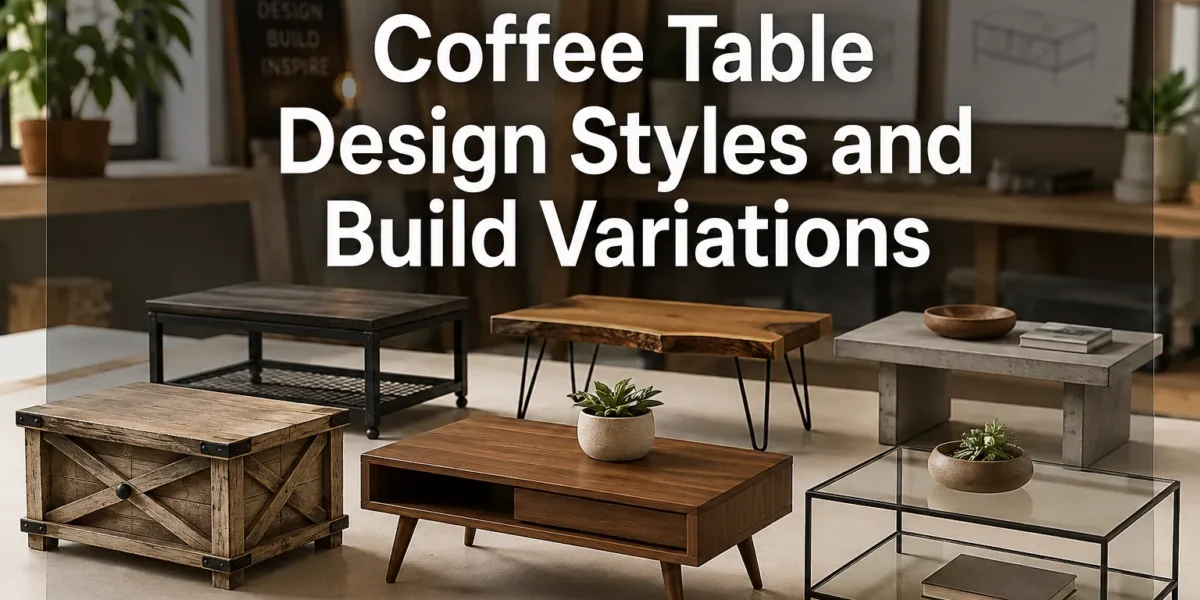
The unassuming coffee table, often viewed merely as a surface for beverages and books, is in reality a pivotal design element that anchors a living space. It’s a statement piece, a functional workhorse, and a reflection of the homeowner’s aesthetic sensibilities. Understanding the diverse “Coffee Table Design Styles and Build Variations: Farmhouse, Mid-Century, Industrial, and Minimalist” is crucial, whether you’re a seasoned woodworker planning a new project or a homeowner seeking the perfect centerpiece for your living room in 2026. This guide will delve into the distinct characteristics, typical materials, and construction techniques associated with these popular styles, empowering you to choose or create a coffee table that truly elevates your home.
Key Takeaways
- Style Defines Function and Form: Each coffee table design style, Farmhouse, Mid-Century, Industrial, and Minimalist, carries a unique aesthetic that dictates its materials, construction, and overall presence in a room.
- Materiality Matters: From reclaimed wood and rough iron in Farmhouse and Industrial designs to polished hardwoods and sleek metals in Mid-Century and Minimalist tables, material choices are central to defining a style.
- Construction Reflects Style: Joinery, leg design, and surface finishes are not arbitrary; they are integral to expressing the chosen design language, whether it’s rustic strength or refined simplicity.
- Versatility Through Variation: Within each style, there are numerous build variations, allowing for customization to fit specific space requirements, personal preferences, and skill levels for DIY builders.
- Planning is Paramount: Before embarking on a coffee table project, thoroughly researching the chosen style’s characteristics, considering the intended use, and assessing your woodworking skills are essential for a successful outcome.
Unpacking Coffee Table Design Styles and Build Variations: Farmhouse and Mid-Century Modern
Choosing a coffee table isn’t just about finding a flat surface; it’s about selecting a piece that resonates with your home’s narrative. The Farmhouse and Mid-Century Modern styles represent two ends of the aesthetic spectrum, each offering distinct visual appeal and construction challenges.
The Enduring Charm of Farmhouse Coffee Tables
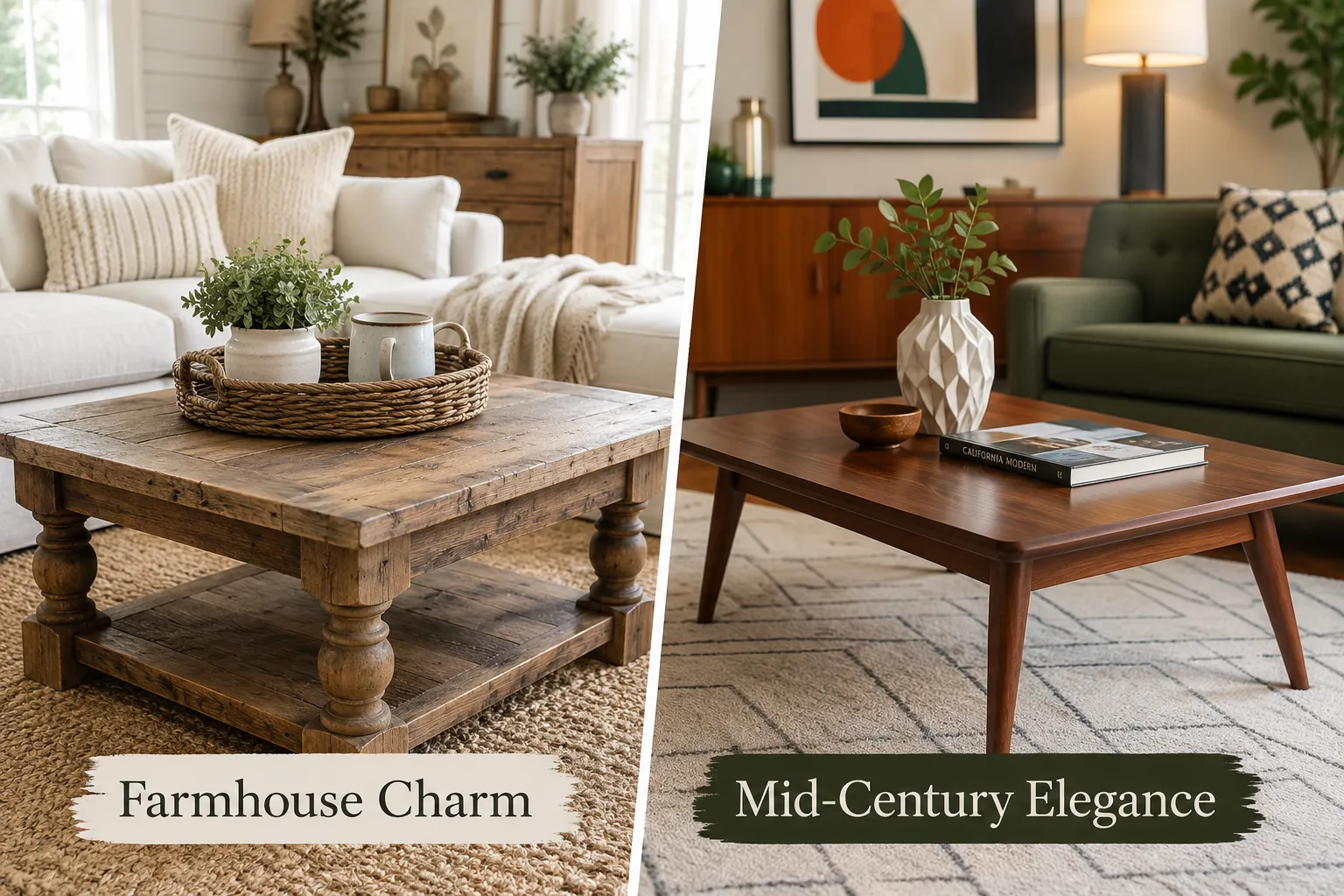
Farmhouse style evokes warmth, comfort, and a connection to rustic heritage. A farmhouse coffee table is typically characterized by its robust construction, natural materials, and often, a distressed or aged finish.
Core Characteristics:
- Materials: Predominantly solid wood, often pine, oak, or reclaimed barn wood. These woods are chosen for their visible grain, knots, and imperfections, which add to the table’s character.
- Construction: Sturdy, often chunky components. Common build variations include thick slab tops, turned legs, trestle bases, or even repurposing antique components like wagon wheels or old doors. Joinery tends to be simple but strong, such as mortise and tenon or robust dowel joints, often with visible hardware like lag screws or carriage bolts, which become part of the aesthetic.
- Finishes: White, natural wood, or distressed paint finishes are popular. The goal is to make the table look lived-in and loved, often through sanding, dry-brushing, or applying a wash. For durability, a good sealant or wax is often applied.
- Aesthetics: A blend of rustic elegance and practical functionality. Farmhouse tables often feature lower shelves for storage, providing a convenient spot for blankets or magazines.
Build Variations:
- Trestle Base: A popular option featuring two vertical supports connected by a horizontal stretcher. This design offers excellent stability and a classic farmhouse look.
- Turned Legs: Legs with decorative profiles, often created on a lathe, adding a touch of traditional craftsmanship.
- Slab Top: A single, thick piece of wood for the top, showcasing the natural beauty and imperfections of the timber. For those interested in building your first router table or DIY router table builds, a router can be invaluable for creating chamfers or decorative edges on these thick tops.
- Coffee Table with Storage: Incorporating drawers or a lift-top mechanism to enhance functionality.
Considerations for Builders: While the aesthetic is simple, working with large, often rough-sawn lumber requires accurate cuts and strong joinery. Finishing techniques are forgiving, allowing for some imperfections that enhance the rustic appeal. You can find many DIY coffee table plans that lean into the farmhouse aesthetic.
The Timeless Allure of Mid-Century Modern Coffee Tables
Emerging in the mid-20th century, this style emphasizes clean lines, organic shapes, and a blend of functionality and artistic expression.
Core Characteristics:
- Materials: A mix of natural woods (walnut, teak, oak), often with rich, warm tones, combined with elements like glass, metal (especially brass or chrome), and sometimes even plastics.
- Construction: Characterized by tapered legs, often angled outwards, creating a sense of lightness and elegance. Smooth, uninterrupted surfaces are key. Joinery is typically refined and precise, designed to be visually discreet, showcasing the quality of craftsmanship rather than overt ruggedness. Introduction to Shaker furniture joinery principles, though distinct, share a similar emphasis on clean, strong, and visually understated joints.
- Finishes: Smooth, polished finishes that highlight the natural beauty of the wood grain. Varnishes, lacquers, or oil finishes are common.
- Aesthetics: A balance of form and function, often featuring subtle curves, geometric shapes, and an uncluttered appearance. The design feels sophisticated yet approachable.
Build Variations:
- Sleek Rectangular or Oval Tops: Often in wood or sometimes with an inset glass panel.
- Tapered and Angled Legs: The hallmark of the style, giving tables a floating, dynamic look. These can be straightforward to cut with a good table saw.
- Tiered Designs: Multiple levels providing additional surface area and visual interest.
- Hairpin Legs: Metal legs, typically made from bent steel rods, offering a lighter, industrial-adjacent twist while maintaining the sleekness.
Considerations for Builders: Precision is paramount in Mid-Century Modern design. Achieving smooth surfaces, precise angles for tapered legs, and seamless joinery requires careful attention to detail and good finishing skills. The use of different materials, like glass inserts, adds another layer of complexity.
Exploring Industrial and Minimalist Coffee Table Design Styles and Build Variations
Beyond the rustic and the retro, the Industrial and Minimalist coffee table design styles offer compelling alternatives, each with its own philosophy and unique aesthetic. These styles speak to modern sensibilities, prioritizing function, raw beauty, and often, less-is-more principles.
The Robust Edge of Industrial Coffee Tables
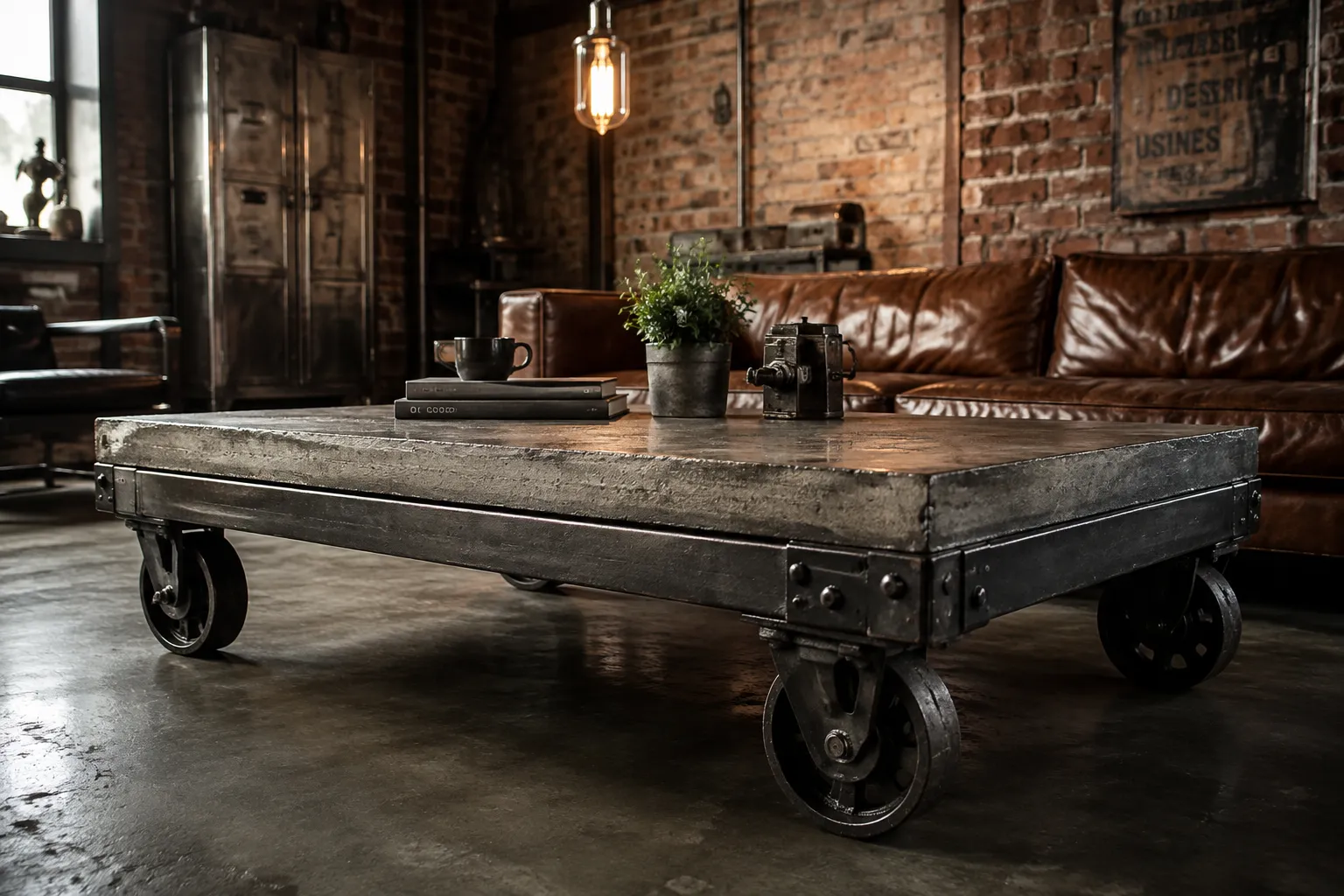
Industrial design celebrates the raw, unrefined beauty of factory and workshop environments. An industrial coffee table typically features robust materials, exposed hardware, and a utilitarian aesthetic.
Core Characteristics:
- Materials: Heavy-duty metals (steel, iron, cast iron) are fundamental, often in conjunction with distressed wood (reclaimed lumber, rough-sawn planks), concrete, or even thick glass. The materials often show their original character, welds, bolts, rivets, and natural wood imperfections are celebrated.
- Construction: Built for strength and durability. Frames are commonly welded metal, often square or rectangular tubing, supporting substantial tops. Exposed fasteners, such as heavy-duty bolts, oversized screws, or metal strapping, are part of the design. Functional elements like caster wheels are often integrated, adding to the mobile, workshop-inspired feel. For those working with metal, or building a portable woodworking assembly table that might feature industrial elements, understanding robust construction is key.
- Finishes: Metals often have a raw, oxidized, or dark powder-coated finish. Wood elements might be stained dark, left natural, or minimally treated to retain their original texture. The look is often matte, gritty, and intentionally aged.
- Aesthetics: Bold, masculine, and often dramatic. Industrial tables command attention through their solid presence and honest materials. They fit well in loft apartments, modern urban homes, or spaces with exposed brick and concrete.
Build Variations:
- Metal Frame with Wood Top: A common combination, where a welded steel frame supports a thick wooden slab.
- Pipe and Flange Design: Utilizing galvanized or black iron pipes and fittings for legs and bases, offering a DIY-friendly approach.
- Concrete Top: A heavy, durable, and distinctly modern industrial option. Concrete tops can be poured into molds, often reinforced with mesh.
- Crank Lift Tables: Inspired by old factory machinery, these tables feature a crank mechanism to adjust height, adding a unique interactive element.
- Rolling Tables: Equipped with heavy-duty casters, making the table easily movable, emphasizing its utility.
Considerations for Builders: Working with metal requires specialized tools (welder, metal cutter, grinder) and skills, though pipe and flange designs are more accessible. Wood elements should be robust enough to match the metal’s heft. Safety when working with heavy materials is paramount. If you’re tackling larger projects, knowing about efficient small workshop layouts for 2026 can be beneficial for managing space and tools.
The Refined Simplicity of Minimalist Coffee Tables
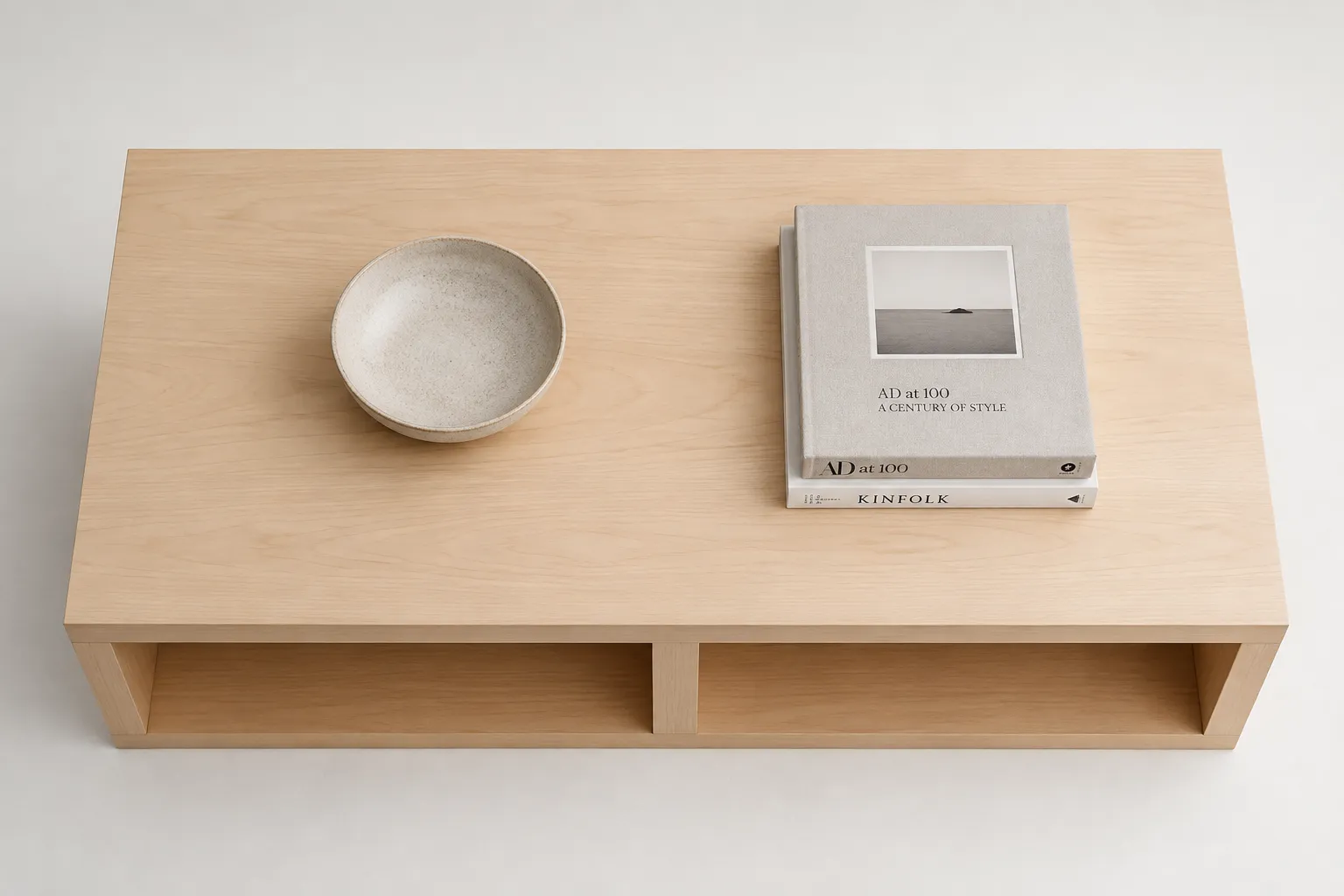
Minimalist design is about stripping away the superfluous to highlight essential form and function. A minimalist coffee table is characterized by clean lines, geometric precision, and an absence of ornamentation.
Core Characteristics:
- Materials: High-quality, often monochromatic materials such as light-colored woods (ash, maple, birch), glass, polished concrete, or sleek metals (stainless steel, matte black steel). The focus is on the inherent beauty and texture of the material itself.
- Construction: Emphasizes seamlessness and precision. Joinery is hidden or integrated so subtly it becomes part of the clean lines. Tables often appear to float or are constructed from single, continuous planes of material. Absence of visible hardware is common.
- Finishes: Smooth, often matte or semi-gloss finishes that enhance the material’s natural look without distraction. Colors are typically neutral: white, black, gray, or natural wood tones.
- Aesthetics: Calm, uncluttered, and sophisticated. Minimalist tables contribute to an airy, spacious feel, allowing other carefully chosen elements in the room to stand out. They embody quiet elegance and thoughtful design.
Build Variations:
- Simple Box or Cube Forms: Straightforward, geometric shapes that are highly functional.
- Floating Tops: Designs where the tabletop appears to hover above the base, often achieved with recessed bases or cleverly designed supports.
- Cantilevered Designs: Tops that extend beyond their support, creating a visually dramatic and lightweight effect.
- Integrated Storage: While minimal, some designs might include subtle, seamless drawers or hidden compartments.
- Multi-functional Shapes: Tables that can be reconfigured or nested, offering versatility in a compact form.
Considerations for Builders: Achieving a truly minimalist look demands extreme precision in cuts, joins, and finishing. Imperfections are highly visible. Selecting high-quality materials and mastering techniques for invisible joinery and flawless finishes are crucial. Woodworkers focusing on projects like handcrafted coffee tables designs that sell from farmhouse to modern should note that while seemingly simple, minimalist designs require advanced skill to execute cleanly.
Choosing Your Coffee Table Design and Build Journey in 2026
Selecting the right coffee table design style and build variations for your home or next woodworking project in 2026 involves more than just aesthetic preference. It requires a thoughtful consideration of your space, lifestyle, existing decor, and, for builders, your skill level and available tools. Each style, Farmhouse, Mid-Century, Industrial, and Minimalist, offers a unique set of challenges and rewards.
Matching Style to Space and Lifestyle
Farmhouse: Ideal for homes seeking warmth, comfort, and a touch of rustic charm. If your living room features natural textures, soft textiles, and a generally cozy atmosphere, a farmhouse coffee table will integrate beautifully. Its sturdy nature is often child and pet-friendly, making it a practical choice for busy households. The build variations often include ample storage, which is a bonus for family living.
Mid-Century Modern: Perfect for those who appreciate timeless elegance, clean lines, and a hint of retro sophistication. This style thrives in spaces with curated furnishings, thoughtful lighting, and a balance of natural materials and geometric forms. Its refined aesthetic may be less forgiving of heavy use, suggesting it might be better suited for more adult-oriented spaces or those where a sculptural quality is prioritized.
Industrial: Best for urban lofts, contemporary homes, or spaces desiring a bold, edgy statement. If your decor includes exposed elements like brick, concrete, or metal accents, an industrial coffee table will feel right at home. Its robust construction makes it exceptionally durable and forgiving of wear and tear, fitting seamlessly into active, modern lifestyles.
Minimalist: Suited for spaces that value serenity, order, and uncluttered beauty. If your home embraces a pared-down aesthetic, neutral palettes, and an emphasis on essential forms, a minimalist coffee table will enhance the sense of calm and spaciousness. While visually simple, its execution demands high-quality materials and precise craftsmanship, making it a statement through its understated perfection.
Build Variations and Skill Level
For aspiring woodworkers, understanding the build variations within each style is critical for selecting a project that matches your current capabilities.
- Beginner-Friendly: Simple Farmhouse designs, such as a basic rectangular table with a plank top and straight legs using butt joints reinforced with screws, or a simple box-form Minimalist table from pre-cut panels. Building a portable miter saw stand with integrated storage can help ensure precise cuts for any project.
- Intermediate Projects: Farmhouse tables with turned legs or trestle bases requiring more complex joinery like mortise and tenon. Mid-Century designs with tapered legs and more precise joinery, or Industrial tables using pipe and flange construction which might involve threading pipes. This level might involve more tools, such as a bandsaw for creative cuts and techniques beyond resawing.
- Advanced Builds: Complex Mid-Century designs involving curved elements or intricate joinery, Industrial tables requiring metal welding or custom concrete casting, or minimalist tables demanding flawless hidden joinery and perfect surface finishes. These projects often benefit from integrating smart storage and organization with bespoke wooden solutions to keep specialized tools at hand.
Regardless of your chosen style or skill level, careful planning is the cornerstone of any successful woodworking project. Measure your space, consider the table’s intended function, select your materials thoughtfully, and acquire the necessary tools. The journey of crafting a coffee table, from initial concept to final finish, is a rewarding one that culminates in a piece of furniture perfectly suited to your home and personal taste.
Conclusion
The coffee table, far from being a mere functional accessory, serves as a powerful expression of design intent, anchoring the living space with its form, materials, and character. We’ve explored “Coffee Table Design Styles and Build Variations: Farmhouse, Mid-Century, Industrial, and Minimalist,” dissecting their unique aesthetics, typical construction methods, and material palettes. From the rustic authenticity of farmhouse designs and the elegant curves of Mid-Century Modern to the robust utilitarianism of industrial pieces and the serene simplicity of minimalist tables, each style offers a distinct personality that can transform a room.
Whether you are embarking on a woodworking project or simply furnishing your home, understanding these distinct styles empowers you to make an informed decision. Consider your home’s existing decor, your lifestyle, and the functional needs of the table. For the DIY enthusiast, evaluating your skill level against the complexity of a build variation, from simple plank-top designs to intricate joinery or metal fabrication, is essential. The right coffee table is not just about utility; it’s about crafting a focal point that reflects your taste and enhances your living experience in 2026. Choose wisely, build thoughtfully, and enjoy the lasting impact of a well-designed piece.
SEO Meta Title: Coffee Table Styles: Farmhouse, Mid-Century, Industrial, Minimalist Designs SEO Meta Description: Explore coffee table design styles and build variations, from rustic Farmhouse to sleek Minimalist. Find the perfect style for your home in 2026.