
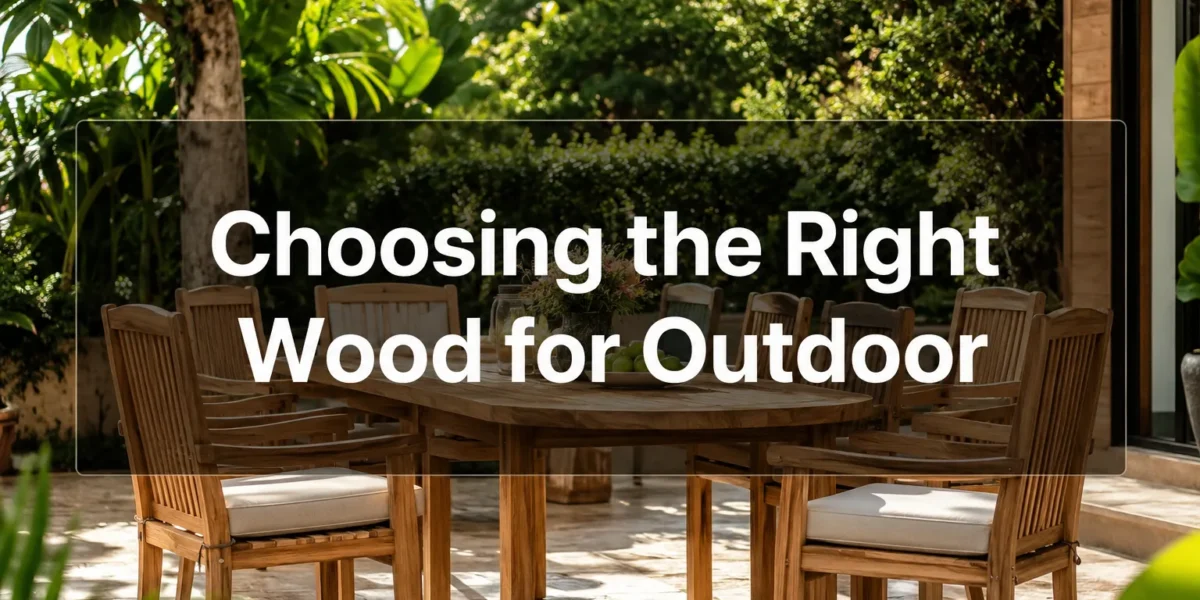
In 2026, investing in outdoor furniture means more than just selecting a style; it requires a thoughtful decision about the materials that will withstand the elements and maintain their aesthetic appeal for years. The right wood choice is paramount, affecting not only the longevity and maintenance requirements of your pieces but also their environmental footprint. This comprehensive guide delves into Choosing the Right Wood for Outdoor Furniture: Durability, Weather Resistance, and Sustainable Sourcing, ensuring your outdoor oasis remains beautiful and functional through every season.
Key Takeaways
- Durability and Weather Resistance are Crucial: Outdoor furniture faces constant exposure to sun, rain, and temperature fluctuations, making natural resistance to decay, insects, and moisture essential.
- Hardwoods Generally Outperform Softwoods: Teak, Ipe, and Eucalyptus are top contenders for longevity and low maintenance due to their inherent oil content and dense grain.
- Softwoods Offer Affordability and Workability: Cedar and Pressure-Treated Pine are budget-friendly options, but often require more maintenance or chemical treatments to enhance their outdoor performance.
- Sustainable Sourcing is a Priority: Look for certifications like FSC (Forest Stewardship Council) to ensure your wood choice supports responsible forest management and environmental protection.
- Maintenance Extends Lifespan: Regardless of wood type, proper care, including cleaning, sealing, and occasional refinishing, significantly prolongs the life and beauty of outdoor furniture.
Understanding Wood Durability and Weather Resistance for Outdoor Use
The primary challenge for outdoor furniture is enduring the harsh realities of weather. Rain, humidity, UV radiation from the sun, and fluctuating temperatures all contribute to wear and tear. Beyond that, wood must resist biological threats like rot, fungi, and insect infestations. When choosing the right wood for outdoor furniture: durability, weather resistance, and sustainable sourcing, understanding key properties is vital.
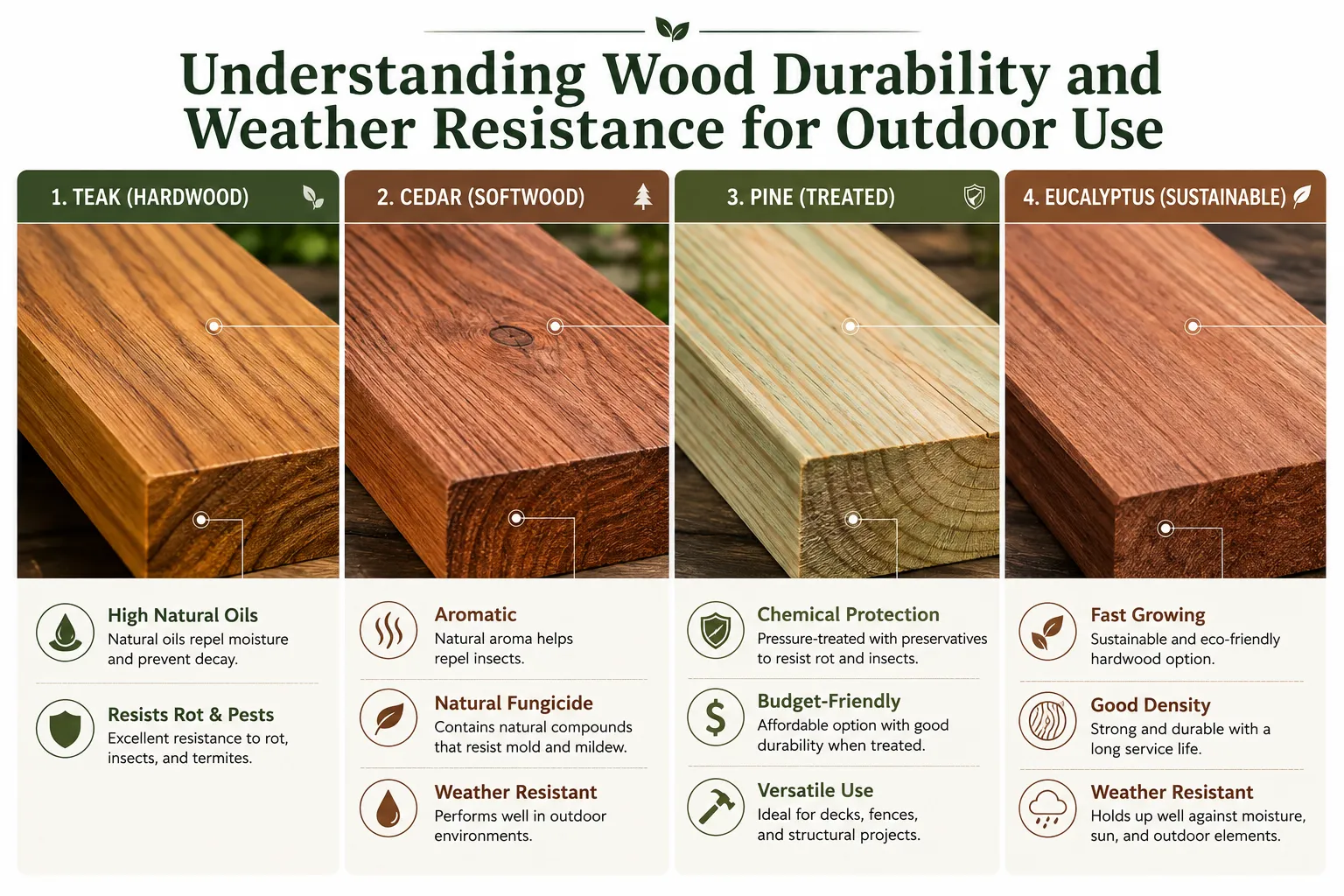
Durability refers to a wood’s inherent strength and resistance to mechanical wear, impact, and decay. For outdoor applications, this often translates to resistance against rot, fungal growth, and insect attack. Woods with a high density and natural oils typically exhibit superior durability.
Weather resistance specifically addresses how well a wood performs against environmental elements. This includes:
- Moisture Absorption: Woods that readily absorb water are prone to swelling, shrinking, warping, and cracking.
- UV Degradation: Sunlight’s ultraviolet rays can break down lignin in wood, leading to graying, surface erosion, and weakening of the fibers.
- Temperature Extremes: Rapid changes in temperature can cause wood to expand and contract, putting stress on joints and finishes.
Factors Contributing to Outdoor Wood Performance
Several characteristics dictate how well a wood will stand up to the elements:
- Natural Oils: Certain woods, particularly tropical hardwoods, produce natural oils that repel water and deter insects and fungi. These oils are often what give them their characteristic color and smooth feel.
- Density and Grain Structure: Denser woods with tighter grain patterns are generally less porous, meaning they absorb less moisture and are harder for pests to penetrate.
- Heartwood vs. Sapwood: Heartwood (the older, inner portion of a tree) is typically more durable and resistant to decay than sapwood (the younger, outer portion). This is due to the accumulation of extractives and tannins in the heartwood.
- Treatment: For woods that lack natural resistance, pressure treatment or sealing can significantly enhance their outdoor performance. Pressure treatment infuses chemicals into the wood to prevent rot and insect damage.
“The difference between a fleeting piece of outdoor decor and a cherished heirloom often lies in the initial wood selection and subsequent care.”
Understanding these core principles sets the stage for evaluating specific wood species.
Top Wood Species for Outdoor Furniture in 2026: A Detailed Look
With a clear understanding of durability and weather resistance, we can now examine the leading wood choices for outdoor furniture projects in 2026. Each species offers a unique balance of properties, aesthetics, and cost.
Hardwoods: The Champions of Outdoor Durability
Hardwoods are generally denser and more naturally durable, making them excellent choices for outdoor furniture.
Teak (Tectona grandis):
- Pros: Unrivaled durability and weather resistance due to high natural oil content. Extremely resistant to rot, insects, and moisture. Beautiful golden-brown color that ages to a silvery-gray patina if left untreated. Requires minimal maintenance.
- Cons: Expensive, and sourcing from unsustainable plantations remains a concern (look for FSC certified). Can be heavy.
- Best For: Premium, long-lasting furniture where cost is not the primary concern.
- Learn more about general wood species for beginner furniture makers.
Ipe (Handroanthus spp. or Tabebuia spp.):
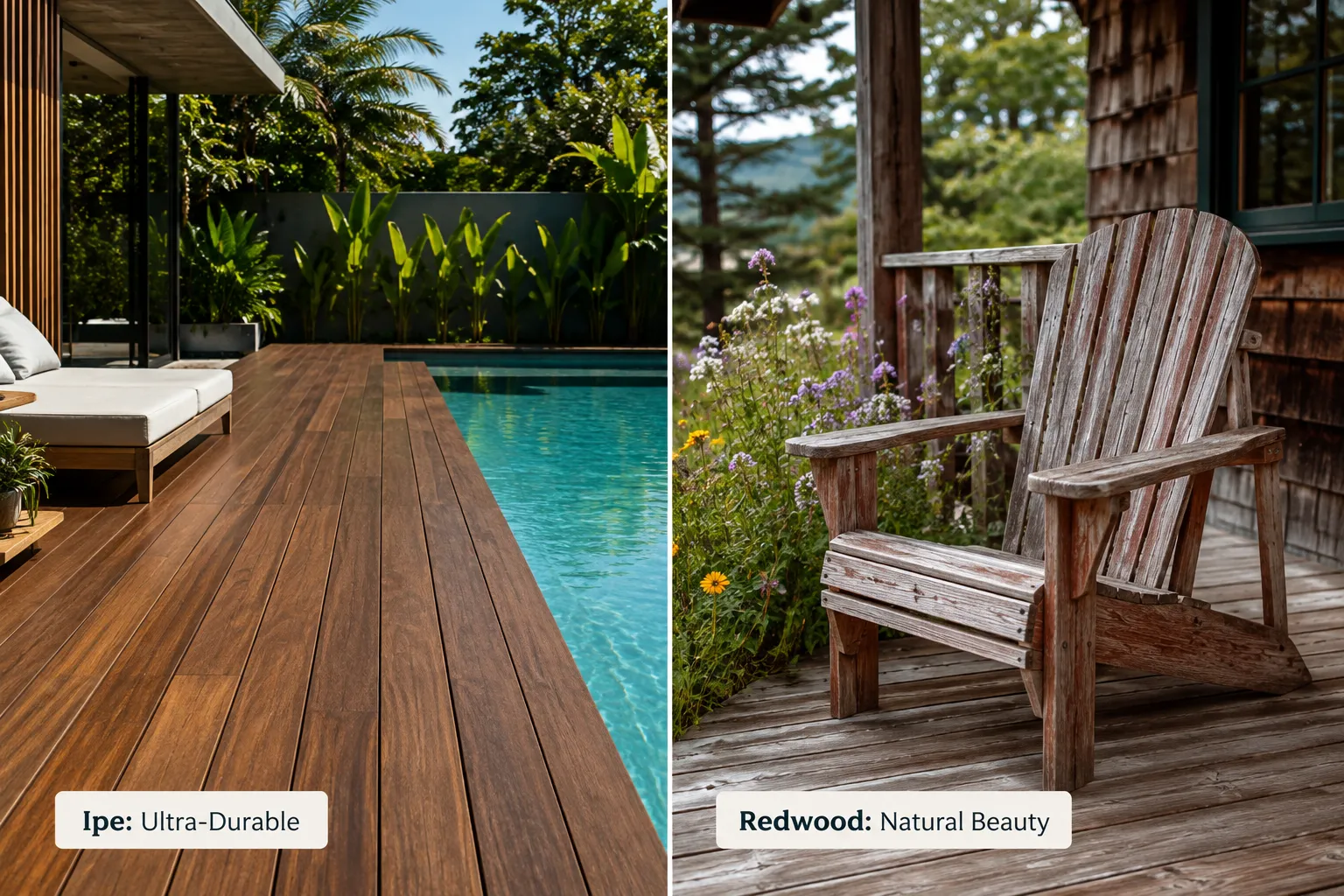
- Pros: Often called “ironwood” due to its incredible density and hardness. Exceptionally durable, resistant to rot, insects, and fire. Dark, rich brown color.
- Cons: Very heavy, difficult to work with (requires specialized tools), and expensive. Can splinter if not properly finished.
- Best For: High-end, extremely durable furniture, decking, and public installations.
Eucalyptus (Eucalyptus globulus, Eucalyptus grandis, etc.):
- Pros: A more sustainable and often more affordable alternative to teak. Offers good density and natural resistance to rot and insects. Attractive reddish-brown hue. Fast-growing, making it a more eco-friendly option.
- Cons: Can be prone to checking (small cracks) if not properly dried and finished. May require more frequent oiling than teak to maintain its color.
- Best For: Mid-range durable outdoor furniture, a good balance of cost, durability, and sustainability.
Acacia (Acacia mangium, Acacia auriculiformis):
- Pros: Fast-growing and relatively sustainable. Hardwood with good natural durability, often used as a more affordable teak alternative. Ranges from light to dark brown.
- Cons: Can be prone to shrinking and expanding with moisture changes, potentially leading to cracking if not well-seasoned and maintained.
- Best For: Budget-friendly hardwood outdoor furniture.
Softwoods: Affordable and Workable Options
Softwoods are typically more economical and easier to work with, though they may require more maintenance or treatment for outdoor use.
Cedar (Western Red Cedar, Eastern Red Cedar):
- Pros: Lightweight, naturally resistant to insects and rot due to aromatic oils. Beautiful reddish-brown color that grays gracefully. Easy to work with.
- Cons: Softer than hardwoods, making it more prone to dents and scratches. Can be more expensive than treated pine.
- Best For: Adirondack chairs, garden benches, and other pieces where natural resistance and ease of working are priorities. Consider building a budget-friendly pergola and outdoor sofa set with cedar.
Redwood (Sequoia sempervirens):
- Pros: Similar to cedar in its natural resistance to insects and decay. Known for its beautiful red color and straight grain. Lightweight and easy to work with.
- Cons: Can be expensive, especially clear-grade redwood. Older growth is not sustainable, so look for farmed or reclaimed sources.
- Best For: Premium outdoor furniture, decking, and structures where aesthetics and natural resistance are desired.
Pressure-Treated Pine (Southern Yellow Pine, Ponderosa Pine):
- Pros: Most affordable option. Chemicals infused under pressure make it highly resistant to rot and insects. Readily available.
- Cons: Chemicals (though safer than older arsenic-based treatments) are present, which may be a concern for some. Can warp, crack, and split if not properly dried and maintained. Less aesthetically pleasing than natural hardwoods without staining.
- Best For: Structural components, hidden frames, or furniture where budget and longevity are prioritized over natural beauty. When building, remember to choose the right wood glue for the conditions.
Douglas Fir (Pseudotsuga menziesii):
- Pros: Strong and relatively inexpensive. When treated or sealed well, it can perform adequately outdoors. Good for structural elements.
- Cons: Less naturally resistant to rot and insects than cedar or redwood. Requires consistent maintenance.
- Best For: Cost-effective outdoor projects, especially if well-protected and regularly maintained.
Choosing the right wood for outdoor furniture in 2026 involves weighing these pros and cons against your budget, aesthetic preferences, and maintenance commitment.
Sustainable Sourcing and Eco-Friendly Wood Choices
Beyond durability and aesthetics, the environmental impact of your wood choice is a critical consideration in 2026. Sustainable sourcing ensures that timber is harvested responsibly, protecting forests, biodiversity, and local communities. Choosing the right wood for outdoor furniture: durability, weather resistance, and sustainable sourcing means looking beyond the immediate cost and considering the long-term ecological footprint.
Understanding Sustainable Certifications
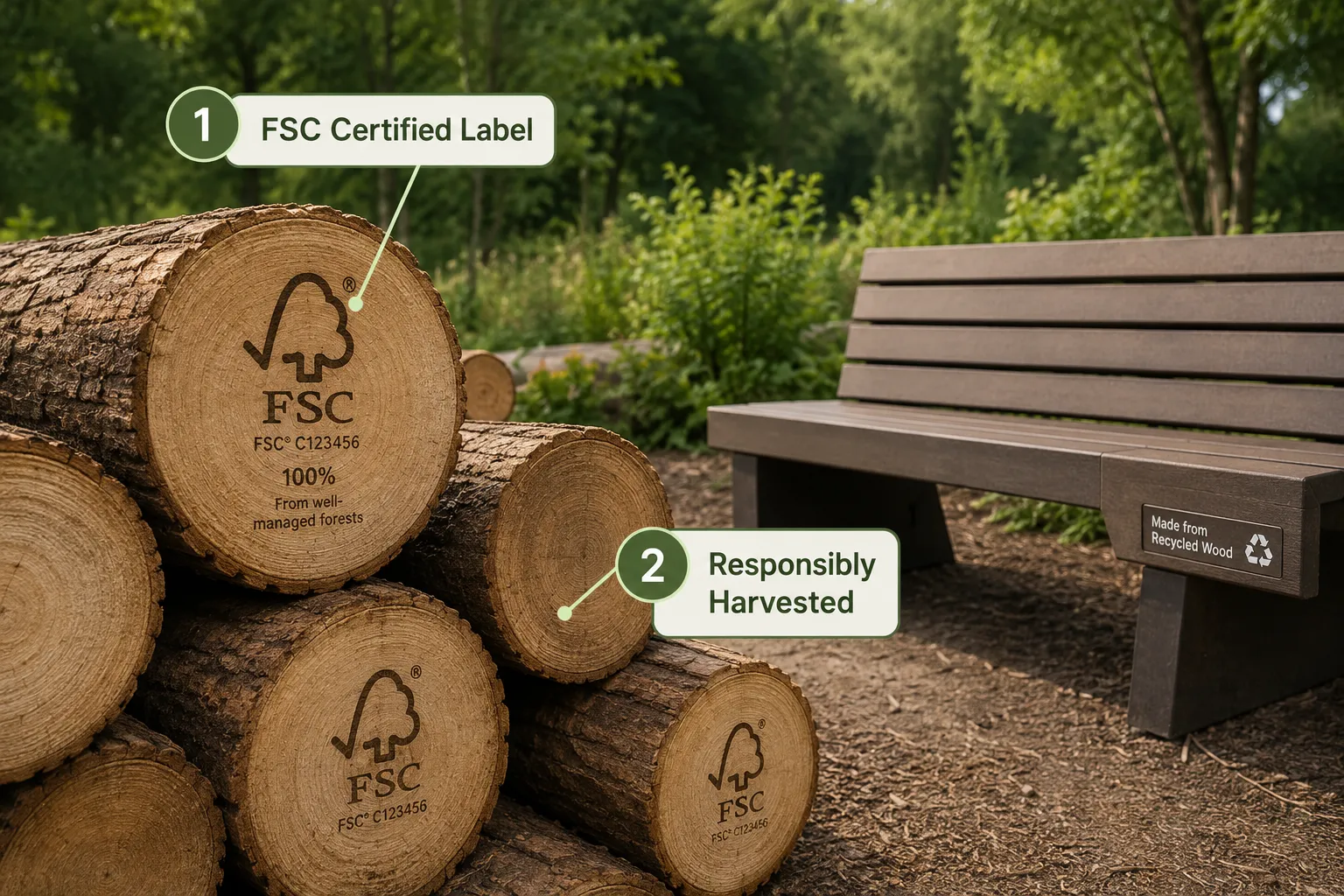
The most recognized certification for sustainably sourced wood is the Forest Stewardship Council (FSC).
- FSC Certification: When you see an FSC label, it indicates that the wood comes from forests managed responsibly, ensuring:
- Protection of biodiversity and endangered species.
- Respect for the rights of indigenous peoples and local communities.
- Maintenance of the forest’s ecological functions.
- Economic viability without exploiting the forest ecosystem.
Always prioritize FSC-certified wood when possible. It provides assurance that your purchase contributes to ethical and environmentally sound forestry practices.
Eco-Friendly Wood Alternatives
Reclaimed or Recycled Wood: This is one of the most sustainable options as it prevents wood from going to landfills and reduces the demand for newly harvested timber. Barnwood, old decking, or salvaged lumber can be given a new life as charming outdoor furniture. It often has a unique character and history. Restoring and upcycling thrift store furniture can be an excellent way to source reclaimed wood.
Bamboo: While technically a grass, bamboo possesses incredible strength and durability, making it an excellent outdoor material. It grows rapidly, making it a highly renewable resource. Ensure bamboo products are treated for outdoor use, as untreated bamboo can be susceptible to moisture damage.
Farmed Hardwoods (e.g., Eucalyptus, Acacia): As mentioned earlier, fast-growing hardwoods like eucalyptus and acacia can be more sustainable alternatives to slow-growing tropical species like natural teak, especially when sourced from responsibly managed plantations. Their rapid growth cycle means forests can regenerate quicker.
Thermal Modified Wood: This is a process where wood (often domestic species like ash or pine) is heated to high temperatures in an oxygen-free environment. This treatment alters the wood’s cellular structure, significantly increasing its durability, stability, and resistance to rot and insects without the use of chemicals. It’s a great way to enhance the outdoor performance of readily available, sustainable woods.
Maintenance and Longevity for Sustainability
Regardless of your initial wood choice, proper maintenance extends the life of your furniture, which is inherently a sustainable practice. The longer your furniture lasts, the less frequently it needs to be replaced, reducing demand for new resources.
- Cleaning: Regularly clean your furniture to remove dirt, pollen, and mildew.
- Sealing/Oiling: Apply sealants or natural oils (like tung oil or linseed oil) periodically to protect the wood from moisture and UV damage. This is especially crucial for softer woods or those without high natural oil content.
- Protection: Store furniture indoors during harsh winter months or use high-quality covers.
- Repairs: Address any small cracks or loose joints promptly to prevent further damage.
By making informed choices about Choosing the Right Wood for Outdoor Furniture: Durability, Weather Resistance, and Sustainable Sourcing, you can create beautiful, resilient outdoor spaces while contributing to a healthier planet.
Conclusion
Selecting the ideal wood for your outdoor furniture in 2026 is a decision that balances aesthetics, performance, and environmental responsibility. Hardwoods like teak, Ipe, and eucalyptus offer superior durability and weather resistance, often at a higher price point, while softwoods such as cedar and pressure-treated pine provide more affordable and workable options that may require more consistent maintenance.
Ultimately, the “right” wood depends on your specific needs, budget, and commitment to care. Prioritizing sustainably sourced wood, identifiable by certifications like FSC, is a powerful way to ensure your beautiful outdoor pieces contribute positively to the environment. Remember that even the most durable wood benefits from regular cleaning, sealing, and protection, extending its lifespan and preserving its beauty for countless seasons to come.
Armed with this knowledge, you can confidently choose the perfect wood to build or buy outdoor furniture that will stand the test of time and weather, creating a lasting and inviting outdoor living space.
SEO Meta Title: Choosing Outdoor Wood: Durability, Weather, & Sustainable Sourcing SEO Meta Description: Select the ideal wood for outdoor furniture in 2026. Explore durability, weather resistance, and sustainable sourcing for long-lasting, eco-friendly pieces.