
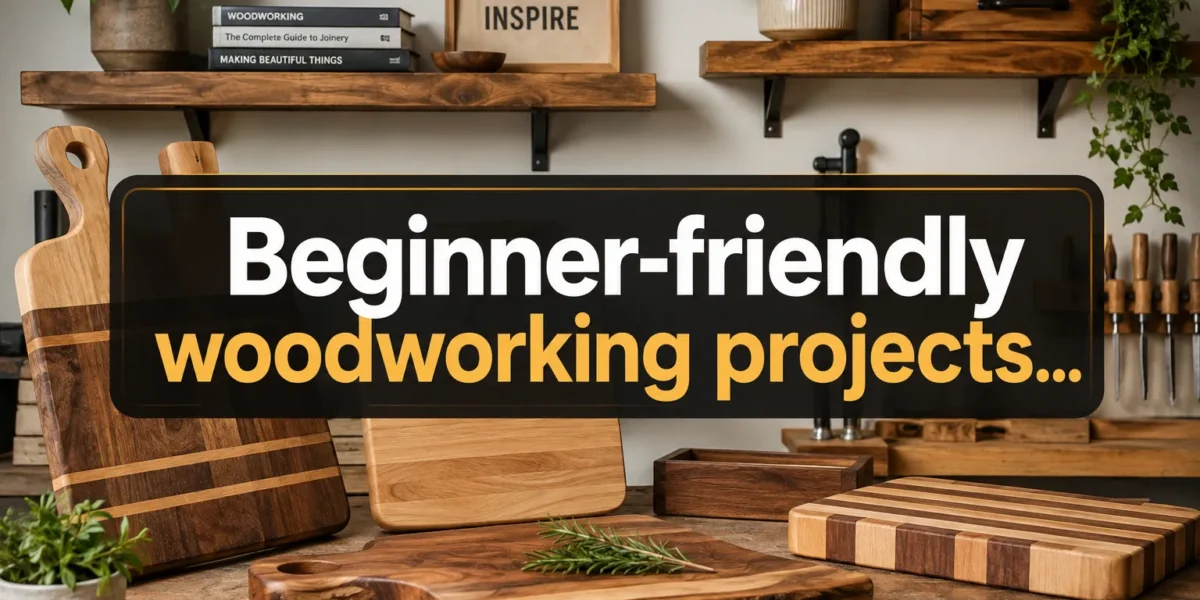
The year 2026 has seen a notable surge in demand for handcrafted home goods, with recent project roundups clearly indicating that simple yet elegant woodworking creations, particularly floating shelves and personalized boards, are among the top-selling items for nascent woodworkers. This trend makes “projects that sell” content exceptionally valuable, offering a direct path for beginners to transform their passion into profit. For those just starting in woodworking, identifying projects that are both manageable to build and consistently sought after by consumers is key to building confidence and establishing a sustainable craft business. This article delves into beginner-friendly woodworking projects that actually sell in 2026, focusing on items like floating shelves, custom cutting boards, and charcuterie boards, providing the insights needed to succeed.
Key Takeaways
- High Market Demand: Simple, well-crafted wooden items like floating shelves and custom boards consistently rank as top sellers in 2026 due to their utility and aesthetic appeal.
- Accessible for Beginners: Projects like floating shelves and various types of cutting boards require fundamental woodworking skills and basic tools, making them ideal starting points.
- Customization Drives Value: Personalization, through engraving or unique designs, significantly increases the marketability and perceived value of these items.
- Strategic Material Sourcing: Utilizing readily available, cost-effective, and even reclaimed materials can boost profitability and appeal to eco-conscious buyers.
- Effective Marketing is Crucial: High-quality photography and compelling product descriptions are essential for selling handmade goods through online platforms.
Identifying In-Demand, Beginner-Friendly Woodworking Projects That Actually Sell in 2026
The woodworking landscape in 2026 shows a clear preference for functional elegance and personalized touches. Consumers are increasingly valuing unique, handmade items that add character and utility to their homes. For beginners, this presents a golden opportunity to enter the market with projects that require foundational skills but yield desirable results. Focusing on beginner-friendly projects using reclaimed and urban lumber can further enhance market appeal and profitability.
Why These Projects Resonate
The appeal of items like floating shelves, custom cutting boards, and charcuterie boards lies in their versatility and the relatively low barrier to entry for their creation. They are practical, aesthetically pleasing, and can be customized to suit individual tastes and home decor styles. This customization aspect is particularly powerful, as it allows woodworkers to create truly unique pieces that stand out in a crowded market.
Floating Shelves
Floating shelves continue to be a perennial favorite for interior design. Their minimalist aesthetic and practical storage solutions make them suitable for almost any room, from kitchens and bathrooms to living rooms and home offices. For beginners, they offer an excellent opportunity to practice precise cutting, sanding, and finishing techniques. The demand for these shelves remains strong, especially those that offer unique wood grains or finishes.
- Simplicity in Design: The core design is straightforward, involving a piece of wood and a hidden mounting system.
- High Utility: Provides storage and display space without visible brackets, creating a clean, modern look.
- Versatility: Can be made in various lengths, depths, and wood types to fit diverse interior aesthetics.
- Material Efficiency: Often uses smaller pieces of lumber, making them cost-effective to produce.
Custom Cutting Boards
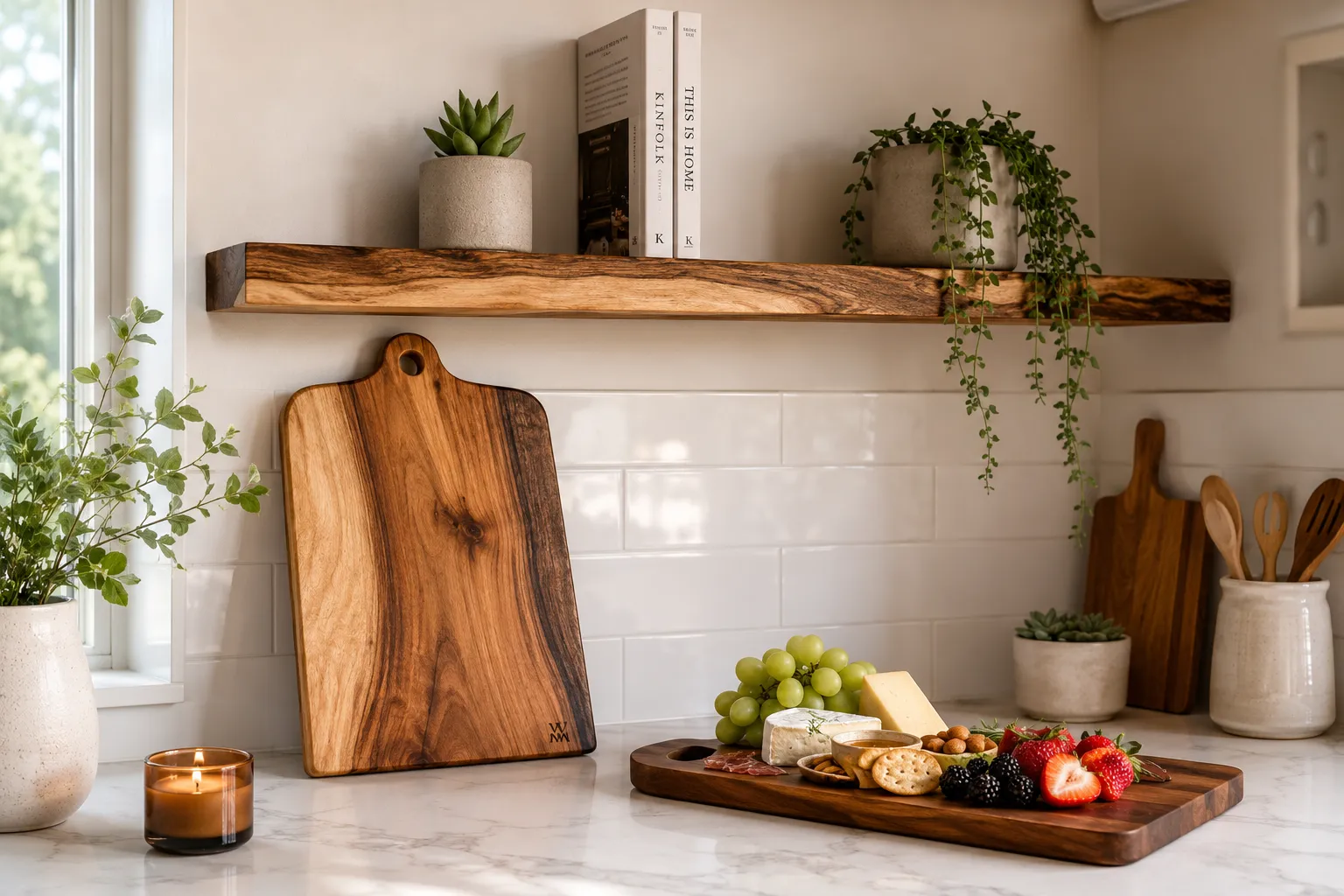
More than just a kitchen tool, custom cutting boards have evolved into decorative and personalized gifts. The market for these items thrives on unique wood choices, intricate patterns (like end-grain or edge-grain designs), and personalized engravings. They are relatively small projects, making them perfect for beginners to refine their milling, gluing, and finishing skills.
- Creative Freedom: Allows for experimentation with different wood species, patterns, and shapes.
- Gift Market Potential: Highly sought after as personalized gifts for weddings, housewarmings, and holidays.
- Skill Development: Excellent for practicing precise joinery (for laminated boards) and food-safe finishing.
- Profitability: Good profit margins, especially with added customization services like laser engraving.
Charcuterie Boards
A close cousin to the custom cutting board, charcuterie boards have exploded in popularity. These boards are typically larger and designed specifically for presenting cheeses, meats, fruits, and other appetizers. They often feature live edges, handle cutouts, and unique shapes, allowing for artistic expression. The social nature of charcuterie boards ensures consistent demand, particularly for special occasions and entertaining.
- Trend-Driven Demand: Aligns with the popular trend of home entertaining and gourmet food presentation.
- Artistic Appeal: Often incorporates live-edge slabs or exotic woods, enhancing their visual appeal.
- Relatively Simple Construction: Many designs can be crafted from a single slab of wood, requiring minimal joinery.
- Upselling Opportunities: Can be sold with complementary items like small serving bowls or cheese knives.
Crafting Beginner-Friendly Woodworking Projects That Actually Sell in 2026: Techniques and Materials
Successfully creating these in-demand woodworking projects involves understanding basic techniques, choosing appropriate materials, and employing effective finishing strategies. Even as a beginner, focusing on quality and detail will set your products apart.
Essential Tools and Techniques
For most beginner-friendly woodworking projects that actually sell in 2026, a basic set of tools is sufficient. You don’t need a professional workshop to start, but rather a functional space and a few key pieces of equipment. Consider investing in a beginner’s guide to choosing folding tables for woodworking to set up an efficient workspace.
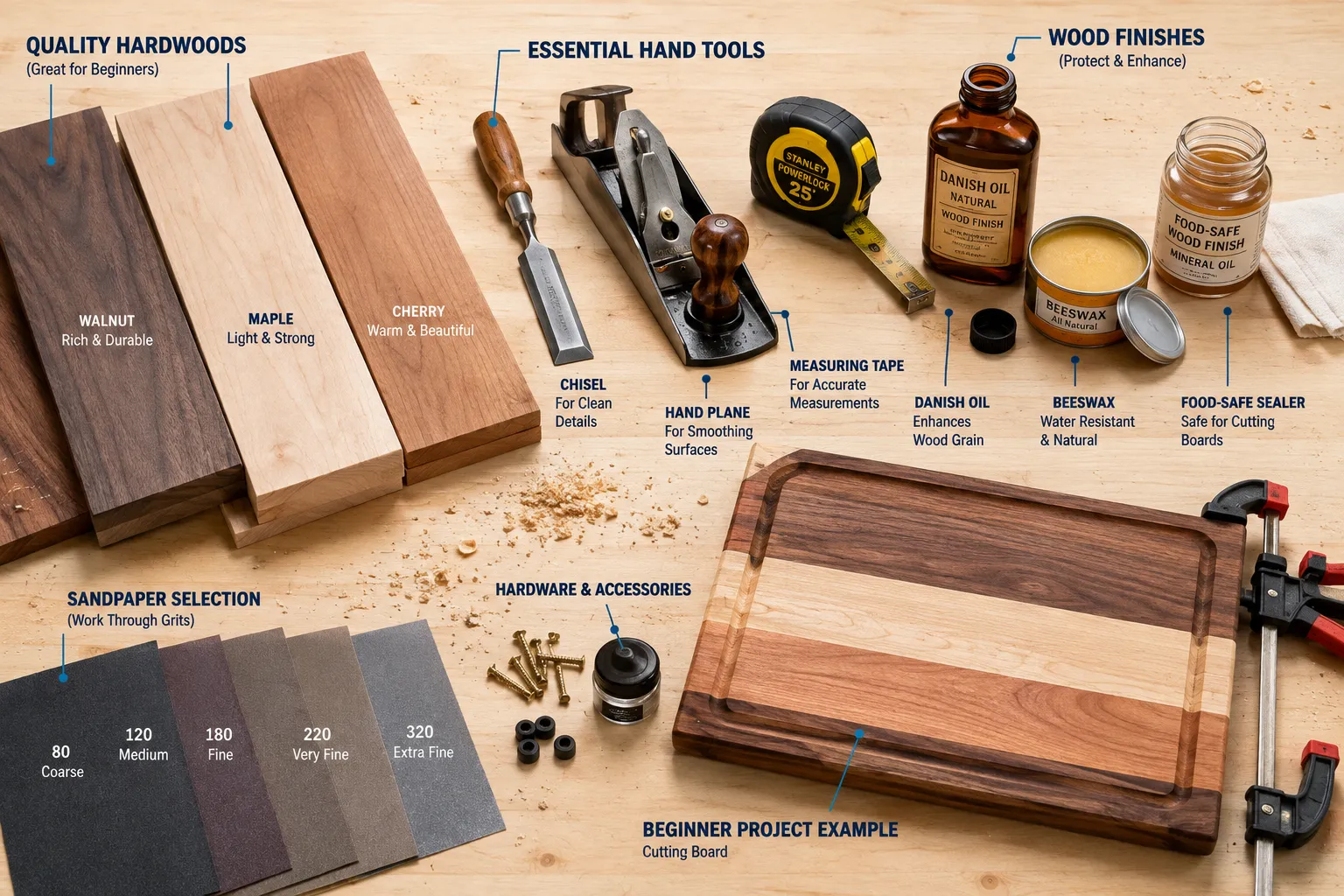
- Measurement and Marking: Tape measure, ruler, combination square, marking knife or pencil. Accuracy is paramount for professional results.
- Cutting:
- Circular Saw or Miter Saw: For straight, precise crosscuts and rip cuts for boards and shelf components.
- Jigsaw: Useful for cutting curves and irregular shapes, particularly for unique charcuterie board designs.
- Shaping and Smoothing:
- Electric Sander (Orbital or Belt Sander): Essential for achieving smooth surfaces. Start with coarser grits (e.g., 80 or 100) and progressively move to finer grits (e.g., 180 or 220) for a polished finish.
- Router (Optional but Recommended): For adding decorative edges (e.g., roundovers, chamfers) to shelves and boards, which elevates their aesthetic appeal.
- Assembly:
- Clamps: Crucial for holding pieces together during gluing and ensuring strong, tight joints.
- Wood Glue: High-quality wood glue is essential for laminated cutting and charcuterie boards.
- Drill: For pilot holes and mounting hardware, especially for floating shelves.
Material Selection: Wood Choices and Finishes
The type of wood and the quality of the finish significantly impact the marketability of your products.
Wood Species
- Maple: Hard, dense, and light-colored. Excellent for cutting boards due to its closed grain and durability.
- Cherry: Beautiful reddish-brown tones that darken with age. Good for both cutting and charcuterie boards, as well as shelves.
- Walnut: Rich, dark brown with striking grain patterns. Highly prized for premium charcuterie and cutting boards.
- Oak (Red or White): Durable and readily available, suitable for floating shelves. Its pronounced grain takes stains well.
- Reclaimed Wood: For items like floating shelves, using reclaimed wood adds character, sustainability, and a unique story, making the pieces highly desirable.
Finishing Touches
Finishing is where a good project becomes a great product. For items that contact food, food-safe finishes are non-negotiable.
- Food-Safe Oils: Mineral oil, beeswax, or a blend of both are ideal for cutting and charcuterie boards. They penetrate the wood, highlight the grain, and provide a protective, conditioning layer.
- Polyurethane/Varnish: For floating shelves and other decorative items, a durable polyurethane or varnish offers excellent protection and a smooth finish. For a more natural and eco-friendly approach, consider exploring natural wood finishing without chemicals.
- Sanding: Thorough sanding through progressively finer grits (up to 220 or even 320 for food-contact surfaces) is critical for a professional feel and appearance.
Customization and Personalization
To make your beginner-friendly woodworking projects that actually sell in 2026 stand out, offer personalization.
- Engraving: Laser engraving or wood burning can add names, dates, logos, or custom designs to cutting and charcuterie boards. Mastering the art of wood burning can add significant value.
- Unique Shapes and Handles: Offer distinct shapes for charcuterie boards or integrate ergonomically designed handles.
- Distressed Finishes: For certain aesthetics, particularly for shelves, a distressed or antique finish can add character and appeal.
Marketing and Selling Your Beginner-Friendly Woodworking Projects in 2026
Creating beautiful pieces is only half the battle; knowing how to market and sell them is crucial for success. For beginner woodworkers looking to turn their craft into a profitable venture, strategic marketing and effective sales channels are essential.
Photography and Presentation
In the online marketplace, high-quality images are your most powerful selling tool. Your goal is to make the product look as appealing as possible, highlighting its craftsmanship and potential use in a home.
- Natural Lighting: Use bright, diffused natural light whenever possible. Avoid harsh shadows.
- Staging: Photograph items in a lifestyle setting. For example, show a charcuterie board with cheeses and fruits, or floating shelves adorned with decorative objects. This helps potential buyers visualize the product in their own homes.
- Multiple Angles: Capture photos from various angles, including close-ups of details, wood grain, and finishes.
- Clear Backgrounds: Ensure backgrounds are uncluttered and complement the product without distracting from it.
- Consistency: Maintain a consistent aesthetic across all your product photos for a professional brand image.
Online Sales Platforms
Several online platforms are ideal for selling handmade woodworking items.
- Etsy: Remains a go-to platform for handmade goods. Its vast audience is specifically looking for unique, artisan products. Ensure your shop is well-optimized with clear descriptions and relevant tags.
- Shopify: For those who want more control over their brand and storefront, a Shopify store offers customization and scalability. This is a good option once you’ve gained some sales momentum and want to establish a more independent presence.
- Local Marketplaces/Social Media: Platforms like Facebook Marketplace or Instagram can be effective for local sales or for building a direct customer base. Marketing handmade woodcraft on social media requires engaging content and consistent posting.
Pricing Your Products
Pricing handmade goods can be challenging. It’s important to cover your costs while also valuing your time and skill.
- Material Costs: Calculate the exact cost of wood, glue, finish, and any hardware.
- Labor Costs: Estimate the hours spent on each project and assign an hourly rate for your time. Even as a beginner, your time has value.
- Overhead: Factor in small costs like electricity, tool maintenance, and marketing expenses.
- Market Research: Research what similar items are selling for on platforms like Etsy. This helps you price competitively.
- Value of Customization: Charge extra for personalization like engraving, as this adds significant unique value.

Building Your Brand
Even as a beginner, thinking about your brand identity can help you stand out.
- Unique Selling Proposition (USP): What makes your products different? Is it the type of wood, a specific design aesthetic (e.g., minimalist, rustic), or your commitment to sustainability?
- Storytelling: Share the story behind your craft. People connect with the human element of handmade goods. Explain your process, your passion, and the materials you use. For example, if you use reclaimed wood, tell the story of its origin. Narrative interiors through woodworking can guide you in this.
- Customer Service: Excellent customer service builds loyalty and generates positive reviews, which are invaluable for new businesses.
Conclusion
Embarking on a woodworking journey with the goal of selling your creations is an exciting and rewarding endeavor in 2026. By focusing on beginner-friendly woodworking projects that actually sell, such as floating shelves, custom cutting boards, and charcuterie boards, you can quickly build a portfolio of in-demand items. Mastering basic techniques, selecting appropriate materials, and leveraging customization will allow your products to stand out. Equally important is developing a robust marketing strategy, from high-quality photography to smart pricing and effective use of online sales platforms. Start small, refine your craft, and tell the story of your unique pieces, and you’ll be well on your way to transforming your woodworking hobby into a profitable small business.
References
- Danish, M. (2020). Woodworking for Beginners: A Step-by-Step Guide to Tools, Techniques, and Projects. Skyhorse Publishing.
- Etsy Seller Handbook. (2026). How to Start an Etsy Shop: Your Complete Guide. Retrieved from [Etsy website – specific page not available, but generic reference to seller handbook]
- Fine Woodworking Magazine. (2026). Best Wood for Cutting Boards. Retrieved from [Fine Woodworking website – specific page not available, but generic reference to their content on wood types]
- Schwarz, C. (2012). The Anarchist’s Workbench. Lost Art Press.