
The craft market stall, often overflowing with mass-produced trinkets, frequently leaves discerning buyers seeking genuine artistry wanting more. Woodworkers, with their inherent skill and dedication to natural materials, are uniquely positioned to fill this void. A recent survey revealed that 68% of consumers actively seek out handmade, unique gifts over commercially manufactured alternatives, particularly for special occasions (Artisan Guild Report, 2025). This statistic underscores a significant opportunity for artisans to leverage their skills, not just for hobby, but for viable small-batch production. This article, “The Crafty Woodworker’s Guide to Unique Gift Ideas and Small Batch Production,” delves into transforming raw timber into treasured keepsakes, focusing on designs that are both captivating and efficient to produce, and strategies for bringing these creations to market in 2026.
Key Takeaways
- Focus on unique, personalized designs that resonate with specific customer needs.
- Optimize your workshop and workflow for efficient small-batch production to maximize output and profit.
- Utilize versatile tools like CNC machines and laser cutters for precision and customization.
- Master finishing techniques to enhance product appeal and durability.
- Develop a clear marketing strategy, including online platforms and local craft markets, to reach your target audience.
The Crafty Woodworker’s Guide to Unique Gift Ideas: Designing for Impact and Efficiency
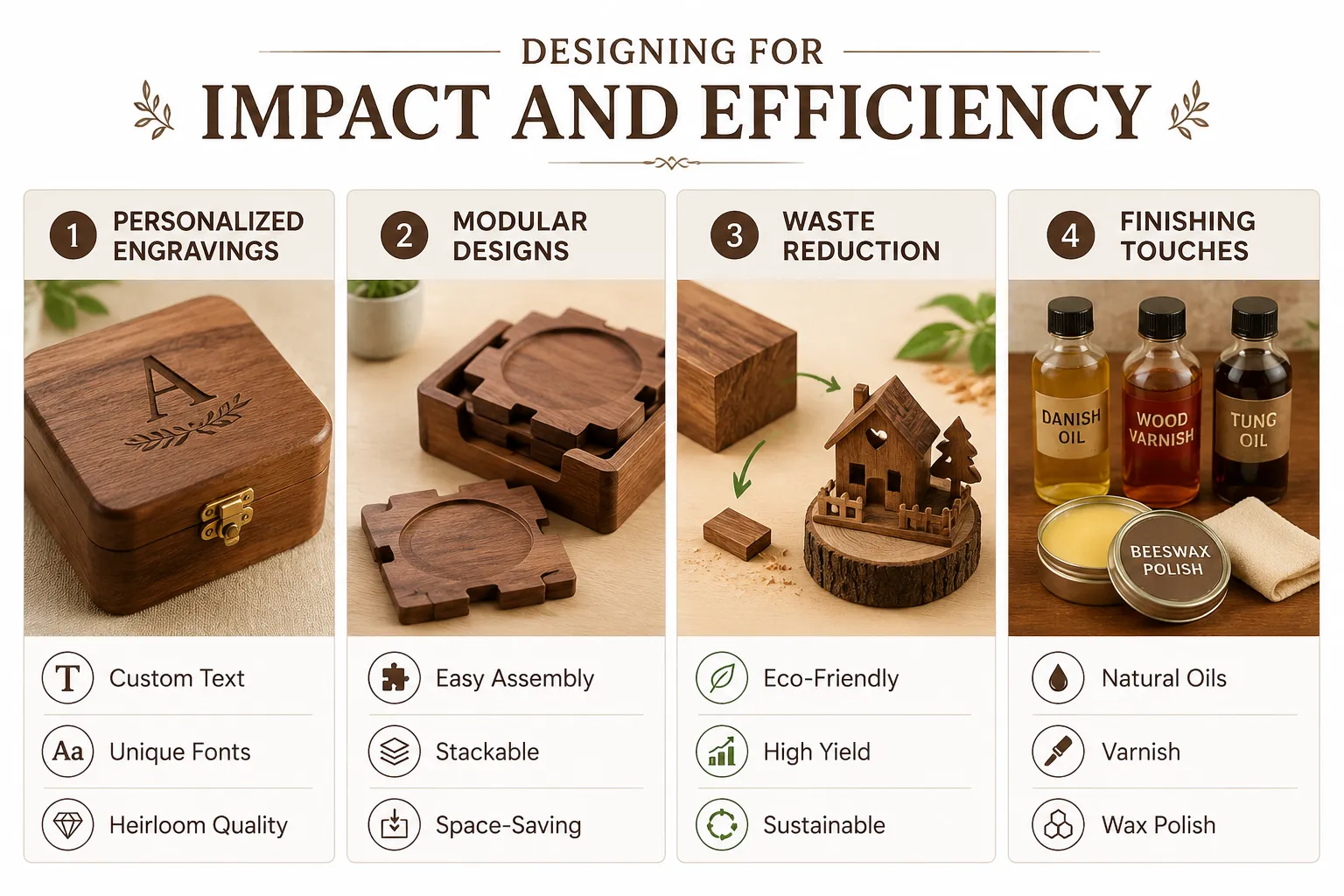
Creating unique wooden gifts that stand out in a crowded market requires a blend of artistic vision and practical design. The core principle is to design items that are not only beautiful but also lend themselves to repeatable, small-batch production without sacrificing their handcrafted charm. This means thinking about material usage, assembly methods, and finishing processes from the outset.
Consider the intrinsic value of wood itself. Its natural beauty, grain patterns, and tactile warmth are unparalleled. Crafty woodworkers can highlight these qualities through minimalist designs that let the wood speak for itself, or through intricate details that showcase advanced skills.
Categories of Unique Wooden Gifts
There’s a vast spectrum of gift ideas suitable for woodworking, from decorative items to functional pieces. The key is to select projects that match your skill level and available tools, while also appealing to a broad audience.
- Personalized Keepsakes: Items that can be customized with names, dates, or special messages are incredibly popular.
- Jewelry boxes with engraved lids
- Picture frames with custom carved details
- Small commemorative plaques or ornaments
- Beginner’s Guide to Crafting Personalized Engraved Wood Gifts:
- Functional Home Decor: Pieces that serve a purpose while adding aesthetic value.
- Coasters or trivets with unique designs
- Small catch-all trays for keys and wallets
- Hand-carved utensils or cutting boards
- Bookends or decorative shelf units (Mastering Shelf Woodworking Your Definitive Guide For 2026)
- Desk and Office Accessories: Practical items for the workspace.
- Pen holders or stationery organizers
- Phone stands with integrated charging cable channels (DIY Wood Console Table with Hidden Charging Station: Blending Modern)
- Small desktop planters or succulent holders
- Kids’ Toys and Games: Durable, safe, and engaging wooden toys.
- Building blocks or puzzles
- Small wooden cars or animals
- Board game components or decorative game boxes
Material Selection and Design Principles
The choice of wood greatly influences the final product’s appearance and feel. Hardwoods like walnut, cherry, maple, and oak offer durability and beautiful grain, while softer woods like pine or poplar are easier to work with, especially for beginners. Exotic woods can add a unique flair, but ensure they are sustainably sourced. Consider the color, texture, and workability of the wood for each specific gift idea.
“The beauty of woodworking lies in transforming a raw material into something meaningful. Thoughtful design not only enhances this transformation but also simplifies the production process, making small-batch endeavors truly rewarding.”
When designing for small-batch production, focus on:
- Simplicity: Elegant, clean lines often require less complex joinery and finishing, speeding up production.
- Modularity: Can components be pre-cut or assembled in batches? Designing items with interchangeable parts can reduce waste and streamline the process.
- Efficiency: Plan cuts to maximize material yield and minimize waste. Utilizing jigs and templates is crucial for consistency.
- Personalization: Integrate design elements that allow for easy customization, such as a flat surface for engraving or a cavity for inlay work. Tools like small CNC machines and laser cutters are invaluable for this (Small Cnc And Laser Cutter Mastery Jigs Templates And Detail Work For Home Workshops).
Small Batch Production Strategies for the Crafty Woodworker
Producing unique wooden gifts in small batches requires a methodical approach to workshop organization and workflow. The goal is to maintain high quality and consistency across all pieces while optimizing your time and resources.
Workshop Setup and Tool Optimization
An efficient workshop is the backbone of successful small-batch production. Even a compact space can be highly productive with the right layout and tool selection.
- Layout: Organize your workshop into logical zones: material storage, cutting, assembly, sanding, and finishing. This minimizes unnecessary movement and maximizes efficiency. Consider Small Workshop Layout Optimization: Mobile Tool Stations, Dust for ideas.
- Workbenches: A sturdy workbench is essential. For smaller items, a versatile assembly table or even a Beginners Guide To Choosing Folding Tables For Woodworking Work Surfaces Assembly And Finishing can be highly effective.
- Essential Tools:
- Cutting Tools: Table saw, miter saw, bandsaw, jigsaw.
- Shaping Tools: Router with various bits, hand planes.
- Sanding Tools: Orbital sander, detail sander, sanding blocks.
- Joinery Tools: Drills, chisels, clamps. A good selection of wood glues is also critical (The Ultimate Guide To Wood Glue Choosing The Right Adhesive For Every Woodworking Joint And Project).
- Specialty Tools: CNC router or laser engraver for intricate details and personalization.
- Sharpening: Keep all cutting tools razor sharp for clean cuts and safety (The Essential Guide To Hand Tool Sharpening And Maintenance Keep Your Chisels Planes And Saws Razor Sharp).
Streamlining Your Workflow
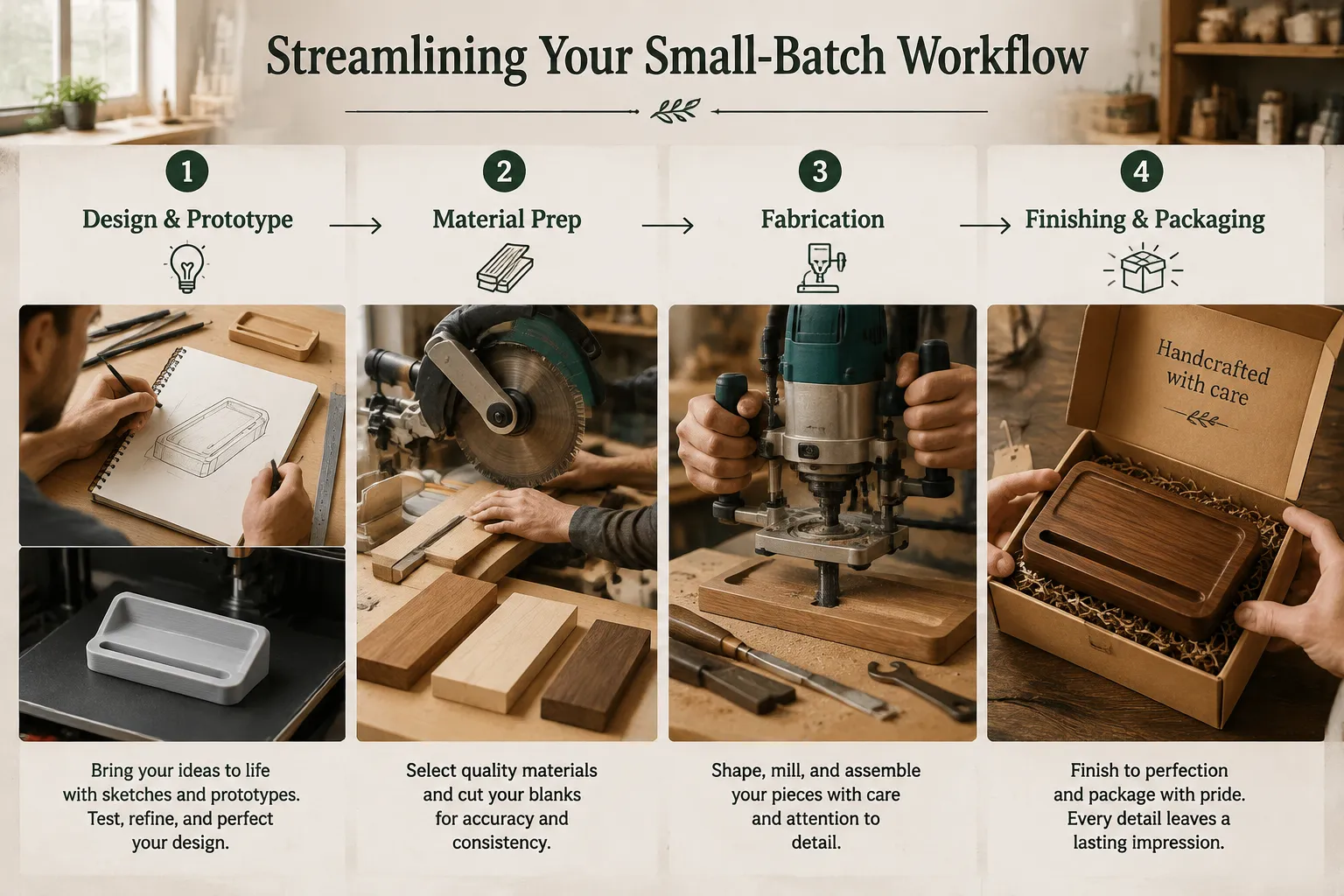
Batching similar tasks together is a cornerstone of efficient small-batch production. Instead of making one item from start to finish, complete all of one step for several items before moving to the next.
Example Workflow for a Batch of 10 Wooden Coasters:
- Material Preparation:
- Select and mill all wood blanks to rough dimensions.
- Cut all 10 coaster blanks to final dimensions using a crosscut sled or jig for consistency.
- Shaping and Detailing:
- Rout all edges (if applicable) for all 10 coasters.
- Perform any laser engraving or CNC carving on all 10 pieces.
- Sanding:
- Begin with a coarser grit (e.g., 120) for all 10 coasters.
- Progress through finer grits (e.g., 180, 220, 320) for all 10 coasters in sequence.
- Finishing:
- Apply the first coat of finish (oil, varnish, wax) to all 10 coasters. Allow to dry.
- Lightly sand between coats (if required) and apply subsequent coats to all 10. (For guidance on finishes, refer to Beginners Guide To Wood Staining Color Selection Application And Troubleshooting Common Issues).
- Quality Control and Packaging:
- Inspect each finished coaster for defects.
- Package each coaster individually or in sets, ready for sale.
This batching approach reduces setup time between tasks and allows for a more focused and rhythmic production flow.
Quality Control and Finishing
The finishing stage is where your unique gift items truly come to life and stand out. A high-quality finish protects the wood, enhances its natural beauty, and adds to the perceived value of your product.
- Sanding: Thorough sanding is paramount. Progress through grits to remove all scratches and prepare the surface for finish.
- Finishes:
- Oils (Tung Oil, Linseed Oil, Mineral Oil): Penetrate the wood, providing a natural, warm look and feel. Great for items that will be handled frequently or used with food (ensure food-safe oils).
- Waxes (Beeswax, Carnauba Wax): Offer a soft sheen and some protection, often used over oil finishes for added durability.
- Varnishes and Polyurethanes: Create a durable, protective layer on the surface, offering excellent resistance to moisture and wear.
- Stains: Can alter the color of the wood while allowing the grain to show through. Always test on scrap pieces first.
- Buffing: For a truly professional look, buffing with a soft cloth or buffing wheel can bring out a beautiful luster.
Consistent quality control at every stage, from material selection to final finish, ensures that each unique gift meets your high standards and delights the recipient.
Marketing and Selling Your Unique Wooden Creations in 2026
Even the most beautiful handcrafted items won’t sell themselves. Effective marketing and a clear sales strategy are crucial for “The Crafty Woodworker’s Guide to Unique Gift Ideas and Small Batch Production” to translate into a successful venture.

Branding Your Craft
Your brand is more than just a logo; it’s the story, values, and aesthetic that define your unique wooden creations.
- Develop a Brand Identity: What makes your work special? Is it your use of reclaimed wood, intricate carving, modern minimalist designs, or personalized engravings? Articulate your unique selling proposition (USP).
- Craft a Story: People connect with stories. Share the journey of your craft, the inspiration behind your designs, and the care that goes into each piece.
- Professional Photography: High-quality photos are non-negotiable. They are your virtual storefront. Invest in good lighting, clear focus, and appealing staging to showcase your items in their best light.
Online Sales Platforms
The digital marketplace offers unparalleled reach for selling your unique wooden gifts.
- Etsy: A prime platform for handmade goods. Focus on clear product descriptions, strong keywords, and engaging shop announcements.
- Shopify/Website: For greater control over your brand and customer experience, consider building your own e-commerce website. This allows for more extensive storytelling and direct customer engagement.
- Social Media: Platforms like Instagram and Pinterest are highly visual and ideal for showcasing woodworking projects. Use compelling photos, short videos of your process, and relevant hashtags to attract followers and potential buyers. Engage with your audience and build a community around your craft.
Local Markets and Fairs
Selling in person provides invaluable direct customer feedback and opportunities for networking.
- Craft Fairs and Farmers’ Markets: These venues allow customers to see, touch, and feel your products. It’s an excellent opportunity to share your story directly and build personal connections.
- Local Boutiques and Galleries: Consignment or wholesale agreements with local shops can expand your reach without requiring your constant presence.
- Pop-up Shops: Collaborate with other artisans or local businesses for temporary retail spaces, creating unique shopping experiences.
Pricing Your Work
Pricing handmade goods can be challenging. It’s essential to cover your costs and value your time and skill.
Consider these factors:
- Material Costs: All wood, glue, finishes, sandpaper, and packaging.
- Labor Costs: Your hourly rate for design, cutting, sanding, assembly, and finishing. Don’t undervalue your time.
- Overhead Costs: Workshop rent (if applicable), tool maintenance, electricity, marketing expenses.
- Market Value: Research what similar unique wooden gifts sell for.
- Profit Margin: Ensure your price allows for a healthy profit.
A common formula is (Materials + Labor + Overhead) x 2 to 3 = Retail Price. Adjust based on your unique market position and brand perception.
Conclusion
The journey of “The Crafty Woodworker’s Guide to Unique Gift Ideas and Small Batch Production” is one of passion, precision, and strategic planning. By focusing on distinctive designs, optimizing your production workflow, and implementing effective marketing strategies, woodworkers can transform their craft into a fulfilling and profitable endeavor in 2026. The demand for authentic, handmade items continues to grow, offering a fertile ground for those willing to combine their woodworking skills with smart business practices.
Begin by identifying your niche, honing your design aesthetic, and investing in tools and processes that support efficient small-batch output. Then, tell your story through compelling visuals and engaging narratives, whether online or at local markets. Embrace the iterative process of creation and sales, continually refining your products and your approach. With dedication and creativity, your unique wooden gifts can find their way into the hands and hearts of appreciative customers, building a thriving artisanal business.
SEO Meta Title: Crafty Woodworker’s Guide: Unique Gifts & Small Batch Production 2026 SEO Meta Description: Unlock 2026’s potential with unique woodworking gift ideas and small-batch production strategies. Master design, workflow, and marketing for profit.