

The average household spent over $1,000 on home decor and improvements in 2023, a significant portion of which includes handmade goods and custom wooden items. This growing market presents an exceptional opportunity for aspiring woodworkers. For those new to the craft, the idea of turning a hobby into a profitable venture might seem daunting. However, the path to success is often paved with simple, high-demand creations. This article, “Beginner Woodworking Projects That Sell: 15 High-Margin Designs from Coasters to Wall Art,” unveils accessible projects that require minimal tools and experience, yet offer substantial profit margins at craft shows, online marketplaces, and local boutiques.
Key Takeaways
- Beginner-friendly woodworking projects can be highly profitable with minimal initial investment in tools and materials.
- Focus on small, functional, and decorative items that appeal to a broad customer base and are easy to produce in batches.
- High-margin designs often leverage common wood species, repurposed materials, or simple finishing techniques.
- Customization and unique design elements can significantly increase the perceived value and selling price of your handcrafted items.
- Effective marketing and presentation are crucial for turning quality craftsmanship into consistent sales.
Why Focus on Beginner Woodworking Projects That Sell?
Starting with manageable projects is crucial for several reasons. Firstly, it allows new woodworkers to develop fundamental skills without being overwhelmed by complex joinery or large-scale construction. Mastering basic cuts, sanding, and finishing techniques on smaller items builds confidence and proficiency. Secondly, small projects typically require less material, reducing initial costs and minimizing potential losses from mistakes. This cost-effectiveness directly contributes to higher profit margins, even when selling at accessible price points. Finally, the quicker turnaround time for small items means you can produce more inventory faster, which is essential for meeting demand at craft fairs or online stores.
Consider the market for handmade goods. Consumers are increasingly seeking unique, handcrafted items that tell a story or offer a personal touch, a trend that is only accelerating in 2026. Wooden items, in particular, evoke warmth, natural beauty, and a sense of enduring quality. By focusing on projects that are both simple to make and desirable to buyers, beginners can tap into this lucrative market without years of experience.
Understanding High-Margin Woodworking Projects
A “high-margin” project is one where the selling price significantly exceeds the cost of materials and labor. For beginners, this often means:
- Low Material Cost: Using readily available, inexpensive woods like pine, poplar, or even reclaimed wood. Small projects can often utilize offcuts from larger lumber purchases.
- Minimal Tool Investment: Many beginner projects can be completed with a miter saw (or even a hand saw), a sander, and basic clamps. Power tools like a 12-inch Craftsman Table Saw can increase efficiency but are not always a prerequisite for initial projects.
- Efficient Production: Designs that can be easily replicated in batches save time and effort. Workshop Organization For High Volume Small Project Production is key here.
- Value-Added Features: Simple enhancements like a unique finish, personalized engraving, or clever design details can elevate a basic item into a premium product. Tools like a Beginners Guide To Laser Engraving And Cutting can add significant value.
This strategic approach allows beginners to not only learn valuable skills but also generate income quickly, reinforcing their passion for woodworking.
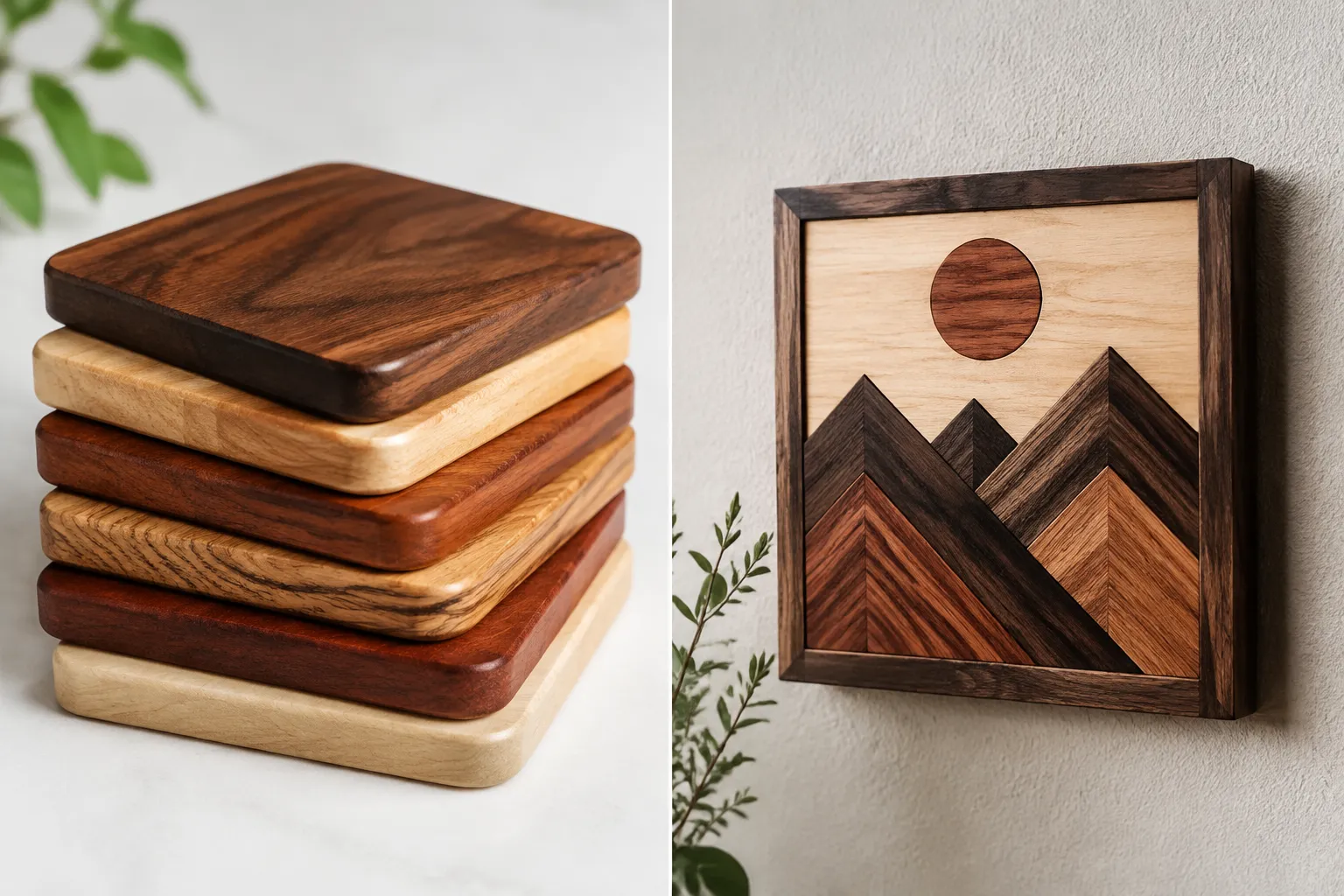
15 High-Margin Beginner Woodworking Projects That Sell, from Coasters to Wall Art
Here are 15 actionable projects designed for beginners, focusing on ease of construction, minimal material cost, and strong market appeal. Each project offers opportunities for customization and profitability.
- Wooden Coasters: A perennial bestseller. Simple to cut, sand, and finish. Use different wood species for variety, or add cork bases.
- Tip: Offer sets of 4 or 6, perhaps with a simple holder. Consider sustainable wood finishing options.
- Small Planter Boxes/Succulent Holders: Easy to construct from a few pieces of wood. Minimal joinery required (butt joints with glue and screws work well).
- Tip: Target urban dwellers or office workers. Pair with a small succulent for added appeal. See Diy Wooden Planters For Indoor Herbs And Succulents.
- Phone/Tablet Stands: A few angled cuts can create a functional and aesthetically pleasing stand. Very popular for home offices and bedside tables.
- Tip: Incorporate a small channel for charging cables.
- Key Holders/Mail Organizers: Simple wall-mounted designs with hooks for keys and a slot for mail. Can be customized with different woods and finishes.
- Small Decorative Trays: Ideal for holding jewelry, remote controls, or entryway essentials. Think simple routed edges or basic joinery.
- Tip: Use contrasting wood for a visually striking base or add handles for a sophisticated touch.
- Wooden Wall Art (Geometric Designs): Cut various shapes from thin wood (e.g., triangles, squares) and arrange them into abstract or geometric patterns. Glue them onto a backing board.
- Tip: Experiment with different stains or paint colors on individual pieces for a unique look. This can be a great way of Turning Wall Art Into Profit.
- Simple Cutting Boards/Serving Boards: A classic for a reason. Requires basic milling and sanding. Inlay Cutting Boards can elevate the design significantly.
- Tip: Focus on food-safe finishes and unique shapes.
- Wooden Bottle Openers (Wall Mounted): Combine a small wooden plaque with a metal bottle opener component. Very popular gift item.
- Tip: Add a magnet at the bottom to catch bottle caps.
- Bookends: Simple L-shaped designs from solid wood. Can be customized with carvings, paint, or contrasting wood accents.
- Small Shelves/Floating Shelves: Excellent for displaying small decor items. Simple construction using cleat systems or invisible brackets.
- Tip: Offer in varying lengths and depths. For more ideas, explore Mastering Shelf Woodworking Your Definitive Guide For 2026.
- Desk Organizers (Pen Holders, Business Card Holders): Small, functional items that help declutter workspaces. Easy to make from scrap wood.
- Tip: Combine different compartments for pens, paper clips, and sticky notes. See Diy Modular Desk Organizers.
- Wooden Signs (Personalized): Simple planks of wood, stained or painted, with personalized messages, names, or addresses.
- Tip: Use stencils or freehand painting for text. Consider laser engraving for precision.
- Plant Stands: Simple elevated platforms or multi-tiered stands for indoor plants. Basic joinery and stable design are key.
- Tip: Focus on contemporary designs that fit modern home aesthetics. Check out Diy Plant Stands For Indoor Jungles.
- Small Knife Blocks: A block of wood with routed slots for knives. Requires careful planning for slot spacing and safety.
- Tip: Use attractive wood species like walnut or cherry. For inspiration, refer to Building Robust Knife Blocks.
- Decorative Wooden Bowls (Lathe Projects): If you have access to a wood lathe, turning small bowls is a relatively quick way to create beautiful, functional art.
- Tip: Start with simpler, symmetrical forms. Explore Diy Wood Lathe Projects For Beginners.
These “Beginner Woodworking Projects That Sell: 15 High-Margin Designs from Coasters to Wall Art” provide a solid foundation for building both skill and a profitable side hustle.
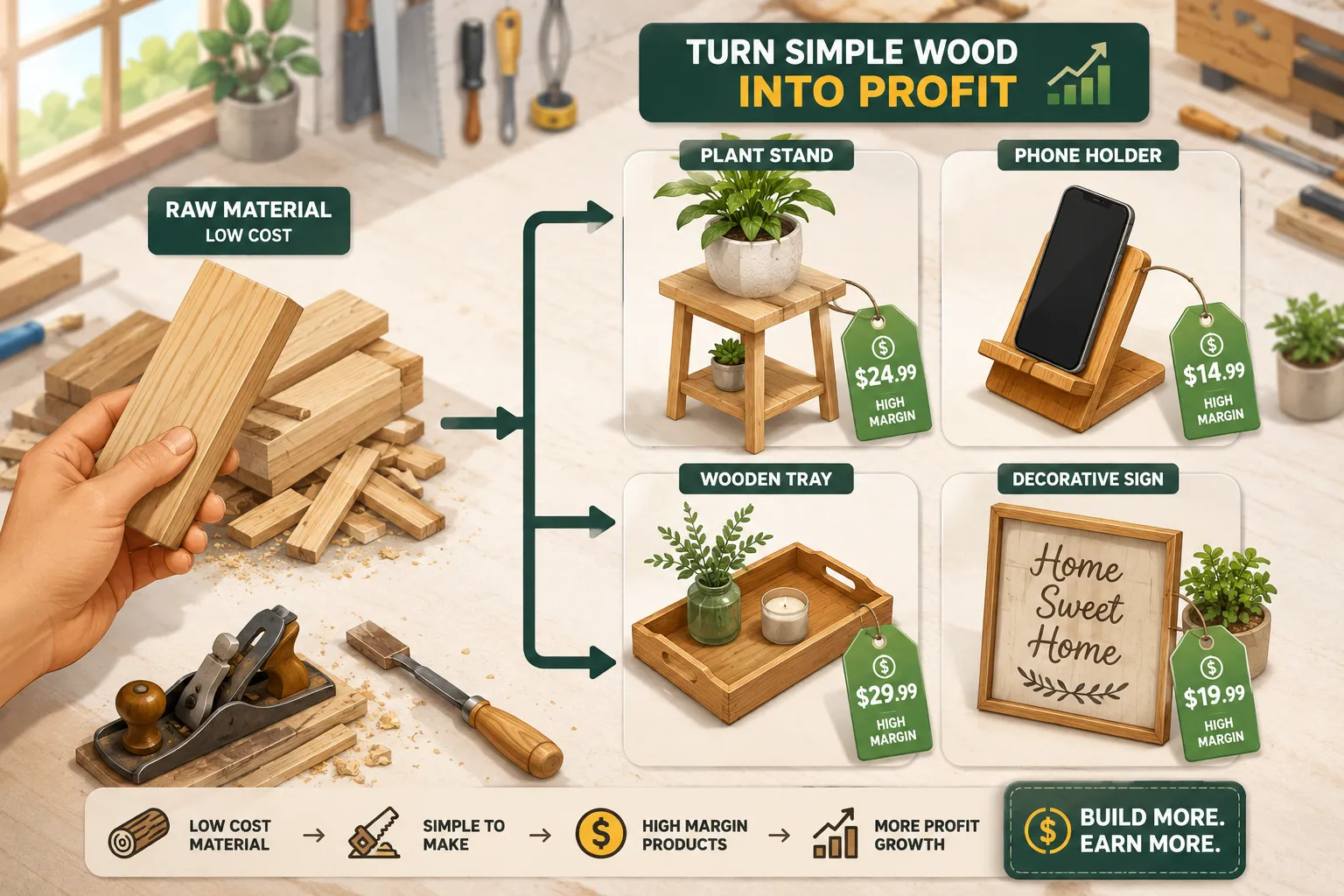
Maximizing Profitability: Beyond the Build
Creating a quality product is only half the battle. To truly succeed in selling your beginner woodworking projects, you need to think about branding, pricing, and marketing.
Smart Material Sourcing and Cost Control
The cost of your materials directly impacts your profit margin.
- Scrap Wood & Offcuts: For small projects like coasters or phone stands, often you can use offcuts from larger projects or source scrap wood from local sawmills, lumberyards, or even construction sites (with permission).
- Reclaimed Wood: Pallets, old fence posts, and barn wood can be excellent, often free, sources. Upcycled Pallet Projects are particularly popular. Always ensure reclaimed wood is safe to work with (check for nails, chemicals, etc.).
- Bulk Buying: If you find a popular item, buying specific wood in larger quantities can reduce per-unit cost.
- Efficient Cutting: Plan your cuts carefully to minimize waste. Jigs can help maximize yield from a single board.
Finishing for Added Value
A superior finish can transform a simple piece of wood into a premium product.
- Sanding: Take the time to sand through progressively finer grits. A silky-smooth surface is often the first thing a customer notices.
- Stains & Dyes: These can dramatically change the appearance of wood, offering different aesthetic options for the same design.
- Oils & Waxes: Simple to apply, these finishes bring out the natural beauty of the wood and offer a pleasant tactile experience. Food-safe options are critical for kitchen items.
- Painting: For decorative items, a pop of color can make a piece stand out.
- Personalization: Laser engraving names, dates, or custom designs adds significant sentimental and monetary value.
Pricing Your Crafts for Profit
Determining the right price is critical. A common formula is:
(Material Cost + Labor Cost) x 2 or 3 = Retail Price
- Material Cost: Document every piece of wood, glue, finish, and hardware used.
- Labor Cost: Estimate how long it takes to make one item. Even for beginners, your time has value. Don’t undervalue your skill.
- Overhead: Factor in electricity, tool maintenance, and marketing costs.
- Market Research: Look at similar items sold by competitors on Etsy, at local craft fairs, or in boutiques. Price competitively but don’t undercut your own value.
Marketing and Selling Your Woodworking Projects
Once your products are ready, you need to get them in front of buyers.
- Online Marketplaces: Etsy, Shopify, and local Facebook Marketplace groups are great starting points. Professional photography is essential here.
- Craft Fairs & Local Markets: These allow direct interaction with customers and can generate immediate sales and feedback.
- Local Businesses: Offer your items to local gift shops, coffee shops, or home decor stores on a consignment or wholesale basis.
- Social Media: Instagram and Pinterest are highly visual platforms perfect for showcasing your handmade goods. Focus on clear, attractive photos and tell the story behind your craft. Learn more about Marketing Handmade Woodcraft On Social Media.
- Packaging: Simple, attractive packaging can elevate the perceived value of your items and protect them during transport.
Remember, consistency in quality and presentation builds a reputation, which in turn drives sales and allows you to expand your range of profitable woodworking projects.

Conclusion
Embarking on a woodworking journey with the goal of selling your creations is an incredibly rewarding endeavor. The “Beginner Woodworking Projects That Sell: 15 High-Margin Designs from Coasters to Wall Art” outlined here offer a practical roadmap for newcomers to transform raw wood into desirable, profitable products. By focusing on simple designs, mastering basic techniques, and strategically pricing your items, you can quickly move from hobbyist to successful artisan in 2026. The key lies in selecting projects that minimize material and tool investment while maximizing appeal and ease of replication. As you gain confidence, consider adding unique touches like custom engraving or combining different wood species to further differentiate your offerings. Remember, every master woodworker started with a single cut and a simple project. Your journey to a profitable woodworking business begins with these foundational steps, demonstrating that skilled craftsmanship and smart business practices can indeed go hand-in-hand.
SEO Meta Title: Beginner Woodworking Projects That Sell: 15 High-Margin Crafts SEO Meta Description: Discover 15 beginner woodworking projects with high-profit margins for 2026. From coasters to wall art, learn to craft and sell popular designs easily.