
The woodworking landscape in 2026 is ripe with opportunity for those ready to move beyond basic constructs and delve into projects that captivate buyers and generate substantial income. While many crafters enjoy the meditative process of shaping wood, transforming that passion into a truly profitable venture requires a strategic approach to design, market understanding, and business acumen. This article, “The Ultimate Guide to Crafting Profitable Wood Projects: Beyond the Basics for Crafters and Sellers,” serves as your comprehensive roadmap to identifying, creating, and selling high-demand wooden items in today’s dynamic market.
Key Takeaways
- Market-Driven Design: Prioritize projects that align with current consumer trends and unique market demands rather than solely personal preference.
- Strategic Sourcing: Utilize sustainable, unique, or reclaimed materials to enhance value and appeal, reducing costs and increasing profitability.
- Refined Craftsmanship & Finishing: Elevate your projects with advanced joinery, intricate details, and professional-grade finishes to justify premium pricing.
- Effective Pricing Models: Implement comprehensive pricing strategies that account for materials, labor, overhead, and perceived market value.
- Scalable Business Strategies: Develop marketing, sales, and production methods that allow for efficient growth and increased revenue without compromising quality.
Identifying Profitable Niche Markets and Trending Wood Projects in 2026
To craft truly profitable wood projects, understanding the market is paramount. It’s no longer enough to simply build; you must build what people want, often before they even realize they want it. In 2026, several trends are shaping consumer preferences, offering lucrative avenues for skilled wood crafters.
Current Market Trends and Consumer Demands
Consumers in 2026 are increasingly seeking items that offer a blend of sustainability, personalization, and high-quality craftsmanship. Mass-produced goods are losing their luster as buyers gravitate towards unique pieces with a story.
- Sustainability and Eco-Consciousness: Products made from reclaimed wood, sustainably harvested lumber, or upcycled materials command a premium. Shoppers are willing to pay more for items that align with their environmental values. Consider using sustainable wood sourcing practices to appeal to this growing market segment.
- Customization and Personalization: The desire for unique, one-of-a-kind items is strong. Offering options for custom sizes, finishes, or even engravings can significantly boost perceived value and sales.
- Multi-functional and Space-Saving Designs: With urban living on the rise, furniture and decor that serve multiple purposes or fit into smaller spaces are highly sought after. Think transformable pieces, clever storage solutions, and compact designs.
- Artisan and Handcrafted Appeal: Buyers appreciate the skill and dedication behind handcrafted items. Showcasing your craftsmanship through visible joinery, intricate detailing, and unique finishing techniques adds immense value.
- Biophilic Design: Bringing elements of nature indoors continues to be a popular trend. Wood projects that emphasize natural forms, live edges, and organic textures fit perfectly within this aesthetic.
High-Demand Wood Project Categories for Crafters and Sellers
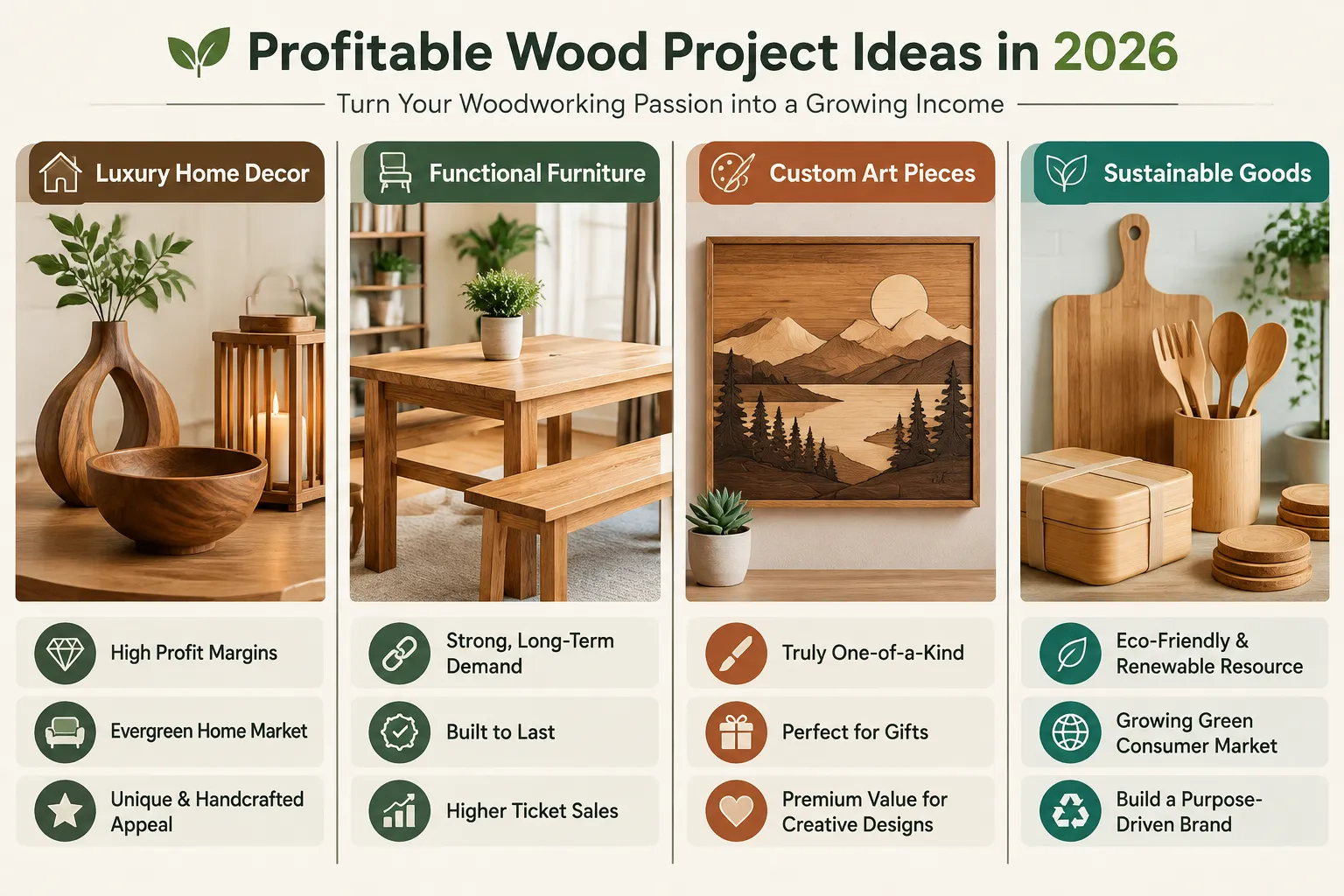
Building on these trends, here are specific project categories that show significant profit potential in 2026:
Luxury Home Decor
Small, intricate items with high perceived value and lower material costs can yield excellent profit margins.
- Decorative Trays and Boards: Beyond simple cutting boards, think charcuterie boards with unique inlays, serving trays with elegant handles, or decorative display boards crafted from exotic woods.
- Artisan Wall Art: Abstract wood art, geometric panels, or detailed wood mosaics can fetch high prices, especially when unique and well-executed.
- High-End Jewelry Boxes and Valet Trays: Focus on fine joinery, premium lining, and exquisite finishes.
- Custom Planters and Propagation Stations: Catering to the indoor plant trend, elevated and unique wooden planters, especially those that incorporate glass or ceramic elements, are popular.
Functional Furniture with a Twist
Mid-sized furniture pieces that offer both utility and distinctive design are consistently in demand.
- Modular Storage Solutions: Shelving units, cabinets, or wall-mounted systems that can be reconfigured by the user.
- Compact Coffee Tables with Hidden Storage: Combining aesthetic appeal with practicality, consider designs from beginners guide to coffee table design to advanced concepts.
- Accent Tables and Nightstands: Focus on unique leg designs, mixed materials (e.g., wood and metal), or distinctive finishes. Explore options like building a nightstand side table for inspiration.
- Entryway Organizers: Hooks, shelves, and small storage for keys and mail, often combining multiple functions in a compact design.
Custom Architectural Elements
For those with advanced skills, custom architectural pieces can be extremely lucrative.
- Reclaimed Wood Mantels: Offering unique character and historical appeal for modern fireplaces, as detailed in reclaimed wood mantels for modern fireplaces.
- Live Edge Shelving and Countertops: These capitalize on the biophilic design trend and command high prices.
- Custom Doors and Gates: For specialized clients, these projects offer significant customization opportunities.
Crafting for Profit: Beyond Basic Techniques and Materials
Moving beyond rudimentary woodworking involves elevating both your techniques and your material selection. This section focuses on advanced strategies that enhance product quality, perceived value, and ultimately, profitability, aligning with “The Ultimate Guide to Crafting Profitable Wood Projects: Beyond the Basics for Crafters and Sellers.”
Advanced Woodworking Techniques for Higher Value
To justify premium pricing, your craftsmanship must stand out. Incorporate techniques that showcase skill and add intricate detail.
- Mastering Joinery: Move beyond screws and basic butt joints. Dovetails, mortise and tenon, finger joints, and dados create stronger, more aesthetically pleasing pieces. They speak to quality and durability, which consumers value. Learn more about mastering wood joinery techniques.
- Inlay and Veneering: Adding contrasting wood inlays, shell, or even metal can transform a simple piece into a work of art. Veneering allows for the use of expensive or rare woods without the prohibitive cost of solid stock. Consider exploring advanced techniques like membroidery wood inlay.
- Carving and Sculpture: Even subtle carving can add unique character. From relief carvings to three-dimensional sculptural elements, these details create distinct, high-value items.
- Precision Finishing: The finish is often the first thing a customer notices. Invest time in proper sanding, staining, and application of durable, high-quality finishes. For outdoor pieces, consider advanced wood finishing for outdoor tables.
Strategic Material Sourcing and Selection
Your choice of wood and other materials profoundly impacts both cost and market appeal.
- Exotic and Domestic Hardwoods: While more expensive, woods like walnut, cherry, mahogany, and maple are prized for their beauty and durability. Understand their characteristics and use them judiciously.
- Reclaimed and Salvaged Wood: Sourcing from old barns, factories, or even urban tree removal services can provide unique, character-rich material at a lower cost, appealing to the sustainability trend. Learn about urban lumber sourcing.
- Plywood and Engineered Woods: For structural components or hidden parts, high-quality plywood or MDF can reduce costs. However, ensure visible edges are finished impeccably or covered with solid wood banding.
- Alternative and Sustainable Woods: Explore options like Paulownia wood, known for its lightweight and sustainable properties, suitable for fast furniture builds. See beginners guide to Paulownia wood.
- Hardware and Embellishments: High-quality hardware (hinges, drawer slides, pulls) and unique embellishments (resin inlays, leather accents) can significantly elevate a piece.
Workflow Optimization and Tool Investment
Efficient production is key to profitability. Streamline your processes and invest wisely in tools.
- Shop Organization: A well-organized shop saves time and reduces errors. Consider building a DIY woodworking workbench that integrates storage.
- Jigs and Fixtures: Custom jigs for repetitive tasks ensure consistency and speed.
- Power Tools for Precision and Speed: Invest in tools like a quality table saw (consider how to choose the best table saw with built-in stand), planer, jointer, and router. Explore best Milwaukee electric tool setups for advanced woodworkers for professional-grade options.
- Dust Collection: Essential for a healthy workspace and maintaining finish quality. A DIY dust collection and air filtration system is a worthwhile project.
Pricing, Marketing, and Scaling Your Woodcraft Business in 2026
Even the most beautiful wood projects won’t be profitable without a solid business strategy. This final section outlines how to price your items competitively, market them effectively, and scale your operations.
Developing a Profitable Pricing Strategy
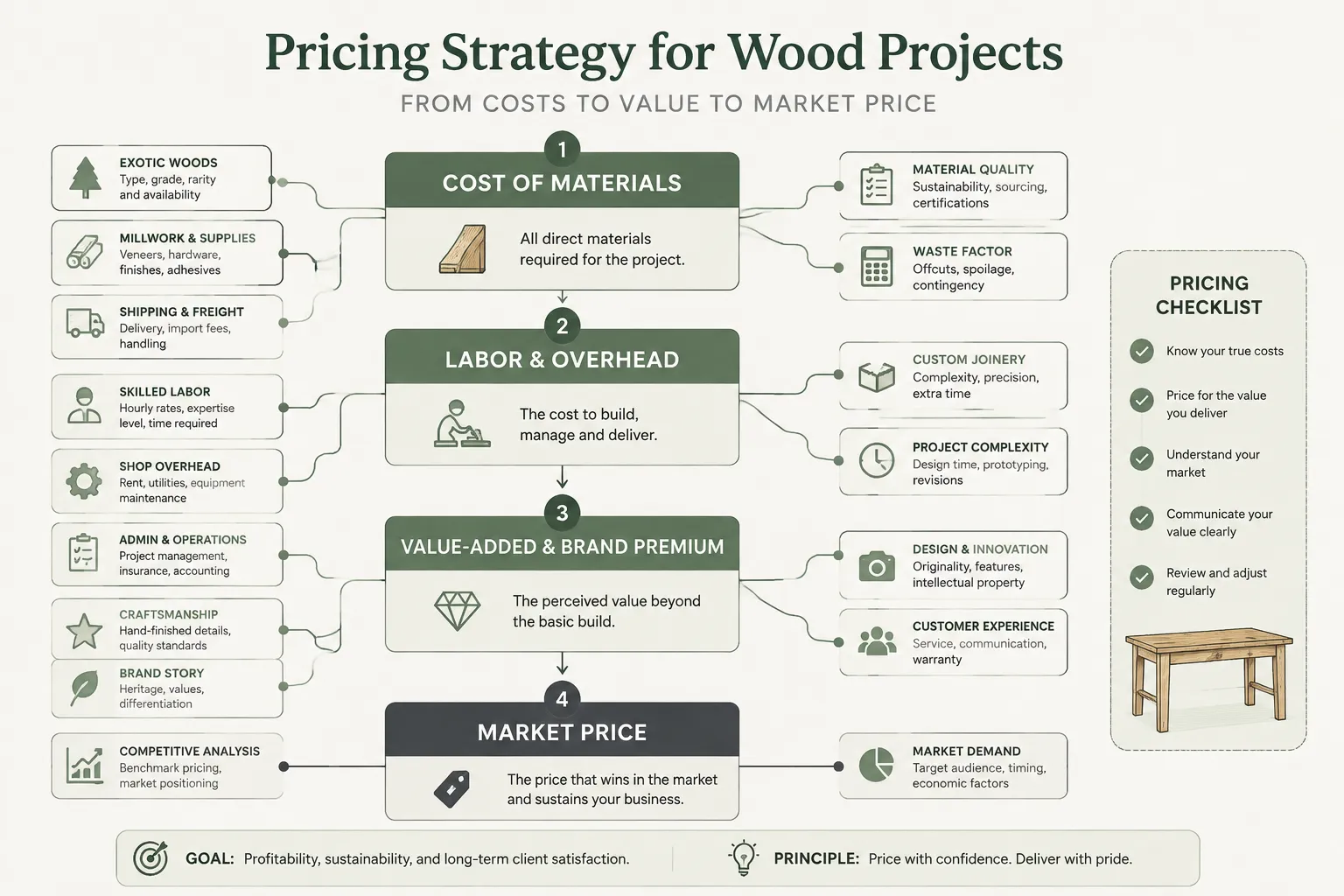
Pricing your work correctly is a balance between covering costs, valuing your time and skill, and remaining attractive to buyers.
- Cost of Goods Sold (COGS): Calculate every expense: wood, hardware, sandpaper, glue, finishes, blades, electricity used for tools, etc.
- Labor Costs: Determine an hourly rate for your time, reflecting your skill level and experience. Track hours spent on design, cutting, assembly, sanding, and finishing.
- Overhead: Account for rent, insurance, marketing, website fees, tool maintenance, and other fixed costs. Divide this by the number of projects or hours per month to allocate to each item.
- Profit Margin: Add a desired profit percentage. This is crucial for business growth and reinvestment.
- Market Value: Research competitor pricing for similar quality items. Your price should reflect the perceived value of your craftsmanship and uniqueness.
- Value-Added Pricing: If your pieces offer unique features, exceptional design, or a strong brand story, you can command higher prices.
| Pricing Component | Description |
|---|---|
| Material Costs | Raw wood, hardware, finishes, consumables (glue, sandpaper). |
| Labor Rate | Your hourly wage for design, construction, and finishing. |
| Overhead Allocation | Share of shop rent, utilities, insurance, marketing, website. |
| Profit Margin | Percentage added for business growth, reinvestment, and personal income. |
| Perceived Value | How much the market believes your unique design, quality, and brand are worth. |
Effective Marketing and Sales Channels
Reach your target audience where they shop and connect with them through compelling storytelling.
- Online Marketplaces: Platforms like Etsy, Shopify, or even specialized woodworking forums are excellent for reaching a wide audience. Highlight your unique selling propositions, high-quality photography, and clear descriptions.
- Social Media: Instagram and Pinterest are highly visual platforms perfect for showcasing your projects. Use compelling captions that tell the story behind each piece, its inspiration, materials, and creation process. Engage with your followers and use relevant hashtags.
- Local Craft Fairs and Markets: These provide direct customer interaction, allowing people to see, touch, and appreciate your work in person. This is especially effective for showcasing the quality of your craftsmanship.
- Partnerships and Collaborations: Collaborate with interior designers, local boutiques, or real estate agents who can recommend or showcase your work.
- Website and Blog: A professional website serves as your online portfolio and storefront. A blog can attract traffic by providing valuable content related to woodworking, design trends, or custom projects.
- Email Marketing: Build an email list to inform subscribers about new products, special offers, and behind-the-scenes glimpses of your process.
Scaling Your Woodcraft Business
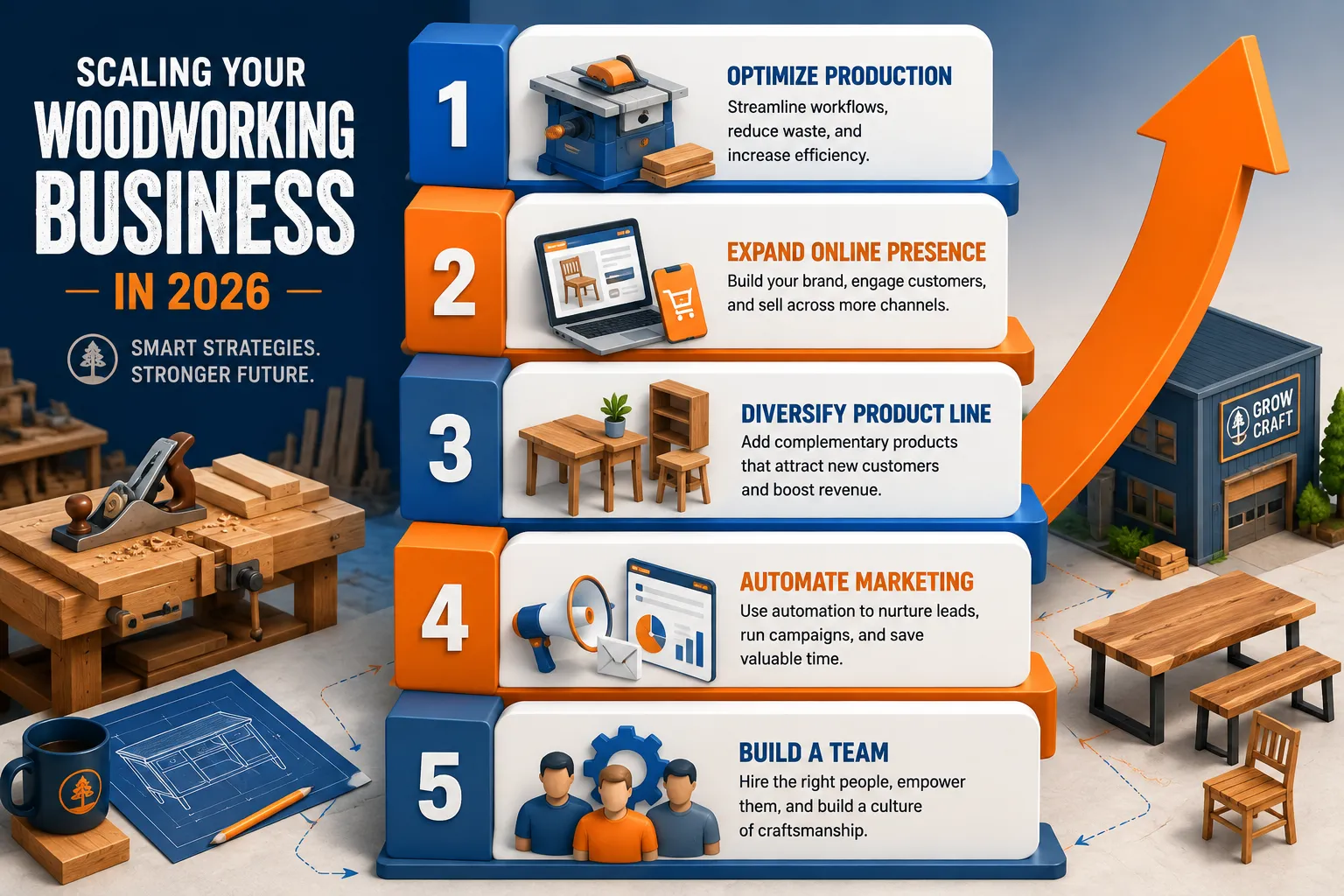
As demand grows, you’ll need strategies to increase production and revenue without compromising quality.
- Batch Production: For popular, repeatable items, produce them in batches to save time on setup and material handling.
- Outsourcing Non-Core Tasks: Consider delegating tasks like marketing, photography, or even basic sanding to free up your time for skilled woodworking.
- Diversify Product Offerings: Introduce new projects that cater to different price points or market segments. For instance, alongside large furniture, offer smaller, quick-selling items. Explore quick woodworking projects that sell for ideas.
- Invest in Better Equipment: Higher-quality tools can significantly improve efficiency and accuracy, reducing production time per piece.
- Build a Team: As your business grows, consider hiring assistants for sanding, finishing, or even an apprentice to learn more complex tasks.
- Efficient Space Utilization: Optimize your workshop layout. For tiny woodshops, strategies for maximizing your tiny woodshop are essential.
- Focus on Custom Orders: While time-consuming, custom orders often command the highest prices and can establish your reputation for bespoke craftsmanship.
Conclusion
The journey to crafting profitable wood projects in 2026 goes far beyond mere technical skill. It requires a keen understanding of market dynamics, an unwavering commitment to quality, strategic pricing, and effective marketing. By embracing advanced techniques, carefully selecting materials, optimizing your workflow, and connecting authentically with your audience, you can transform your passion for woodworking into a thriving, sustainable business.
The ultimate guide to crafting profitable wood projects emphasizes moving beyond the basics. Begin by researching current trends, focusing on high-demand niches, and mastering advanced joinery and finishing. Develop a comprehensive pricing model that values your time and skill, then leverage online and local channels to tell your brand’s story. With careful planning and continuous refinement, your woodworking craft can become a highly rewarding and financially successful endeavor.